14-Hour Days in a Premium Chair: Real User Reviews from Developers, Writers & Designers
Three heavy-duty users test high-end ergonomic chairs under real deadline pressure
By the Furniblog Editorial Team·July 31, 2026·5 min read
Testing Premium Chairs Under Real Work Pressure
Eight-hour workdays are one thing. Fourteen-hour sessions are another entirely—and they're the reality for developers sprinting toward a release, web novelists racing a serialization deadline, or designers prepping for a client presentation.
These are the people who truly stress-test a chair. We asked three professionals in exactly these roles to spend a full week in ergonomic chairs matched to their work patterns and pain points. Here's what they discovered.
Why These Three Professions Are at Risk
Extended sitting isn't just uncomfortable—it's a documented health risk, and certain work patterns make it worse.
Computer Vision Syndrome and Static Posture
Research from Sheedy and colleagues (2003) found that people staring at screens for prolonged periods blink up to 60% less frequently than normal, leading to dry eyes and accompanying neck and shoulder tension. Developers deep in code are especially vulnerable.
Upper Crossed Syndrome
Coined by Czech neurologist Vladimir Janda in the 1980s, this postural pattern emerges when you hold your head forward and shoulders rounded for hours on end. Chest muscles shorten, upper back muscles lengthen and weaken, and the imbalance becomes entrenched. Designers who grip a mouse or stylus for long sessions are prime candidates.
Prolonged Sitting and Thrombosis Risk
A 2008 study by West, Beasley, and colleagues published in the Journal of the Royal Society of Medicine identified long periods of immobility at a desk as a potential risk factor for venous thromboembolism (VTE). The work pattern of a novelist locked in place for hours before a serialization deadline fits this profile exactly—sometimes called "e-thrombosis," the office counterpart to economy-class syndrome.
The Three Chairs and Why They Were Chosen
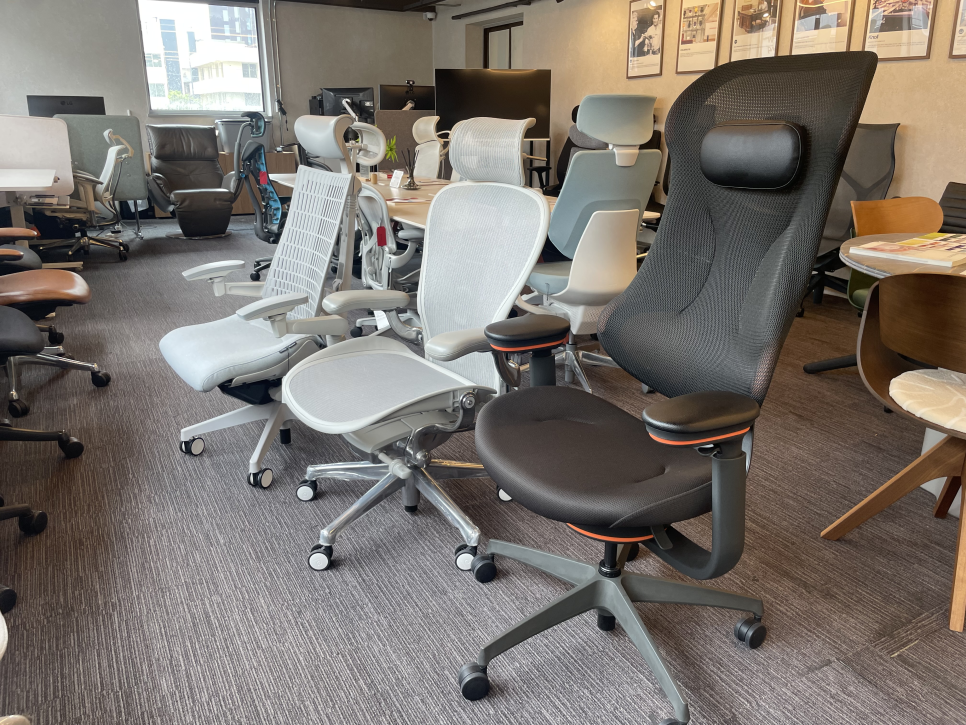
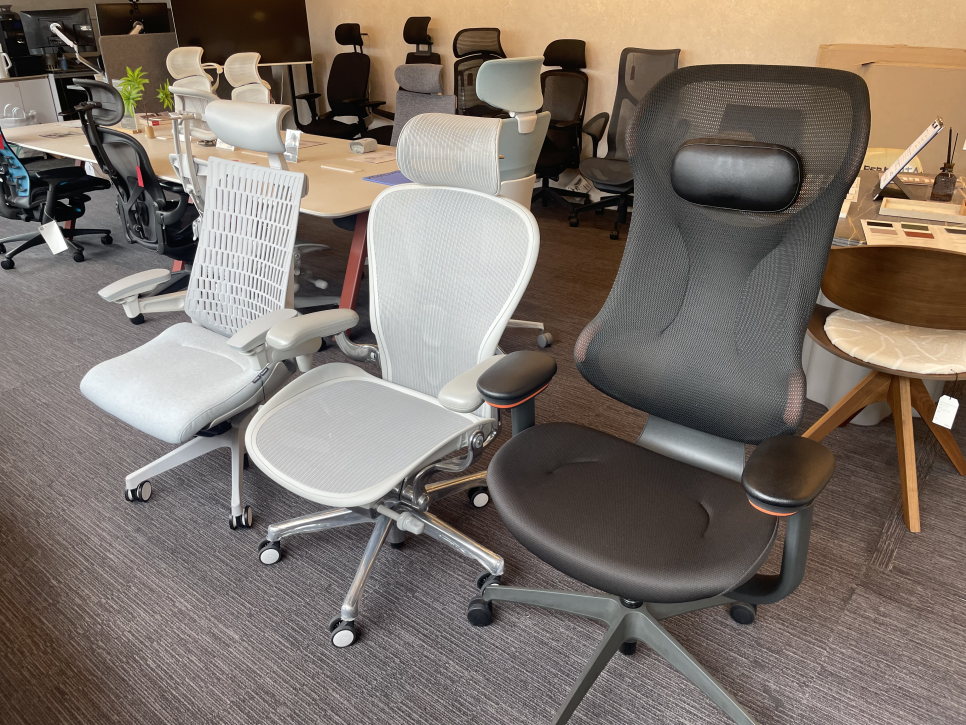
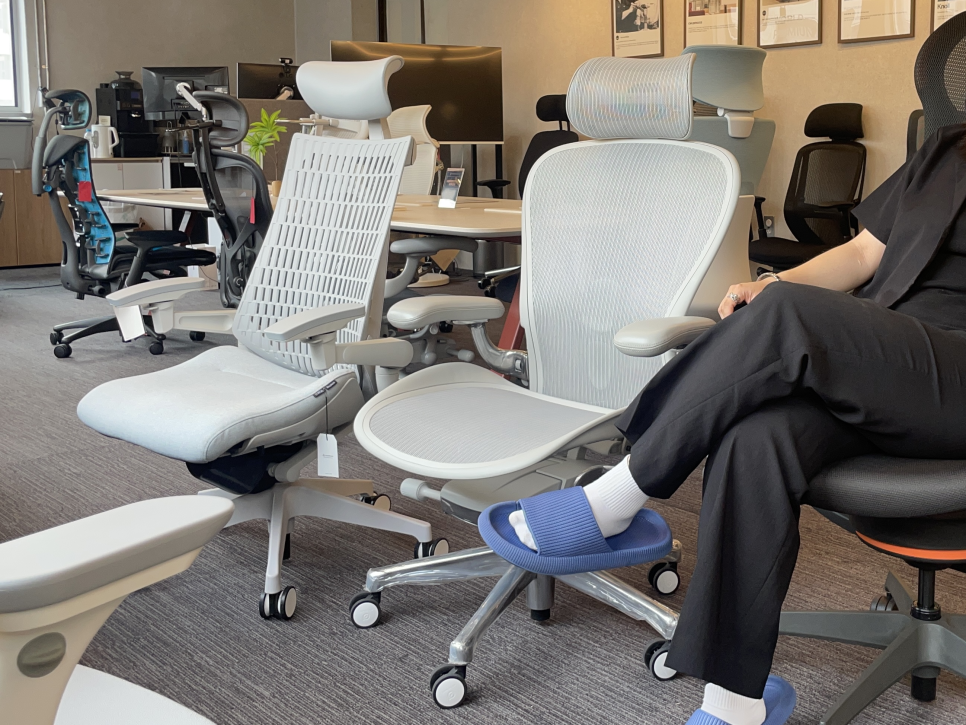
Kokuyo Ing Cloud – For the Developer
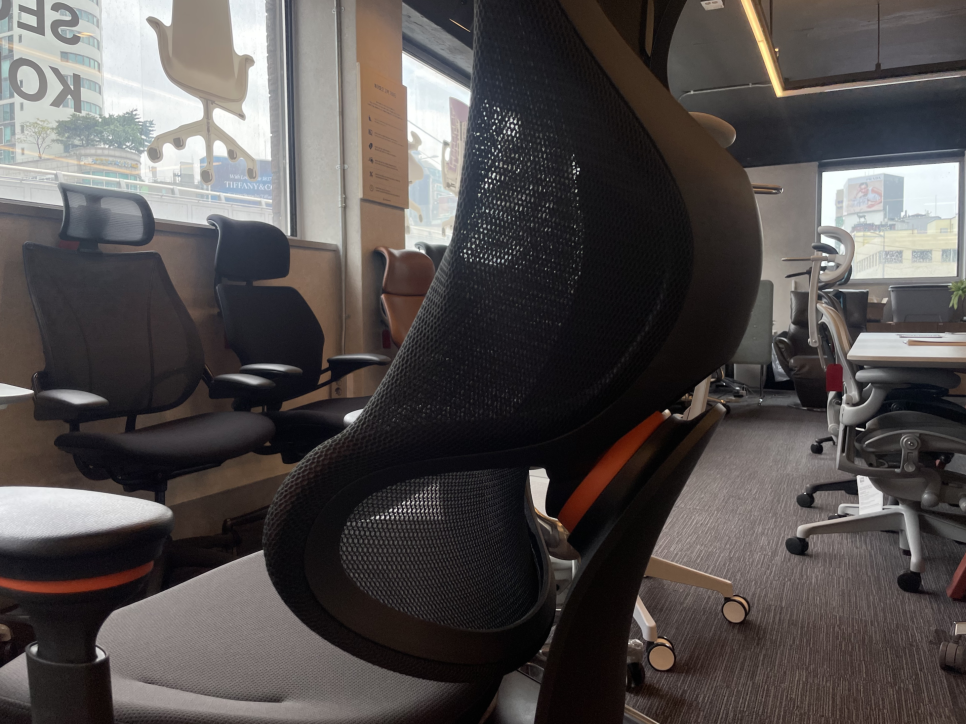
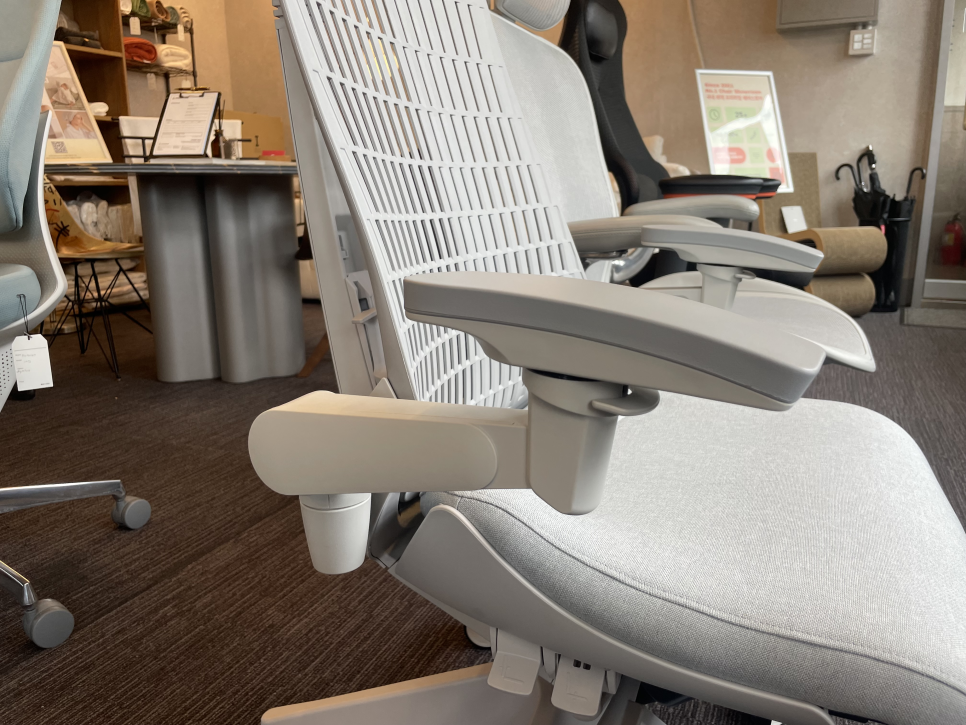
The Kokuyo Ing Cloud was designed with engineers in mind. The Kokuyo design team was reportedly spurred to action after seeing young programmers so locked into static postures that they walked with canes. It took eight years to develop a mechanism that moves purely on body weight and gravity, with no springs. The result: triple gliding across seat, backrest, and armrests, plus a frameless 3D mesh back that delivers one of the softest, most responsive sits in the premium category.
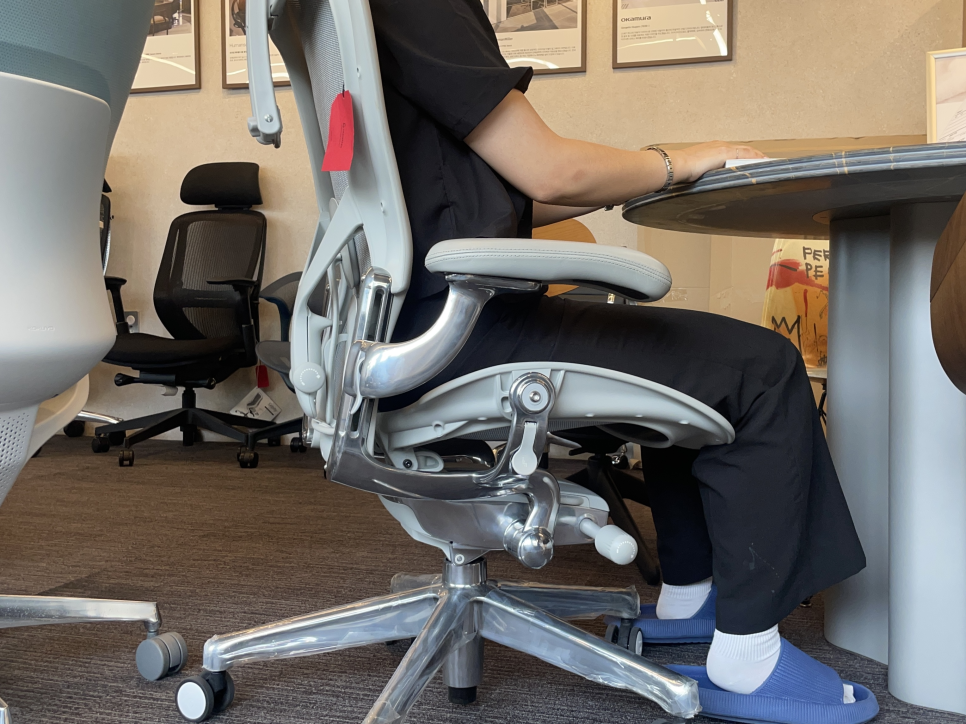
Herman Miller Aeron – For the Web Novelist
The signature feature here is 5° forward tilt. When the seat pan tips slightly forward, your hips open naturally and your torso leans comfortably toward your work surface—perfect for anyone who spends hours with eyes locked on a manuscript or screen. You can hunch slightly without collapsing your lumbar curve, which matters enormously during marathon writing sessions. Learn more about the Herman Miller Aeron.
Itoki ACT2 – For the Designer
The Itoki ACT2 excels in armrest range and independent backrest pivot. Four-way adjustable armrests adapt as you switch between mouse and tablet stylus. The backrest has its own pivot point separate from the seat, so when you twist to check a second monitor or rotate your torso, the backrest follows your shoulder movement instead of blocking it—critical for anyone prone to rounded shoulders and forward head posture.
The Setup: One Week, Three Users
We matched each participant with a chair suited to their specific pain pattern, then collected daily feedback over seven days of real work.
Participant | Occupation | Daily Sitting Time | Primary Pain Point | Chair Tested |
|---|---|---|---|---|
01 | Developer, 5 years remote | 12–14 hours | Lower lumbar, static posture | Kokuyo Ing Cloud |
02 | Web novelist, 8 years serialized | 14+ hours (deadline weeks) | Trapezius, wrists | Herman Miller Aeron |
03 | UX designer, high tablet use | 10–13 hours | Shoulders, neck | Itoki ACT2 |
User Reviews: Day by Day
Developer + Kokuyo Ing Cloud
Day 1: "The chair keeps moving—it's strange. I'm used to locking into one position for hours. This one won't let me do that. But the cushioning is definitely the softest I've tried."
Day 4: "No springs, but it still moves this smoothly? My wrists are still a bit stiff, but my lower back and neck feel noticeably better."
Day 7: "I'm keeping it. I understand now why it took eight years to develop. The seat feel is the plushest I've ever experienced."
Web Novelist + Herman Miller Aeron
Day 1: "I didn't notice the forward tilt right away, but leaning into my manuscript definitely felt easier to hold."
Day 4: "The usual trapezius tightness still comes, but maybe an hour or two later in the day. I think I'm using less effort to stay upright when I'm leaning forward."
Day 7: "The forward tilt made a real difference, especially during the final push when I'm hunched over the keyboard for hours. Glad I bought this. The reputation is well earned."
Designer + Itoki ACT2
Day 1: "I adjusted the armrests for my tablet angle, but I can't tell if it's helping yet. Too early."
Day 4: "My arm angle is totally different when I'm using the mouse versus drawing on the tablet. Being able to adjust the armrests each time means I'm not hiking my shoulder up. And when I twist to look at my second screen, the backrest moves with me instead of getting in the way. That's a bigger deal than I expected."
Day 7: "My shoulder pain hasn't disappeared, but I'm reaching back to massage it a lot less by the end of the day. The moving backrest in particular is more helpful than I thought. Someone called this the 'Pyongyang naengmyeon of chairs'—understated, but exactly right once you get it."
Key Takeaways
Micro-movement matters. The Kokuyo Ing Cloud's spring-free, gravity-driven motion kept the developer from locking into static positions, which directly addressed lower back strain.
Forward tilt supports sustained focus. The Aeron's 5° tilt let the novelist maintain a slightly hunched writing posture without collapsing lumbar support—critical during long creative sprints.
Armrest and backrest articulation reduce compensatory tension. The ACT2's adjustable arms and independent backrest pivot reduced the designer's need to shrug or twist against the chair.
Final Thoughts
Fourteen-hour workdays will never be ergonomically ideal, but the right chair can make them survivable—and significantly less painful. For users who truly live in their seats, features like dynamic micro-movement, forward tilt, and independent backrest articulation aren't luxuries. They're necessities.
If you're a developer, novelist, designer, or anyone else logging extreme sitting hours, it's worth test-sitting these models in person. Your body will tell you quickly whether a chair's design philosophy matches your work pattern.
Interested in trying these chairs yourself? You can explore the Kokuyo Ing Cloud, Herman Miller Aeron, and Itoki ACT2 in more detail on their respective product pages.

Furniblog may earn a commission from links in this post, at no extra cost to you. See our affiliate disclosure.