3-Minute Desk Chair Stretching Routine to Boost Your Workday Focus
Simple stretches you can do without leaving your seat to relieve tension and recharge
By the Furniblog Editorial Team·July 7, 2026·3 min read
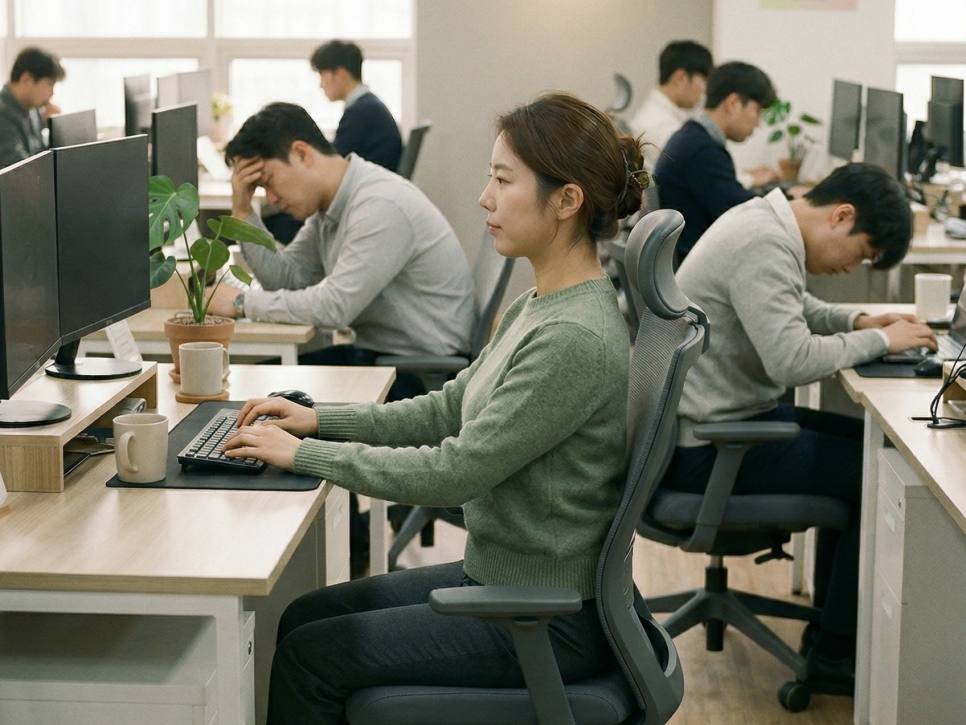
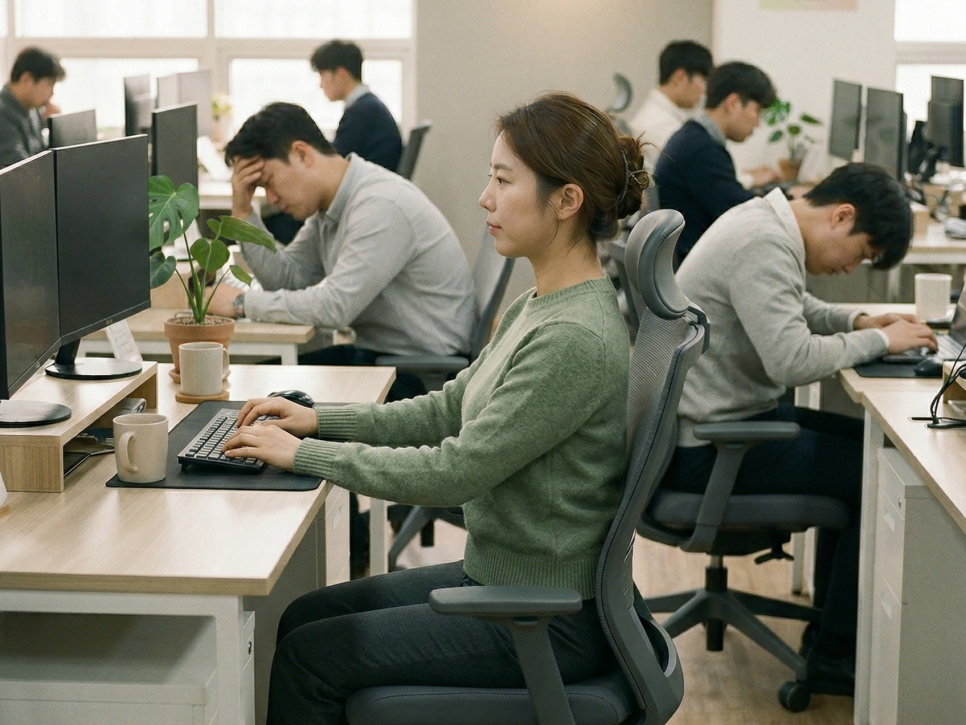
Staring at a monitor all day leaves your body stiff, tense, and fatigued. If you're too swamped to take a proper break, you don't have to leave your chair to find relief. Just three minutes of targeted stretching can reset your body and sharpen your focus for the rest of the day.
Here's a simple, effective chair stretching routine you can do right now—no equipment, no getting up, no excuses.
Step 1: Release Neck and Shoulder Tension
Your neck and shoulders are the first to feel the weight of prolonged desk work. These two moves will ease the tightness and help you sit taller.
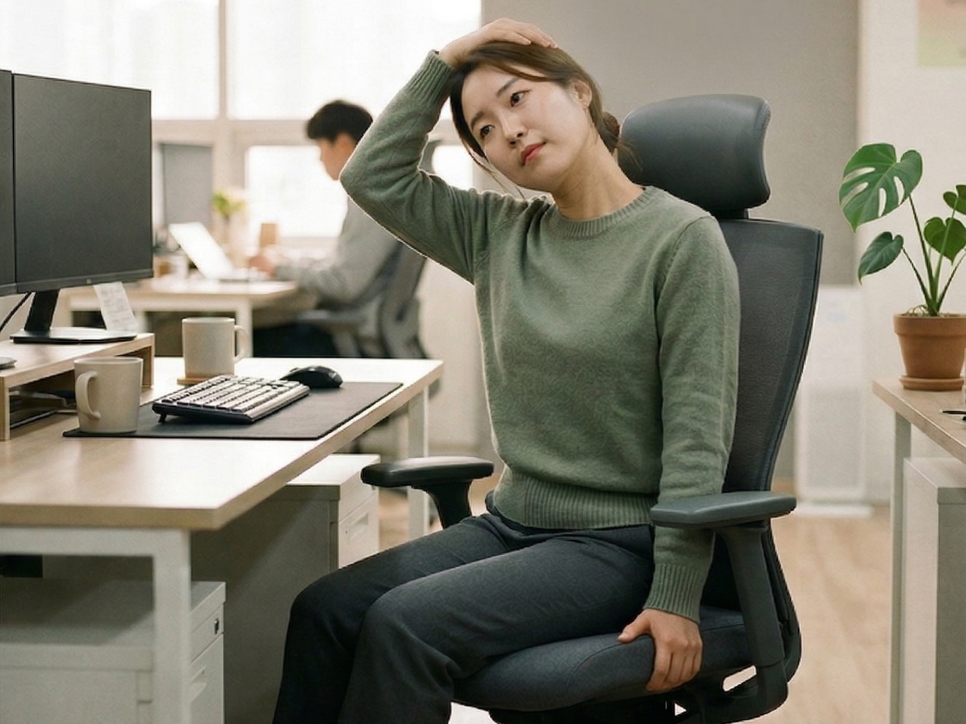
Neck Side Stretch (30 seconds)
Sit upright with your spine long and shoulders relaxed.
Reach one hand over your head and gently place it above the opposite ear.
Exhale slowly as you guide your head toward your shoulder—don't force it, just apply steady, gentle pressure.
For a deeper stretch, grip the edge of your chair seat with your other hand and pull downward. This anchors your shoulder and allows a fuller release through the trapezius muscle.
Hold for 15 seconds per side.
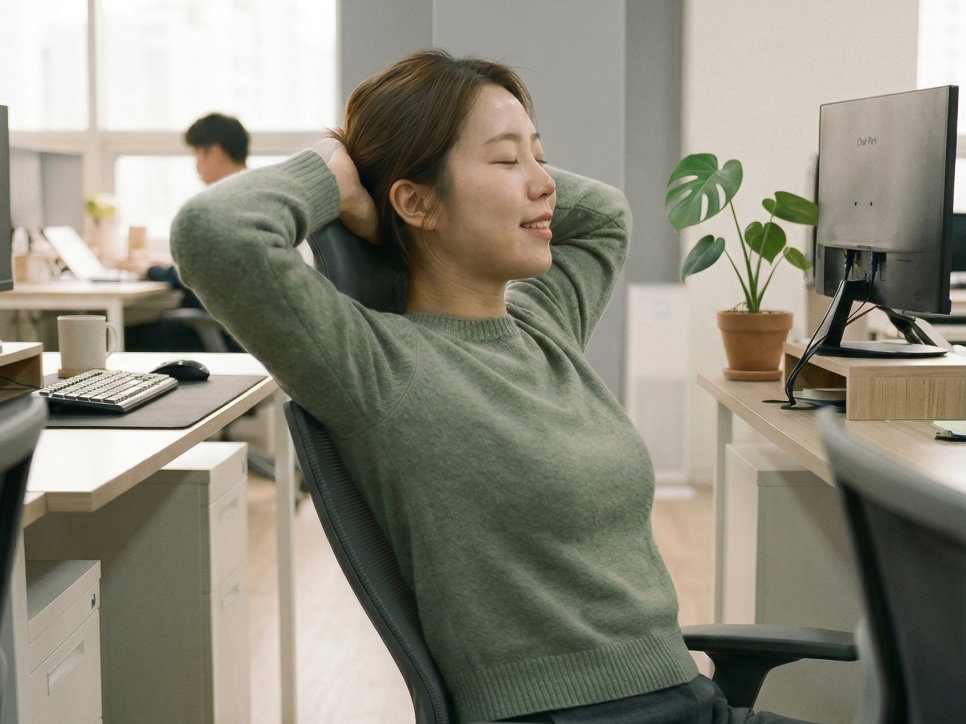
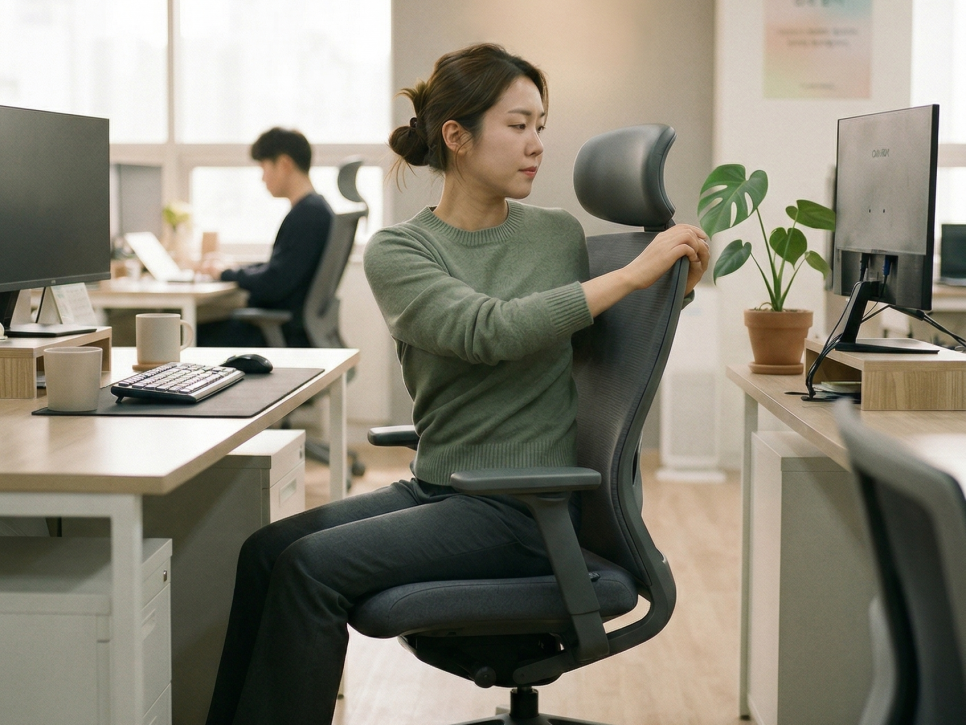
Chest Opener with Chair Support (30 seconds)
Interlace your fingers behind your head and open your elbows wide to the sides.
Lean back gently so the top of your chair backrest supports your upper shoulder blades.
Lift your chest toward the ceiling, letting your spine extend and your shoulders roll back.
Breathe deeply and feel your chest and front shoulders open after hours of hunching forward.
Step 2: Revive Your Spine
Sitting compresses the spine and creates a dull, achy feeling in your lower back. This twisting stretch brings mobility back to each vertebra.
Seated Spinal Twist (1 minute total)
Plant both feet flat on the floor, hip-width apart.
Sit tall and engage your core lightly.
Place your left hand on the outside of your right armrest or the back edge of your seat.
Inhale to lengthen your spine, then exhale as you rotate your torso to the right, using your chair as leverage.
Keep your hips facing forward—the twist should come from your mid and upper back, not your lower spine.
Hold for 30 seconds, breathing steadily, then switch sides.
You should feel a gentle release along your spine and through your obliques. If you hear a few pops, that's normal—just don't force anything.
Step 3: Improve Lower Body Circulation
Sitting for long periods restricts blood flow to your legs and tightens your hips. This final stretch targets the hip flexors and glutes, which get locked up from hours in a seated position.
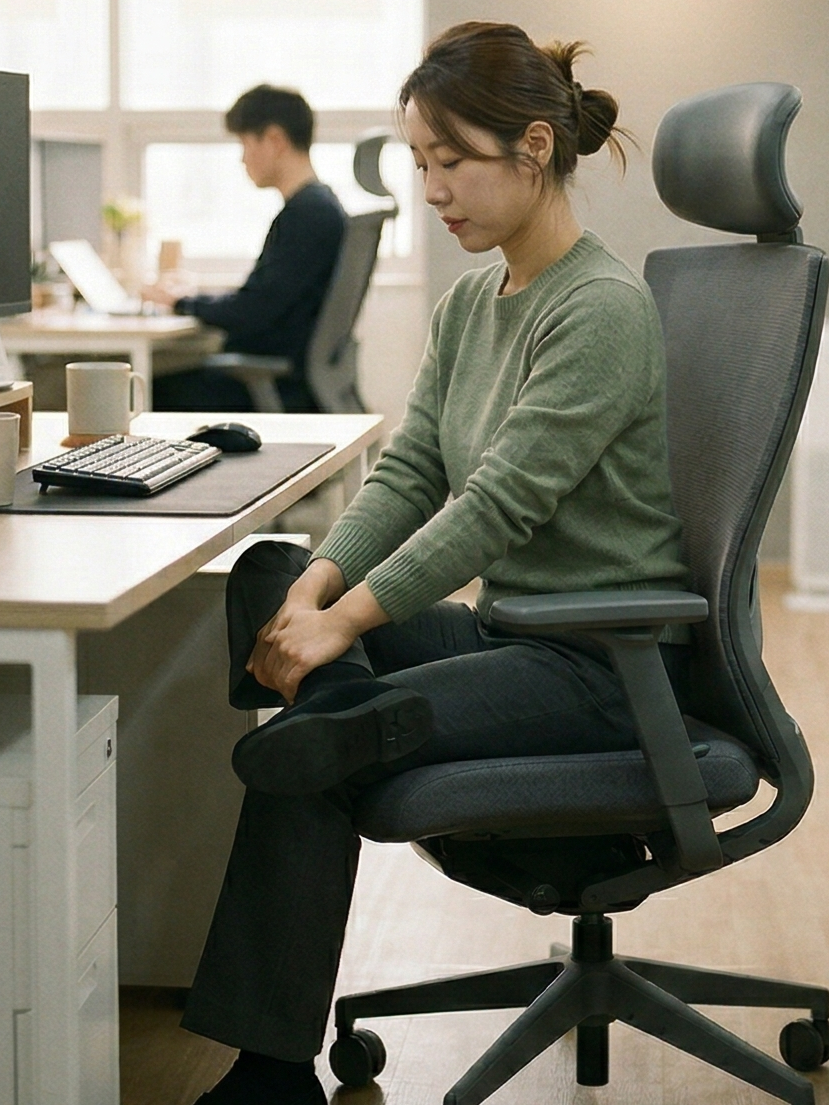
Seated Figure-Four Hip Stretch (1 minute total)
While seated, lift your right ankle and rest it on top of your left knee, forming a "4" shape with your legs.
Flex your right foot to protect your knee joint.
Sit up tall and take a deep breath in.
As you exhale, hinge forward from your hips (not your lower back), keeping your spine straight.
You should feel a stretch deep in your right glute and outer hip.
Hold for 30 seconds, then switch legs.
This move is particularly helpful if you feel tightness in your hips or lower back by the end of the day.
Key Tip: Don't Skip the Breath
The real power of stretching comes from pairing movement with breath. Never hold your breath during a stretch. Instead, inhale deeply through your nose to prepare, and exhale slowly through your mouth as you move deeper into each position. This signals your nervous system to relax and allows your muscles to release more fully.
Make It a Habit
Set a timer to repeat this routine two or three times throughout your workday—mid-morning, after lunch, and mid-afternoon are ideal. You'll notice less stiffness, better posture, and improved focus. And if your chair has adjustable lumbar support, a headrest, or a recline function, use those features to your advantage during these stretches.
Your body works hard to support you through long hours at a desk. Taking just three minutes to care for it can make all the difference in how you feel—and how well you perform.
Furniblog may earn a commission from links in this post, at no extra cost to you. See our affiliate disclosure.