5 Reasons to Invest in a Quality Office Chair (And Why They're Worth the Price)
Your chair isn't just furniture—it's an 8-hour daily investment in your health
By the Furniblog Editorial Team·July 13, 2026·4 min read

When shopping for an office chair, it's easy to rationalize settling for less. "As long as I can sit on it, it's fine." "Do I really need to spend that much on a chair?" "Isn't it all just branding anyway?"
If you spend eight or more hours a day at a desk, these compromises can cost you far more than money—they cost you comfort, health, and productivity. Here's why investing in a quality ergonomic chair makes both physical and financial sense.

1. If Your Back Hurts After Work, Blame Your Chair First
The average office worker sits for 8 to 10 hours per day. When your chair doesn't properly support your body during that time, your pelvis tilts, your spine curves, and your neck juts forward.
At first, you might chalk it up to fatigue. But day after day, that fatigue compounds into chronic lower back pain, shoulder tension, and persistent exhaustion. The discomfort you feel at 5 p.m. may not be from your workload—it's likely from your chair.
A good chair doesn't cure pain, but it prevents your posture from collapsing in the first place. And that prevention makes all the difference in how your body feels at the end of the day.
2. Cheap Chairs Often Cost More in the Long Run
Budget chairs seem like the sensible choice—until the hidden costs start piling up:
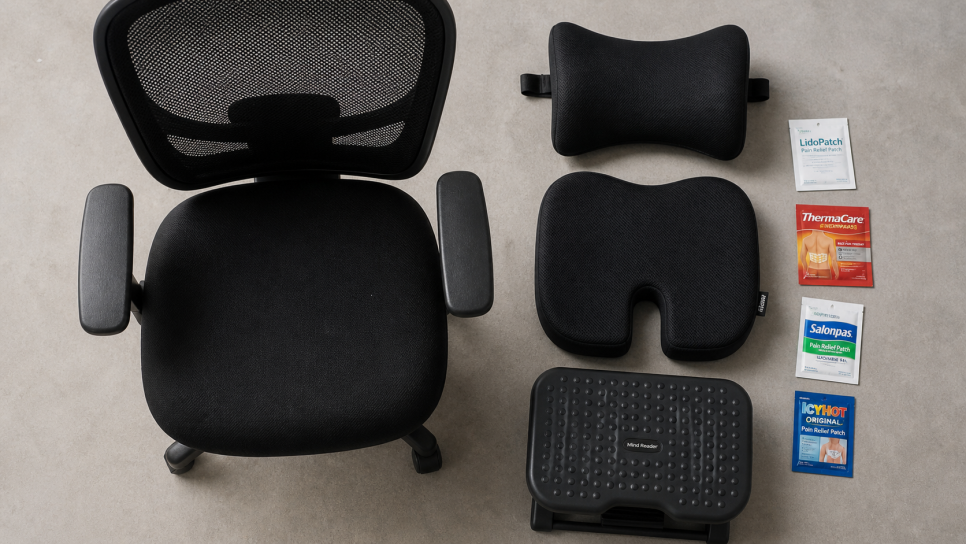
Seat cushion sags → buy a seat pad
Lower back pain → buy a lumbar pillow
Leg numbness → buy a footrest
Pain persists → pain relief patches, doctor visits, physical therapy
If you find yourself adding cushions, supports, and remedies to compensate for a poor chair, you're already paying the price of a quality chair—just in installments. Add the cost of diminished focus and ongoing discomfort, and that "affordable" chair becomes a very expensive mistake.
3. A Quality Chair Costs About $1.12 Per Day
High-quality ergonomic chairs feel like a big expense because you pay upfront. But consider the math over time:
Scenario | 10-Year Cost |
|---|---|
$300 chair replaced every 2 years | $1,500 |
$1,500 chair used for 10 years | $1,500 |
That premium chair breaks down to $150 per year, or about $1.12 per day—less than a cup of coffee. For that price, you're upgrading the environment where you spend a third of your waking life. That's not indulgence; it's a sound investment in your daily well-being.
4. The Real Difference Shows Up Hours Into Your Day
An expensive chair doesn't win you over in the first five minutes. The true value reveals itself after hours of sitting.
Everyone's body is different—height, leg length, lumbar curve, shoulder width. A well-engineered chair adapts to your body through adjustable seat height, seat depth, lumbar support, armrests, and recline tension. These adjustments keep your posture stable even after eight hours at your desk.
Ask yourself:
Does your back still feel supported at 3 p.m.?
Are your shoulders less stiff when you clock out?
Do you feel less drained when you get home?
Do you actually want to sit in the chair again the next day?
That's the value of a quality chair. And when that difference repeats 365 days a year, the return on investment compounds.

5. When Your Body Is Comfortable, Your Work Improves
Sitting in an uncomfortable chair forces constant micro-adjustments—straightening your back, rolling your neck, crossing your legs. Each time you shift, your focus breaks.
When your body is properly supported, your attention stays on your work, not your discomfort. Many people report a noticeable improvement in afternoon focus and energy after upgrading to an ergonomic chair.
You invest in a good laptop, a second monitor, a mechanical keyboard. Why is the one piece of equipment that holds your entire body for eight hours the thing you keep putting off?
It's Not About Buying Expensive—It's About Buying Right
We're not saying you need to buy the most expensive chair on the market. We're saying don't settle for a chair that doesn't fit your body, especially when you're sitting in it 40+ hours a week.
For someone who sits all day, a chair isn't furniture—it's infrastructure. And good infrastructure pays dividends in health, comfort, and performance.
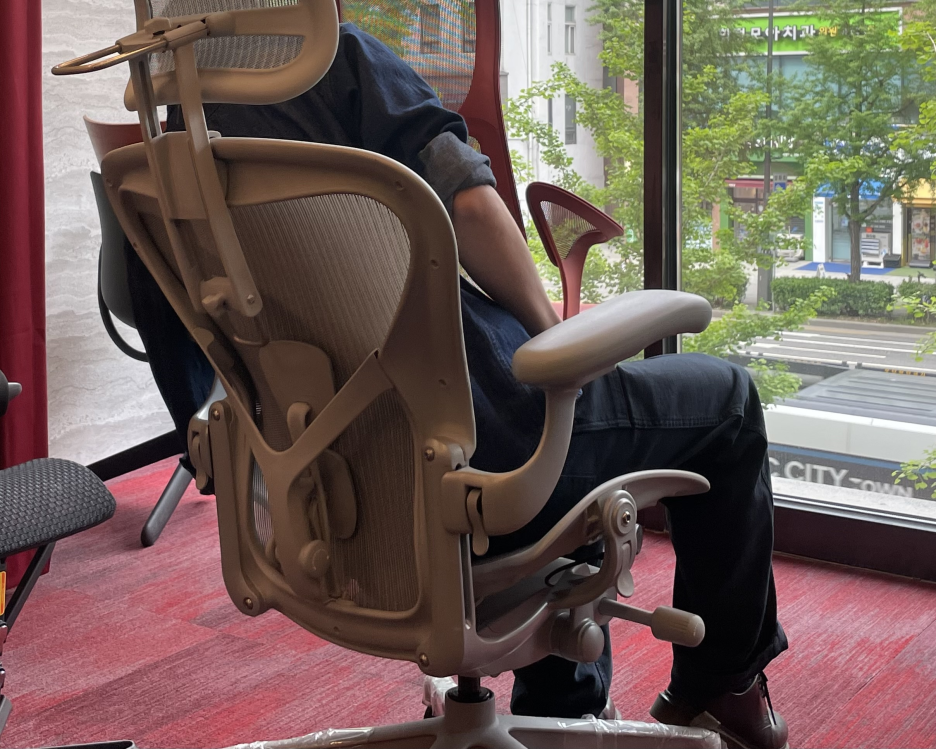
Even within the same price range, the right chair varies from person to person. If possible, try before you buy. Sit for more than two minutes. Adjust the settings. Notice how your body feels after an hour, not just at first contact.
Whether you're exploring flagship models like the Herman Miller Aeron, the Steelcase Leap V2, or the Haworth Fern, or looking at high-value ergonomic options like the HON Ignition 2.0 or Branch Verve Chair, the key is finding what works for your body and your budget.
Your chair is with you every working day. Make sure it's actually on your side.

Furniblog may earn a commission from links in this post, at no extra cost to you. See our affiliate disclosure.