Are Chair Casters Damaging Your Floor? How to Choose the Right Casters by Floor Type
Match your office chair wheels to your flooring to prevent damage and improve comfort
By the Furniblog Editorial Team·July 7, 2026·4 min read
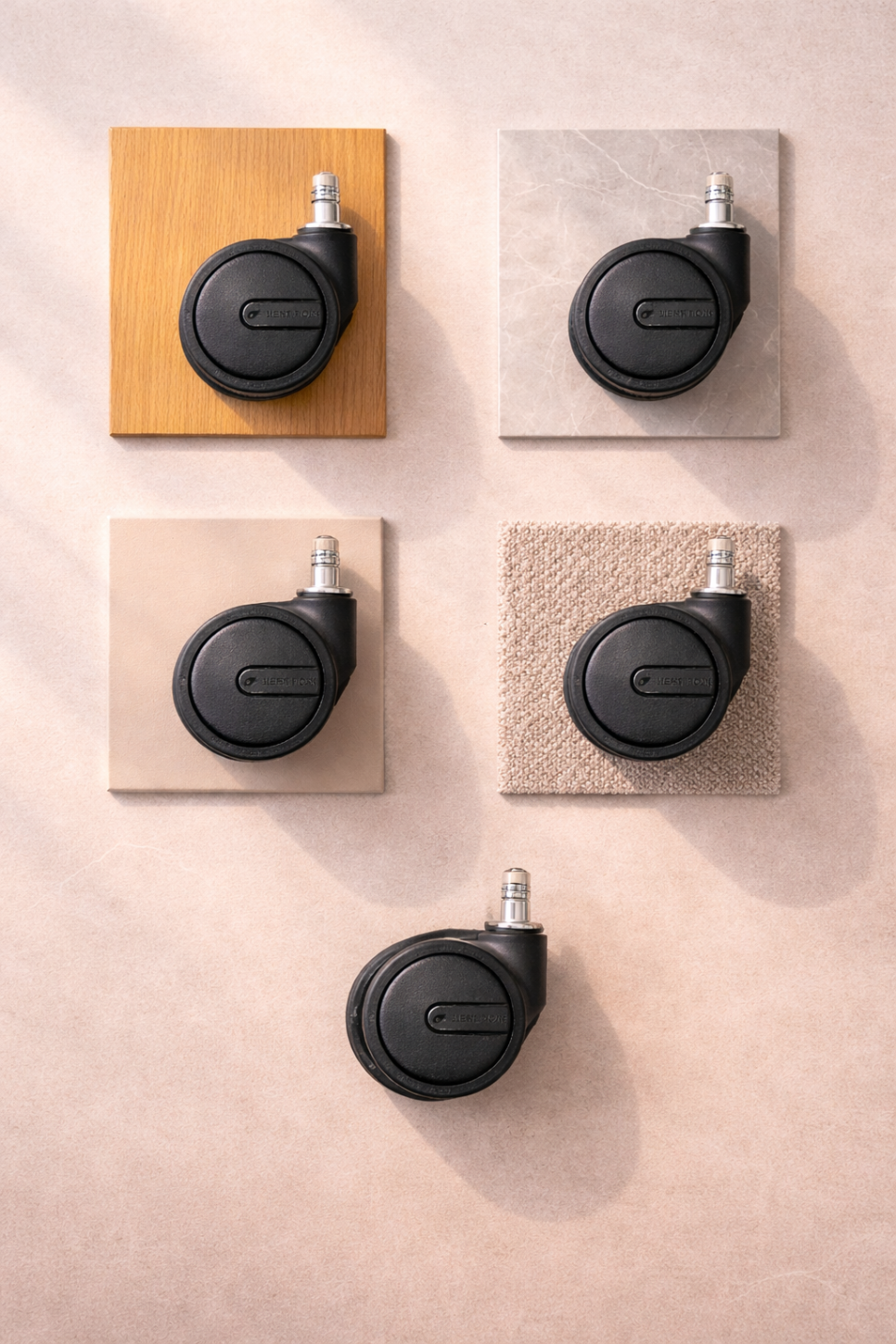
If you've spent any length of time in an office chair, you've probably wondered at least once: "Are these wheels scratching my floor?" or "Why does my chair roll so poorly on this carpet?"
The short answer: yes, chair casters can damage your floor—but the right casters can significantly reduce that risk. The key isn't the chair itself, but rather the material and design of the casters and how well they match your specific flooring.
Even the same chair can perform dramatically differently depending on which casters you use. Floor protection, rolling smoothness, noise levels, and overall satisfaction can all change substantially with a simple caster swap.
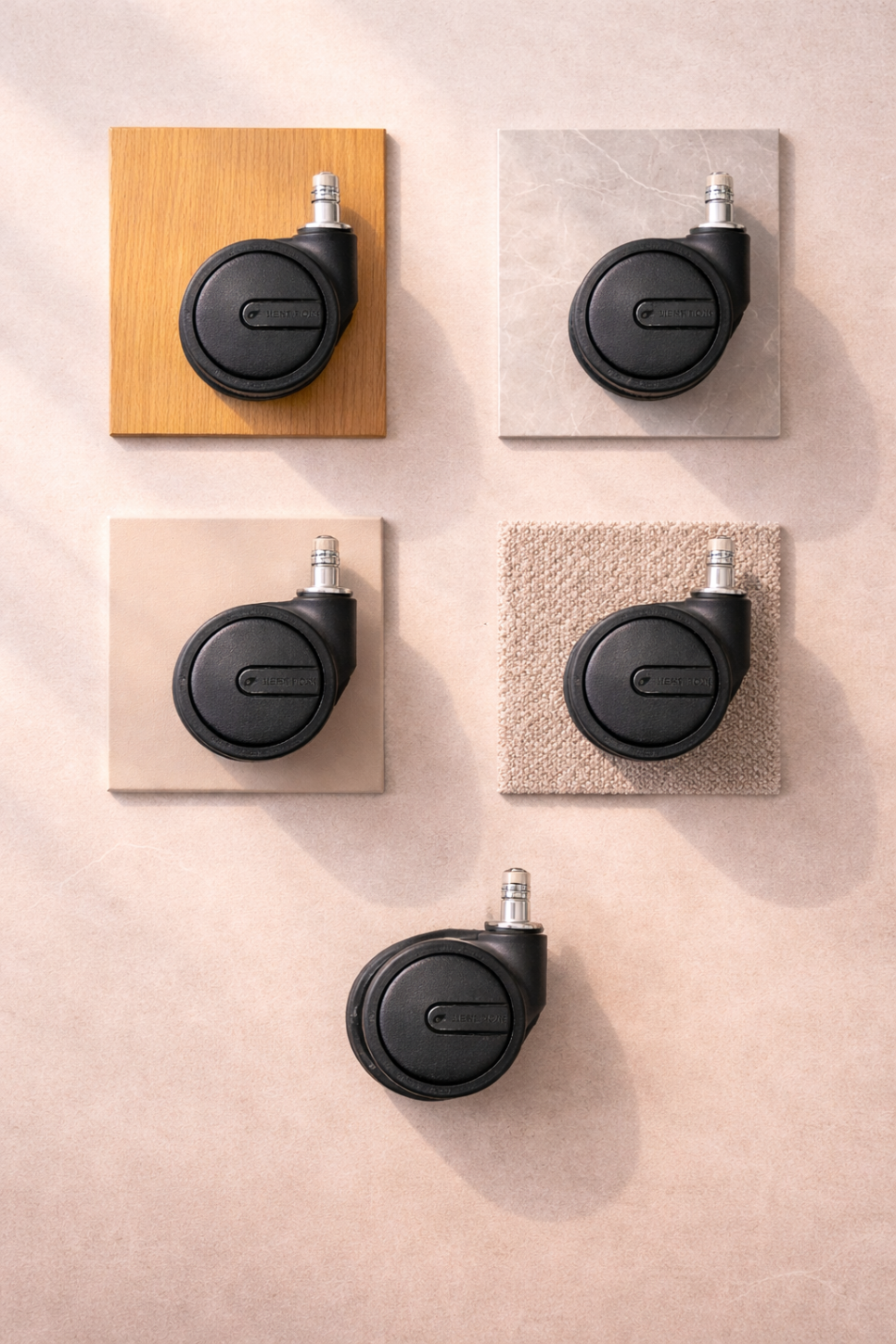
Why Chair Casters Damage Floors
Many people assume floor damage happens simply because casters are too hard. But the reality is more nuanced. Floor damage typically occurs for several reasons:
Caster material is harder than the floor surface: Creating scratches and indentations
Dirt and debris trapped in the wheels: Acting like sandpaper as the chair rolls
Weight concentration: Body weight and chair weight focused on small contact points
Wrong caster type for the floor: Using carpet casters on hardwood, or vice versa
Worn casters: Old wheels develop rough, uneven surfaces that scratch floors
In other words, the problem isn't casters themselves—it's using the wrong casters continuously that causes damage.
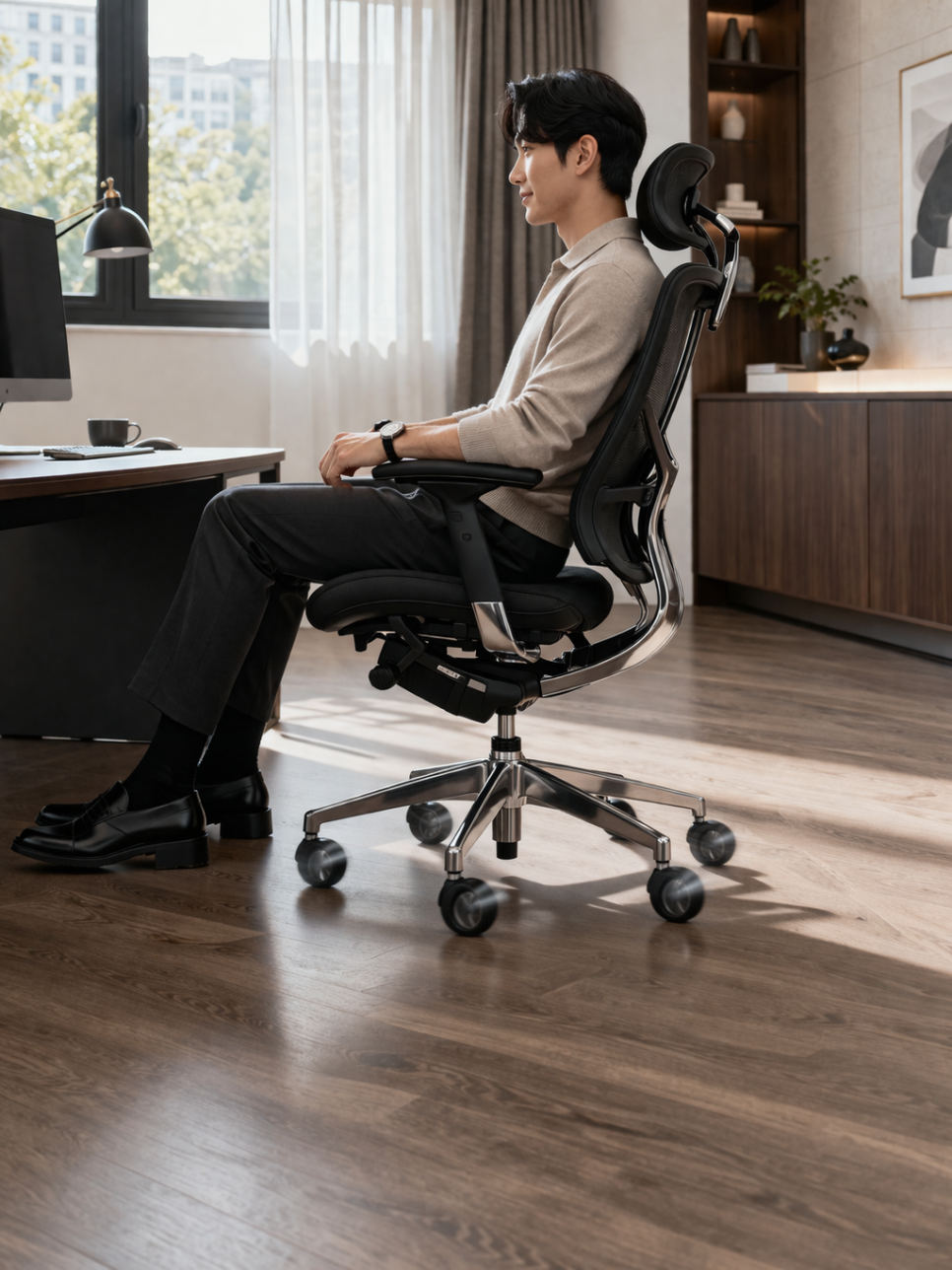
The Two Main Types of Chair Casters
While chair casters come in many varieties, they generally fall into two categories based on the flooring they're designed for:
Hard Floor Casters
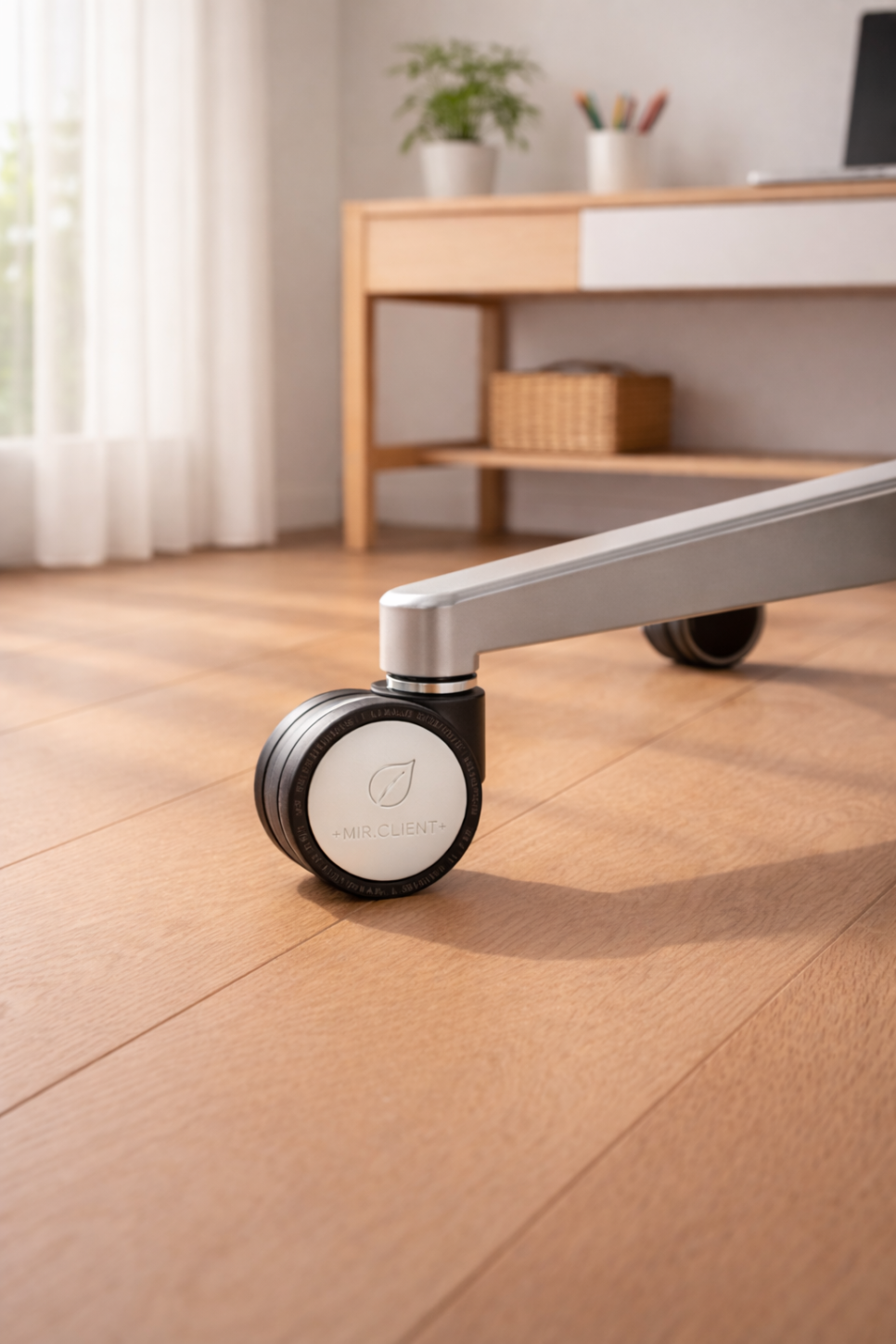
These are designed for smooth, hard surfaces like laminate flooring, hardwood, tile, and vinyl. Hard floor casters typically feature softer materials—polyurethane (PU), rubber, or soft coatings—that provide gentle contact with the floor, reducing friction and noise.
Soft Floor (Carpet) Casters
Built for carpeted environments, these casters use harder materials that resist sinking into soft surfaces and roll more easily over fiber resistance. The firmer construction prevents the wheels from getting bogged down in carpet pile.
The crucial point: Using hard plastic casters on hardwood can damage the floor, while using soft casters on thick carpet makes movement difficult and exhausting.
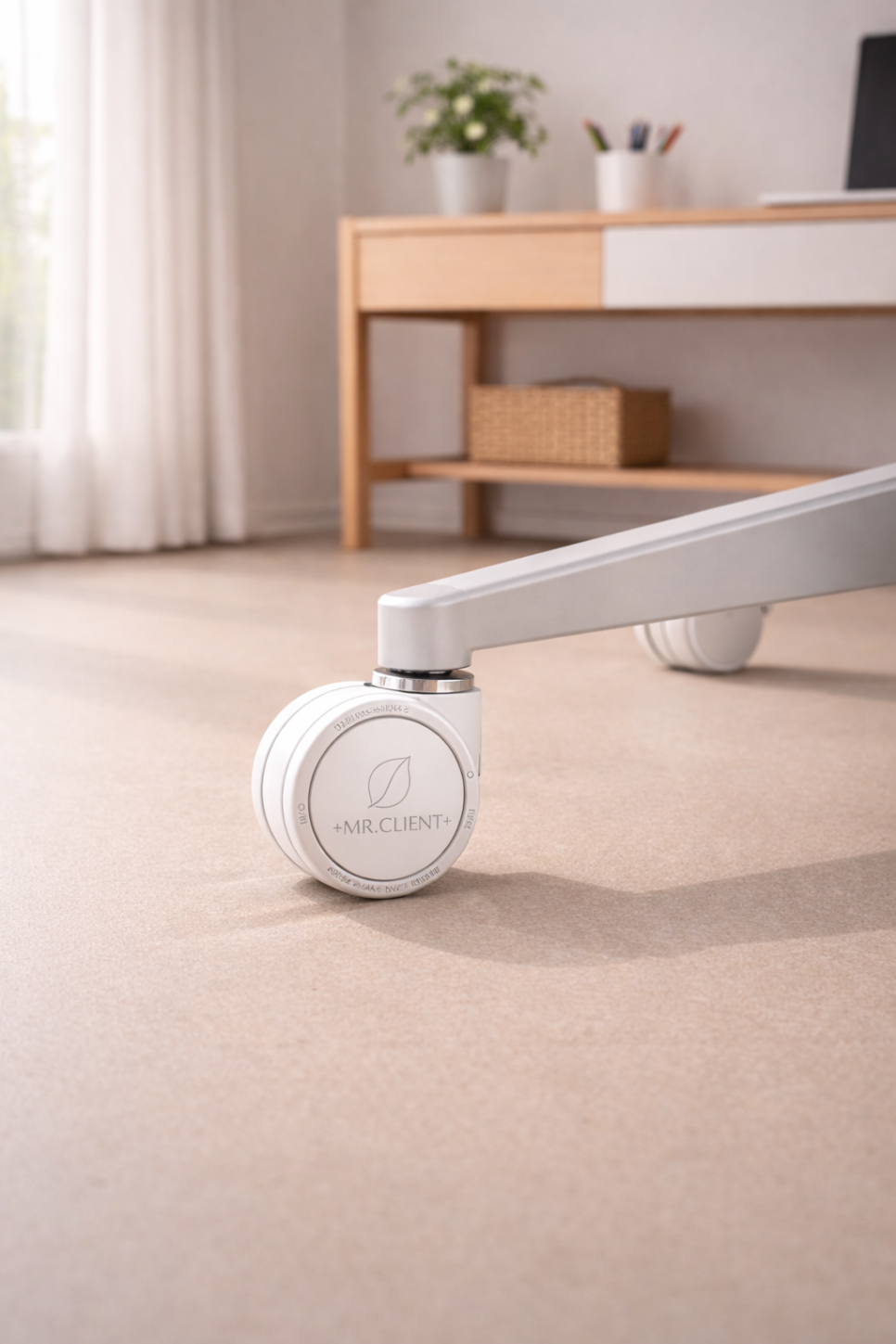
Choosing Casters by Floor Type
Laminate Flooring
Laminate is common but surprisingly sensitive to surface scratches. Repeated rolling over the same paths can create visible wear patterns, subtle shine differences, and micro-scratches.
Best choice: Soft-contact PU casters or rubber-coated wheels. These materials cushion impact, reduce noise, and provide smoother rolling without damaging the surface.
Hard plastic casters, by contrast, create more noise and harsher friction on laminate surfaces.
Hardwood Flooring
Real hardwood requires even more care than laminate. Depending on the finish and wood hardness, hardwood floors are vulnerable to dents, pressure marks, and accumulated scratches.
Recommended approach:
Use soft-material casters
Keep wheels clean
Avoid repeated pivoting in the same spot
Consider a chair mat for high-use areas
For hardwood floors, caster selection is critical, but usage habits matter just as much.
Tile, Stone, and Marble Floors
Hard surface floors like tile are durable, but they amplify noise. The rolling sound and vibration transmit clearly through these materials, making acoustics a bigger concern than damage.
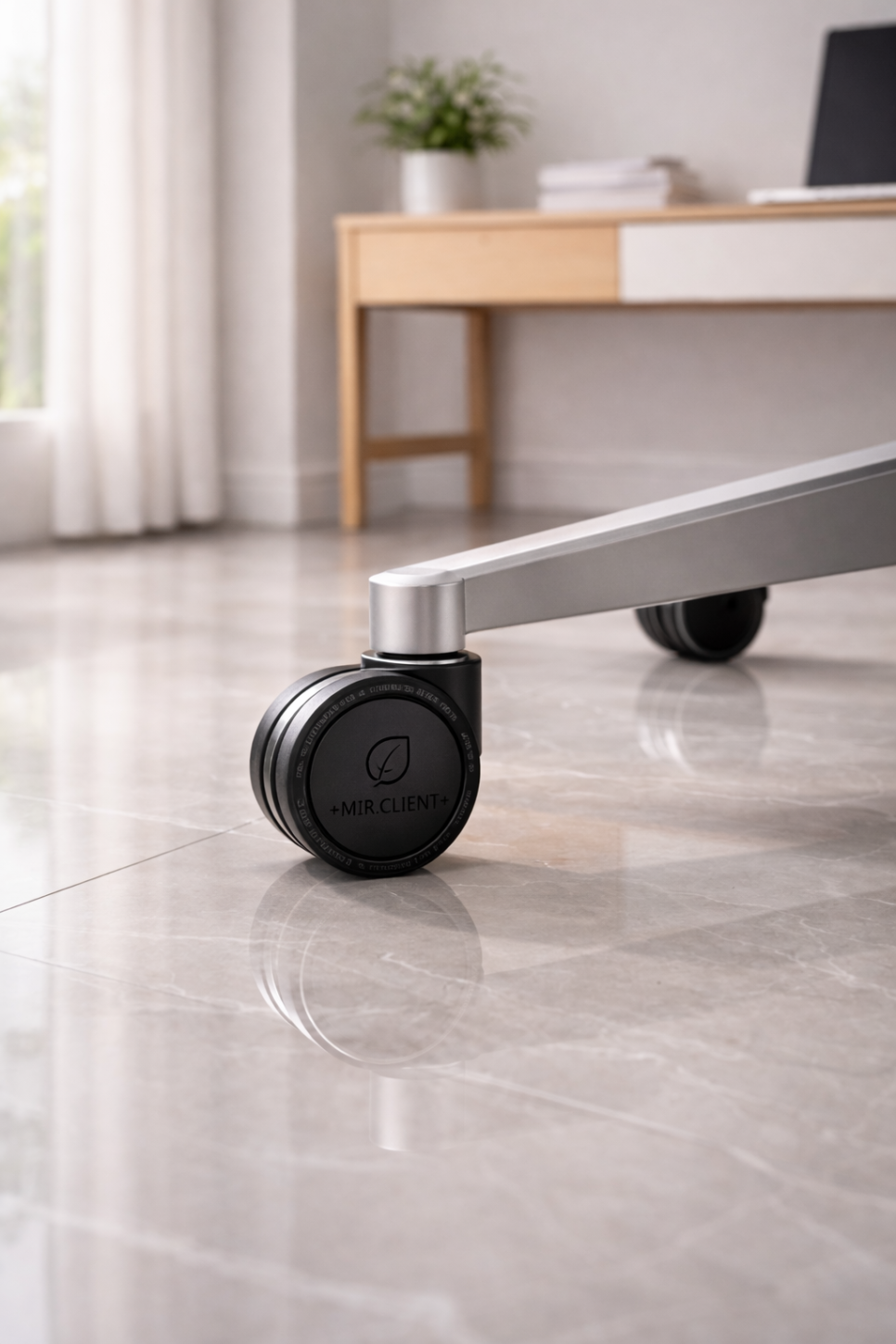
Best choice: Quiet-rolling PU wheels or soft-coated casters with stable rotation. Avoid overly light, fast-spinning casters that create excessive noise.
This is especially important in shared offices, coworking spaces, or study areas where quiet matters more than floor protection.
Carpet and Rugs
Carpet presents the opposite challenge. The issue isn't scratching—it's mobility. Soft casters sink into carpet fibers, making movement heavy and difficult.
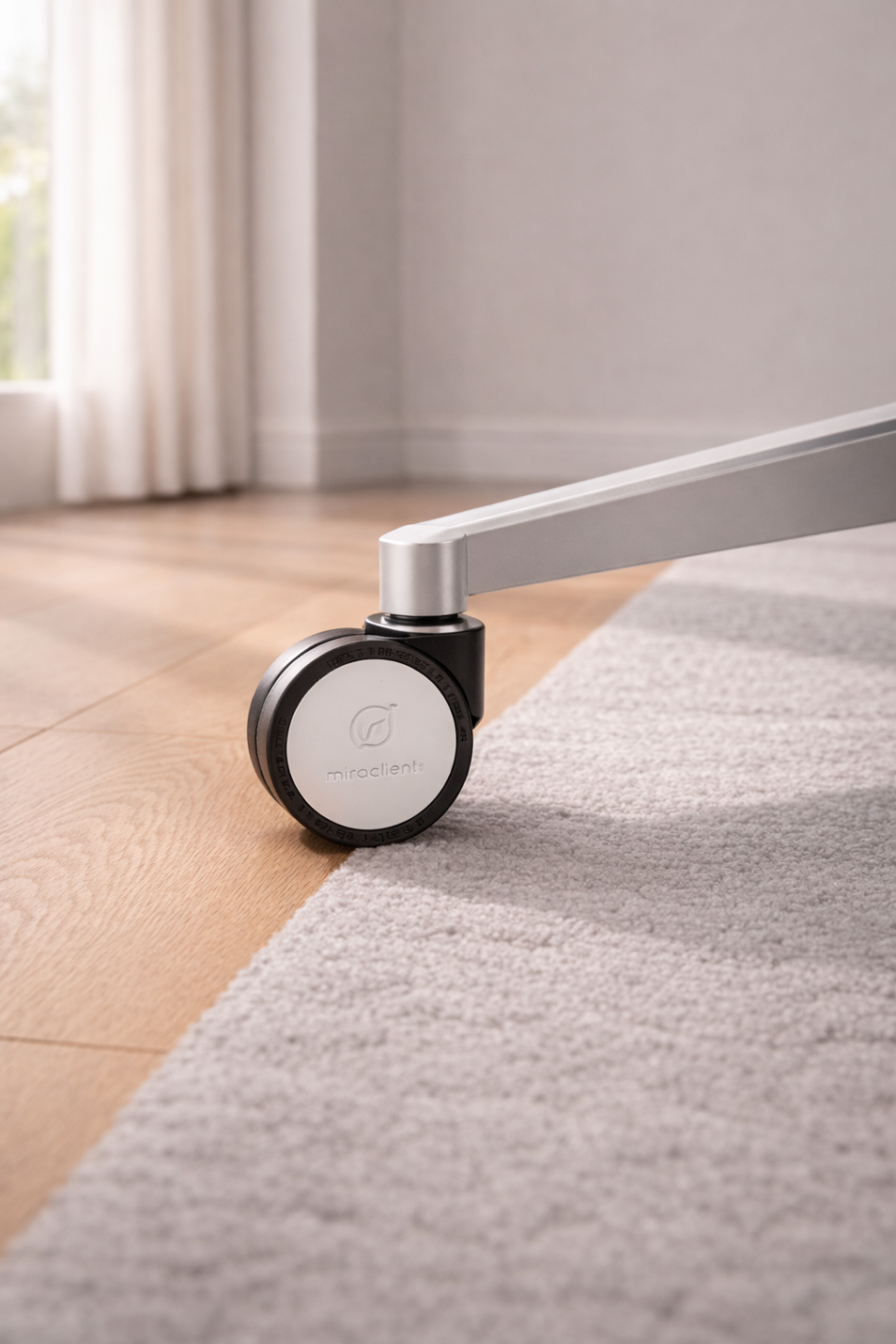
Best choice: Firmer, hard-surface casters designed for carpet use. These roll more easily over pile without getting bogged down.
The thicker the carpet, the greater the resistance—and the more important it is to use casters optimized for rolling efficiency rather than floor protection.
Quick Reference Guide
For laminate / hardwood / vinyl / tile:
Use soft-surface hard floor casters
PU or rubber-coated types work well
Prioritize quiet operation and smooth rolling
For carpet and rugs:
Use firmer casters designed for soft floors
Choose wheels that resist sinking and roll easily
Prioritize mobility over floor protection
Universal best practices (all floor types):
Clean casters regularly to remove debris
Replace worn wheels promptly
Minimize repetitive pivoting in tight spaces
Use a chair mat on sensitive floors
How to Minimize Floor Damage
If protecting your floor is a priority, follow this practical sequence:
Match casters to your floor type: Use the chart above as your starting point
Check caster hardness: Avoid materials significantly harder than your flooring
Inspect and clean regularly: Remove hair, dust, and debris from wheels and axles
Use a chair mat on delicate floors: Especially for hardwood and high-use areas
This is particularly important if you have laminate or hardwood at home, work in a shared office where floor condition matters, or need a quiet environment in a study room or creative workspace.
Final Thoughts
Chair casters aren't just a "rolling component"—they directly affect floor condition, noise levels, and comfort throughout your workday.
The right caster-floor pairing can eliminate scratches, reduce noise, and make your chair feel noticeably better. If your floor has been a constant worry, inspect your casters before shopping for a new chair. Sometimes a small change makes all the difference in both floor protection and user experience.
Whether you're sitting in a Herman Miller Aeron, Steelcase Leap V2, or any other ergonomic chair, the casters you choose will shape your daily experience as much as the chair itself.

Furniblog may earn a commission from links in this post, at no extra cost to you. See our affiliate disclosure.