Best Chairs for Herniated Discs and Neck Pain: An Ergonomic Guide
Sitting 8 hours a day? The right chair can help protect your spine.
By the Furniblog Editorial Team·August 3, 2026·3 min read
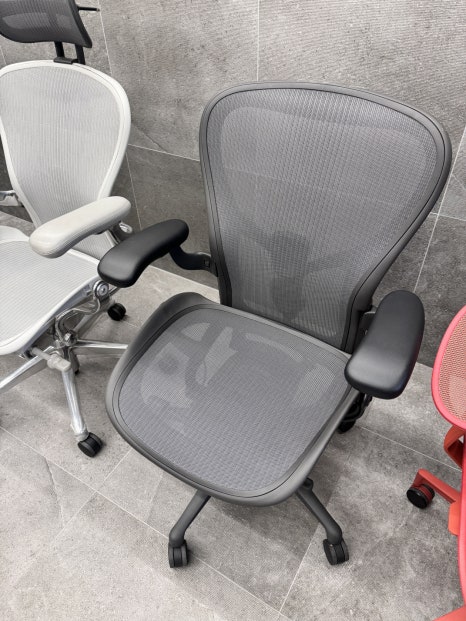
The Hidden Cost of Sitting All Day
If you spend most of your workday in a chair, you're not alone. According to national health statistics, the average office worker sits for around 8 hours per day—men average 8 hours, while women sit approximately 7.8 hours daily. That's more than a third of your life spent in a seated position.
Prolonged sitting isn't just uncomfortable—it's a genuine health concern. Extended periods in a chair compress blood vessels and internal organs, contributing to a range of health issues. One of the most serious consequences is the increased risk of spinal disc problems, including herniated discs in both the lumbar (lower back) and cervical (neck) regions.
Why the Right Chair Matters for Disc Health
When you sit, especially with poor posture, your spine bears significantly more load than when you're standing. This pressure can accelerate disc degeneration and exacerbate existing conditions. The key to mitigating this risk isn't just sitting less—though standing breaks certainly help—but ensuring that when you do sit, your chair actively supports proper spinal alignment.
An ergonomic chair designed with spinal health in mind can:
Provide strong lumbar support to maintain the natural curve of your lower back
Support cervical (neck) alignment to reduce strain on upper spine
Encourage upright posture without forcing stiffness
Distribute pressure evenly to reduce compression on discs
Allow dynamic movement to prevent static loading
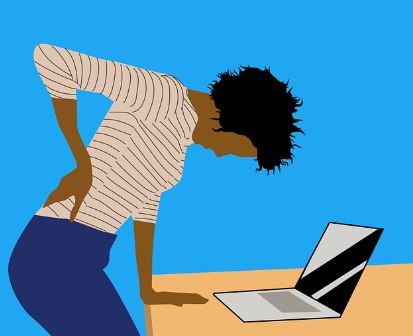
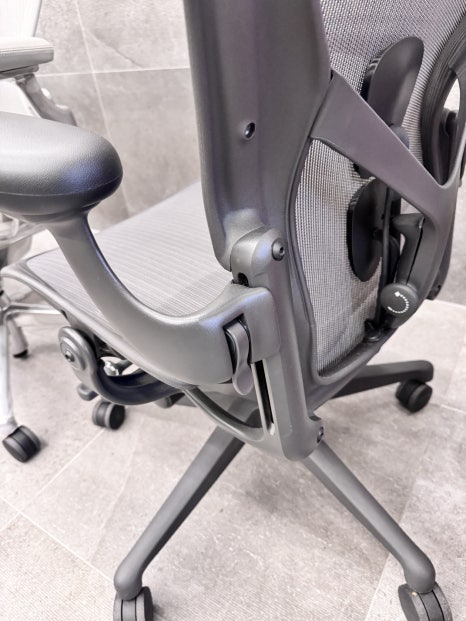
Recommended Chair: Herman Miller Aeron
One standout option for disc-related concerns is the Herman Miller Aeron. This iconic chair has earned its reputation through decades of ergonomic excellence.
The Aeron's design specifically addresses spinal health:
Cervical support: The chair's PostureFit SL mechanism provides adjustable lumbar and sacral support that helps maintain proper spinal curvature from your lower back through your neck
Ergonomic design: Every element—from the breathable mesh that reduces pressure points to the adjustable armrests—works together to promote healthy sitting
Strong lumbar reinforcement: The support system actively holds your lower back in proper position during extended sitting sessions
Posture assistance: Rather than letting you slouch, the chair's design encourages and supports an upright, spine-friendly position
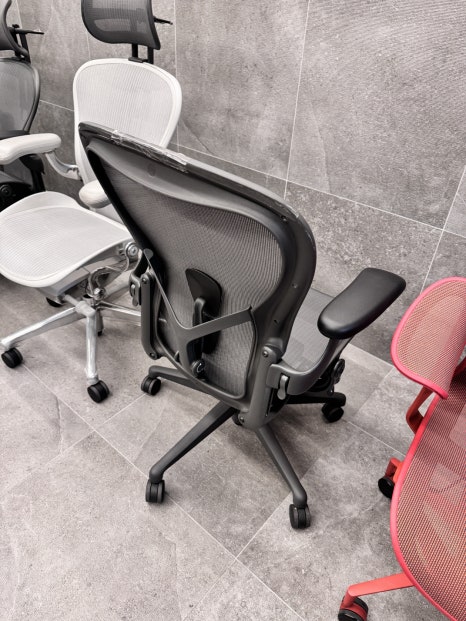
Other Premium Ergonomic Options
While the Aeron is an excellent choice, it's not the only chair designed to protect your spine. Other high-quality ergonomic chairs worth considering include:
Steelcase Leap V2 – features LiveBack technology that changes shape to mimic and support the movement of your spine
Humanscale Freedom – offers weight-sensitive recline and integrated lumbar support
Haworth Zody II – includes asymmetrical lumbar adjustment and pelvic support to promote proper posture
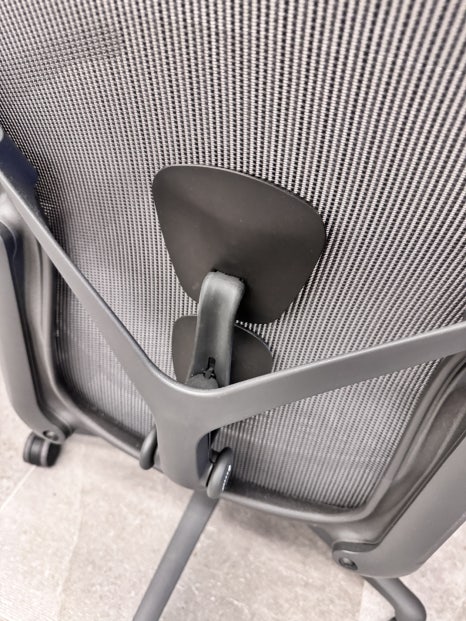
Try Before You Buy
When it comes to preventing or managing disc issues, personal fit matters enormously. What works perfectly for one person may not suit another's body type, existing conditions, or sitting habits.
If possible, visit a showroom where you can test multiple premium ergonomic chairs side by side. Spending time in each chair—not just a quick sit, but 15-20 minutes to really feel how it supports your body—can reveal important differences that aren't obvious from specifications alone.
Compare how each chair supports your lumbar curve, whether the seat depth suits your leg length, how the backrest aligns with your spine, and whether adjustments are intuitive and effective for your needs.
Investing in Your Spinal Health
Premium ergonomic chairs represent a significant investment, but consider the alternative: chronic pain, reduced productivity, medical treatments, and potentially serious spinal conditions that could affect your quality of life for years to come.
If you're already experiencing disc-related symptoms—pain, numbness, tingling, or weakness—consult with a healthcare provider about your specific situation. The right chair can be an important part of managing and preventing progression, but it should complement appropriate medical care, not replace it.
Your spine supports you every day. Choosing a chair that returns the favor is one of the smartest investments you can make in your long-term health and comfort.

Furniblog may earn a commission from links in this post, at no extra cost to you. See our affiliate disclosure.