Best Ergonomic Office Chairs for Neck Pain, Shoulder Tension, and Lower Back Issues
Expert recommendations for ergonomic seating that addresses common pain points
By the Furniblog Editorial Team·August 3, 2026·4 min read
Why Your Office Chair Matters for Pain Relief
If you're dealing with forward head posture (often called "tech neck"), chronic shoulder tension, or lumbar disc issues, your office chair isn't just about comfort—it's a critical tool for managing and preventing pain. The right ergonomic seating can provide the postural support your body needs during long work sessions, while a poorly designed chair can exacerbate existing problems.
Fortunately, advances in ergonomic design have produced chairs specifically engineered to address these common musculoskeletal complaints. Let's explore what makes a chair effective for pain relief and highlight some top recommendations.
What to Look for in a Chair for Neck and Back Pain
Lumbar Support That Actually Works
Proper lumbar support is non-negotiable if you're dealing with lower back issues or herniated discs. Look for chairs with adjustable lumbar mechanisms that let you dial in the exact depth and height of support your spine needs. The best designs provide dynamic support that moves with you rather than forcing you into a single rigid posture.
Neck and Upper Back Relief
For tech neck and shoulder pain, consider chairs with adjustable headrests and designs that encourage an open shoulder position. High-back models generally provide better upper body support than mid-back alternatives.
Adjustability Is Key
The most therapeutic chair is one that fits your body. Seek out models with extensive adjustment options: seat height and depth, armrest height and width, recline tension, and tilt lock positions all contribute to a personalized fit.
The Herman Miller Aeron: A Modern Classic
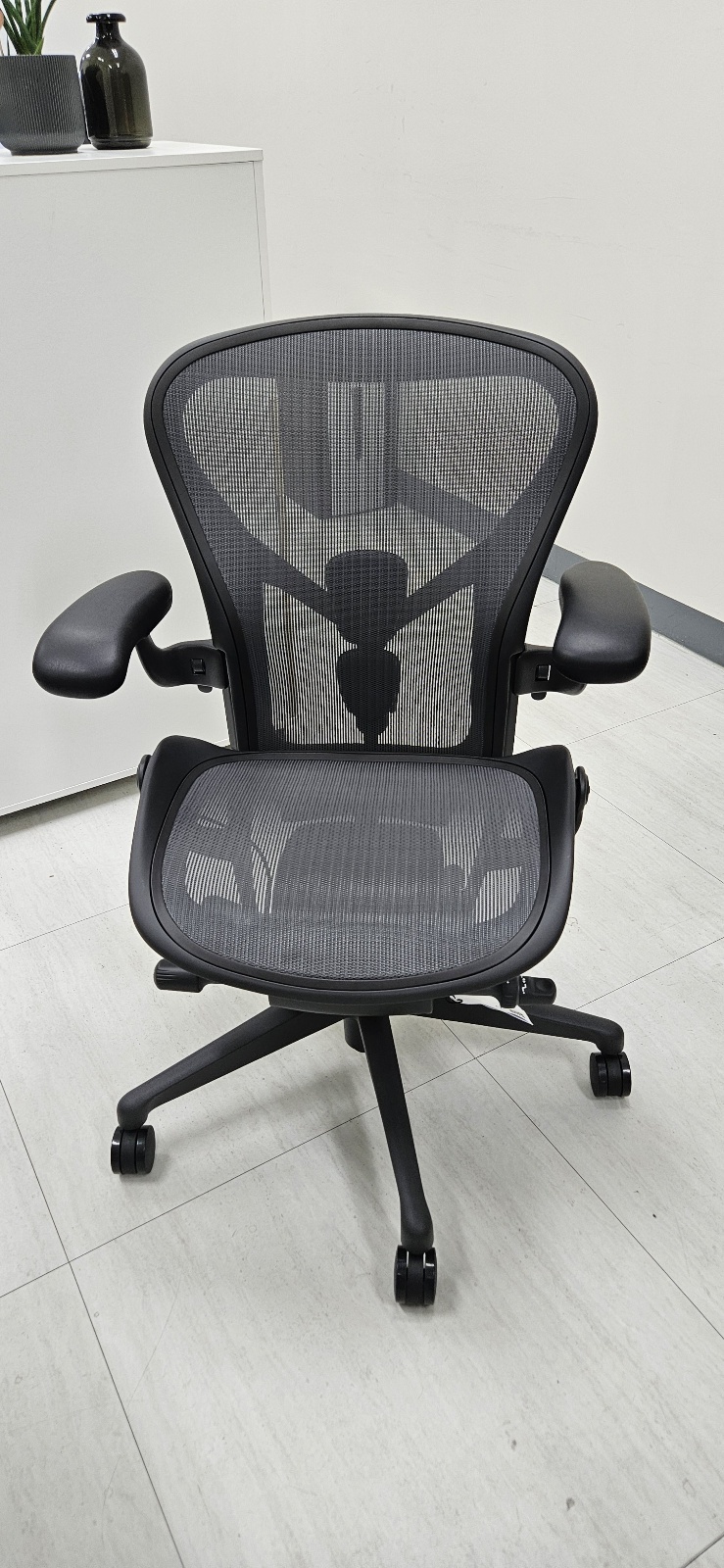
When discussing ergonomic office chairs for pain relief, it's impossible not to mention the Herman Miller Aeron. Since its launch in 1994, this iconic design has become one of the best-selling office chairs in the world—with good reason.
The Aeron's PostureFit SL lumbar system provides targeted sacral and lumbar support, crucial for those with disc issues. Its breathable mesh eliminates pressure points, while the kinematic tilt allows natural movement throughout your workday. The chair's reputation isn't just hype: it represents over two decades of refinement in ergonomic seating design.
With reported sales of approximately seven chairs per second globally, the Aeron has earned its status as a premium solution for workplace ergonomics.
Other Top Ergonomic Chairs for Pain Management
Herman Miller Embody
The Herman Miller Embody takes a different approach, with a pixelated support system that automatically conforms to your spine's natural curve. It's particularly effective for people who shift positions frequently, as it provides consistent support across a range of postures.
Steelcase Gesture
If you work across multiple devices or change postures throughout the day, the Steelcase Gesture is designed specifically for the way we work now. Its 360-degree armrests and responsive back support accommodate everything from tablet reading to keyboard-intensive work.
Steelcase Leap V2
The Steelcase Leap V2 features LiveBack technology that changes shape to mimic and support the movement of your spine. Its highly adjustable lumbar support makes it a strong choice for lower back pain sufferers.
Humanscale Freedom
For those who prefer minimal manual adjustment, the Humanscale Freedom automatically adapts to your body weight and recline preferences. Its headrest option provides excellent neck support for those dealing with cervical issues.
Experience Before You Buy
While specifications and reviews provide valuable guidance, there's no substitute for sitting in a chair yourself. Ergonomic needs are highly individual—what works perfectly for one person may not suit another's body type or specific pain patterns.
If possible, visit a showroom where multiple high-end ergonomic chairs are available for comparison testing. Spend at least 15–20 minutes in each chair, adjusting the controls and simulating your typical work postures. Pay attention to how your body feels: Does your lower back feel supported? Can your shoulders relax? Is your neck in a comfortable, neutral position?
The investment in a quality ergonomic chair is significant, but for those dealing with chronic pain, the right chair can be genuinely life-changing—reducing discomfort, improving productivity, and potentially preventing more serious musculoskeletal problems down the line.
Final Thoughts
Managing neck pain, shoulder tension, and lower back problems often requires a multi-faceted approach, but your office chair is one of the most impactful factors you can control. Whether you choose the time-tested Herman Miller Aeron or another premium ergonomic model, prioritize proper support, extensive adjustability, and most importantly, how the chair feels for your specific body and pain points.
Remember: the best ergonomic chair is the one you'll actually use correctly. Take time to learn your chair's adjustment features and fine-tune them to your needs. Your neck, shoulders, and back will thank you.

Furniblog may earn a commission from links in this post, at no extra cost to you. See our affiliate disclosure.