Can a $2,000 Herman Miller Aeron Really Cure Your Herniated Disc?
The truth about high-end ergonomic chairs and what they actually do for your back
By the Furniblog Editorial Team·July 31, 2026·5 min read
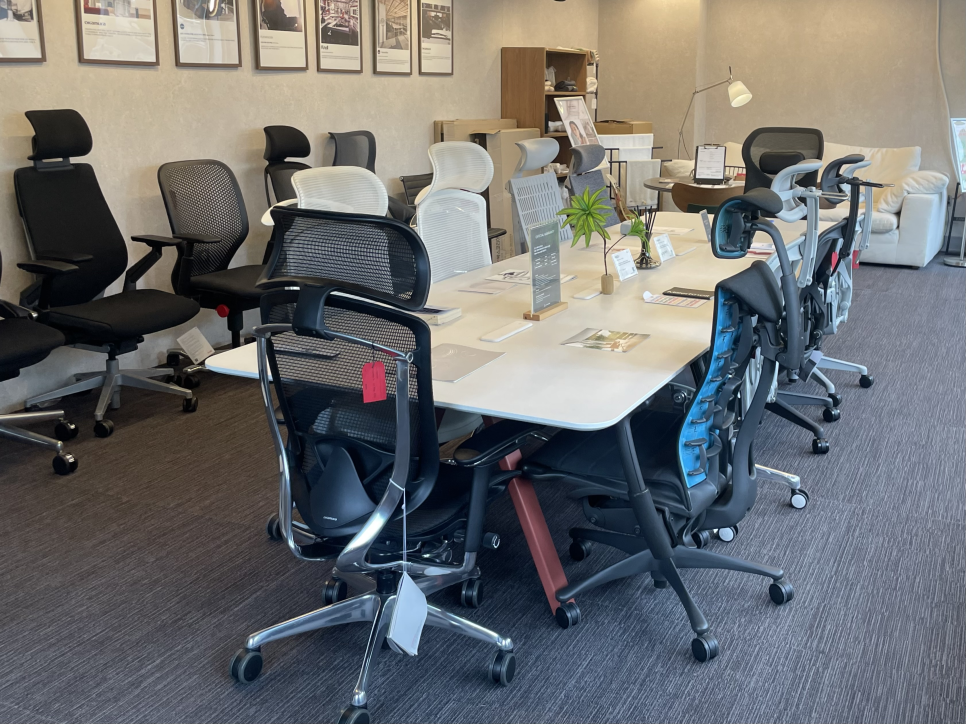
The Myth That a High-End Chair Will Heal Your Back
Can a $2,000 office chair cure your herniated disc? The honest answer is no. But that doesn't mean investing in a premium ergonomic chair is pointless. There are clear, evidence-based reasons to use one—and understanding what these chairs actually do (versus what marketing promises) can help you make a smarter decision.
Let's start with the facts: office chairs are not medical devices. No chair—no matter how expensive—can reverse structural damage to your intervertebral discs. A herniated disc involves a tear in the fibrous outer ring and protrusion of the inner nucleus pulposus. That's a medical condition requiring physical therapy, medication, and in some cases, injections or surgery. Changing your chair won't fix it.
If a salesperson suggests otherwise, be wary. Claims like "this chair will cure your herniated disc" border on false advertising. What a good chair actually does is reduce the mechanical load that aggravates pain—not treat the underlying injury.
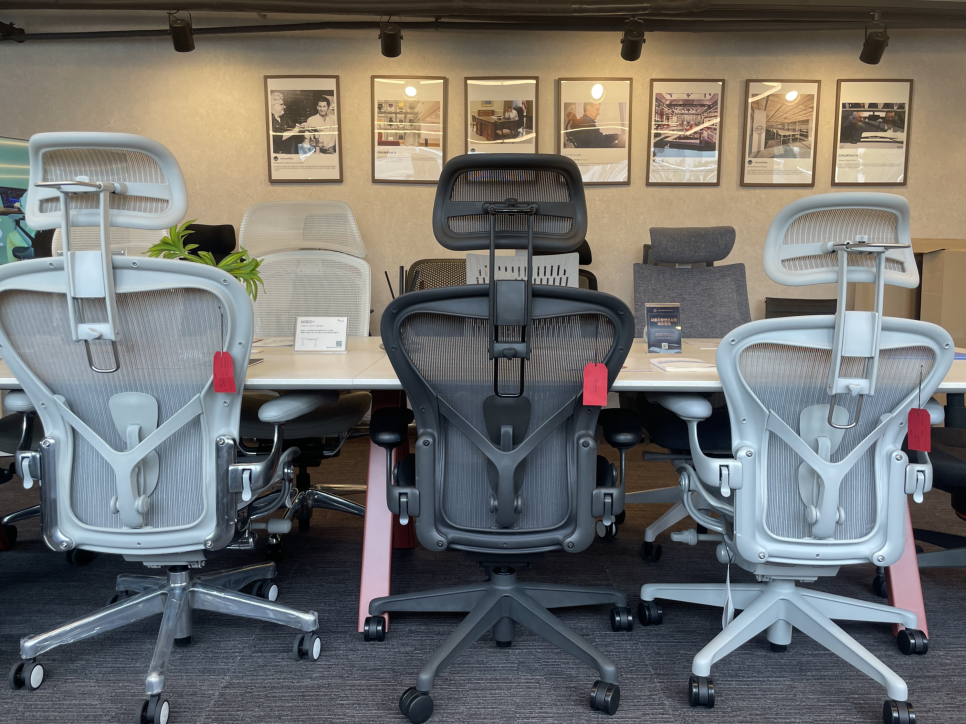
So Why Do Doctors Recommend Good Chairs?
If chairs don't heal injuries, why do orthopedic specialists emphasize posture and seating? The answer lies in load management, not treatment. It's about minimizing the pressure on your spine and discs during the hours you sit each day.
When you sit, your pelvis tilts backward (posterior pelvic tilt), flattening or reversing the natural inward curve of your lumbar spine (lordosis). This posture shifts pressure toward the posterior part of the intervertebral disc—precisely where most herniations occur.
High-end chairs like the Herman Miller Aeron address this problem with three key features:
Lumbar Support
When the backrest supports your natural lumbar curve, it reduces posterior pelvic tilt and redistributes pressure away from the vulnerable back portion of the disc. The Aeron's PostureFit mechanism and the Okamura Sylphy's lumbar support are designed for exactly this purpose.
Pressure Distribution
Standard foam cushions concentrate weight on two points—your ischial tuberosities (sitting bones). Mesh designs like the Aeron's Pellicle use tension to spread your weight across the entire contact surface, reducing localized pressure, restricted blood flow, and numbness.
Dynamic Support
When the backrest angle, tilt tension, and armrests respond to your movements, they reduce static loading—the prolonged strain on muscles and ligaments that contributes to myofascial pain and chronic stiffness. Movement throughout the day prevents any one posture from becoming a long-term burden.
The Science: What Research Says About Sitting and Spinal Pressure
This isn't marketing spin—it's grounded in decades of biomechanical research. Here are three landmark studies:
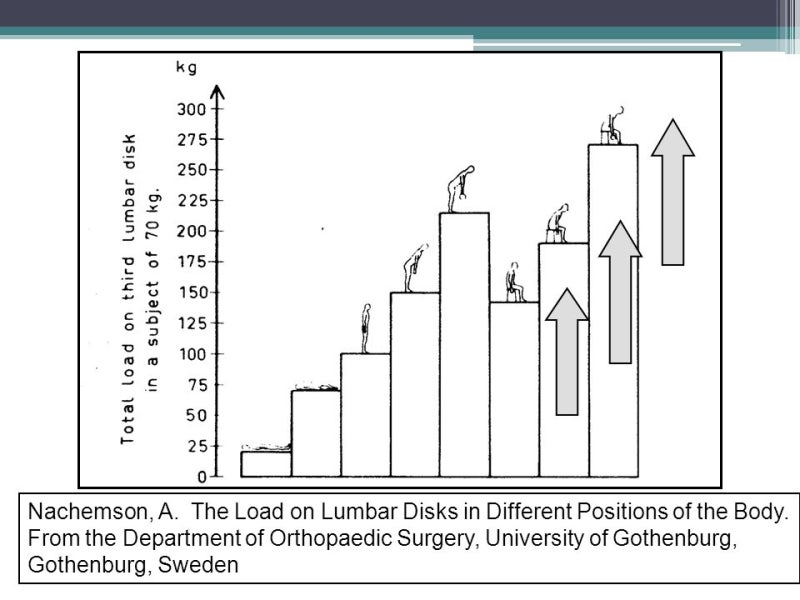
Nachemson's Intradiscal Pressure Study (1966)
Swedish orthopedic surgeon Alf Nachemson directly measured pressure inside living human lumbar discs using implanted sensors. He found that sitting upright without back support increased intradiscal pressure more than standing. Reclining the backrest and adding lumbar support both reduced pressure. This study remains one of the most-cited foundations for modern office chair design.
Andersson's Follow-Up Research (1974)
Building on Nachemson's work, Gunnar Andersson systematically tested combinations of backrest angle and lumbar prominence. His findings confirmed that moderate recline combined with lumbar support produced the lowest disc pressure—validating the "tilt + lumbar support" design principle used in nearly every premium task chair today.
McGill's Cumulative Load Theory
Stuart McGill, a spine biomechanics researcher at the University of Waterloo, showed that disc damage often results not from a single traumatic event but from repeated, cumulative micro-loading over time. From this perspective, a chair's role isn't to eliminate pain in the moment—it's to reduce the total load accumulated over 8–10 hours of sitting each day.
Note: This article presents general ergonomic research for informational purposes and is not a substitute for medical advice. If you experience back pain, consult an orthopedic or neurosurgery specialist.
How to Actually Use a High-End Chair Correctly
Even the best chair loses most of its benefit if you don't adjust it properly. Here's how to set yours up:
Position the Lumbar Support to Match Your Curve
Don't just adjust the height and call it done. Sit all the way back against the backrest and feel with your hand whether the lumbar pad contacts the inward curve of your lower back. If it doesn't, adjust the depth or height until it does.
Set the Tilt Tension to Your Body Weight
If the tension is too tight, the backrest won't move and you'll end up in a static posture. If it's too loose, you'll lose support and may tip backward unexpectedly. Lean back gently and adjust until the chair provides resistance but still reclines smoothly.
Change Positions Every 30–40 Minutes
This is the simplest way to apply McGill's cumulative load theory. No matter how good the support, holding any single posture for three hours straight will still accumulate static strain. Shift your posture, stand briefly, or walk a few steps regularly throughout the day.
Chairs like the Kokuyo Ing, with its 360-degree gliding seat, encourage micro-movements automatically, but conscious posture variation is still key.

The Bottom Line
A premium ergonomic chair won't heal a herniated disc. But it will reduce the daily mechanical stress that worsens pain, fatigues muscles, and contributes to long-term degeneration. The difference between a $2,000 chair and a $200 one isn't about cure—it's about how well the chair manages spinal load, distributes pressure, and supports healthy movement over thousands of hours.
If you're serious about long-term back health and spend significant time sitting, investing in a well-designed chair—and learning to adjust it properly—is one of the most effective preventive steps you can take.
Try before you buy. Visit a showroom where you can test lumbar positioning, tilt tension, and overall fit with expert guidance. Your spine will thank you—not because the chair is a miracle cure, but because it does exactly what good engineering is supposed to do: reduce unnecessary strain, day after day.

Furniblog may earn a commission from links in this post, at no extra cost to you. See our affiliate disclosure.