Can You Use a High-End Mesh Chair with Pets? A Guide for Cat and Dog Owners
How to choose and protect premium office chairs in homes with claws, fur, and scratching
By the Furniblog Editorial Team·July 14, 2026·5 min read
The $2,000 Question: Can High-End Chairs and Pets Coexist?
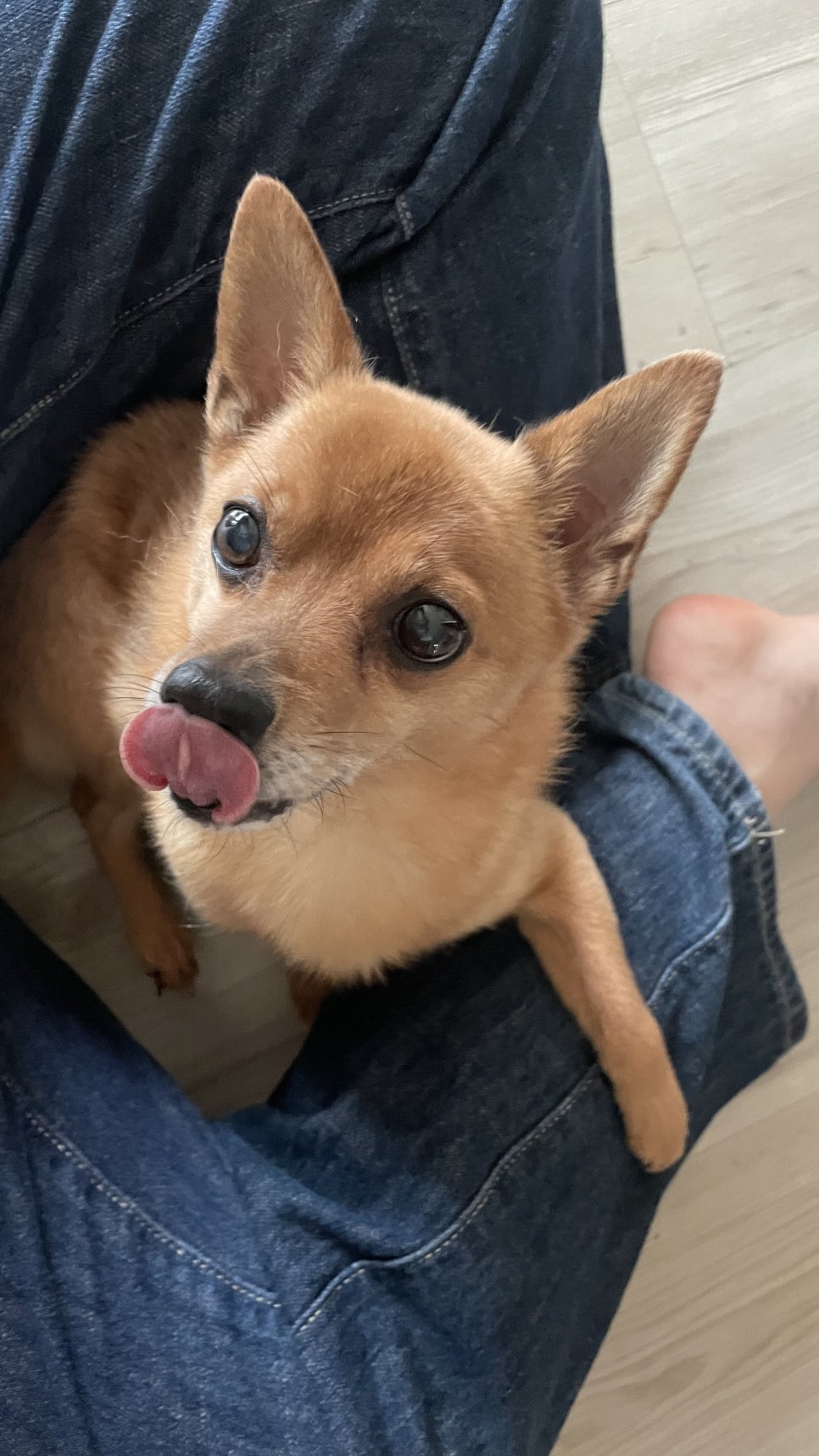
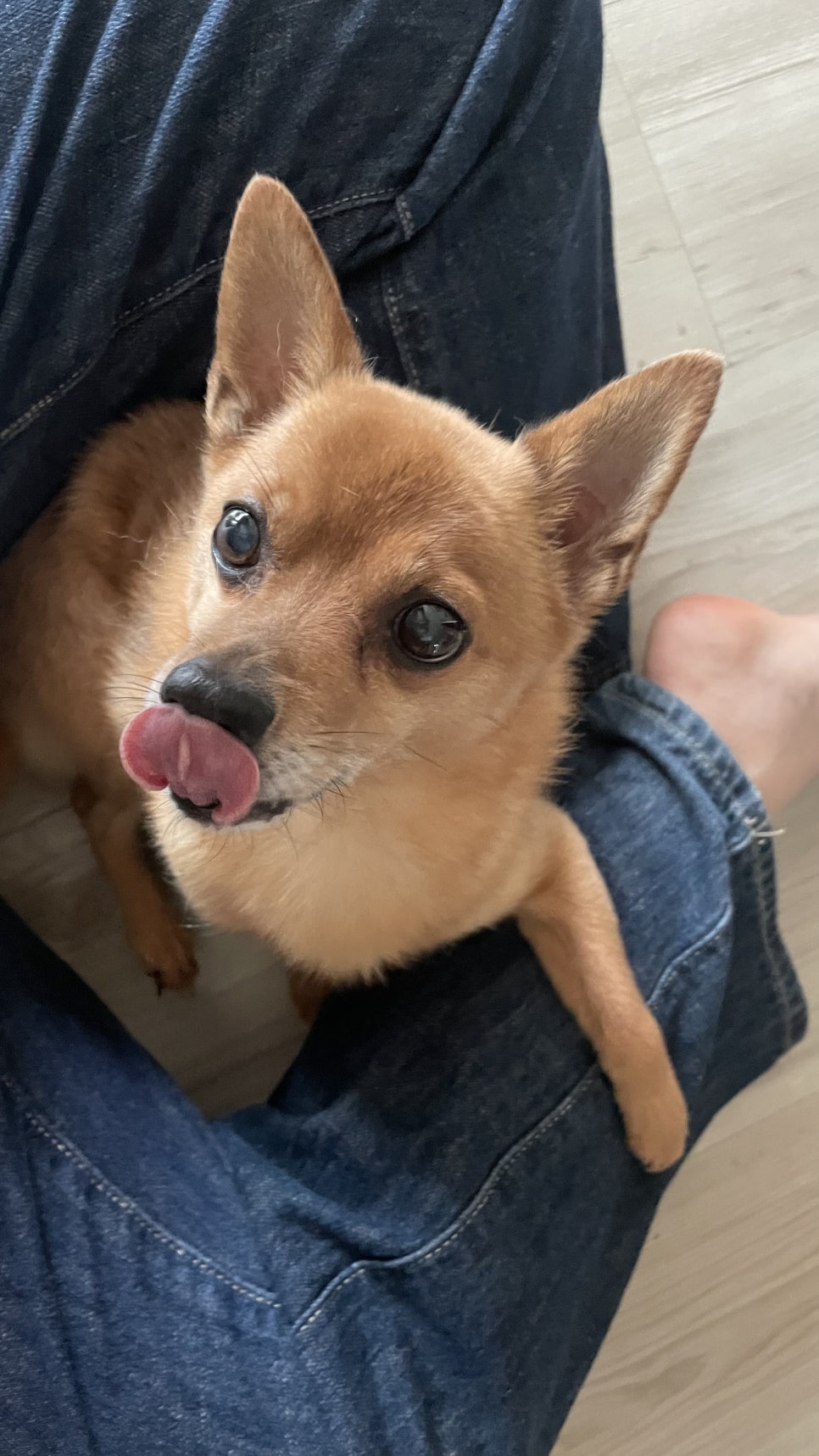
If you work from home with a cat or dog, you've probably had this nightmare: your pet's claws tearing into the mesh of your brand-new premium ergonomic chair. Or perhaps you've watched helplessly as fur accumulates in every crevice during shedding season.
As someone who shares an office with a fluffy dog, I understand the dilemma completely.
The good news? High-end chairs and pets aren't mutually exclusive. With the right material choice and some preventive habits, you can significantly reduce the risk. This guide breaks down how mesh, fabric, and leather perform in pet households, and which models from Herman Miller, Okamura, Itoki, Kokuyo, and Knoll offer the best odds of survival.
Material Showdown: Mesh vs. Fabric vs. Leather Against Claws
Each material responds differently to cat claws. "Expensive equals durable" doesn't always hold true when pets are involved.
Open Mesh: Proceed with Caution
Claw resistance: Low
Breathability: Excellent
Cleaning difficulty: Moderate
Standard open mesh uses a loose weave structure where warp and weft threads interlace with gaps between them. When a claw snags, entire threads can pull out. Cats actually prefer mesh and foam as scratching surfaces.
However, not all mesh is created equal. Weave density varies significantly between brands, and this directly impacts real-world durability. We'll compare specific models in detail below.
Fabric: The Middle Ground
Claw resistance: Moderate to high
Breathability: Moderate
Cleaning difficulty: More labor-intensive
Tightly woven, high-density fabrics offer less opportunity for claws to penetrate compared to open mesh. The trade-off? Fur embeds deeply between fibers. The tighter and smoother the weave, the easier maintenance becomes.
Leather / PU Leather: Most Stable
Surface scratch resistance: High
Breathability: Low
Cleaning difficulty: Easiest
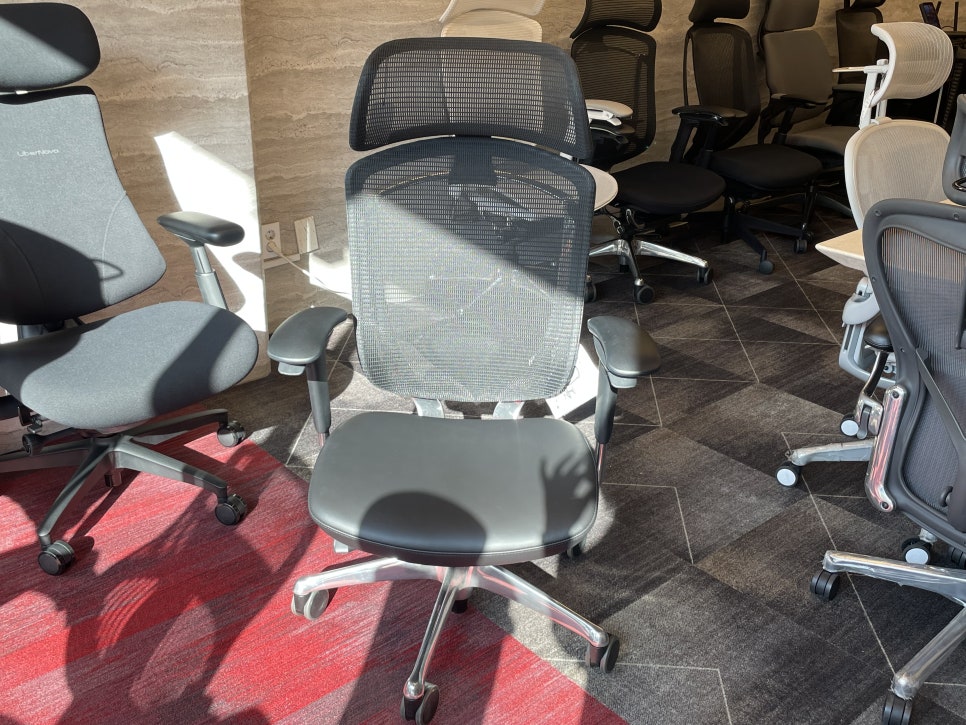
Leather's biggest advantage is that fur doesn't stick, and you can wipe it clean with a damp cloth. The real threat isn't surface scratches but punctures. Thin bonded leather can crack or peel under repeated claw pressure, while thick, premium full-grain or high-density PU leather proves far more resilient long-term. In online communities, pet owners consistently recommend the Okamura Contessa II in leather configuration for this reason.
Material-Specific Fur Management and Cleaning
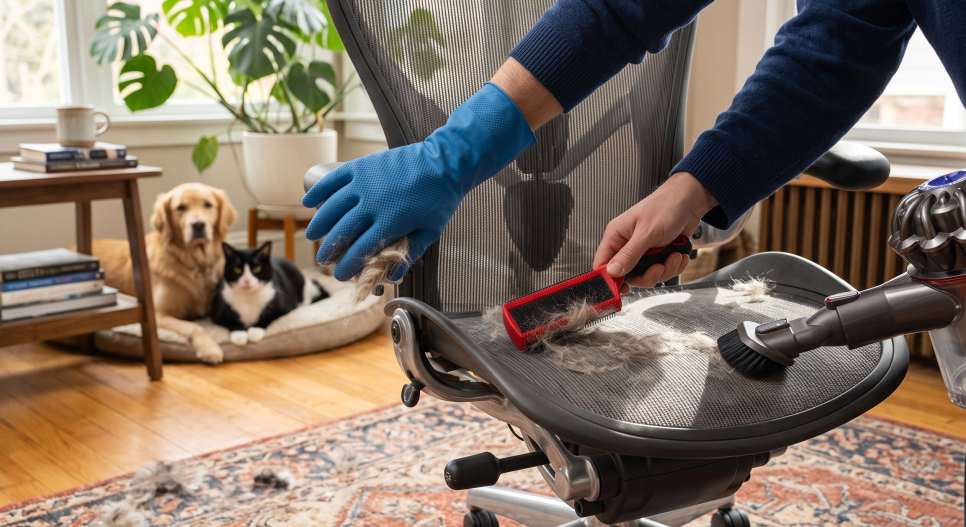
Claws may be dramatic, but the daily battle is really about fur. Different materials demand different maintenance routines.
Material | Recommended Method | Avoid |
|---|---|---|
Mesh | Use a rubber glove or Velcro-style pet brush to sweep along the grain. Follow up with a vacuum using a soft brush attachment. | Sharp or metal brushes—these can snag and damage mesh threads further. |
Fabric | Use a rubber pet hair remover to clump fur, then remove. Apply anti-static spray to prevent reattachment. | Excessive water cleaning—moisture can penetrate foam cushioning, causing slow drying and odors. |
Leather | Wipe with a dry microfiber cloth first. For stains, use diluted neutral detergent, then dry completely. Apply leather conditioner twice yearly. | Alcohol-based cleaners—these dry out the coating and increase cracking risk. |
For stubborn stains or organic accidents, enzyme cleaners work well, but use them sparingly on PU leather as frequent application can gradually degrade the coating.
Premium Chair Claw Resistance Tier List
Here's how popular high-end models stack up for pet households, based on material structure and user experience rather than lab testing alone.
S Tier: Best Protection
Itoki ACT2 · Okamura Contessa II (Leather)
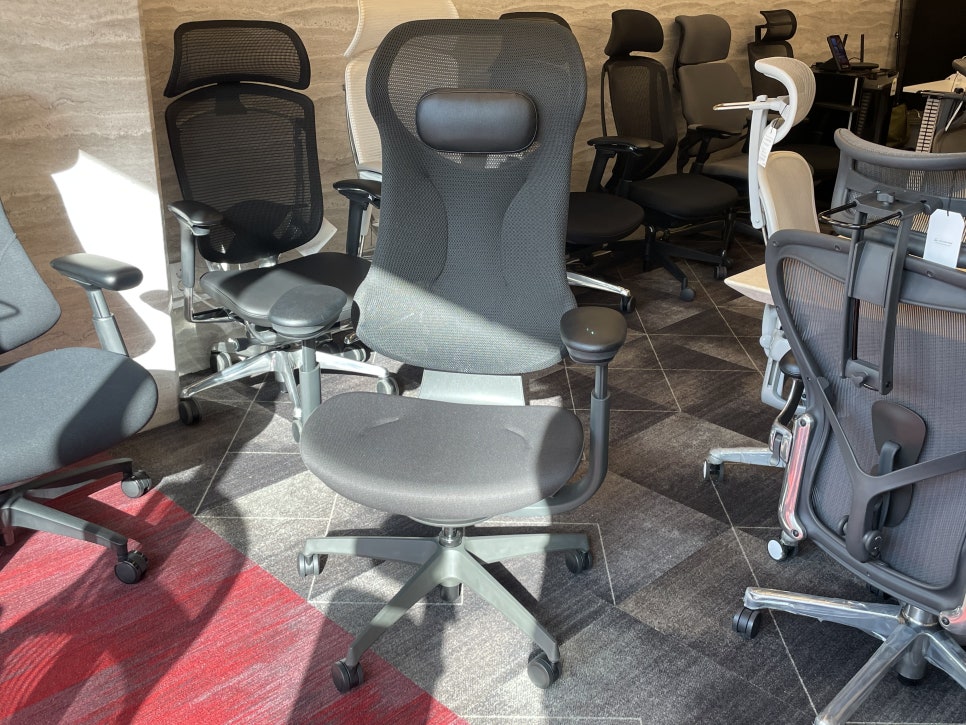
The ACT2's seat isn't actually open mesh. It uses a two-layer structure combining polyester nonwoven fabric with elastomer, meaning there are no threads to snag—structurally resistant to scratches by design.
The Contessa II offers customizable upholstery options for both seat and backrest: mesh, fabric, or leather. In pet households, the leather configuration consistently ranks as the top recommendation in chair enthusiast communities.
A Tier: Strong Performance
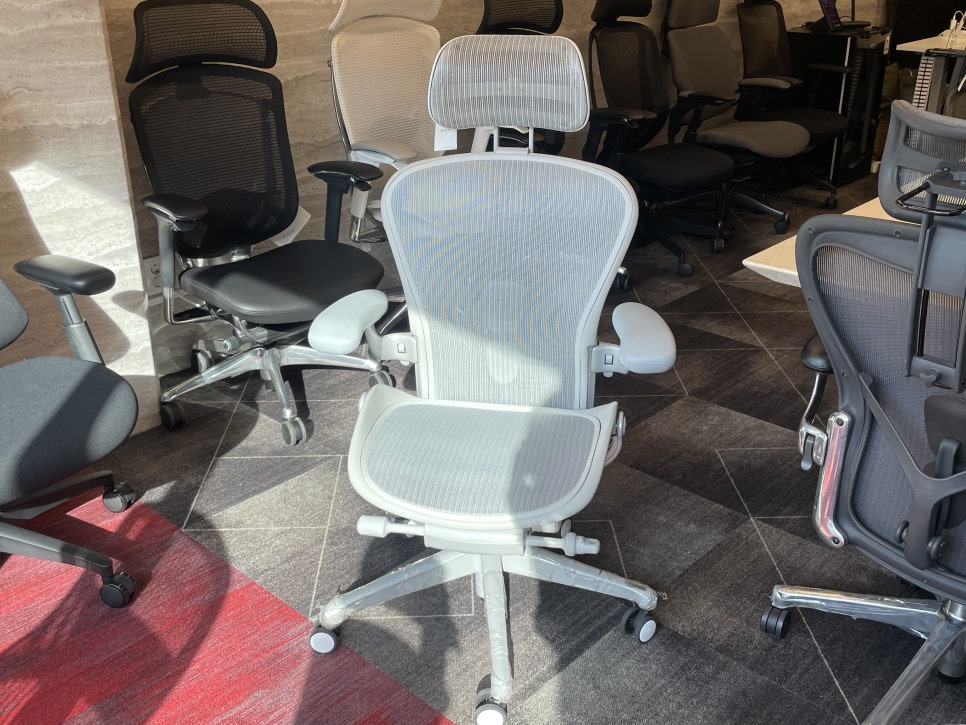
Herman Miller Aeron (8Z Pellicle) · Contessa II (Mesh)
The Aeron's Pellicle is a special high-elasticity synthetic fiber fundamentally different from conventional mesh, with noticeably superior durability. That said, it's not invincible. Some cat owners in online forums have switched from mesh to leather chairs specifically due to claw concerns, so pairing the chair with a nearby scratching post and other preventive measures is still advisable.
B Tier: Requires Extra Care
Kokuyo Ing Cloud and Most Standard Mesh Chairs
These deliver excellent breathability and comfort, but open mesh structure is inherently vulnerable to claws. If summer comfort is non-negotiable, compensate by placing a scratching post next to the chair and covering it when not in use.
Practical Defense Strategies Beyond Material Choice
Even the best material needs good habits to last.
1. Position a Scratching Post Next to Your Chair
Cats climb chairs partly for your scent and the elevated vantage point. A scratching post adjacent to your workspace naturally redirects scratching behavior.
2. Trim Claws Regularly
Trimming your pet's claws every two weeks significantly reduces scratch depth and damage.
3. Use a Cover When Away
After work hours or when you're out, draping even a thin cover over the chair provides meaningful protection, especially for mesh upholstery.
4. Test Materials in Person Before Buying
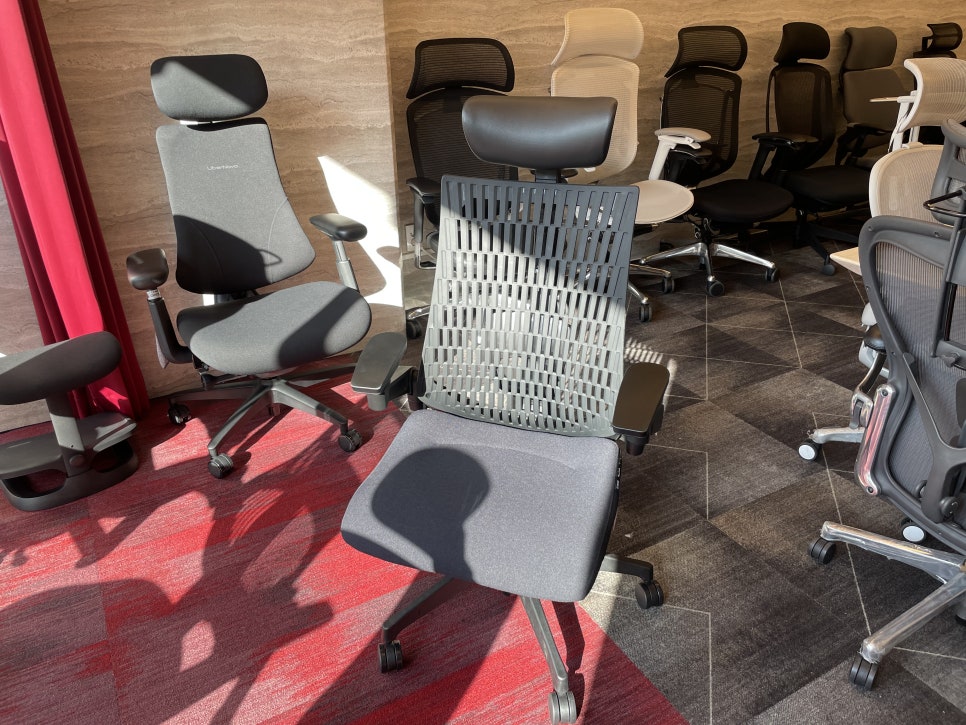
Even within the same brand, weave density and thickness vary between mesh, fabric, and leather options. Photos don't convey claw resistance—touch and inspect materials in a showroom before committing, particularly for a premium investment.
Try Before You Buy
If you're investing in a high-end ergonomic chair and share your home with pets, firsthand material comparison is essential. Showrooms that carry Herman Miller, Okamura, Itoki, Kokuyo, and Knoll typically offer multiple upholstery options side-by-side, and knowledgeable staff can help you assess claw resistance, cleanability, and comfort for your specific situation.
With the right material choice, a few smart habits, and perhaps a strategically placed scratching post, your premium chair and your pet can coexist beautifully for years to come.
Furniblog may earn a commission from links in this post, at no extra cost to you. See our affiliate disclosure.