Chair Investment 101: How Resale Value Makes Premium Office Chairs a Smart Financial Decision
Why high-end ergonomic chairs hold their value—and save you money in the long run
By the Furniblog Editorial Team·July 8, 2026·4 min read
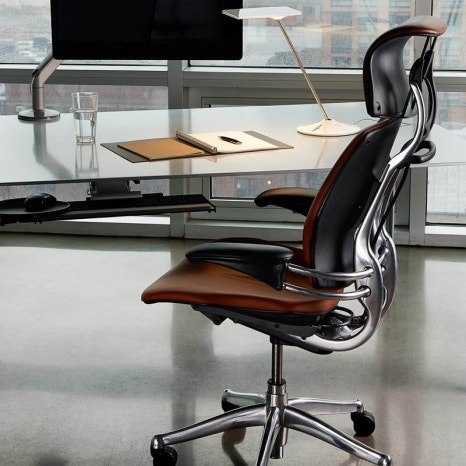
"Two thousand dollars for a chair? Isn't that excessive?"
It's one of the most common objections to buying a premium office chair. But when you look at the economics of ownership—specifically, how well a chair holds its resale value—the equation changes completely.
Just as luxury handbags and certain tech products maintain their worth, high-end office chairs represent a class of furniture that functions more like an asset than a disposable commodity. Let's explore why depreciation rates make premium ergonomic chairs one of the smartest purchases you can make for your workspace.
The Real Cost: Budget Chair vs. Premium Chair
We tend to fixate on the sticker price. But the true cost of ownership is the purchase price minus what you can recoup when you sell it.
The Budget Chair ($200)
After three years of use, the synthetic leather is peeling, the gas cylinder squeaks, and the armrests wobble. Resale value? Zero. In fact, you might pay a disposal fee to get rid of it.
Total cost: $200 (100% depreciation)
Monthly cost: ~$5.55
The Premium Chair ($2,000)
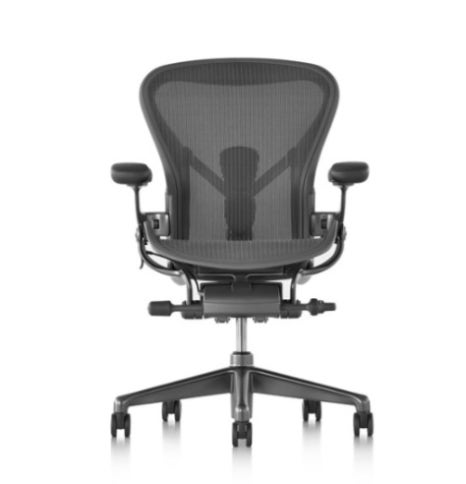
After three years, a chair like the Herman Miller Aeron or Steelcase Leap V2 still has taut mesh, smooth adjustments, and 9+ years of warranty coverage remaining. Resale value in good condition? Typically $1,400–$1,600 (70-80% value retention).
Net cost over 3 years: $400–$600
Monthly cost: ~$13.33
Daily cost: Less than 50 cents
For roughly the cost of a daily coffee, you get superior back support, better posture, and a chair you can liquidate whenever you choose. That's not consumption—that's a hedge against both physical and financial loss.
Why Premium Chairs Hold Their Value
The resale resilience of high-end ergonomic chairs isn't accidental. Three factors create a robust secondary market:
Exceptional Durability
While budget chairs are designed for 2–3 years of use, premium models are engineered for a decade or more. The materials—die-cast aluminum frames, high-grade elastomeric mesh, commercial-grade casters—are built to maintain performance under daily use. A well-maintained Steelcase Gesture or Herman Miller Embody looks and functions nearly like new after five years.
Industry-Leading Warranties
Herman Miller and Steelcase offer 12-year warranties. Humanscale provides 15 years on some models. These aren't marketing gimmicks—they're transferable commitments that follow the chair to its next owner. When you buy a 3-year-old premium chair on the secondary market, you're still covered for most of a decade. That assurance props up resale prices considerably.
Consistent, High Demand
Online marketplaces show "ISO: used Aeron" posts that fill within hours. The combination of name recognition, proven ergonomics, and intimidating new-chair pricing creates constant demand for pre-owned units. Premium chairs offer high liquidity—you can convert them to cash quickly, much like selling a popular used car.
The Blue-Chip Brands of Office Seating
Not all chairs depreciate equally. Here are the brands that consistently hold value best:
Herman Miller
The gold standard for resale. The Aeron is legendary for value retention, often selling for 75–85% of retail after light use. The Embody and Mirra 2 also command strong resale prices. If liquidity matters most, Herman Miller is the safest bet.
Steelcase
Models like the Leap V2, Gesture, and Think V2 hold 65–75% of their value in good condition. Steelcase's reputation for build quality and widespread corporate use ensures steady buyer interest.
Knoll & Humanscale
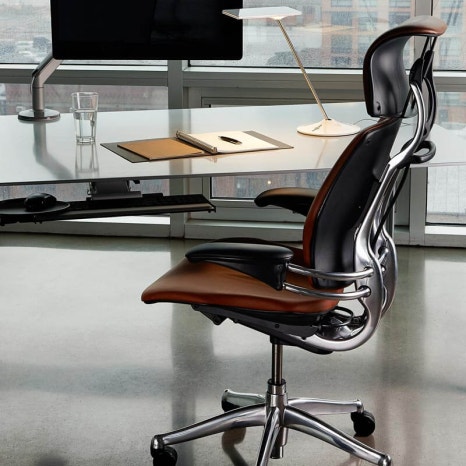
Design-forward models from Knoll (like the Generation and Life Chair) and Humanscale (such as the Freedom and Diffrient World) appeal to aesthetically minded buyers. Limited-edition colors or discontinued models sometimes appreciate rather than depreciate.
Okamura & Itoki
Japanese ergonomic specialists like Okamura Contessa II and Itoki Spina are prized for their fit on smaller or average frames. Their strong performance and reasonable pricing create loyal followings and stable resale markets, especially in Asia and among ergonomic enthusiasts.
Your Spine Isn't a Disposable Item
No one buys a chair solely to resell it later. But the option to recoup 70–80% of your investment removes the fear of commitment. Worried a $1,500 chair won't suit your body? Try it. If it doesn't work out, you can sell it for $1,100–$1,200 and move on, having paid a modest "rental fee" for the experience.
Contrast that with a budget chair: if it causes back pain or falls apart, you're stuck with the loss and the medical bills. Your lumbar discs can't be returned for store credit.
A premium ergonomic chair is both a health investment and a financially sound decision. You're not spending $2,000—you're allocating capital into an asset that supports your productivity, preserves your musculoskeletal health, and retains most of its value should your needs change.
When viewed through the lens of total cost of ownership, high-end office chairs aren't a luxury. They're one of the smartest purchases you can make for your workspace—and your long-term well-being.
Furniblog may earn a commission from links in this post, at no extra cost to you. See our affiliate disclosure.