Chair MBTI: How to Match Your Work Style to the Right Ergonomic Chair
Why expensive chairs feel uncomfortable—and how to find one that actually fits
By the Furniblog Editorial Team·July 7, 2026·7 min read
Why Your Expensive Chair Might Not Be Right for You
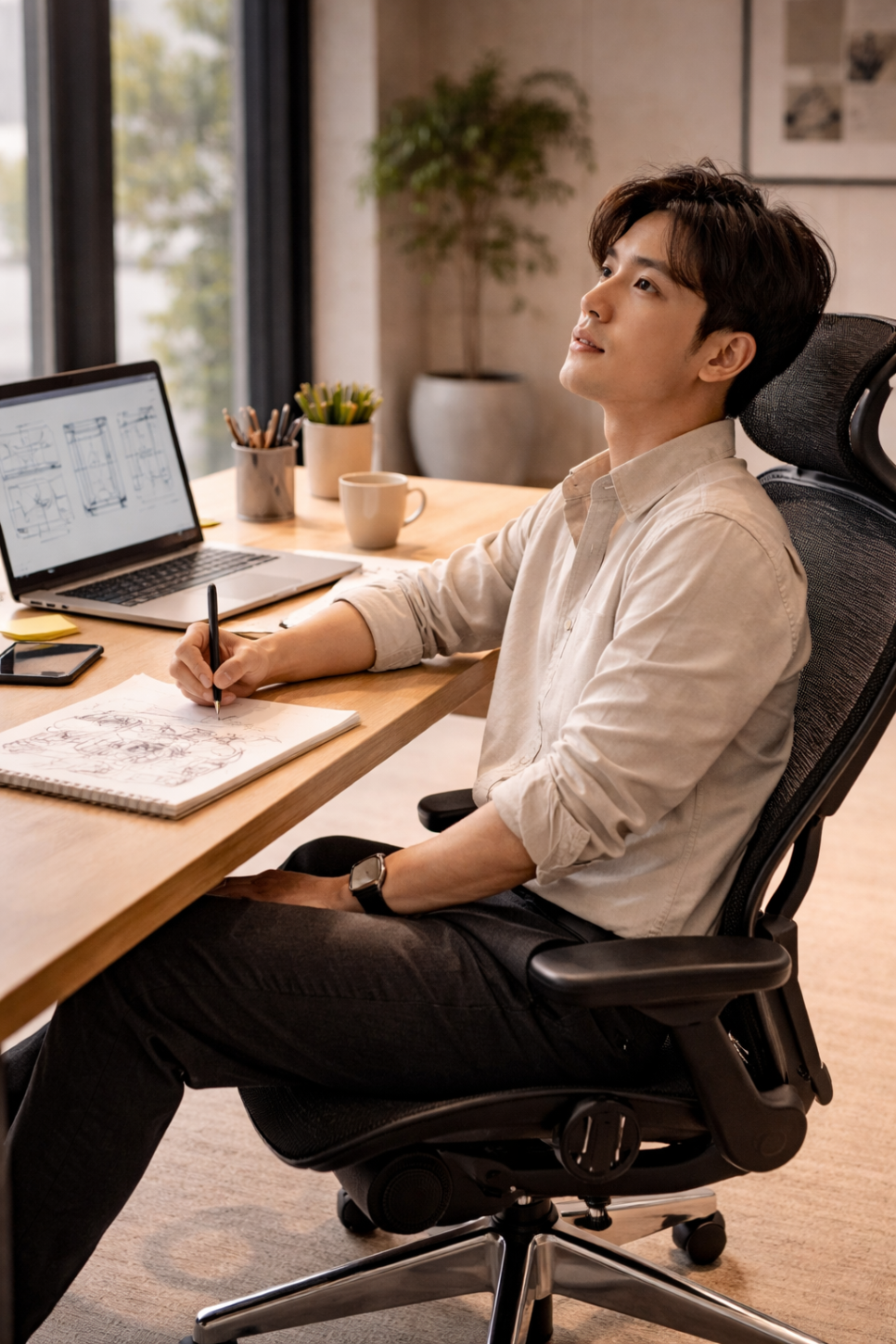
You've invested in a high-end ergonomic chair—a famous brand, glowing reviews, premium price tag. But a few weeks in, your back still aches. After two hours at your desk, your body feels stiff, not supported. You start to wonder: "This is supposed to be a great chair. Why doesn't it work for me?"
The answer is simpler than you think. It's not that the chair is bad—it's that the chair doesn't match your work style or body type.
Some people thrive in chairs that lock them into stable, supported postures. Others need chairs that flex and move with them throughout the day. Some users spend hours in deep focus without shifting position; others are constantly switching between calls, meetings, and multitasking.
Choosing a high-end office chair isn't about picking the most expensive model. It's about understanding how you work—and finding the chair that fits that rhythm.
Introducing the Chair MBTI Test
To make chair selection easier, we've created a simple but effective framework: the Chair MBTI. This quick self-assessment helps you identify whether you're a Focus Worker, a Rhythm Worker, or a Balance Worker—and then matches you with chairs designed for that style.
Let's start with five questions. For each one, pick the answer that sounds more like you.
Question 1
A. Once I start working, I stay in the same posture for two hours or more.
B. I need to shift positions or stretch every 30–60 minutes to stay comfortable.
Question 2
A. I prefer chairs that hold my body in a stable, supportive position.
B. I prefer chairs that let my body move naturally throughout the day.
Question 3
A. My work involves long stretches of focused tasks—writing, design, coding, data entry.
B. My day includes meetings, phone calls, brainstorming, and frequent task-switching.
Question 4
A. I value chairs that prevent my posture from collapsing over time.
B. I value chairs that keep my body from feeling stiff or locked in place.
Question 5
A. A chair is a tool that helps me work more efficiently.
B. A chair is an environment that reduces fatigue and supports movement.
Your Result
Mostly A's: You're a Focus Worker.
Mostly B's: You're a Rhythm Worker.
A mix of both: You're a Balance Worker.
Why does this matter? Because a chair that feels stable and supportive to a Focus Worker might feel restrictive to a Rhythm Worker—and a chair that encourages movement might feel unstable to someone who needs solid, all-day support.
Focus Workers: Chairs That Support Deep Concentration
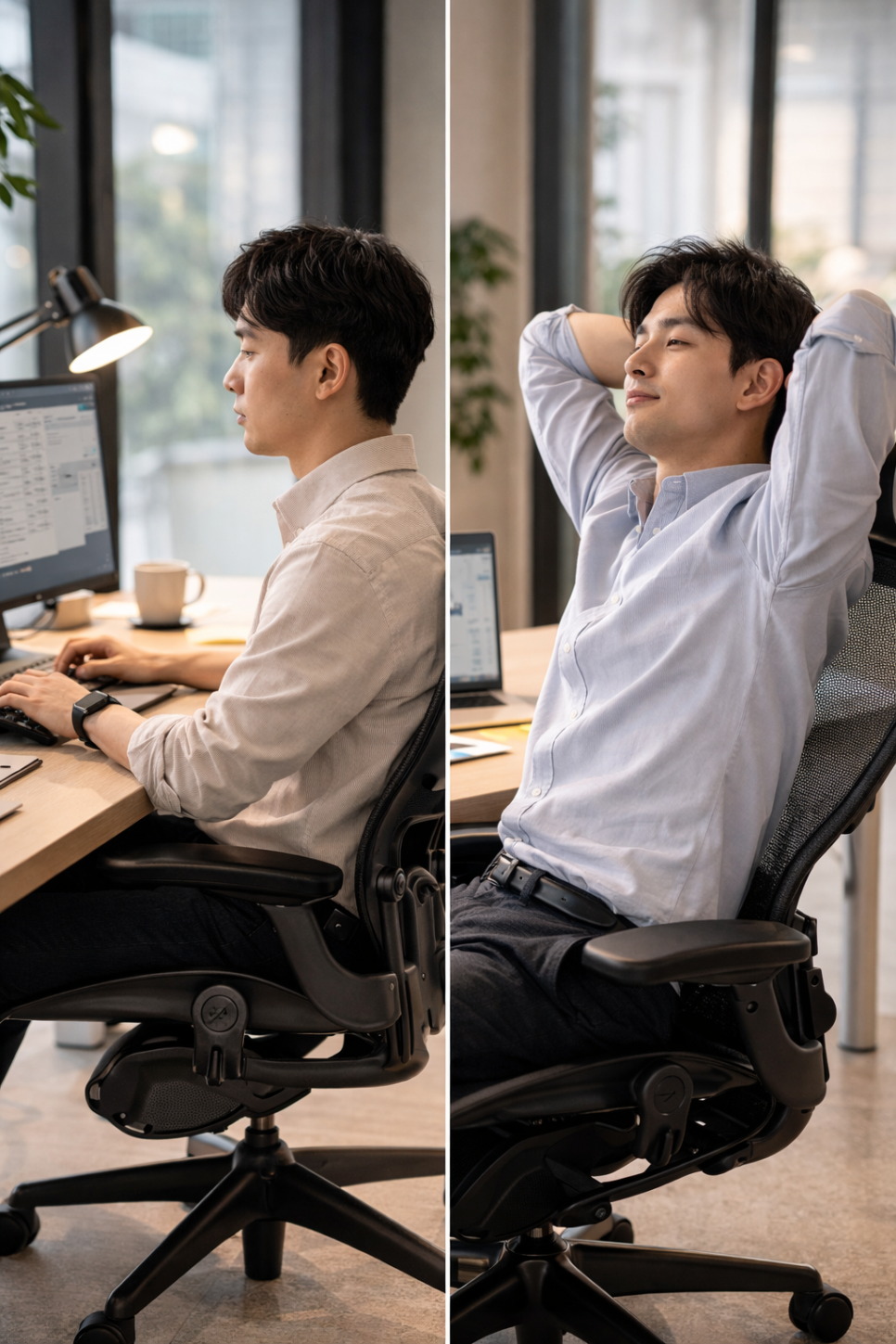
If you're a Focus Worker, you thrive when you can settle into a task and stay there. You don't want a chair that shifts around or encourages constant repositioning—you want one that holds you securely so you can do your best work without distraction.
For Focus Workers, the best chairs offer:
Strong lumbar and postural support
Stable, predictable seating feel
Minimal unwanted motion or flex
Long-session comfort without posture collapse
Recommended Chairs for Focus Workers
Herman Miller Aeron
The Aeron is a classic for a reason. It delivers consistent, all-day support with a structured feel that Focus Workers appreciate. The chair holds your posture without feeling rigid, and it's built to handle marathon work sessions.
Okamura Contessa II
The Contessa II offers refined, precise support. It's ideal for users who value clean ergonomics and stable seating without flashy features. If you want a chair that quietly does its job over long hours, this is it.
Itoki ACT2
The ACT2 is purpose-built for task-focused professionals. It emphasizes postural alignment and steady support—perfect for those who prioritize function and focus over flexibility.
Rhythm Workers: Chairs That Move With You
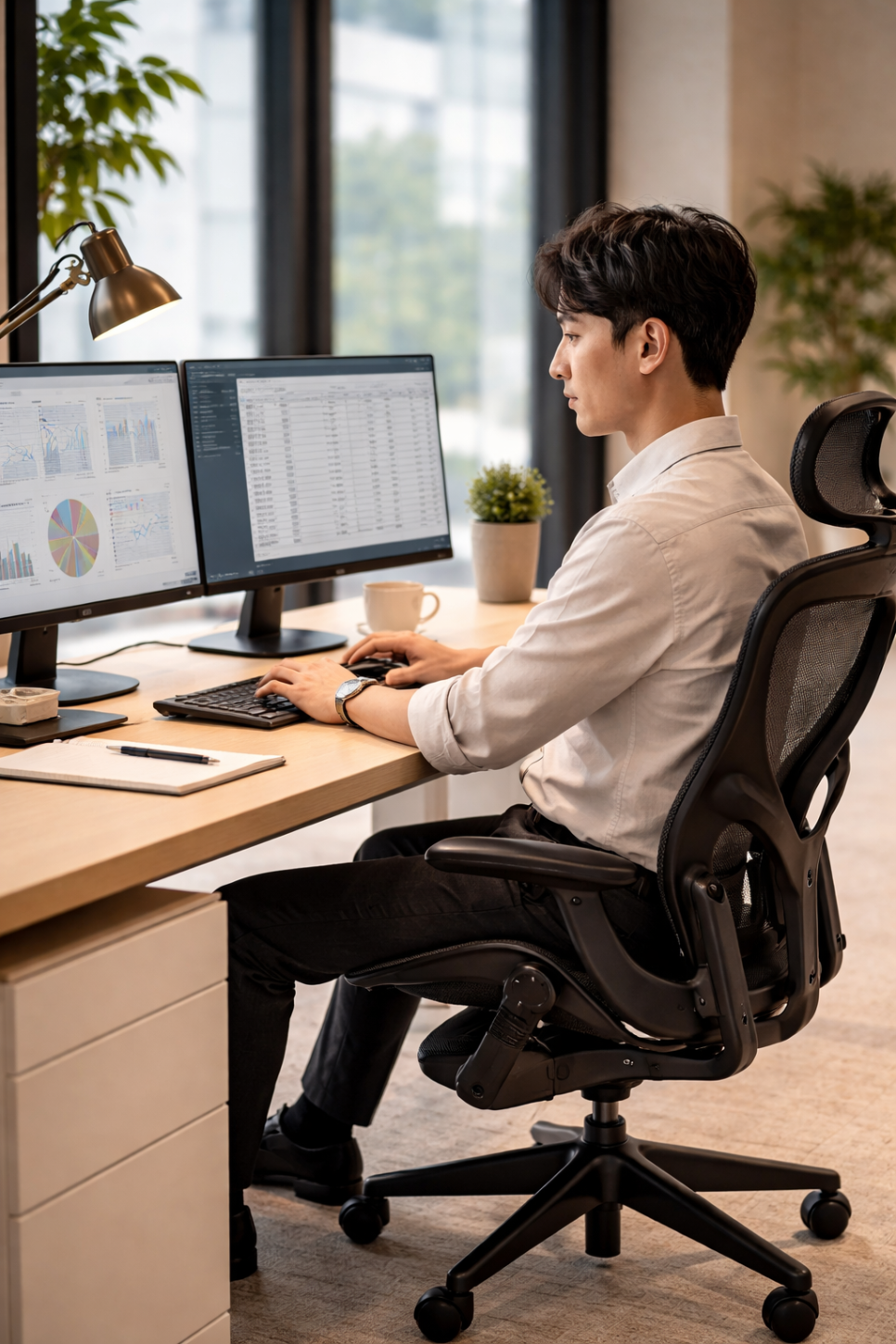
If you're a Rhythm Worker, sitting still feels uncomfortable. You shift, stretch, lean, and adjust throughout the day. You need a chair that doesn't fight your movement—it should flow with your natural rhythms and keep your body engaged, not locked down.
For Rhythm Workers, the best chairs offer:
Dynamic, responsive movement
Freedom to shift postures naturally
Support that adapts rather than restricts
Prevention of stiffness and tension from static sitting
Recommended Chairs for Rhythm Workers
Kokuyo Ing
The Ing is designed around the concept of "active sitting." Its seat tilts and glides with your movements, so you're never locked into one position. If you get stiff from sitting still, this chair is made for you.
Wilkhahn Chairs
Wilkhahn is known for chairs that encourage natural motion. Models like the Wilkhahn ON are ideal for users who work best when they can shift, rock, and adjust freely throughout the day.
Balance Workers: The Best of Both Worlds
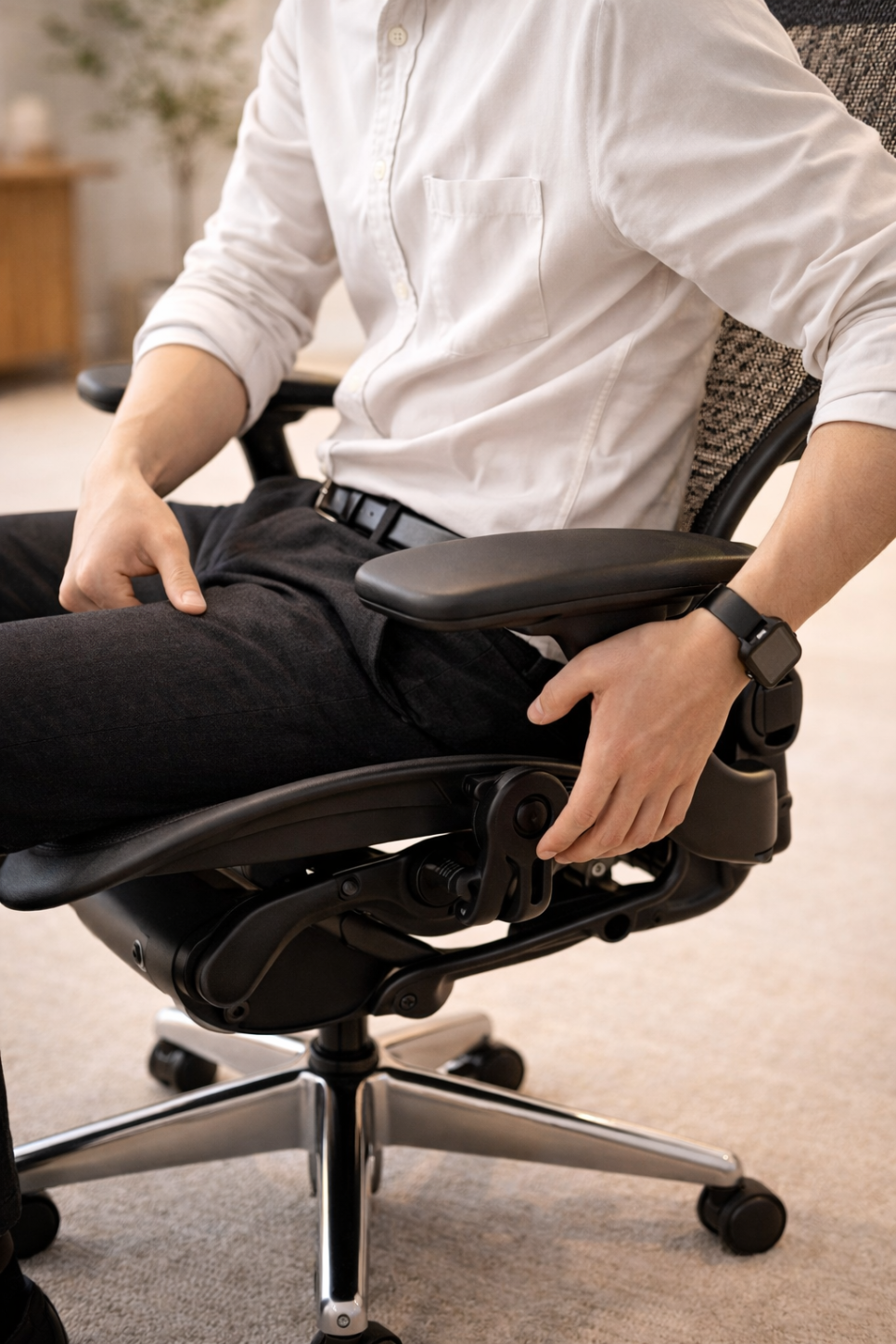
Most people aren't purely Focus or purely Rhythm—they're somewhere in between. You want support and stability when you're concentrating, but you also want comfort and flexibility when you lean back or shift gears. You don't want a chair that's too stiff or too loose.
For Balance Workers, the best chairs offer:
Versatile support across different postures
Adjustability to suit varying tasks
Comfort that lasts through long days
A middle ground between structure and movement
Recommended Chairs for Balance Workers
Herman Miller Embody
The Embody balances postural support with subtle, body-responsive flex. It's supportive enough for long focus sessions, yet forgiving enough to stay comfortable during varied tasks. It's a top pick for users who want it all.
Okamura Contessa II
The Contessa II appeals to Balance Workers because it combines premium build quality, excellent ergonomics, and broad user satisfaction. It doesn't lean too far in any one direction—and that's exactly what makes it work.
Herman Miller Aeron
Often called the gold standard, the Aeron offers structured support without feeling overly rigid. It's ideal for users who need a chair that handles both deep work and daily flexibility with equal competence.
How to Choose the Right Chair for Your Work Style
When shopping for a high-end ergonomic chair, most people start by Googling "best office chair" or "Herman Miller vs. Steelcase." But the better starting point is this:
How do I actually work?
Do I sit still for hours, or do I move constantly?
What kind of support makes me feel comfortable after a full day?
Once you know whether you're a Focus, Rhythm, or Balance Worker, chair recommendations become much more relevant. You're no longer choosing based on brand hype—you're choosing based on fit.
Why Trying Before You Buy Matters
Photos and reviews only tell part of the story. A chair that looks identical to another online can feel completely different in person. One might cradle your lower back; another might feel too firm. One might offer just the right amount of tilt; another might feel too loose.
If possible, visit a showroom or retailer where you can try multiple high-end models side by side. Pay attention to how each chair feels after 10–15 minutes, not just the first 30 seconds. Does it hold you? Does it let you move? Does it feel natural?
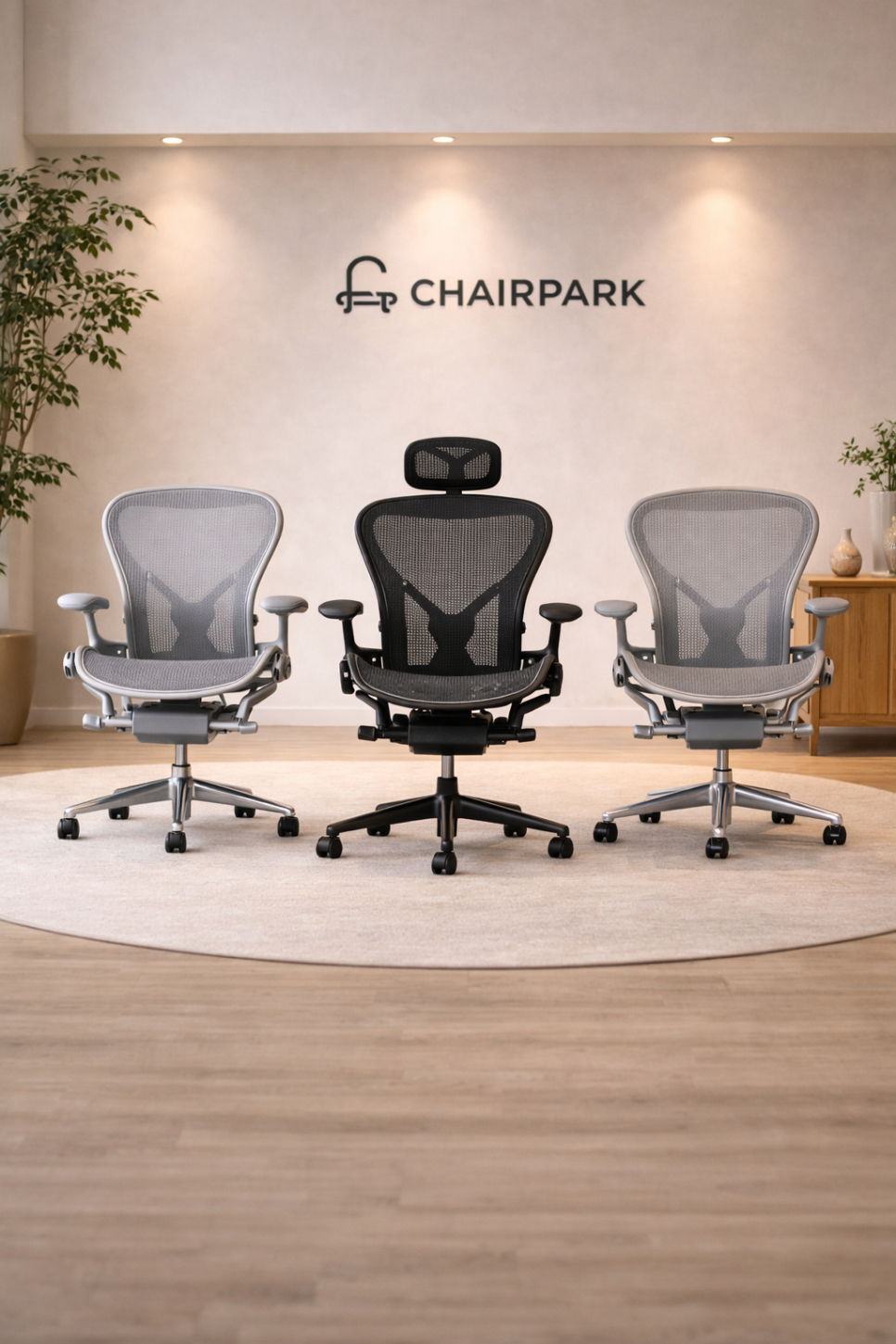
Chairpark and similar ergonomic furniture showrooms let you compare premium chairs in real-world conditions—so you can find the one that truly fits your body and work style, not just the one with the best marketing.
Final Thoughts: Match the Chair to Your Work, Not the Hype
High-end chairs are worth the investment—but only if you choose the right one for you. A Steelcase Leap V2 might be perfect for one person and uncomfortable for another, even though both are experienced professionals working long hours.
The difference isn't the chair. It's the match.
Start by understanding your work style. Are you a Focus Worker who needs stability? A Rhythm Worker who craves movement? Or a Balance Worker who wants the best of both?
Once you know that, the rest becomes much easier. Whether you end up with a Herman Miller Embody, an Okamura Contessa II, or a Kokuyo Ing, you'll know it's the right chair—because it fits the way you work.

Furniblog may earn a commission from links in this post, at no extra cost to you. See our affiliate disclosure.