Common Office Chair Problems People Actually Experience (And How to Avoid Them)
Real-world chair issues that only become obvious after months of daily use
By the Furniblog Editorial Team·July 9, 2026·5 min read
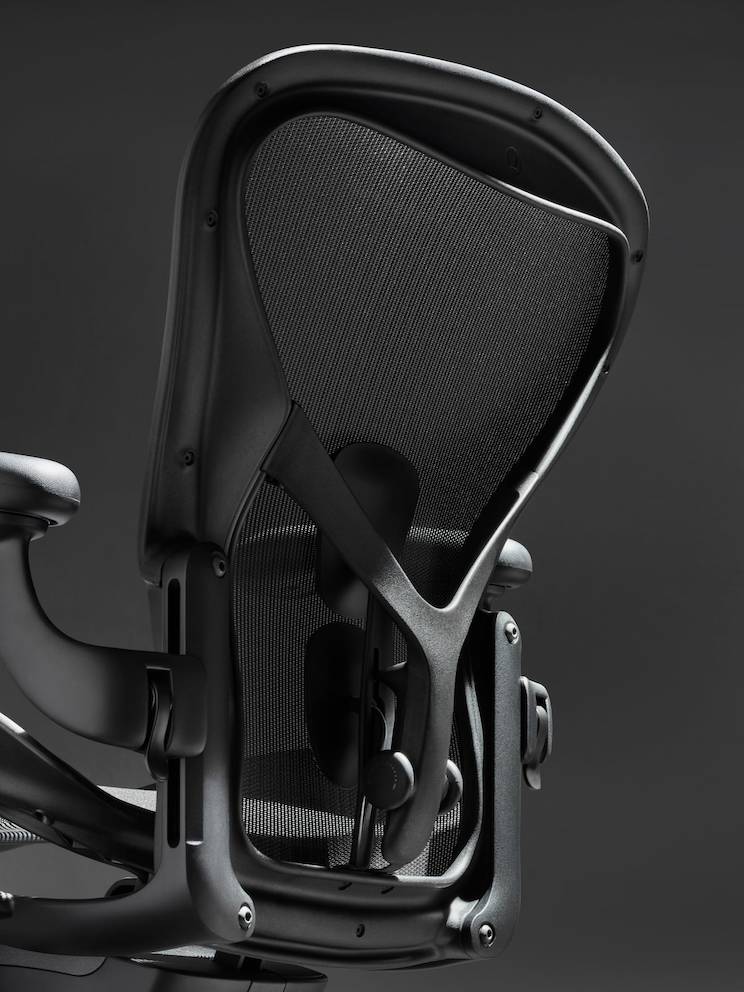
We sit in office chairs every day, yet most of us don't invest much time researching them before buying. The result? Months down the line, many people find themselves thinking, "Oh, so this is what this chair is really like"—usually when discomfort sets in.
Based on frequent visitor questions and concerns at chair showrooms, here are some of the most common real-world chair issues people encounter—and what you need to know before making your next purchase.
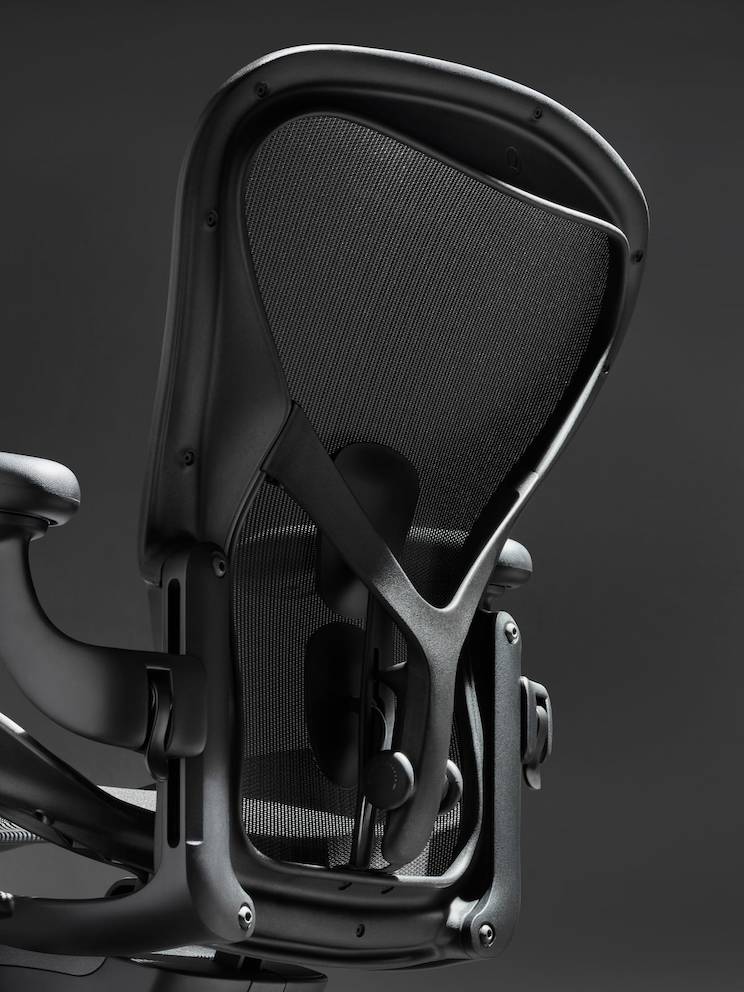
Do Mesh Chairs Really Sag Over Time?
This is one of the most frequently asked questions in office chair communities, and the answer isn't straightforward.
The short version: it's not that mesh itself is the problem—it's the grade of mesh that determines long-term performance.
High-end elastic mesh used in premium chairs maintains its original feel and support even after years of daily use. Budget knit mesh, on the other hand, often fails to hold up over time and can develop noticeable sag or loss of tension.
This means that even though two chairs might both be labeled "mesh chairs," their durability can be vastly different. If longevity is a priority, it's worth testing different mesh grades in person. Feeling the resistance, bounce-back, and overall tension of the mesh yourself is the only reliable way to gauge quality.
Top-tier mesh chairs like the Herman Miller Aeron and Steelcase Karman use proprietary mesh materials engineered specifically for long-term resilience.
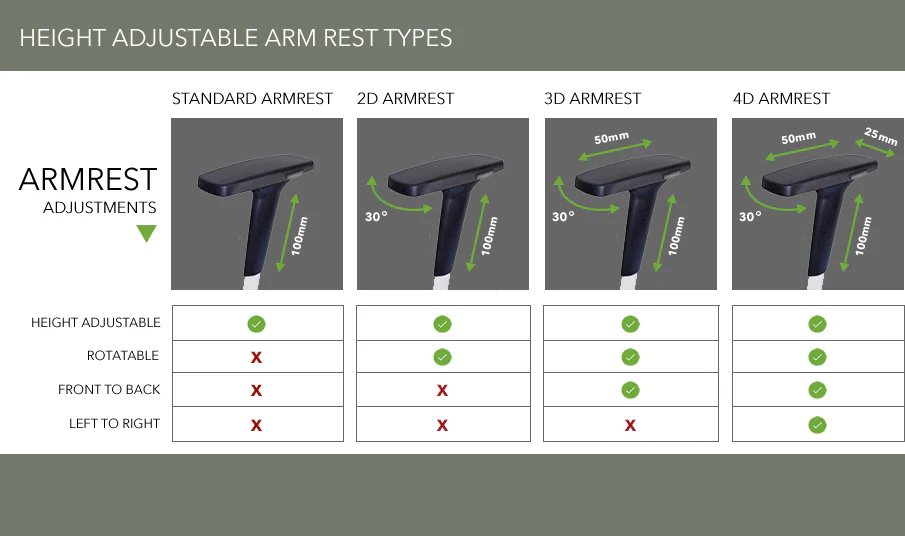
Are 4D Armrests Actually Better?
4D armrests are often marketed as a premium feature, but in practice, they're not universally loved. Some users report that highly adjustable armrests move too easily, feel loose, or are simply overkill for their needs.
The reality is that armrest preferences are highly individual and depend on factors like:
Desk height: If your desk is fixed-height, vertical adjustment might be all you need
Keyboard vs. laptop use: Keyboard-heavy users benefit more from depth and width adjustments
Sitting posture: If you sit close to your desk, height matters more than pivoting angles
The key takeaway: more adjustability isn't automatically better. What matters is whether the armrest design suits your specific work setup and body proportions. Testing a chair in your actual working posture—leaning forward, typing, using a mouse—makes the difference crystal clear.
Can You Keep Using a Chair for 10+ Years by Replacing Parts?
This is one of the most practical long-term concerns, and the answer varies widely depending on the brand.
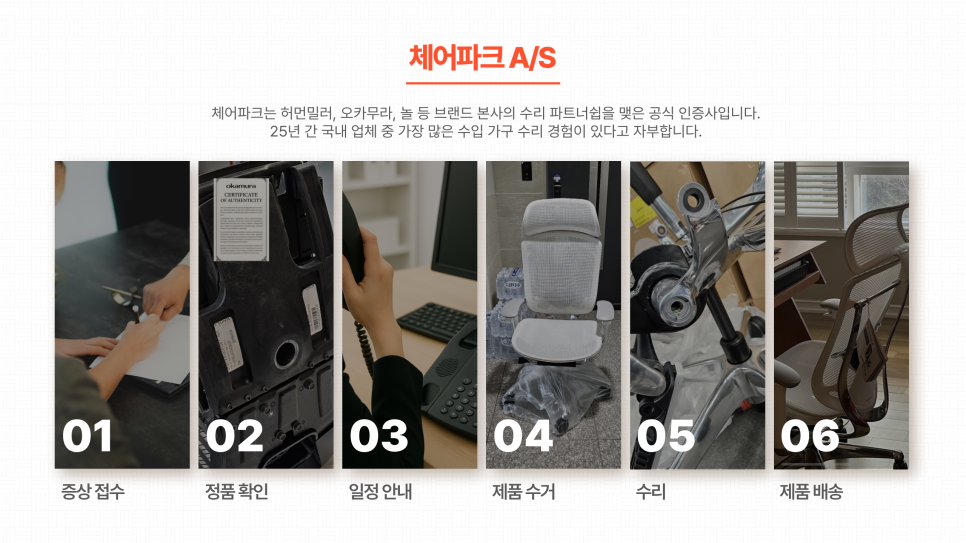
Some chairs are built for the long haul. Global brands with established service networks—like Herman Miller, Steelcase, and Haworth—offer replacement parts for key components such as gas cylinders, casters, armrest pads, and tilt mechanisms. Many users successfully maintain these chairs for a decade or more by swapping out worn parts.
Others are not. Discontinued models, gray-market imports, or budget brands often lack accessible parts. Once a critical component fails, the entire chair may become unusable.
If you're investing in a chair you hope to use for many years, verify the after-sales support and parts availability upfront. Chairs sold through authorized dealers typically come with clearer service pathways than those purchased through third-party resellers.
Why Does Backrest Movement Feel So Different Between Chairs?
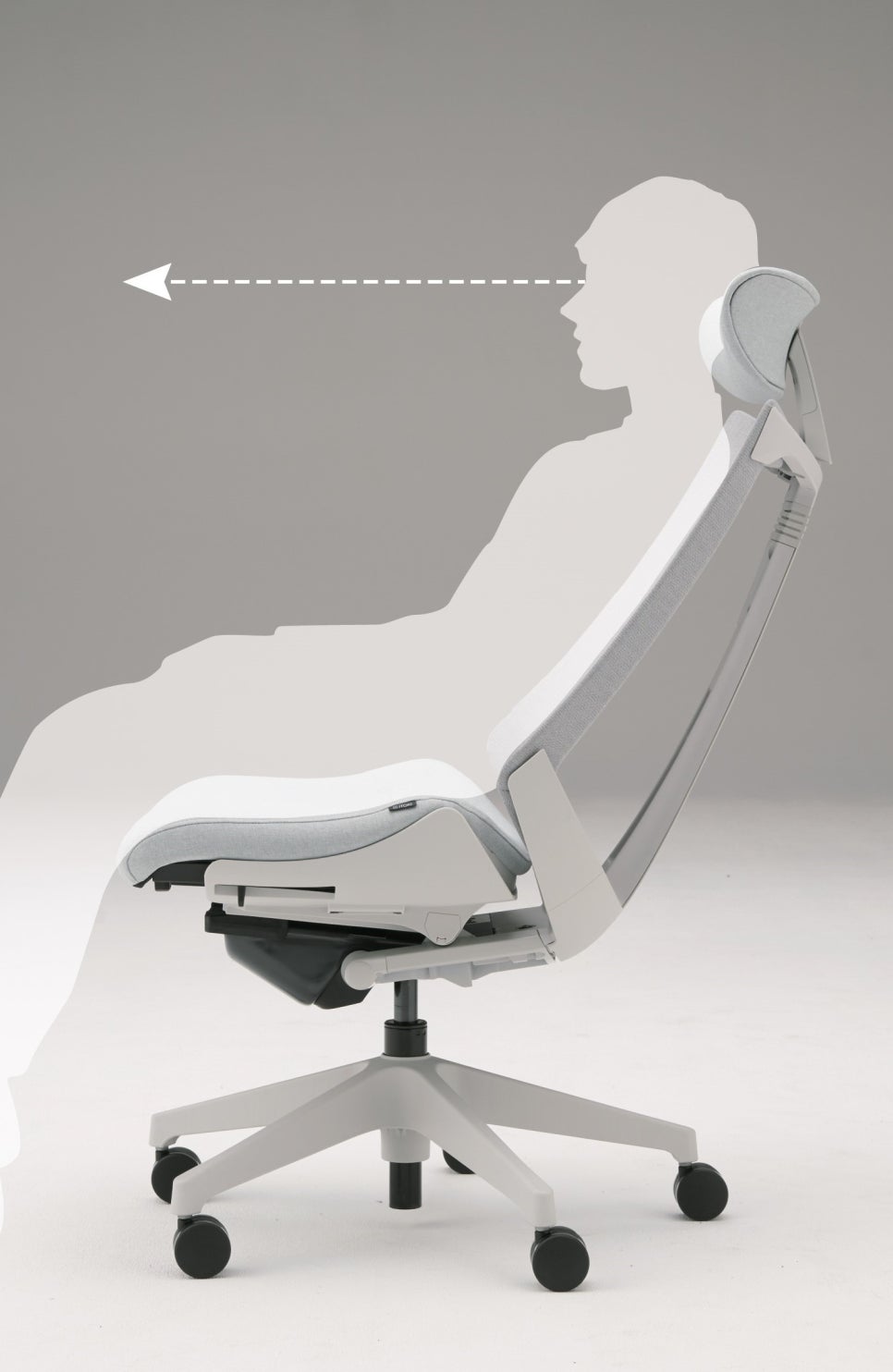
One of the biggest surprises for first-time chair buyers is how differently backrests behave across models—even when both are described as "ergonomic" or "synchro-tilt."
There are generally two types of recline behavior:
Synchronized, floating feel: The backrest and seat tilt together as you lean back, creating a smooth, cradle-like motion. This feels relaxed and fluid.
Firm, pivot-style support: The backrest reclines while the seat stays relatively stationary, offering more upright support and stability. This feels more anchored and controlled.
Neither is inherently better—it depends on your work style. If you frequently shift between focus work and relaxed reading, you might prefer a synchronized tilt. If you want constant lumbar support during intense tasks, a firmer pivot might suit you better.
This difference is nearly impossible to evaluate from product descriptions alone. You need to sit, lean back, and mimic your actual work movements to understand which style feels right.
Chairs like the Steelcase Gesture and Herman Miller Embody offer distinctly different backrest dynamics despite both being high-end ergonomic models.
Why Showroom Testing Matters More Than Specs
Office chairs are uniquely personal products. The same chair can feel perfect for one person and uncomfortable for another, depending on:
Body height and weight distribution
Sitting habits (upright vs. reclined)
Work tasks (typing-heavy, mouse work, video calls)
Desk setup and monitor placement
This is why many buyers now prioritize comparative testing in showrooms. Sitting in multiple chairs back-to-back reveals differences that no spec sheet can communicate—things like seat firmness, back support shape, armrest reach, and tilt resistance.
If you're currently experiencing discomfort in your existing chair, visiting a showroom and describing your specific issue can help staff guide you toward models that address exactly that problem. Whether it's pressure points, heat buildup, or lack of lumbar support, there's likely a design solution—but you need to feel it to know it works.

Final Thoughts
Buying an office chair based solely on online reviews, specifications, or price can be a gamble. The issues people encounter—saggy mesh, awkward armrests, uncomfortable recline—often aren't apparent until weeks or months of use.
The best way to avoid buyer's remorse is to test chairs in conditions that mimic your real workspace. Sit the way you actually sit. Adjust the settings you'll use daily. Pay attention to what feels supportive versus what just feels "fine for now."
Your chair is one of the most-used pieces of furniture in your life. It's worth taking the time to choose thoughtfully.
Furniblog may earn a commission from links in this post, at no extra cost to you. See our affiliate disclosure.