Does Mesh Ruin Your Pants? The Truth About Aeron and Fabric Wear
Why high-end mesh chairs can fray delicate fabrics—and what to choose instead
By the Furniblog Editorial Team·July 31, 2026·4 min read
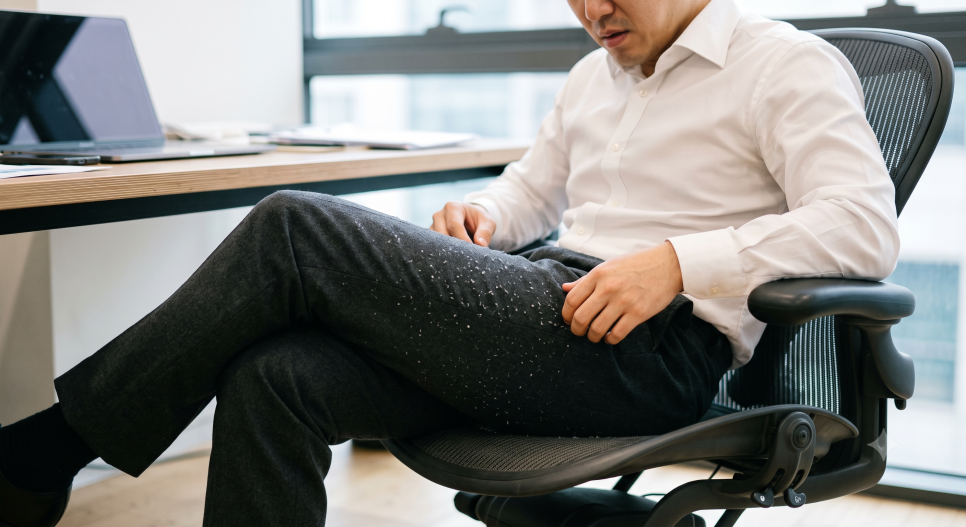
The $2,000 Chair That Frayed My Suit Pants
"My Aeron chair wore through the seat of my dress pants." If you've spent time in office furniture forums, you've probably seen this complaint. And here's the truth: it's not an urban legend.
But it's also not a defect. The fabric wear that some users experience with mesh chairs like the Herman Miller Aeron is actually a side effect of the mesh doing exactly what it was designed to do.
Fact Check: Is This Really Happening?
Yes, this is a documented phenomenon. On forums like Styleforum, multiple long-term Aeron users have reported gradual wear on dress trousers, linen pants, and other delicate fabrics—often starting around the back pocket area where a wallet creates extra friction points.
This isn't one or two isolated cases. It's a pattern reported consistently enough to warrant a closer look at the materials science involved.
Here's what's important to understand: mesh causing fabric wear is not a manufacturing flaw or quality control issue. It's a predictable outcome of how high-tension mesh interacts with certain textile types. If you regularly wear suits, knits, or silk and sit for extended periods, this is a real consideration.
Why Mesh Grips (And Why That's Usually Good)
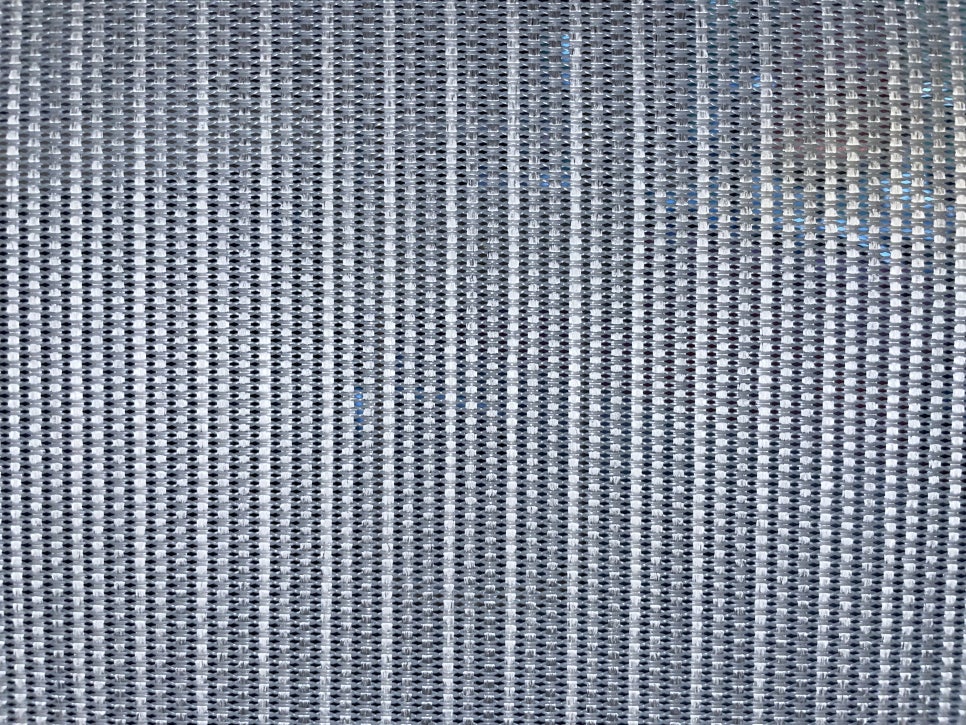
The Aeron's 8Z Pellicle mesh isn't padded foam that compresses under your weight. It's a taut, woven suspension system—more like a trampoline than a cushion. The individual fibers are stretched tight across the frame, creating tension that distributes your body weight across a wide surface area.
That tension creates grip. And that grip serves several important ergonomic functions:
It prevents you from sliding forward in the seat, which would compromise lumbar support
It keeps your pelvis in the correct position relative to the backrest
It maintains proper spinal alignment during long work sessions
In other words, the non-slip surface that can wear down delicate fabrics is the same quality that helps the chair support your posture hour after hour.
The Trade-Off
Benefit: Strong grip distributes weight evenly and physically prevents posture from degrading. Essential for all-day sitting.
Side effect: The same grip creates repeated friction against fabric surfaces. Textiles with low abrasion resistance can pill, fray, or thin over time.
The advantage and the drawback stem from the same material property. Eliminate the grip, and you lose the friction—but you also lose the postural stability.
Why Some Fabrics Wear Faster: Textile Engineering 101
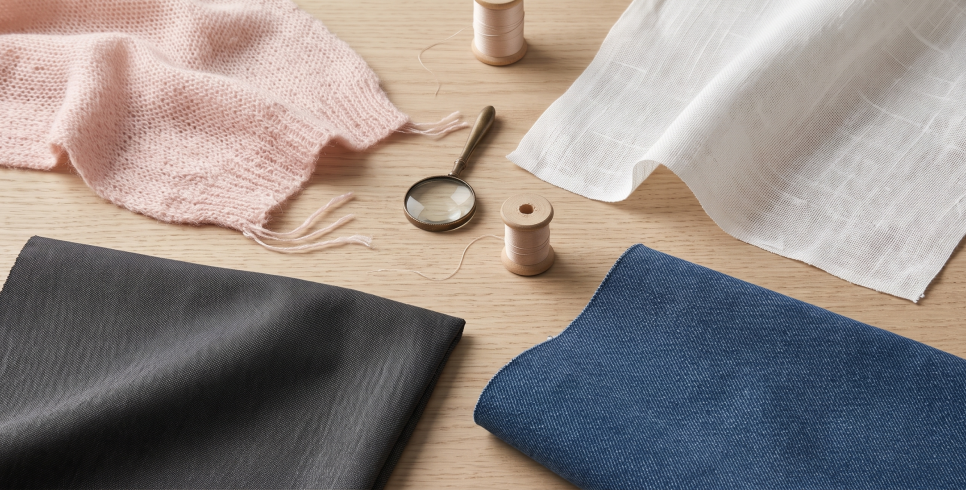
Not all fabrics are created equal when it comes to abrasion resistance. The tightness of the weave and the twist of the yarn determine how well a textile stands up to repeated friction.
The textile industry uses the Martindale test (ISO 12945-2) to quantify abrasion and pilling resistance. The test simulates exactly what happens when you sit down and stand up repeatedly: fabric rubbing against another surface until fibers break or pill.
Fabric Abrasion Resistance (General Tendencies)
Fabric Type | Abrasion Resistance | Why |
|---|---|---|
Silk, loosely-knit sweaters (including cashmere) | Low | Loose yarn twist; fibers snag and break easily |
Lightweight linen | Low | Smooth fiber surface; open weave structure |
Tightly-woven wool suiting, poly blends | High | Tight yarn twist; dense weave construction |
Denim, cotton twill | High | Thick, robust weave |
Note: Actual abrasion resistance varies by brand and construction method. These are general fiber characteristics.
Choose Your Chair Based on Your Wardrobe
Mesh isn't a bad material. It's simply better suited to some lifestyles than others. The key is matching the seat surface to what you actually wear.
When Mesh Works Well
If your daily uniform is jeans, chinos, athletic wear, or other heavy-duty casual fabrics, mesh chairs like the Aeron or Cosm won't pose a friction problem. The fabrics are robust enough to handle the grip, and you'll benefit fully from the breathability and postural support mesh provides.
When Fabric Upholstery Is Safer
If you regularly wear dress trousers, suit pants, knits, or silk blouses and sit for long hours, a fabric-upholstered seat is the better choice. Chairs like the Okamura Contessa II or models in the Kokuyo Ing series use cushioned seats covered with textile upholstery. Because the fabric cover moves slightly with your body rather than gripping it, friction during sitting and standing is significantly lower.
Other excellent fabric-seat options to consider:
A Word of Caution
Fabric wear depends on many variables: how you sit, how often you shift position, the condition of your garments, and daily usage patterns. If you have tailored suits or investment knitwear in regular rotation, it's worth taking seat material seriously.
The Bottom Line
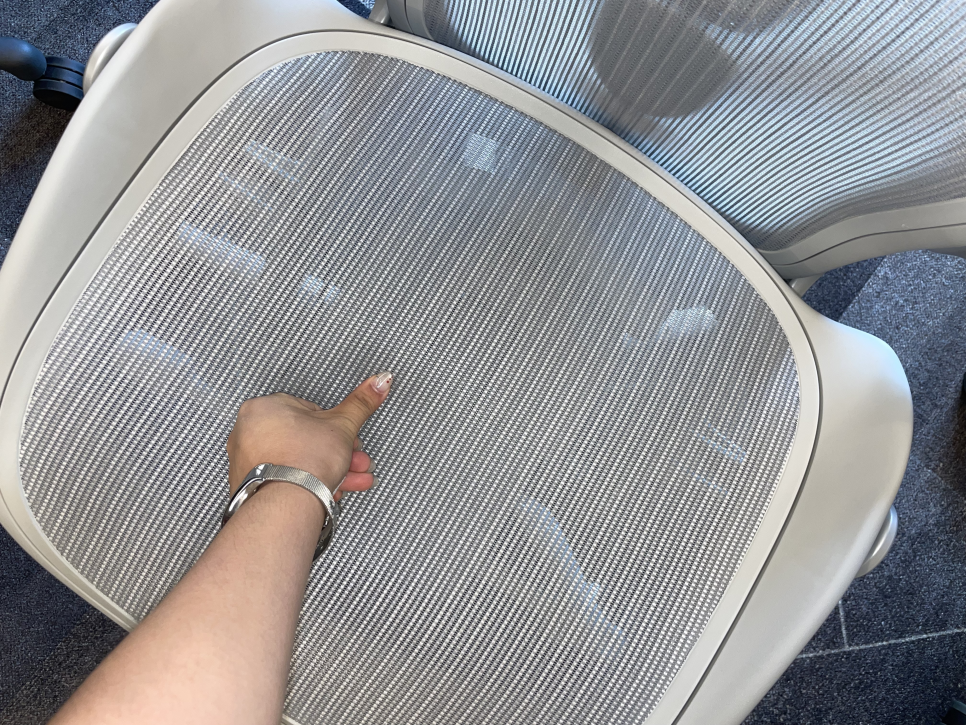
The reports of the Aeron wearing through pants aren't myths—but they're not indictments of the chair, either. They're honest accounts of a material trade-off.
Mesh delivers exceptional breathability, weight distribution, and postural grip. For the right user and wardrobe, it's unbeatable. But if your closet is full of delicate fabrics and your workday is spent seated, a cushioned fabric seat will serve you better in the long run.
The best office chair isn't the one with the most features or the highest price tag. It's the one that fits your body and your lifestyle.
Furniblog may earn a commission from links in this post, at no extra cost to you. See our affiliate disclosure.