Finding the Perfect Office Chair: What Google and Top Companies Know
Why your desk chair matters more than your office design
By the Furniblog Editorial Team·August 3, 2026·4 min read
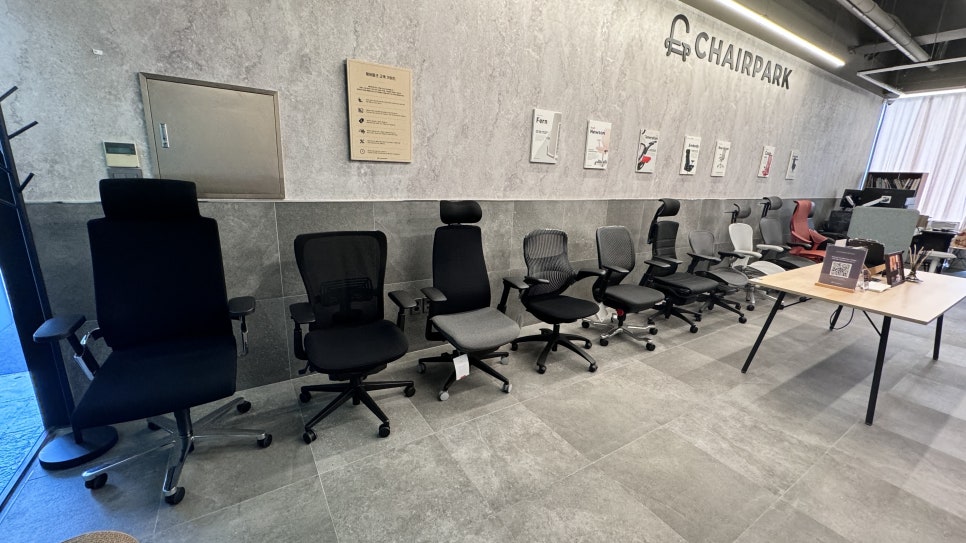
Your Office Chair Matters More Than You Think
You've invested in a comfortable office setup—great lighting, clean design, maybe even a standing desk. But if your chair is uncomfortable, none of that matters. For most office workers, the chair is the single piece of furniture they interact with most during the workday, often 8 hours or more.
Yet despite its importance, the office chair is frequently an afterthought. The result? Back pain, poor posture, and reduced focus that undermine productivity and well-being.
What Do Leading Companies Choose?
It's no coincidence that companies known for employee satisfaction—Google, SK, and other industry leaders—invest heavily in quality seating. These organizations understand that ergonomic chairs aren't a luxury; they're essential infrastructure for knowledge work.
While specific chair models vary by location and department, top firms typically provide access to what's often called the "big three" office chair manufacturers—Herman Miller, Steelcase, and Haworth—alongside other premium ergonomic brands. These chairs share common features: extensive adjustability, lumbar support, breathable materials, and build quality designed to last a decade or more of daily use.
Why One Size Doesn't Fit All
Here's the challenge: there is no single "best" office chair. Every model has distinct characteristics, and every person has different:
Body dimensions: Height, weight, torso length, and arm length all affect fit
Work environment: Desk height, monitor position, and task variety
Personal priorities: Some prioritize lumbar support, others value seat depth or armrest range
Budget constraints: Premium ergonomic chairs range from $500 to over $2,000
This is why reading reviews or asking for recommendations, while helpful, can only take you so far. A chair that's perfect for your colleague might be uncomfortable for you.
The Case for Testing Before Buying
Would you buy a mattress without lying on it? Probably not—and you should apply the same logic to office chairs. Ideally, you want to sit in a chair for at least 15–20 minutes, adjusting the controls and simulating actual work postures.
Many specialty showrooms and ergonomic furniture retailers offer exactly this opportunity. Look for dealers who:
Carry multiple brands and models for direct comparison
Stock authorized, genuine products (not grey-market imports)
Employ knowledgeable staff who can explain adjustment features
Allow unhurried testing without pressure
Key Features to Evaluate
When you test chairs, pay attention to these critical elements:
Lumbar Support
Does the backrest support your lower back in a neutral, comfortable position? Some chairs like the Humanscale Freedom use automatic mechanisms that respond to your movements, while others like the Steelcase Leap V2 offer manual lumbar adjustment.
Seat Depth and Width
Your thighs should be supported without pressure behind the knees. Look for seat depth adjustment if you're particularly tall or short.
Armrests
Adjustable armrests (height, width, angle, and depth) help prevent shoulder and neck strain. Test whether they interfere with your desk or keyboard position.
Material and Breathability
Mesh backs promote airflow; upholstered seats may feel more cushioned initially but can trap heat. Consider your climate and personal preference.
Recline and Tilt
A good recline mechanism encourages movement throughout the day. Some chairs offer synchro-tilt (seat and back move in coordination), others have independent back recline.
Beyond the Big Names
While Herman Miller, Steelcase, and Haworth dominate corporate environments, don't overlook other quality manufacturers. Brands like Okamura, Haworth Fern, and European makers such as Wilkhahn and Sedus offer excellent ergonomics and design, sometimes at different price points.
For those seeking specific solutions, consider specialized designs: saddle seats like the Salli SwingFit for active sitting, kneeling chairs like the Varier Variable balans for posture variation, or task chairs with unique mechanisms suited to your work style.
The Bottom Line
Your office chair is a long-term investment in your health and productivity. Rather than choosing based solely on brand reputation or online reviews, prioritize hands-on testing. Compare multiple models, understand the differences in adjustment mechanisms and materials, and select the chair that fits your body and work habits.
If possible, visit a showroom that carries authorized products from multiple manufacturers. The investment of an hour or two in careful evaluation can prevent years of discomfort and the hidden costs—medical bills, lost focus, and diminished quality of life—that come with the wrong chair.
Your back will thank you.

Furniblog may earn a commission from links in this post, at no extra cost to you. See our affiliate disclosure.