Forward Tilting Explained: The Secret Weapon Against Tech Neck
Why forward tilt chairs are essential for screen-heavy work and creative tasks
By the Furniblog Editorial Team·July 17, 2026·4 min read
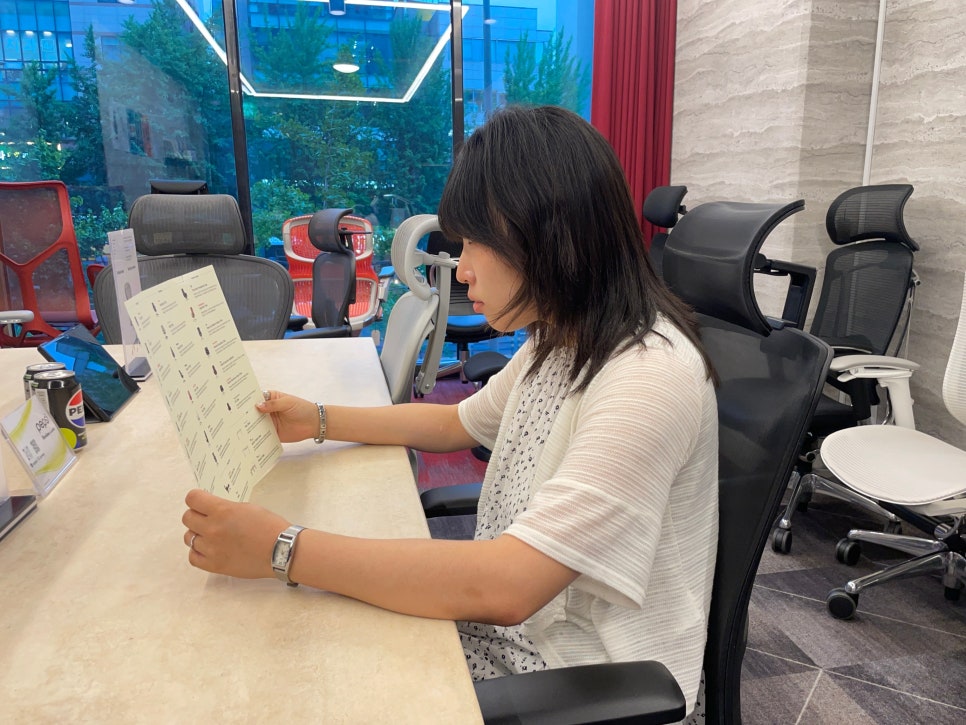
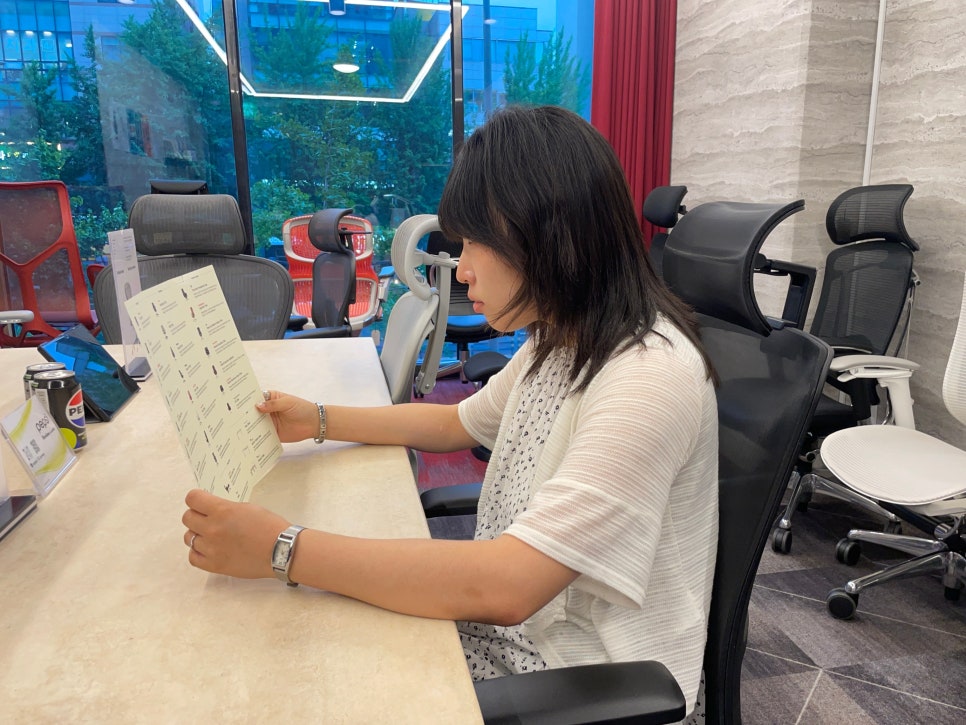
If You're Glued to Your Monitor, Forward Tilting Is Your Answer
Spend all day staring at a screen or drawing on a tablet, and your body naturally leans forward. In a conventional chair, that means your back separates from the backrest, your lumbar curve collapses, and your neck juts forward into the dreaded "tech neck" posture.
There's a little-known feature in high-end ergonomic chairs that breaks this cycle: forward tilting. In this guide, we'll explain what forward tilting is, which chairs offer it, and deliver an in-depth comparison of two flagship models—the Herman Miller Aeron and the Okamura Sylphy.
Why Forward Tilting Matters
The Biomechanics of Leaning Forward
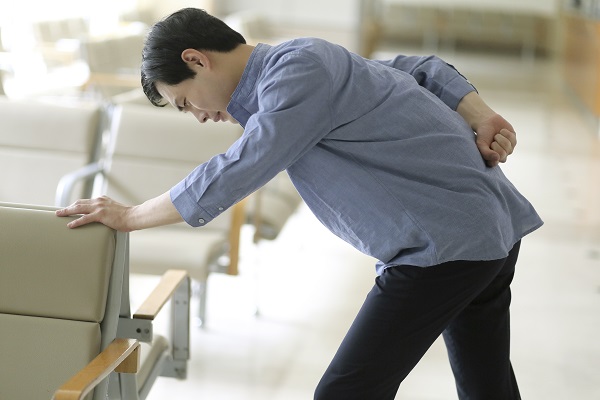
When you concentrate and lean toward your work, sitting on a flat seat causes your pelvis to rotate backward. This flattens the spine's natural S-curve and rounds your lower back—a recipe for pain and long-term postural damage.
How Forward Tilting Works
Chairs with forward tilt allow the seat pan and backrest to tilt forward together, typically between 3 and 10 degrees. This opens the angle between your torso and thighs, encouraging your pelvis to rotate forward and preserving the healthy lumbar curve (lordosis). Crucially, the backrest stays with you even as you lean forward, maintaining continuous spinal support.
High-End Chairs with Forward Tilting
Forward tilting requires sophisticated engineering, so it's found almost exclusively in premium task chairs. Here are the standout models:
Among these, the Aeron and Sylphy are the most popular and represent two very different philosophies of forward tilt design.
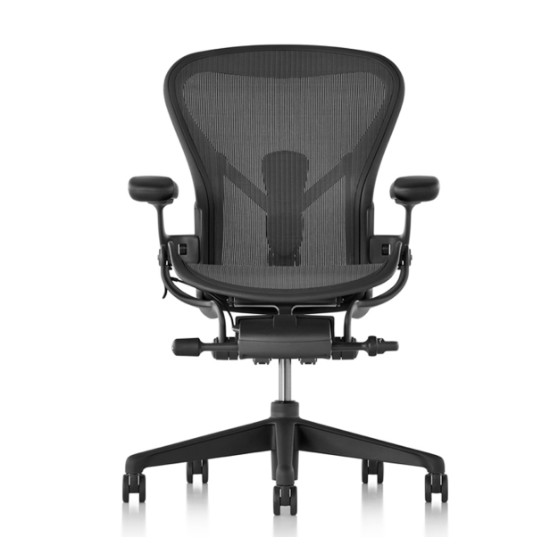
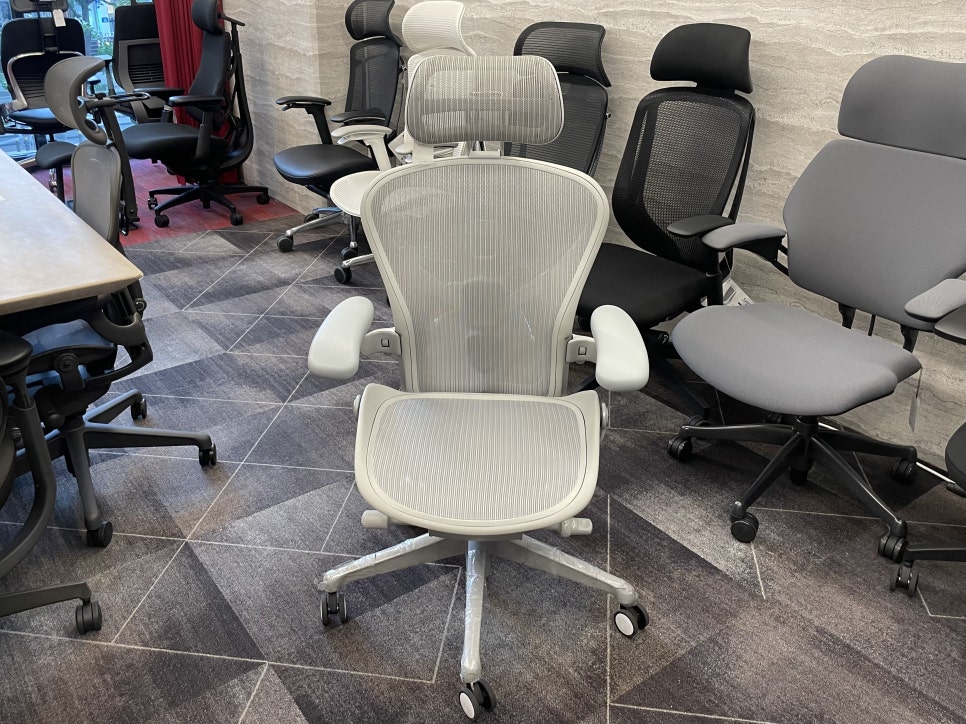
Herman Miller Aeron: The Gold Standard (5° Tilt)
Often called "the Hermès of office chairs," the Herman Miller Aeron is the flagship of ergonomic seating—and its forward tilt is meticulously engineered.
Key Features
5° forward tilt: A moderate, precise angle ideal for keyboard and mouse work. The tilt lever engages smoothly, tilting both seat and back forward without feeling extreme.
PostureFit SL integration: Even in the tilted position, the PostureFit SL mechanism continues to support both the sacrum and lumbar spine, preventing any rounding of the lower back.
8Z Pellicle mesh: The zoned-tension mesh redistributes pressure as your weight shifts forward, preventing thigh compression and maintaining breathability.
Best For
Professionals who work upright at a desk with a monitor, keyboard, and mouse. Also ideal for those who run hot and need maximum airflow.
Okamura Sylphy: The Deep Tilt Champion (10° Tilt)
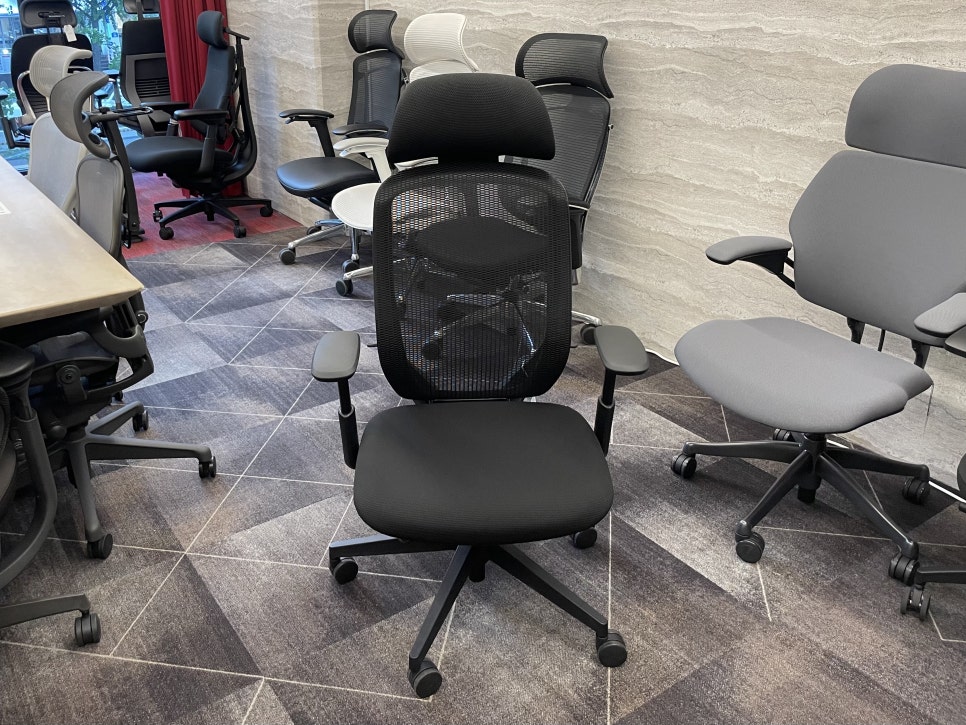
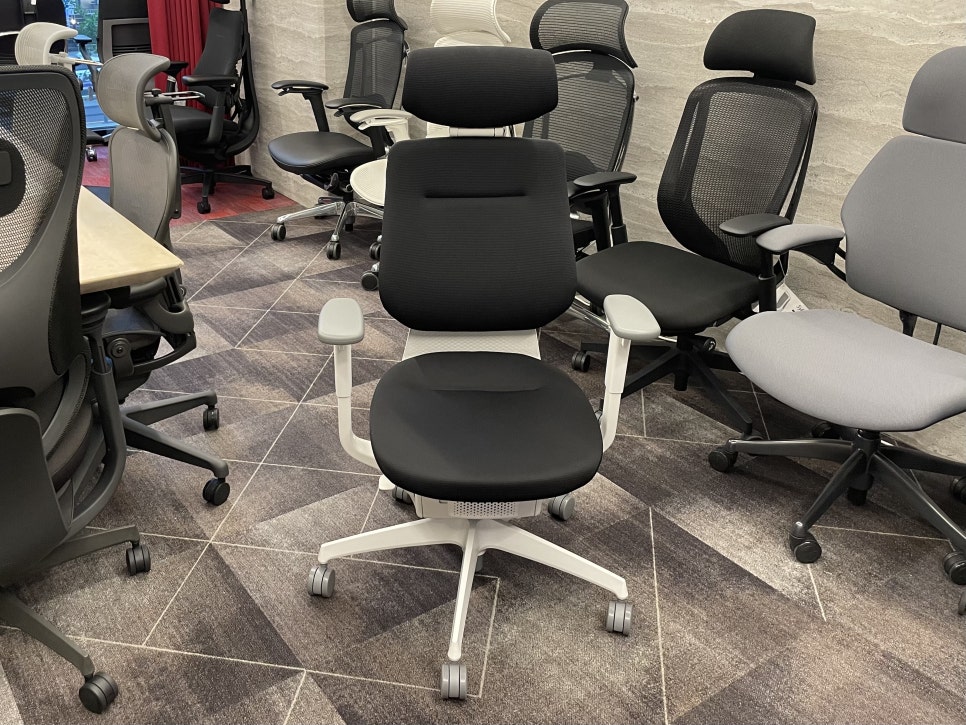
A favorite among students, illustrators, and webtoon artists, the Okamura Sylphy offers the most aggressive forward tilt on the market.
Key Features
10° forward tilt: Double the angle of the Aeron. Perfect for reading books, drawing on a tablet, or any task that requires a deeper forward lean.
Back Curve Adjustment: A lever allows you to widen or narrow the backrest's curvature, so the chair wraps around your torso even in a deep forward position.
3D molded foam seat: Multi-density urethane foam with sculpted contouring reduces front-edge pressure on the thighs—a great alternative if mesh feels too firm.
Best For
Students, artists, designers, and anyone who frequently looks down at their work. Also suited to smaller body types and those who prefer cushioned seats over mesh.
Aeron vs. Sylphy: At a Glance
Feature | Herman Miller Aeron | Okamura Sylphy |
|---|---|---|
Tilt Angle | ~5° | ~10° |
Seat Material | 8Z Pellicle open mesh | 3D contoured foam cushion |
Lumbar Support | PostureFit SL | Back Curve Adjustment |
Best Work Style | Upright keyboard/mouse tasks | Reading, drawing, deep forward lean |
Honorable Mentions: Chairs with Similar Effects
Not every chair has a dedicated forward tilt lever, but some achieve similar postural benefits through alternative mechanisms.
Kokuyo Ing and Ing Cloud
The Kokuyo Ing and Ing Cloud use a 360° gliding seat pan that moves fluidly in all directions. As you lean forward, the seat glides with you—no lever required. It's an intuitive, dynamic alternative to fixed-angle forward tilt.
Itoki ACT2
The Itoki ACT2 has a seat pan that's pre-angled slightly forward by design. You don't adjust anything—the seat geometry itself encourages forward pelvic rotation from the moment you sit down.
Try Before You Commit
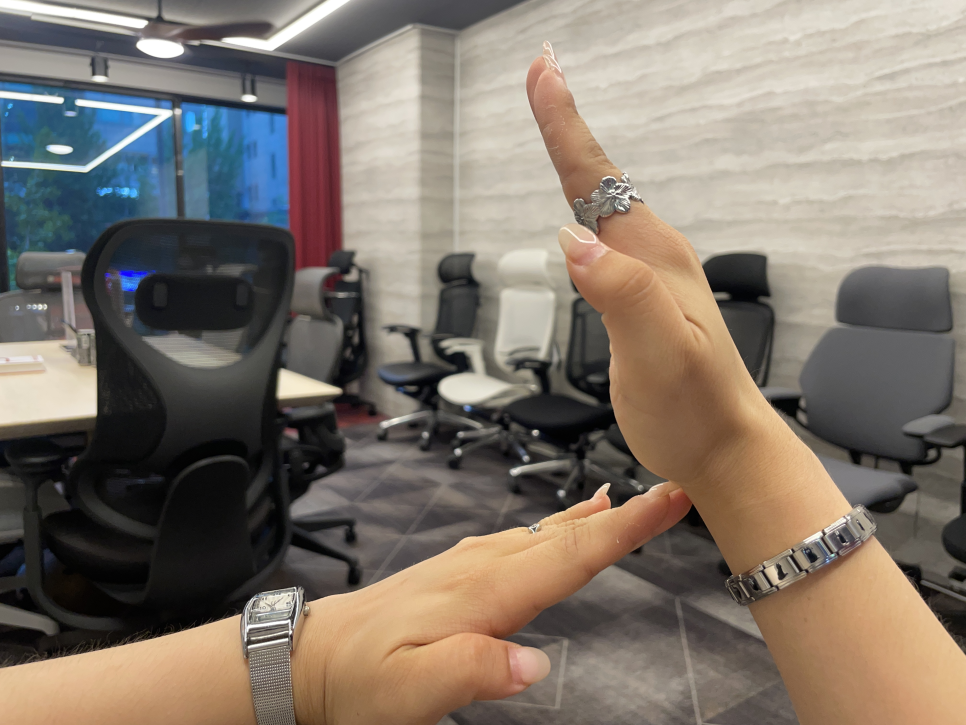
Whether the Aeron's controlled 5° tilt, the Sylphy's immersive 10° tilt, or an entirely different chair suits you best can only be determined by sitting in it. Posture is personal, and the right angle depends on your body, your tasks, and your preferences.
If you have access to a showroom that carries both Herman Miller and Okamura lines, take the time to test each mechanism. Lean forward as you would during real work. Notice where the backrest meets your spine, how the seat edge feels against your thighs, and whether the tilt angle feels natural or forced.
Forward tilting is one of the most underrated features in ergonomic seating—but for anyone who spends hours leaning into their work, it can be transformative.

Furniblog may earn a commission from links in this post, at no extra cost to you. See our affiliate disclosure.