From Aerospace to Office Chairs: The Engineering Story Behind Okamura
How post-war aircraft engineers built one of the world's most precise chair brands
By the Furniblog Editorial Team·July 9, 2026·4 min read
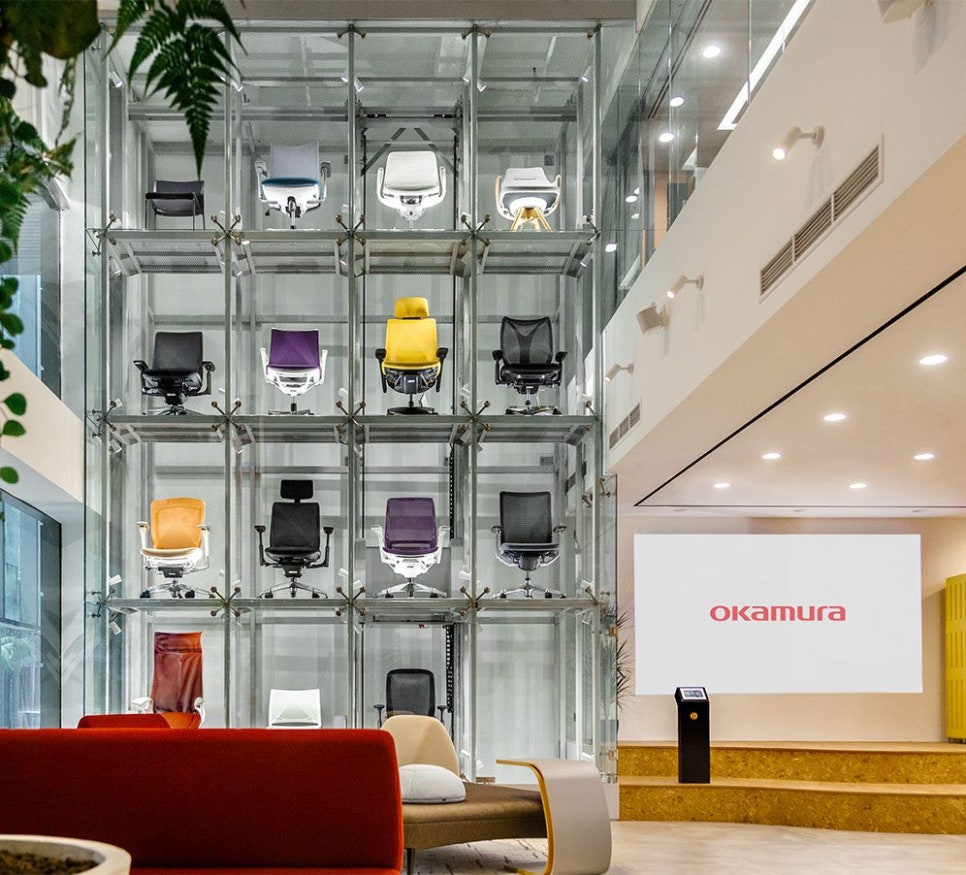
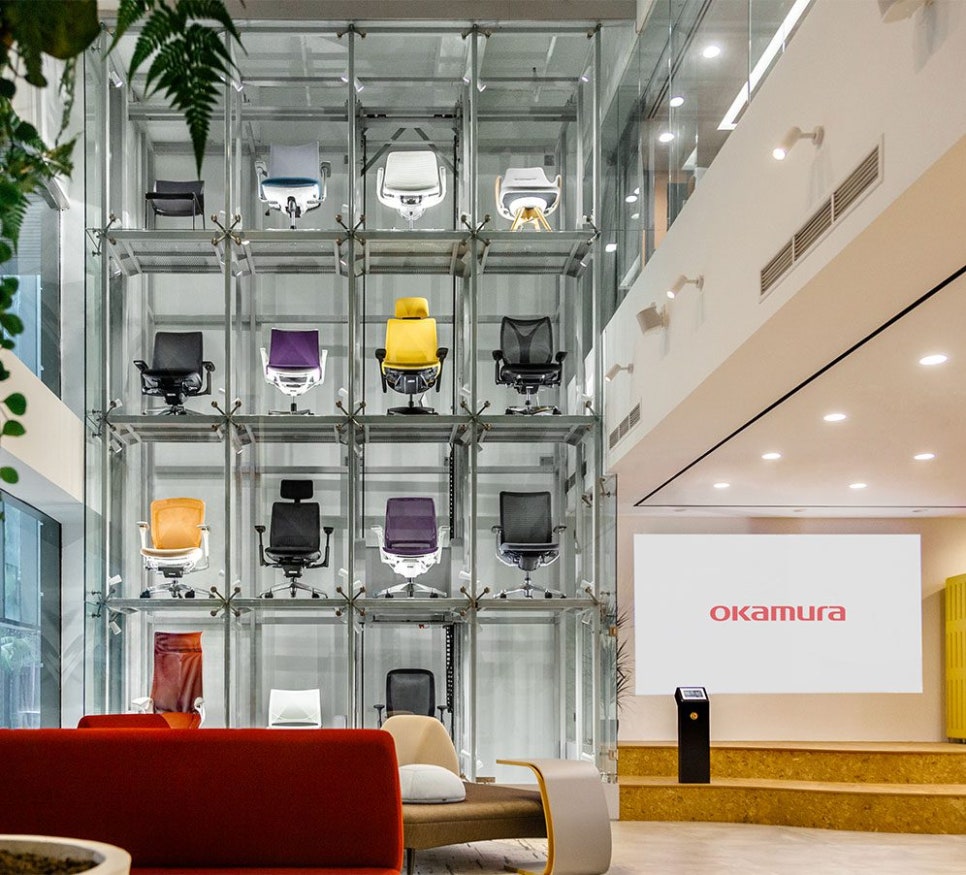
When Aircraft Engineers Turn to Chair Design
If you've ever sat in an Okamura chair and noticed something distinctly different about how the recline mechanism moves—something almost precision-engineered—there's a fascinating reason for that. The Japanese furniture manufacturer has an origin story that reads more like an aerospace documentary than a furniture company history.
Today, Okamura is recognized globally for chairs like the Contessa II, known for their exceptional build quality and mechanical sophistication. But the story of how this brand came to be reveals why their chairs feel so uniquely refined.
From Aircraft Factory to Design Cooperative: 1945
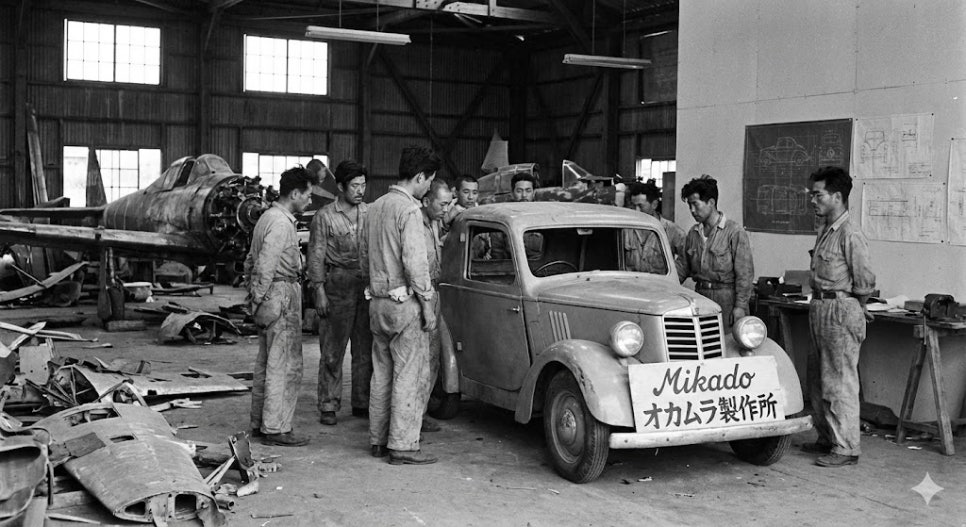
Okamura's founding in 1945 came at a peculiar moment in history—immediately after World War II ended. The company's original team consisted of aircraft engineers who suddenly found themselves with deep technical expertise but no aircraft to build.
Rather than disperse, these engineers gathered in the Okamura district of Yokohama and formed a cooperative. Their mission was simple: apply their engineering knowledge to civilian products. But their first major project wasn't furniture at all—it was an automobile called the Mikado.
Engineering Ambition in Post-War Japan
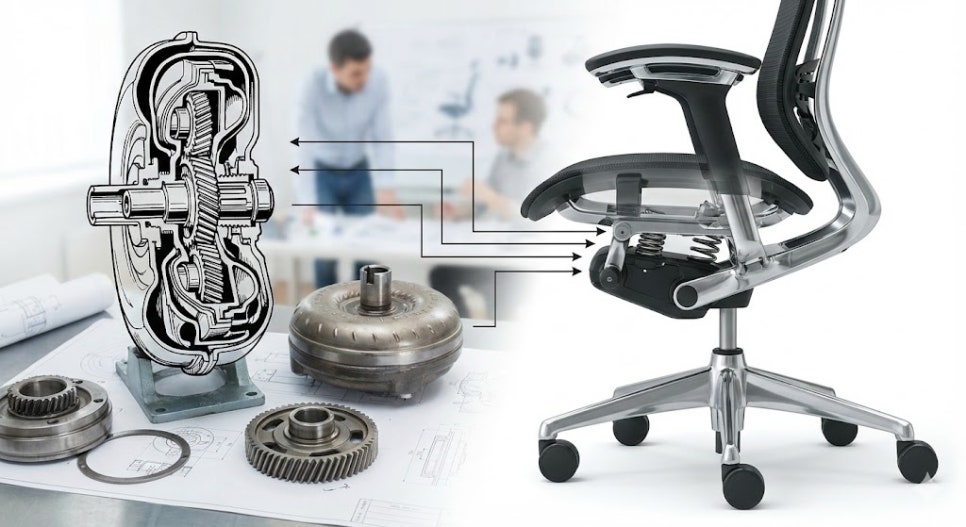
The Mikado wasn't just any car. The team developed one of Japan's first torque converters—a core automatic transmission component—entirely in-house. This wasn't a group satisfied with basic manufacturing; they were engineers who wanted to push technical boundaries.
Although the automotive venture eventually ended as larger manufacturers dominated the market, the technical foundation remained. The metal fabrication skills, the understanding of mechanical systems, and crucially, the knowledge of fluid dynamics all transferred directly into furniture design.
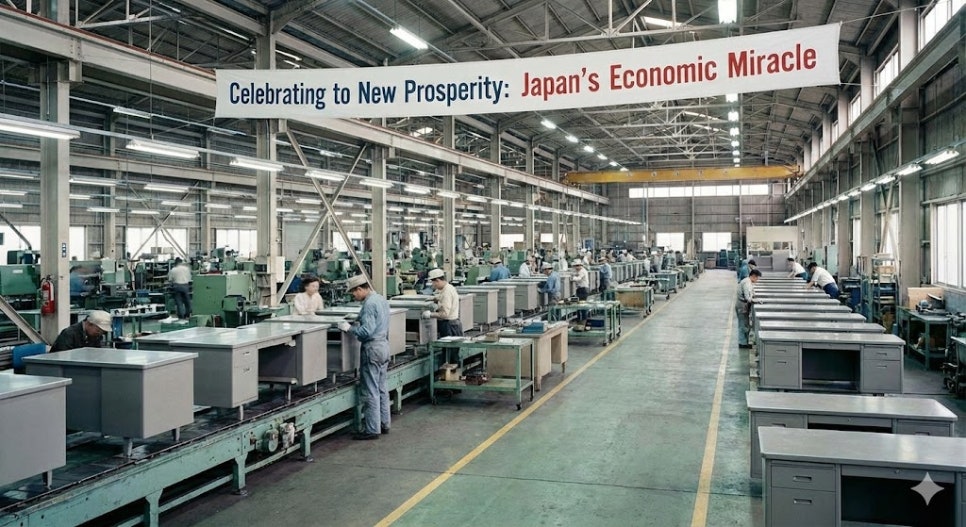
Why Okamura Chairs Feel Mechanically Different
If you've ever examined the reclining mechanism on an Okamura chair, you'll notice it feels different from most office seating. There's a precision to the movement, a sense that every component has been calculated and refined.
That's because the people designing these mechanisms came from a world where tolerances mattered enormously—where a miscalculation could mean a failed aircraft component. When they asked "how should a chair move to support the human body?" they approached it with the same rigor they once applied to airplane wings and automotive transmissions.
This engineering heritage is particularly evident in Okamura's flagship models:
Contessa II – The brand's iconic ergonomic chair with sophisticated mesh suspension
Sylphy – Known for its refined adjustability and smooth mechanics
Baron – A more accessible model that still maintains the brand's mechanical precision
Sabrina – Combines ergonomic support with sleek European styling
The Italian Connection: Giorgetto Giugiaro
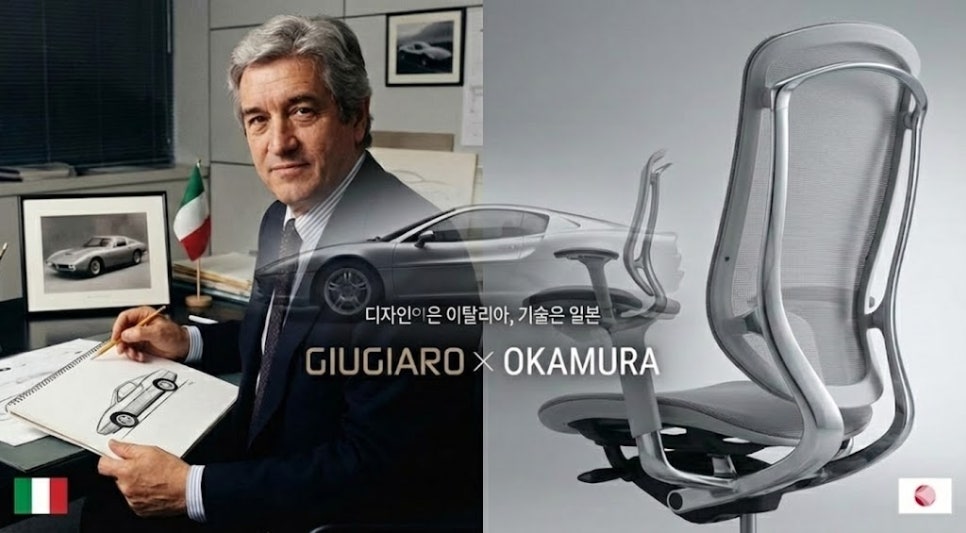
Okamura's engineers understood something important early on: they excelled at mechanical engineering but needed help with aesthetic refinement. Their solution was to partner with one of the automotive world's greatest designers.
Giorgetto Giugiaro, the legendary Italian designer behind the DeLorean (from Back to the Future) and the original Hyundai Pony, was brought in to shape Okamura's design language. The result was the Contessa series—a chair that looks as elegant as a sports car but moves with the precision of aerospace engineering.
This East-meets-West collaboration created something distinctive: the flowing curves and visual refinement of Italian automotive design, supported by the mechanical perfectionism of Japanese engineering.
The Okamura Design Philosophy Today
Modern Okamura chairs continue this dual heritage. When you adjust a Contessa II or settle into the mesh back of a Sylphy, you're experiencing:
Precision mechanisms developed by engineers who once built aircraft components
Refined aesthetics influenced by European automotive design
Material science applied to mesh tensioning and frame construction
Biomechanical research into how bodies move and need support
This explains why Okamura chairs often command premium prices and devoted followings. They're not simply assembled—they're engineered in the truest sense of the word.
Why This Heritage Matters for Chair Buyers
Understanding Okamura's background helps explain what you're actually paying for when you invest in one of their chairs. While American manufacturers like Steelcase and Herman Miller bring their own strengths, Okamura offers something distinct: a chair that feels like a precision instrument.
If you value:
Mechanical refinement and smooth, precise adjustments
Long-term durability from aerospace-grade engineering standards
Sophisticated mesh technology that properly tensions and supports
Design that balances form with function
Then Okamura's engineering heritage directly serves your needs.

The Legacy Lives On
From a group of aircraft engineers in post-war Yokohama to a global furniture manufacturer, Okamura's journey illustrates how deep technical expertise can transform an industry. Their chairs don't just support your back—they represent decades of precision engineering applied to the challenge of human comfort.
The next time you experience that distinctive "feel" when reclining in a Contessa or adjusting a Baron, remember: you're sitting in a chair designed by people who once built aircraft. That level of engineering obsession never really goes away—it just finds new applications.
And in this case, it found its way into some of the most mechanically sophisticated office chairs ever made.

Furniblog may earn a commission from links in this post, at no extra cost to you. See our affiliate disclosure.