From Campus Notebooks to Office Chairs: Kokuyo's 121-Year Journey
How a ledger-cover shop became one of Japan's top three chair makers
By the Furniblog Editorial Team·July 10, 2026·4 min read
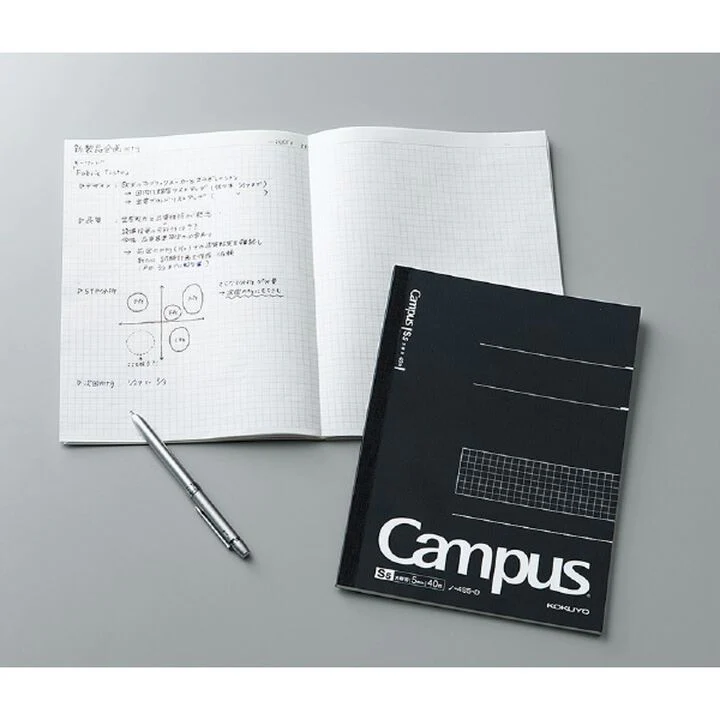
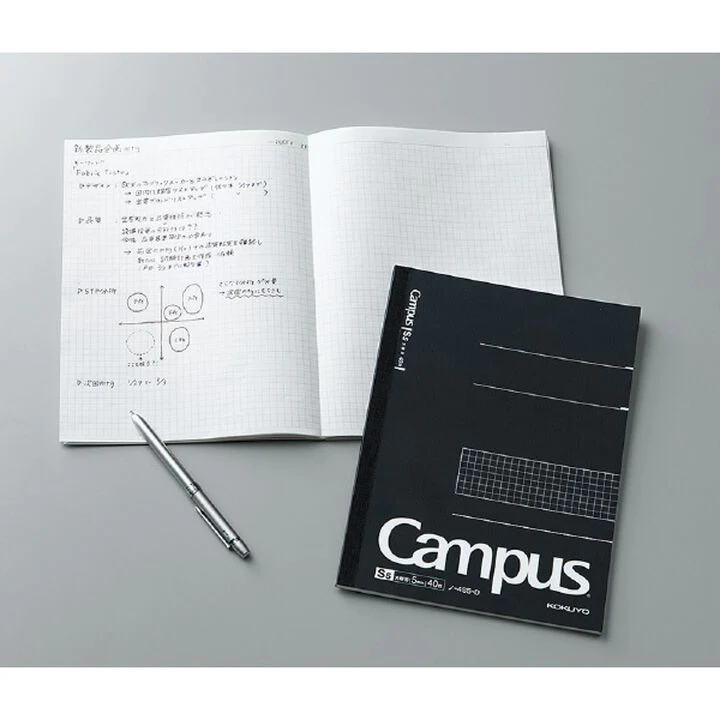
If you've ever used a Campus notebook during your school years, you've already encountered Kokuyo—though you might not have realized this stationery brand is also one of Japan's four major office furniture manufacturers. Alongside Okamura and Itoki, Kokuyo has become a pillar of Japan's office market, but its origin story begins neither with chairs nor notebooks.
It started in a small Osaka shop making ledger covers. And the name "Kokuyo" itself contains a promise made by a 19-year-old leaving home. Here's the 121-year story of how that promise was kept.
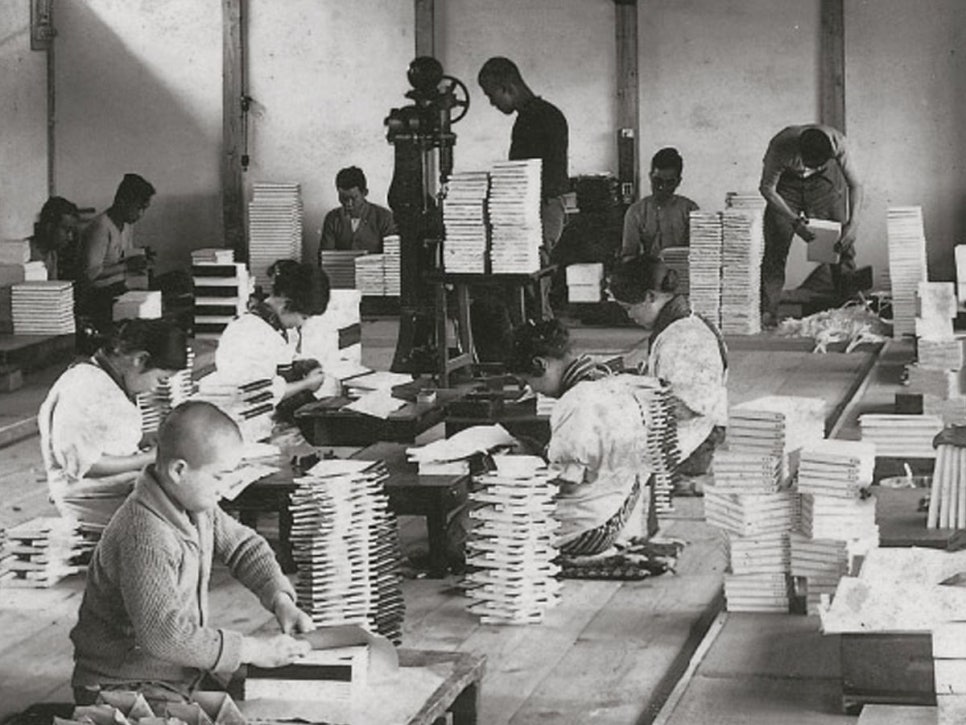
1905: A Small Shop Making Ledger Covers
Kokuyo's journey began in 1905 in Osaka, when 26-year-old founder Kuroda Zentaro opened a modest operation. His business wasn't glamorous: he manufactured and supplied covers for Japanese-style ledgers. The shop was simply called Kuroda Cover Shop.
Though the beginnings were humble, Kuroda's direction was clear. He successfully localized ledger paper that had previously been imported from Britain, propelling the company toward becoming a powerhouse in Japan's paper and stationery market.
The Name "Kokuyo": A 19-Year-Old's Pledge
The name Kokuyo didn't exist from day one. The trademark first appeared in 1917, and its meaning is significant.
Koku (国) means country or hometown. Yo (誉) means honor or pride.
Together, Kokuyo translates to "pride of my homeland." At age 19, Kuroda had left his hometown in search of work. As family and friends saw him off, he made a promise to make them proud—and he inscribed that pledge into the company name. The early trademark design featured the kanji characters surrounded by a rising sun and cherry blossoms, embodying pride in homeland and country. This vision of being "the pride of the hometown" would eventually expand to become "the pride of Japan" and then "the pride of Asia."
When a brand name carries this kind of narrative weight, it's no surprise the company has remained steadfast for over a century.
From Notebooks to Office Furniture to Chairs
With a solid foundation in ledgers and stationery, Kokuyo rapidly expanded its business:
1960: Entered the office furniture market with steel filing cabinets
1966: Produced its first office chair with swivel functionality—the beginning of "Kokuyo the chair company"
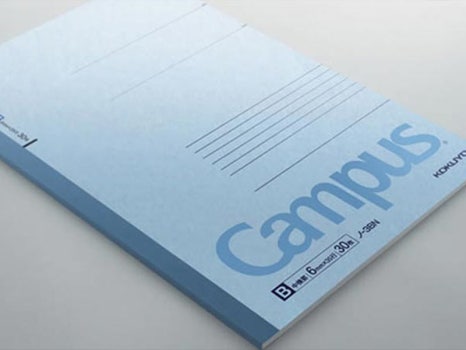
1975: Launched the Campus notebook, which became a national staple in Japan
2009: Released the Harinacs, a stapler that binds paper without staples
Whether stationery or furniture, Kokuyo has consistently pursued products that are simple, functional, and built to last. Today, the company spans furniture, stationery, and spatial design.
Kokuyo's Question About Chairs: The Ing Series
The model that best embodies Kokuyo's chair philosophy is the Ing—billed as a "360° gliding chair." Launched in Japan in November 2017, it debuted in Europe at Orgatec in Cologne in 2018, where it generated significant buzz.
The starting point is compelling: "The human body was born to move." Our bodies contain over 360 joints and approximately 700 skeletal muscles, yet office workers spend entire days frozen in chairs. The Kokuyo Ing was designed to address this contradiction.
How the Ing Works
360° Gliding Mechanism: The seat pan moves freely in all directions, allowing your body to engage in continuous micro-movements even while seated. It feels somewhat like sitting on a balance ball.
The chair operates solely through body weight and movement—no complicated levers. If you prefer, you can lock it to function like a conventional chair.
According to Kokuyo's internal research, sitting in the Ing for four hours with natural movement burns approximately 85 calories, equivalent to walking about 1.5 kilometers. Users also reported improvements in concentration and creativity.
The concept of "sitexercising"—exercising while sitting—is quintessentially Kokuyo. The popular Ing Cloud variant available in many markets is a color and material variation within this same line.

121 Years of Pride: You Have to Sit to Understand
From a 19-year-old's pledge to make his hometown proud, through ledger covers to national notebooks to office furniture to chairs that move with you—Kokuyo's 121-year story can be summarized in one sentence: "Stay true to the basics, but never stop asking new questions."
Whether the Ing's seat pan truly follows your body through 360°, and what that balance-ball sensation actually feels like, are things you can only understand by sitting in one yourself. Kokuyo represents a distinct approach within the landscape of Japanese ergonomic furniture, joining the ranks of other prestigious Japanese manufacturers like Okamura and Itoki.
For those seeking a chair that challenges conventional notions of office seating—one that keeps your body gently active throughout the workday—the Kokuyo Ing and Ing Cloud deserve serious consideration. They embody more than a century of Japanese craftsmanship and an unwavering commitment to rethinking how we work.
Furniblog may earn a commission from links in this post, at no extra cost to you. See our affiliate disclosure.