Herman Miller Aeron Tilt Lock: Why Your Chair Still Moves (And Why That's Normal)
That slight wiggle when locked isn't a defect—it's designed that way
By the Furniblog Editorial Team·July 31, 2026·3 min read
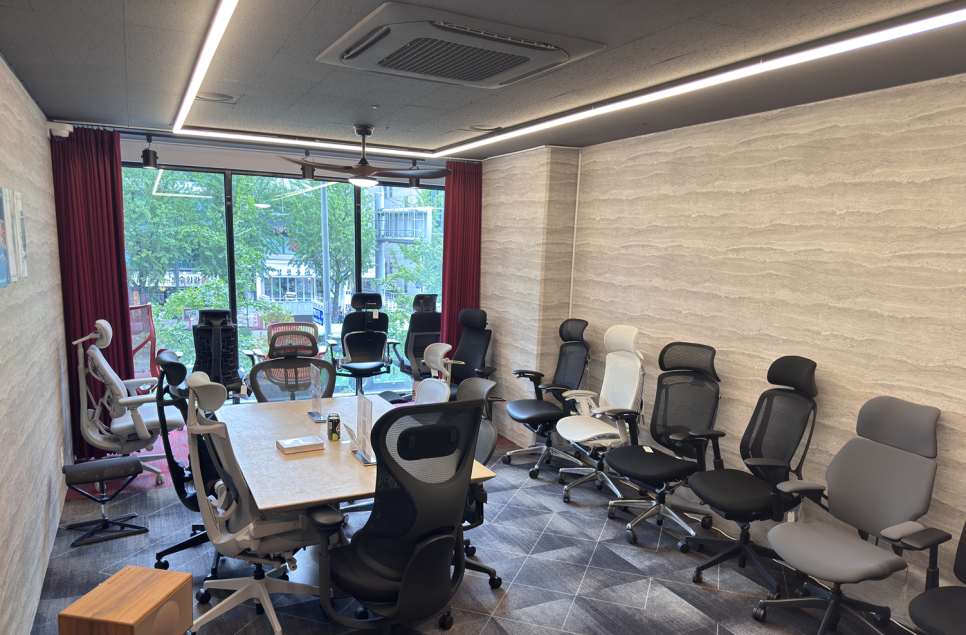
One of the most common questions we hear from Herman Miller Aeron owners is simple but concerning: "I've locked the tilt—so why does my chair still rock a little?"
If you've experienced this, you're not alone. Many users are initially worried. Is the chair defective? Am I using it wrong?
The short answer: in most cases, it's completely normal.
Why Your Tilt Lock Doesn't Lock "Completely"
Here's the thing: a tilt lock isn't actually a rigid clamp. It's more accurately described as a recline limiter—a mechanism that prevents the backrest from tilting past a certain angle, not one that freezes the chair in place.
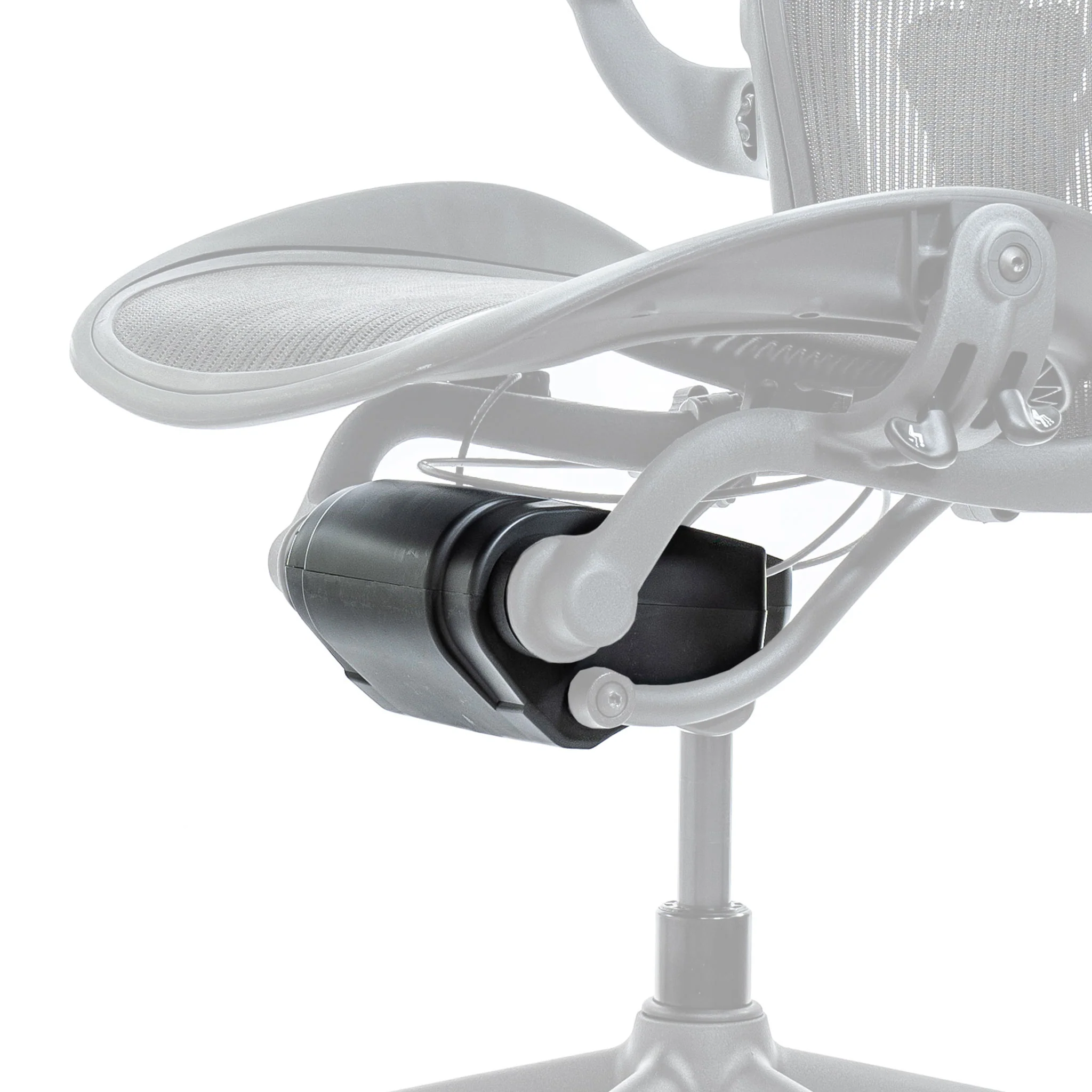
The tilt lock works by engaging gears and pins that mesh together to restrict movement. But between any two meshing mechanical parts, there must be some clearance—what engineers call tolerance. Without it, the parts wouldn't move smoothly, or even fit together at all.
This isn't a design flaw. It's fundamental to how mechanical joints work.
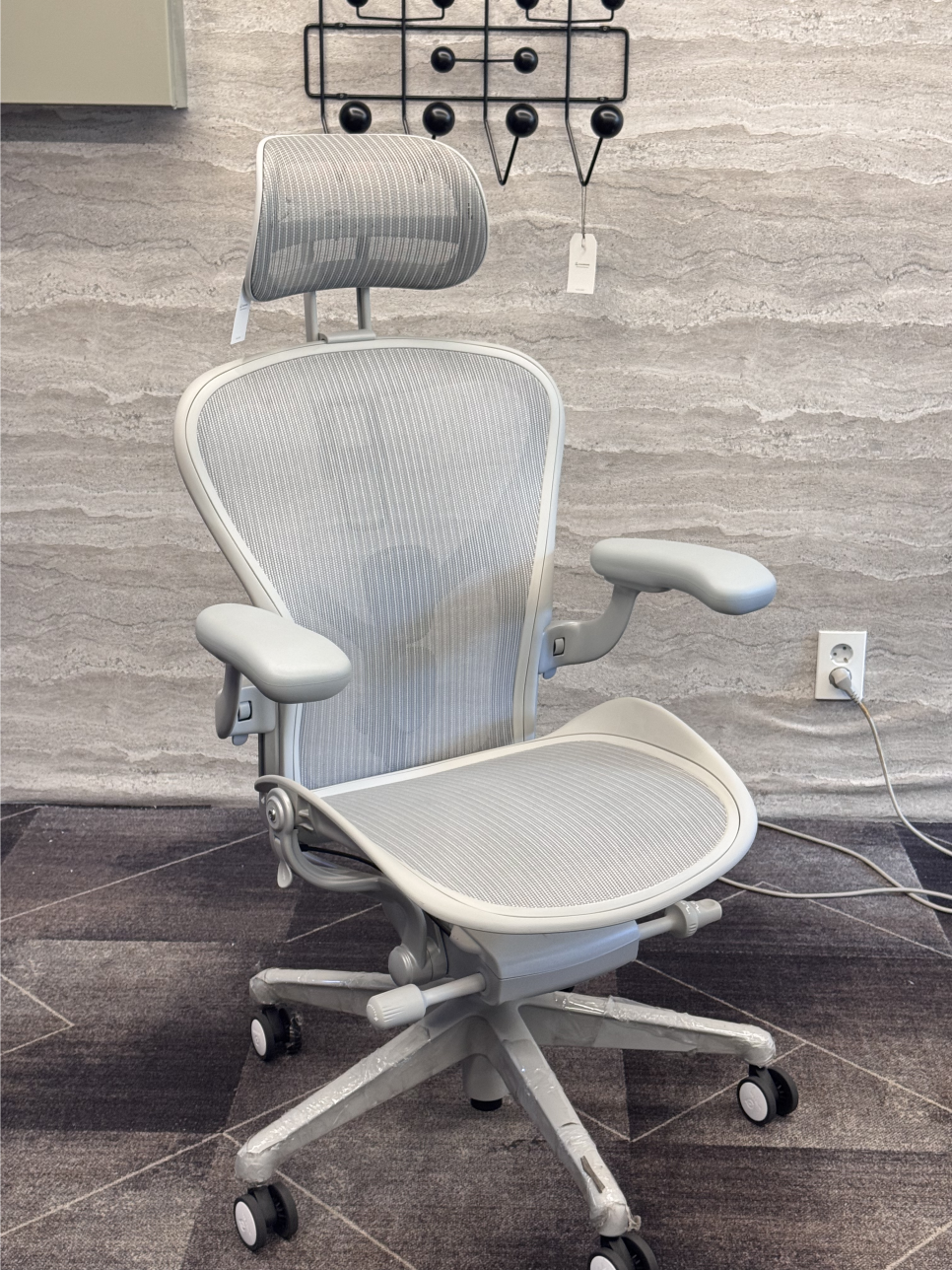
Why Zero Tolerance Would Actually Be Worse
Think back to those old rigid school chairs—hard, immovable, unforgiving. Chairs without any give aren't comfortable for long sitting sessions.
If mechanical components fit together with zero clearance, several problems arise:
The controls become stiff and hard to operate
Friction between parts increases dramatically
Wear accelerates, shortening the chair's lifespan
The seated experience feels unnaturally rigid
Every articulated mechanism—whether in a chair, a car door, or a laptop hinge—requires some tolerance to function smoothly and last. That subtle movement you feel when the tilt lock is engaged isn't a sign your chair is broken. It's a sign it's breathing the way it should.
How to Reduce the Wiggle (If It Bothers You)
While you can't eliminate the play entirely, you can noticeably reduce it. The solution is straightforward: increase your tilt tension.
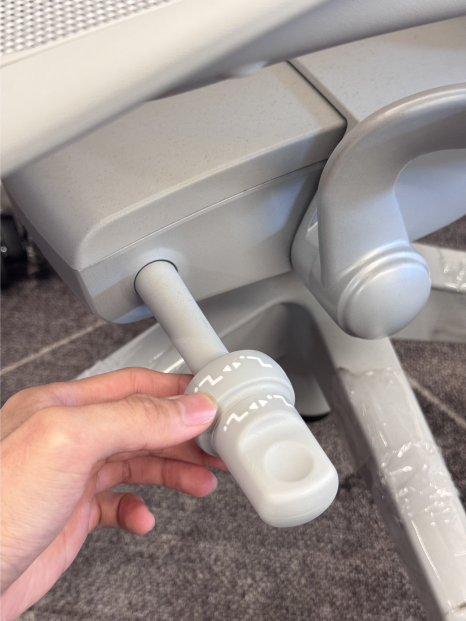
On the Aeron, you'll find a long tension knob on the right side of the seat, under the armrest. Turn it clockwise (toward the plus sign) to increase resistance when you recline. The higher the tension, the firmer the chair feels overall—and the less noticeable that residual wiggle becomes when the lock is engaged.
This isn't unique to the Aeron. Most premium ergonomic chairs—like the Steelcase Gesture, Steelcase Leap V2, or Herman Miller Embody—use similar tilt mechanisms with comparable tolerances. If your tension is set too low, the play will feel more pronounced. Tighten it up, and the chair will feel more solid.
When Should You Be Concerned?
Of course, not all movement is normal. If your chair exhibits any of the following, it's worth getting it checked:
Excessive side-to-side rocking or wobbling (not just front-to-back)
Grinding, clicking, or popping noises when you shift weight
The tilt lock disengages unexpectedly
Visible damage or loose parts around the tilt mechanism
When in doubt, it's always best to see the chair in person or consult with a knowledgeable dealer who can assess whether the movement falls within normal tolerances.
Final Thoughts
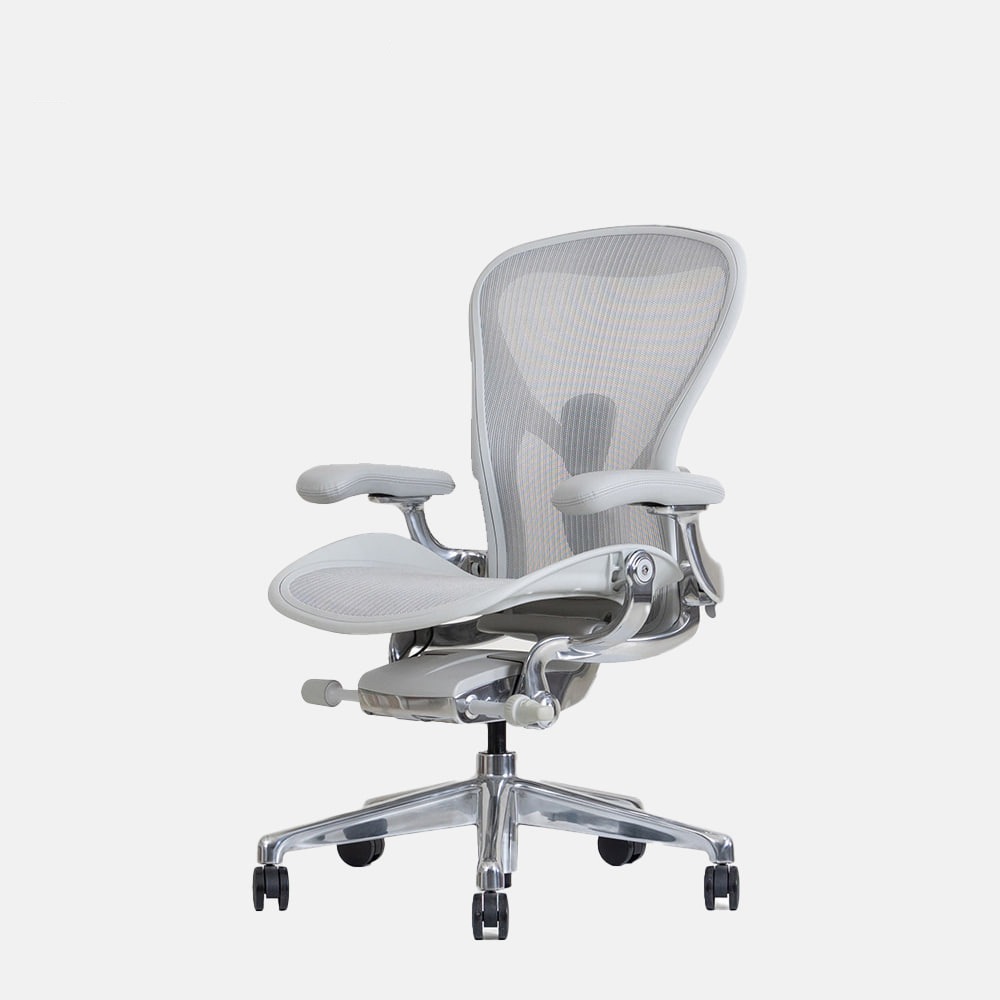
That slight give you feel in your Aeron's tilt lock isn't a defect—it's a deliberate aspect of its mechanical design. The tolerances that allow a bit of play are the same ones that keep the chair operating smoothly for years.
If the movement bothers you, start by tightening the tilt tension knob. You'll likely find the chair feels much more stable without sacrificing comfort. And if you're still unsure whether what you're experiencing is normal, don't hesitate to visit a showroom or reach out to a specialist. Sometimes the best way to know if your chair is working as intended is simply to compare it side-by-side with a known good example.
The Aeron remains one of the most refined task chairs ever made—and a little mechanical tolerance is part of what makes it work so well.
Furniblog may earn a commission from links in this post, at no extra cost to you. See our affiliate disclosure.