Herman Miller Aeron vs. Kokuyo Ing Cloud: Two Design Philosophies, Two Seating Experiences
Why comfort is personal—and why one chair's "structure" is another's "freedom"
By the Furniblog Editorial Team·July 6, 2026·5 min read
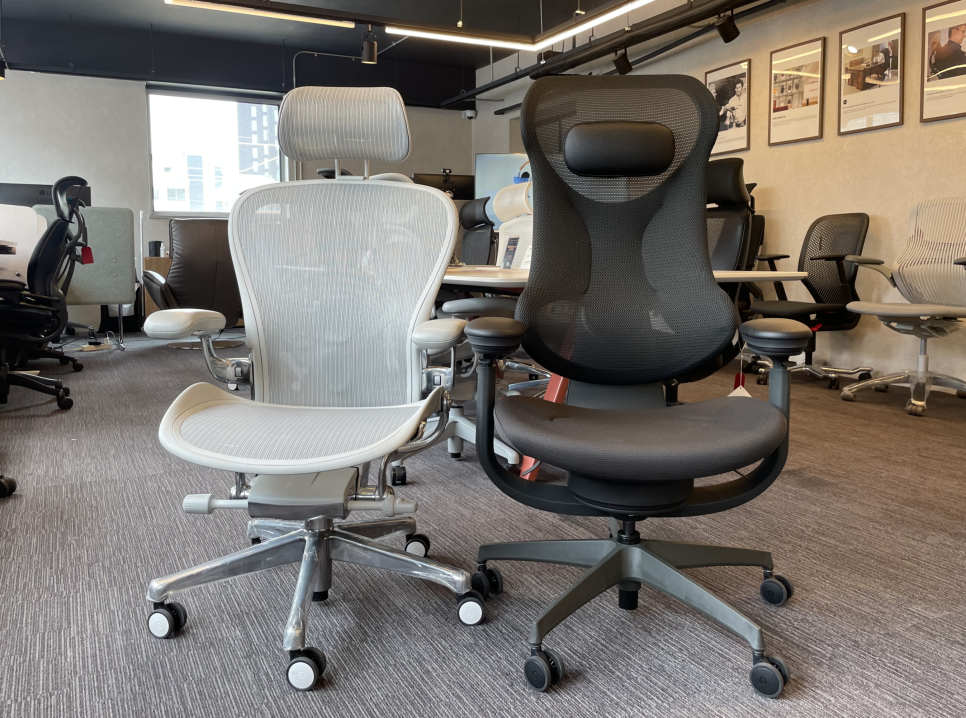
Did the Aeron Feel Uncomfortable? It's Not the Chair—It's Preference
The Herman Miller Aeron is a legendary office chair. It rewrote the rules of ergonomic seating and became a Silicon Valley icon. But despite its reputation, some users find it surprisingly rigid or restrictive.
That doesn't mean the chair is flawed. It means seating comfort is deeply personal.
If the Aeron's firm, structured support didn't work for you, consider the opposite approach: the Kokuyo Ing Cloud, a chair designed to flow with your body rather than hold it in place.
Both are high-end mesh task chairs. But their philosophies—and the sensations they deliver—couldn't be more different.
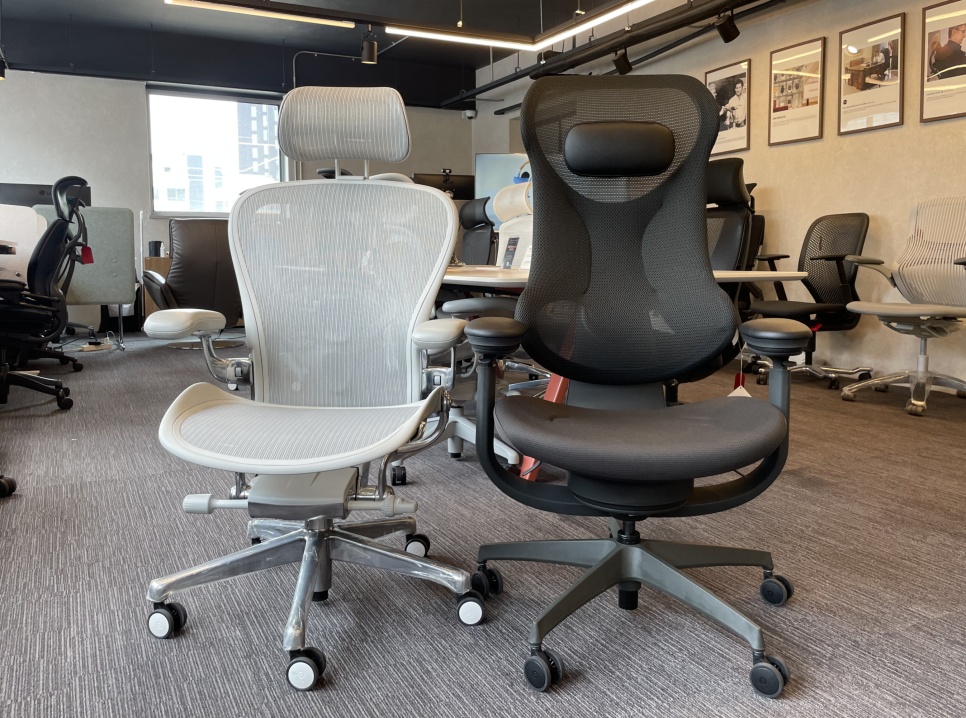
The Aeron Philosophy: Engineered Support That Holds You in Place
First launched in 1994 and refined in 2016, the Aeron has sold millions of units worldwide. It remains the benchmark for ergonomic task seating.
What Makes the Aeron Feel "Firm"
The Aeron's defining characteristic is structural precision:
Die-cast aluminum frame: The rigid skeleton holds the mesh taut across the seat and backrest.
8Z Pellicle mesh: Developed with DuPont, this mesh is divided into eight tension zones that distribute weight with varying firmness across different body regions.
PostureFit SL: Supports the lower back, sacrum, and pelvis to maintain an upright, neutral posture.
In short, the Aeron is a chair that creates correct posture. It guides your body into alignment and keeps it there.
When "Support" Feels Like "Restriction"
This firmness is intentional—but it's not universally comfortable.
The pronounced side frames of the backrest can feel intrusive if you shift positions frequently or cross your legs. The firm front edge of the seat pan may press into the thighs of users whose body size doesn't align perfectly with the chair's A, B, or C sizing.
This isn't a defect. The Aeron is designed to discourage poor posture. Its rigidity is a feature, not a bug—but that feature won't suit everyone.
Who Thrives in an Aeron
If you work in a fixed, upright posture for long hours and appreciate firm lumbar support, the Aeron's structure becomes reassuring rather than confining. Properly sized and adjusted—using the Harmonic 2 tilt and fully adjustable arms—it offers stable, all-day comfort for users who value precision and control.
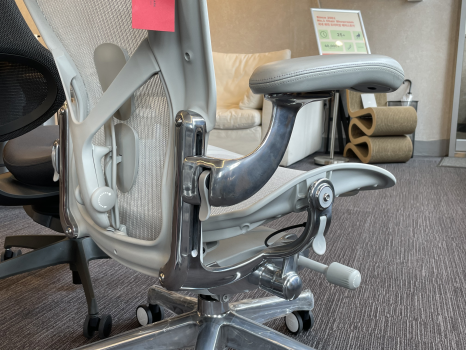
The Ing Cloud Philosophy: Motion Without Resistance
Kokuyo, a major Japanese furniture brand, took a different approach. Their diagnosis: staying in one position is the problem, not sitting itself.
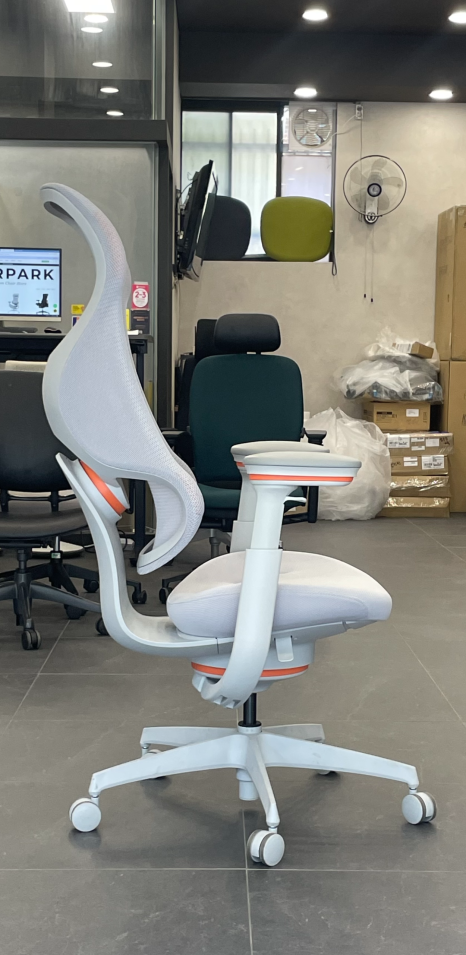
The Ing Cloud, released in December 2025 after eight years of development, is the third model in Kokuyo's "Ing" series. Its nickname, "Cloud," reflects its goal: a sensation of floating, free from the constraints of a rigid frame.
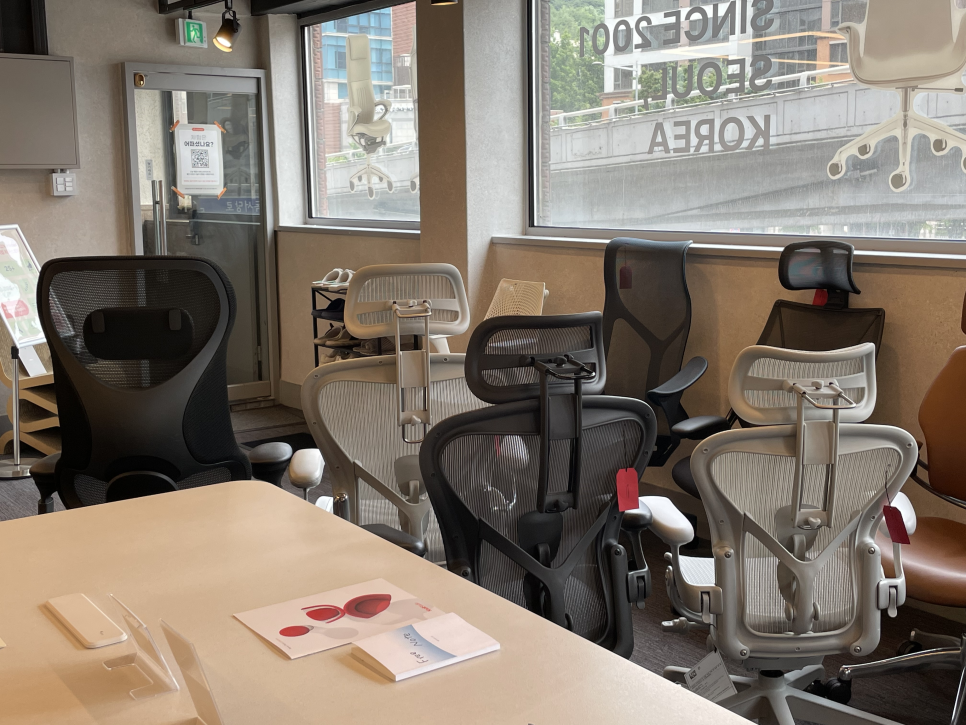
Core Innovation 1: Triple Gliding
The Ing Cloud allows three independent movements simultaneously:
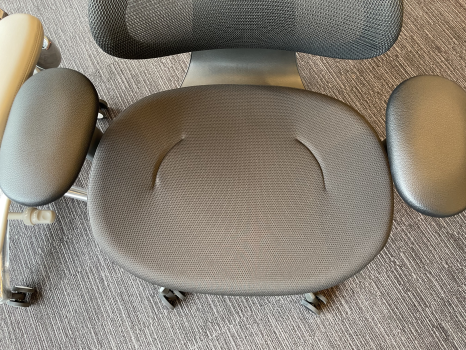
The seat pan tilts forward, backward, and side-to-side (range adjustable via left lever).
The backrest responds fluidly to subtle shifts in your spine.
The armrests glide with your forearms as you type or gesture.
No matter how you move, the chair yields and adapts.
Core Innovation 2: Gravity-Driven, Spring-Free Movement
Here's the most striking detail: the Ing Cloud uses no springs.
Kokuyo's proprietary 3D Ultra AutoFit mechanism relies solely on gravity and body weight to distribute pressure dynamically. The result is a chair that feels less like furniture and more like a second skin. Kokuyo describes it not as "sitting" but as "enveloping."
Core Innovation 3: Frameless 3D Hammock Mesh
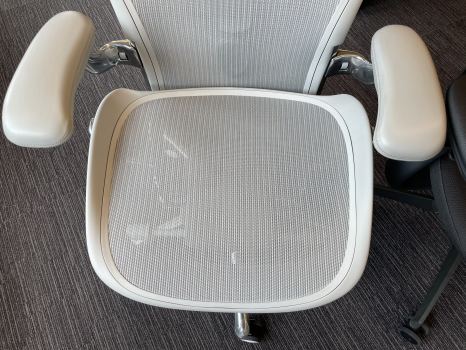
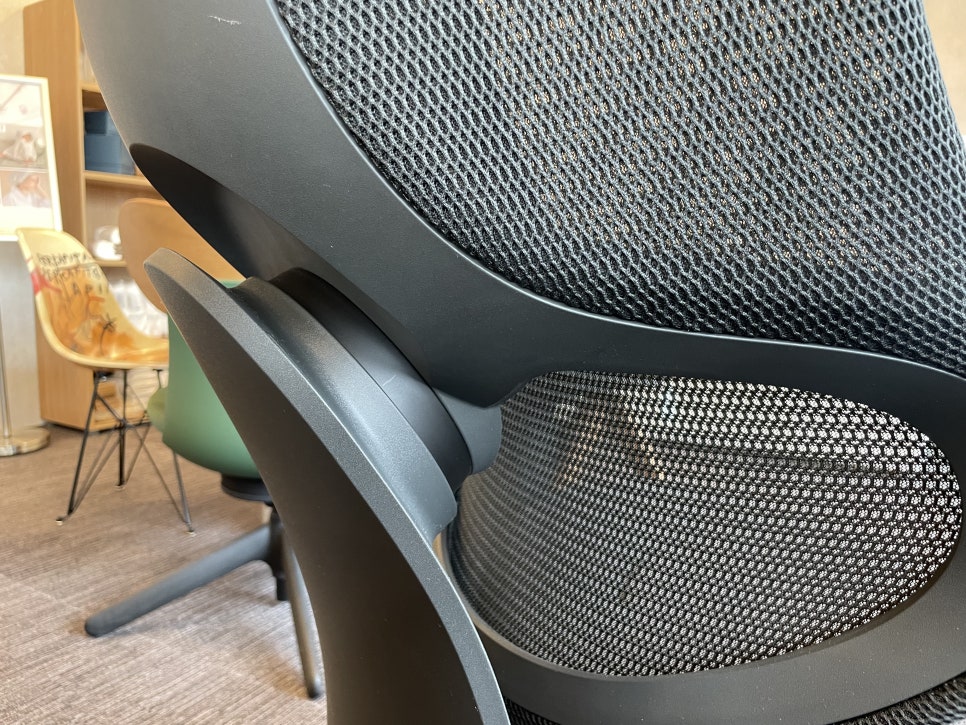
Traditional mesh chairs have rigid side frames on the backrest—a common source of discomfort when your shoulders or arms contact the edge.
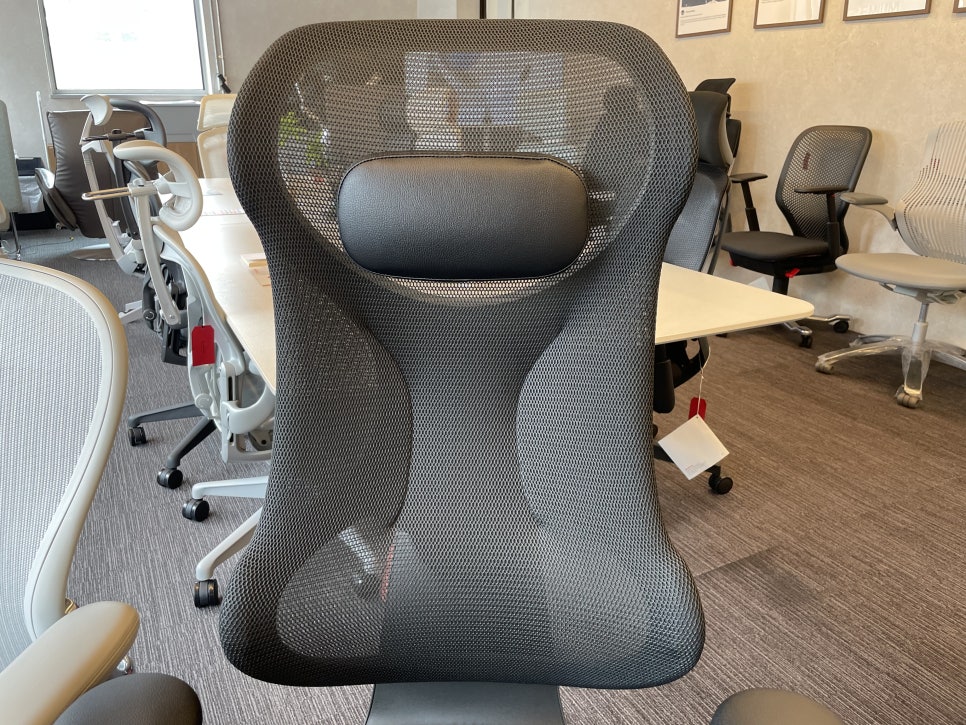
The Ing Cloud eliminates the side frames entirely. Its 3D hammock mesh wraps around your back as a continuous surface, allowing unrestricted shoulder and arm movement. Add a height-adjustable headrest (70mm range), and the result is full-body freedom.
Key Specifications
Feature | Detail |
|---|---|
Mechanism | 3D Ultra AutoFit (gravity-based, no springs) |
Movement | Triple gliding: seat, backrest, armrests |
Backrest | 3D hammock mesh, frameless sides |
Headrest | Height adjustable, 70mm travel |
Development | 8 years; released December 2025 |
Head-to-Head: Aeron vs. Ing Cloud
Aspect | Herman Miller Aeron | Kokuyo Ing Cloud |
|---|---|---|
Design philosophy | Holds you in correct posture | Flows with your movement |
Frame | Rigid aluminum, prominent edges | Frameless backrest sides |
Mesh | 8Z Pellicle (8 tension zones) | 3D hammock mesh |
Movement | Harmonic 2 tilt | Gravity-driven triple gliding |
Lumbar support | PostureFit SL (sacral/lumbar) | 3D AutoFit pressure distribution |
Sizing | A, B, C (body-specific) | One size, auto-adaptive |
Approx. price | ~₩2,840,000 (~$2,100 USD) | ~₩3,450,000 (~$2,550 USD) |
This isn't about which chair is "better." It's about which design philosophy matches your body and work style.
Which Chair Is Right for You?
Choose the Aeron if you:
Work in a fixed, upright posture for long stretches and value firm, stable support.
Appreciate fine-tuning fit through size selection and precise adjustments.
Want the proven legacy and timeless design of an icon.
Choose the Ing Cloud if you:
Shift positions frequently and need a chair that moves with you, not against you.
Code, design, or work long hours and hate feeling "locked in place."
Have experienced discomfort from rigid mesh side frames in the past.
Try Before You Decide
At roughly $2,100 and $2,550 respectively, these are substantial investments. And seating preference is something you feel, not read about.
Does your body need structure, or does it crave freedom? The only way to know is to sit in both.
If you have access to a showroom that stocks both the Aeron and the Ing Cloud, spend time in each. Pay attention to how your shoulders, hips, and lower back respond as you shift, lean, and settle in.
One chair holds. The other flows. Both are exceptional—but only one will feel like yours.
Furniblog may earn a commission from links in this post, at no extra cost to you. See our affiliate disclosure.