How Knoll Turned an Office Chair Into a MoMA-Worthy Work of Art
The Generation chair blends Bauhaus philosophy with 21st-century ergonomics
By the Furniblog Editorial Team·July 8, 2026·4 min read

When Your Office Chair Belongs in a Museum
For most people, an office chair is simply a tool—something functional, often black, usually cluttered with visible levers and mechanical parts. But what if a chair could be more than that? What if it were a piece of sculpture you could actually sit in?
That's the philosophy behind Knoll's Generation chair, a task seating design that embodies decades of modernist thinking while delivering contemporary ergonomic performance. To understand why this chair matters, you first need to understand the brand behind it.

Knoll: The Brand That Wrote Modernism's Furniture History
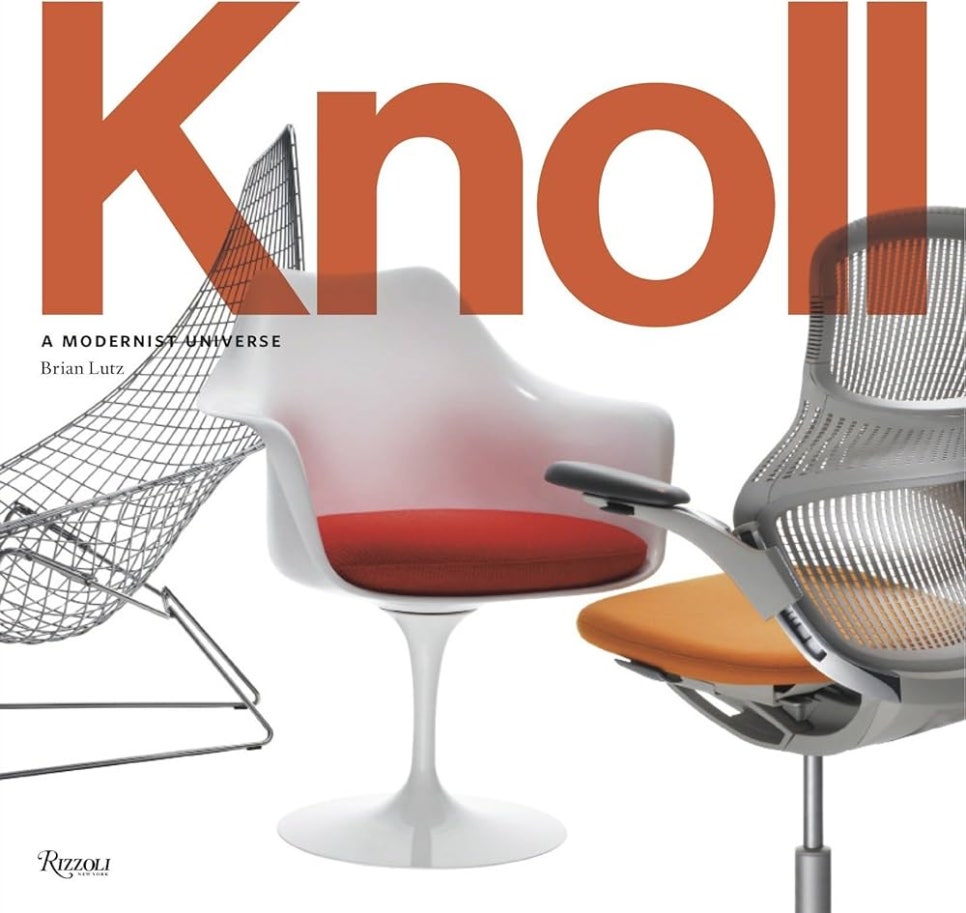
Since 1938, Knoll has collaborated with some of the 20th century's most influential architects and designers—names like Mies van der Rohe and Eero Saarinen. The result? More than 40 pieces in the permanent collection of New York's Museum of Modern Art (MoMA), cementing Knoll's role as a curator of modernist furniture history.
The Generation chair carries forward that legacy. It's not just another ergonomic task chair; it's a thoughtful interpretation of the Bauhaus principle that "form follows function," reimagined for the 21st-century workplace.
Designed by Formway, Refined by Knoll
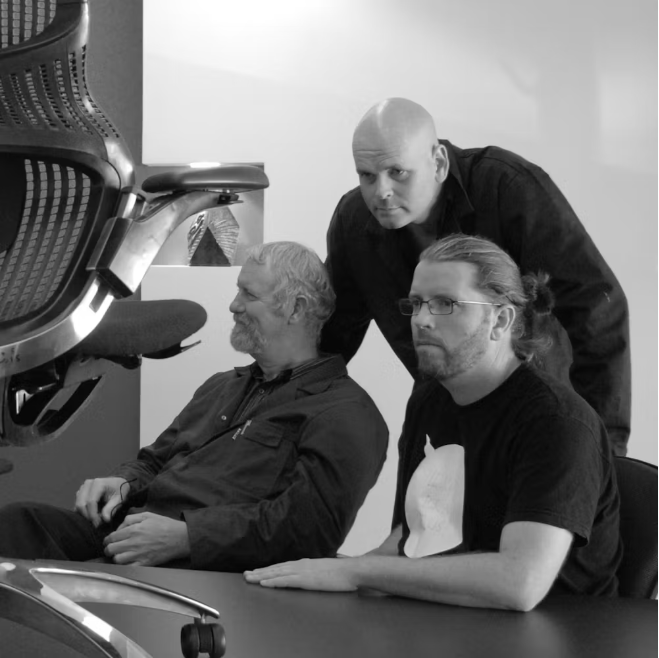
The Generation chair was born from a collaboration with Formway Design, a New Zealand-based studio known for research-driven ergonomics. Rather than simply making something attractive, Formway and Knoll studied natural human movement and designed a chair that responds to it intuitively.
The result is a chair that feels as good as it looks—and it looks exceptional.
What Makes the Generation Chair Different
The Frameless Flex Back
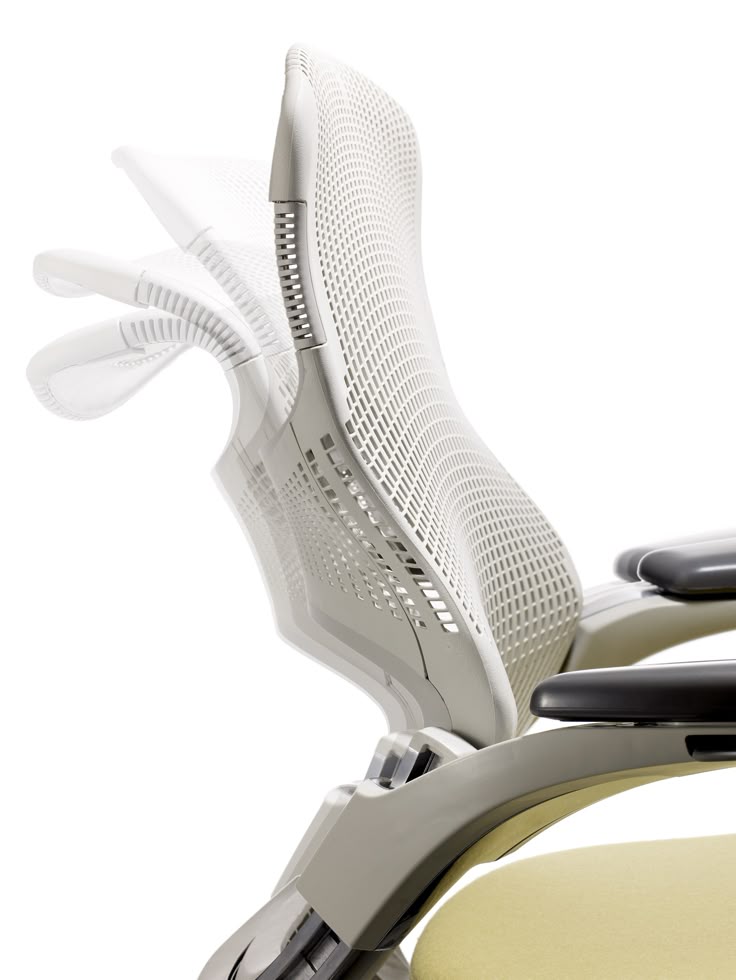
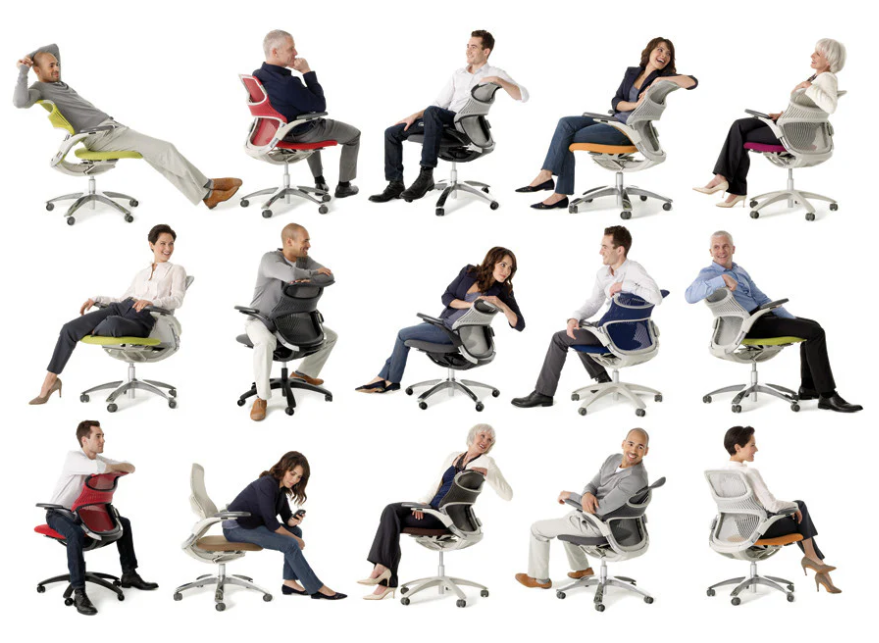
Most office chairs have a rigid plastic frame around the backrest, which can dig into your shoulders when you lean back or stretch. The Generation does away with that. Its frameless top edge allows the backrest to flex freely, adapting to your posture without constraint.
The backrest itself is made from a high-performance elastomer web—think of it as a network of supportive strands that stretch and contract like muscle tissue. It cradles your spine dynamically, adjusting in real time as you shift, recline, or reach.
Minimalism That Hides Complexity
One glance at the Generation and you'll notice what's not there: protruding levers, bulky adjustment knobs, or clunky mechanical housings. All functional elements are integrated seamlessly into the chair's clean lines. Even from behind, the chair maintains an uncluttered, sculptural silhouette.
Transparency and Spatial Openness
The semi-transparent backrest creates a see-through effect that's surprisingly practical. In smaller rooms or tight office layouts, the Generation doesn't visually block space—it opens it up. The result is a lighter, airier feel that makes rooms appear larger.
Color as a Design Statement
Tired of ubiquitous black office chairs? The Generation is available in bold, expressive colors—deep reds, olive greens, and other hues that can serve as focal points in a room. A single Generation chair can transform a neutral space into something dynamic and personal.
Versatile Aesthetic Compatibility
Whether you pair it with a solid wood desk, a minimalist steel frame, or a contemporary glass surface, the Generation adapts. Its modernist vocabulary complements warm, traditional interiors and cool, industrial ones alike.
More Than Ergonomics: A Chair That Elevates Your Space
Good office chairs improve productivity and reduce discomfort. Beautiful office chairs do that and elevate the spaces they occupy. The Generation belongs to the latter category.
If you spend hours at your desk each day, why settle for a chair that's merely functional? The Generation offers something rarer: a synthesis of human-centered engineering and museum-quality design. It's proof that you don't have to sacrifice aesthetics for comfort—or vice versa.
The Bauhaus Legacy in a Modern Task Chair
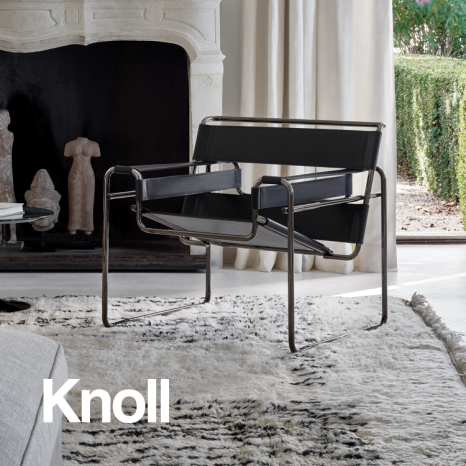
Knoll's enduring influence stems from its commitment to the Bauhaus ethos: that good design integrates art, craft, and technology into objects that serve everyday life. The Generation chair is a direct descendant of that vision, translating early modernist ideals into a tool for 21st-century work.
It's not about nostalgia. It's about continuity—taking principles that have stood the test of time and applying them with contemporary materials, ergonomic research, and manufacturing precision.
Final Thoughts: Design That Inspires Daily
Your chair is where you spend a significant portion of your waking life. It shapes not just your posture, but your environment and, by extension, your mindset. Choosing a chair like the Generation by Knoll isn't an indulgence—it's an investment in the quality of your daily experience.
In a market crowded with purely functional task seating, the Generation stands apart. It's ergonomic, yes—but it's also thoughtful, refined, and visually compelling. It's the kind of chair that makes you excited to sit down and get to work.
And if MoMA trusts Knoll to define what modern furniture should be, that's a vote of confidence worth considering.
Furniblog may earn a commission from links in this post, at no extra cost to you. See our affiliate disclosure.