How to Clean Office Chairs by Material: Leather vs. Mesh Care Guide
The right cleaning method can double your chair's lifespan—here's what works.
By the Furniblog Editorial Team·July 7, 2026·6 min read
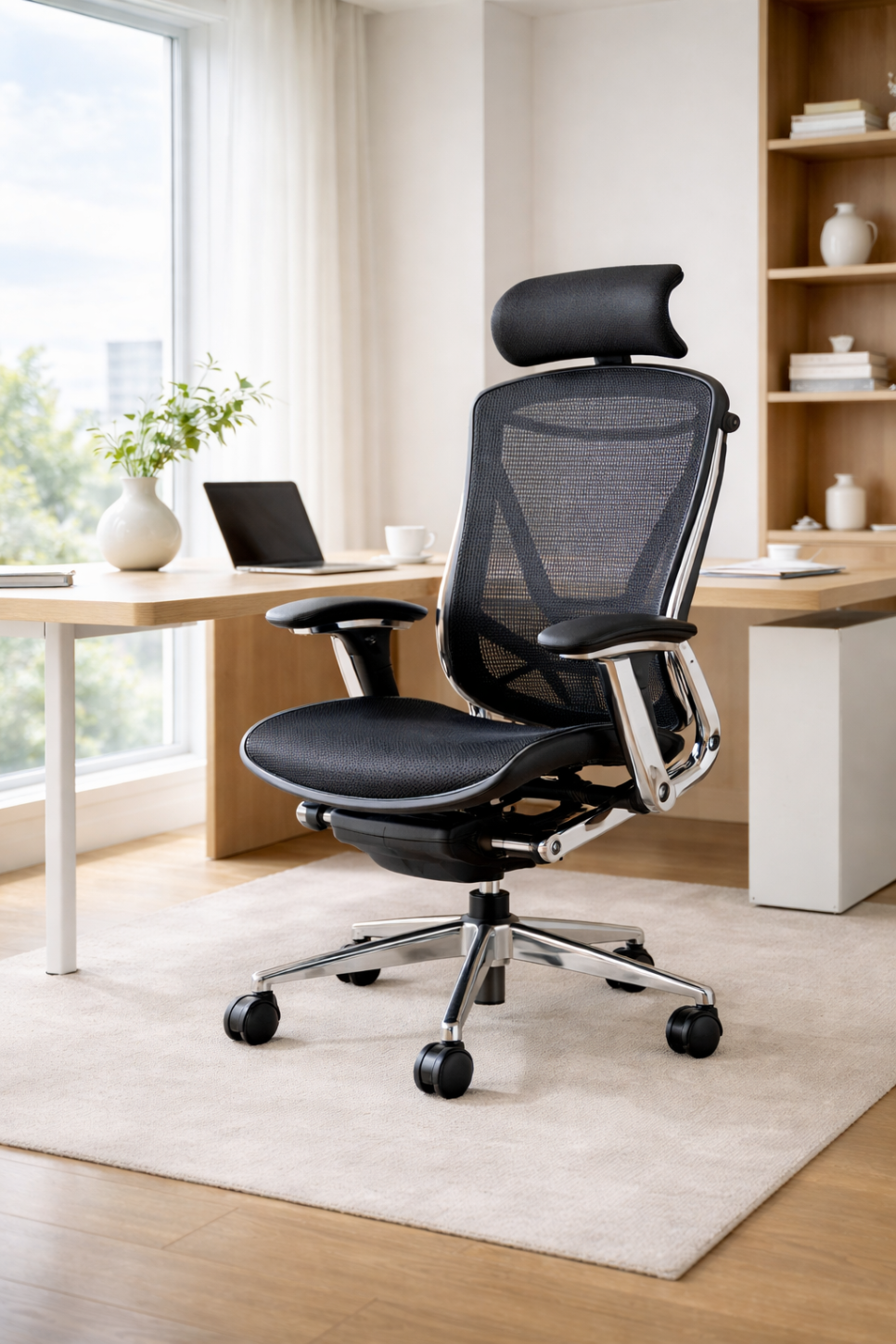
Why Material Matters More Than You Think
When shopping for an office chair, most of us focus on design, comfort, and brand. But after months of daily use, it's often the material that determines whether you're still happy with your purchase.
Office chairs are in constant contact with your body for hours every day. The material affects not just how the chair feels, but also how it handles heat, how dirt accumulates, and how much maintenance it demands.
Two materials dominate the premium chair market: leather and mesh. Both appear in high-end models, but they have completely different strengths—and completely different care requirements. Use the wrong cleaning method, and you can actually shorten your chair's lifespan.
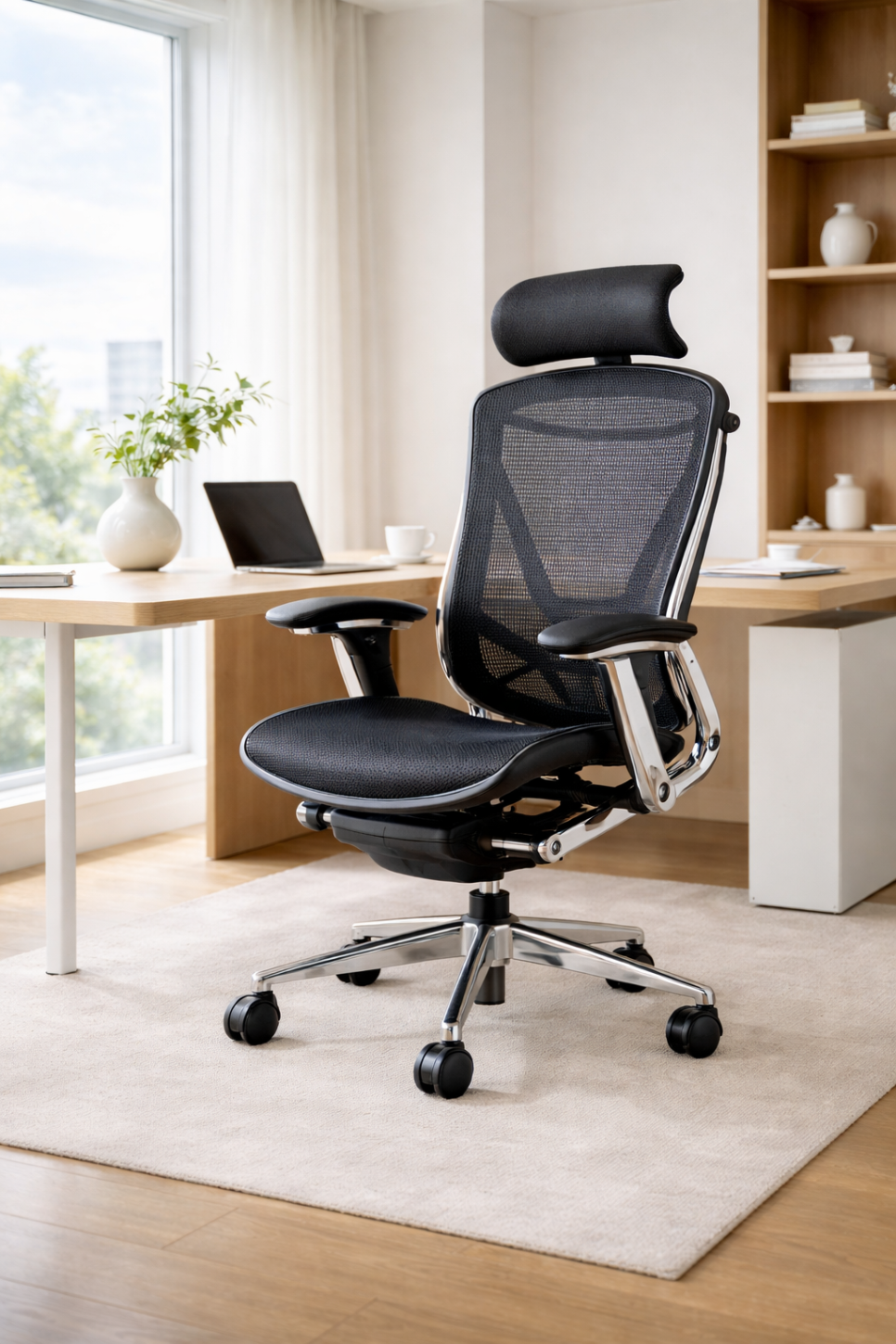
Leather Chairs: Luxurious but Demanding
What Makes Leather Special
Leather chairs make an immediate impression. They look sophisticated, feel substantial, and give any space—whether an executive office, home library, or premium workspace—a polished, professional atmosphere.
But don't mistake that smooth surface for easy maintenance. Leather is in constant contact with skin, which means it's exposed to sweat, body oils, and friction every day. In summer heat or well-heated rooms, the surface can dry out or, conversely, become sticky with accumulated oils.
Common Problems with Leather Chairs
Oil buildup: Armrests and upper backrests accumulate body oils where skin makes frequent contact
Color transfer: Light-colored leather shows denim stains and everyday dirt easily
Sun and heat damage: Prolonged exposure causes the surface to harden and crack
Cleaning damage: Harsh cleaners can strip protective coatings
In other words, leather is "easy to wipe" but also "easy to damage if you wipe wrong."
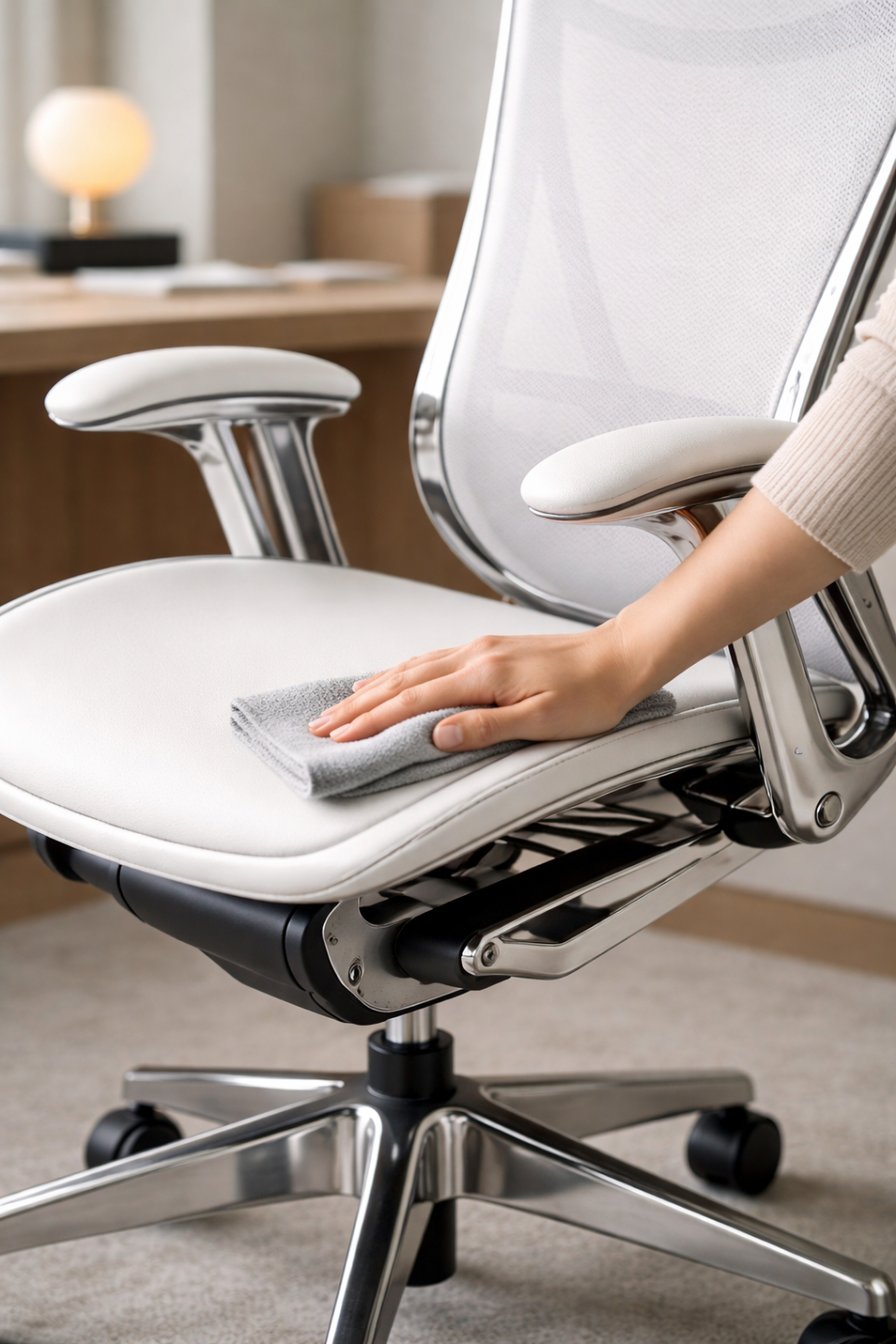
How to Care for Leather Chairs: Light, Frequent, Gentle
Leather chairs do better with regular light maintenance than with occasional deep cleaning. The foundation is simple: wipe with a dry cloth or one that's barely damp—soft and gentle.
Weekly light cleaning, before dust and oils accumulate, makes a visible difference in how the chair ages.
Leather Chair Care Essentials
Remove dust first: Use a dry microfiber cloth to remove surface dust before wiping. Rubbing while dust is present can create micro-scratches.
Address everyday marks: Fingerprints, light smudges, and oil marks can be removed with a barely damp soft cloth. The cloth should be moist, not wet—wring it out thoroughly.
Avoid harsh cleaners: Alcohol, bleach, and strong all-purpose cleaners can damage leather surfaces. Faux leather and coated leather are especially vulnerable to peeling and uneven shine.
Keep out of direct sunlight: Placement near windows can cause discoloration and surface hardening. Even a small adjustment away from strong light can significantly extend the chair's life.
Use leather conditioner carefully: For genuine leather, a specialized conditioner can occasionally help, but not all leather finishes are the same. Check your chair's material specifications and test any product in a small amount on a hidden area first.
Leather chairs need protection from both excessive oil and excessive dryness. Neglect damages them, but over-cleaning does too.
Mesh Chairs: Breathable but Dust-Prone
What Makes Mesh Different
Mesh chairs excel at airflow. If you run hot, work long hours, or notice heat building up against your back and thighs, mesh offers real relief. Visually, mesh also feels lighter and more modern than leather—part of why it's become the go-to choice in contemporary offices and home workspaces.
But unlike leather's flat surface, mesh's woven structure traps dust, hair, dead skin, and fabric lint inside its fibers. A mesh chair can look clean on the surface while harboring debris deep in its weave.
Common Problems with Mesh Chairs
Dust accumulation: Backrest and seat pan crevices collect fine particles you can't see
Stains go deep: Spilled drinks or hand oils penetrate below the surface, making removal harder
Snag and pressure damage: Sharp objects or repetitive point pressure can damage the weave
Dull appearance over time: Neglected mesh loses its fresh look and can feel less breathable
Mesh is comfortable and airy, but surface wiping alone won't keep it in good condition.
How to Care for Mesh Chairs: Dust Removal First
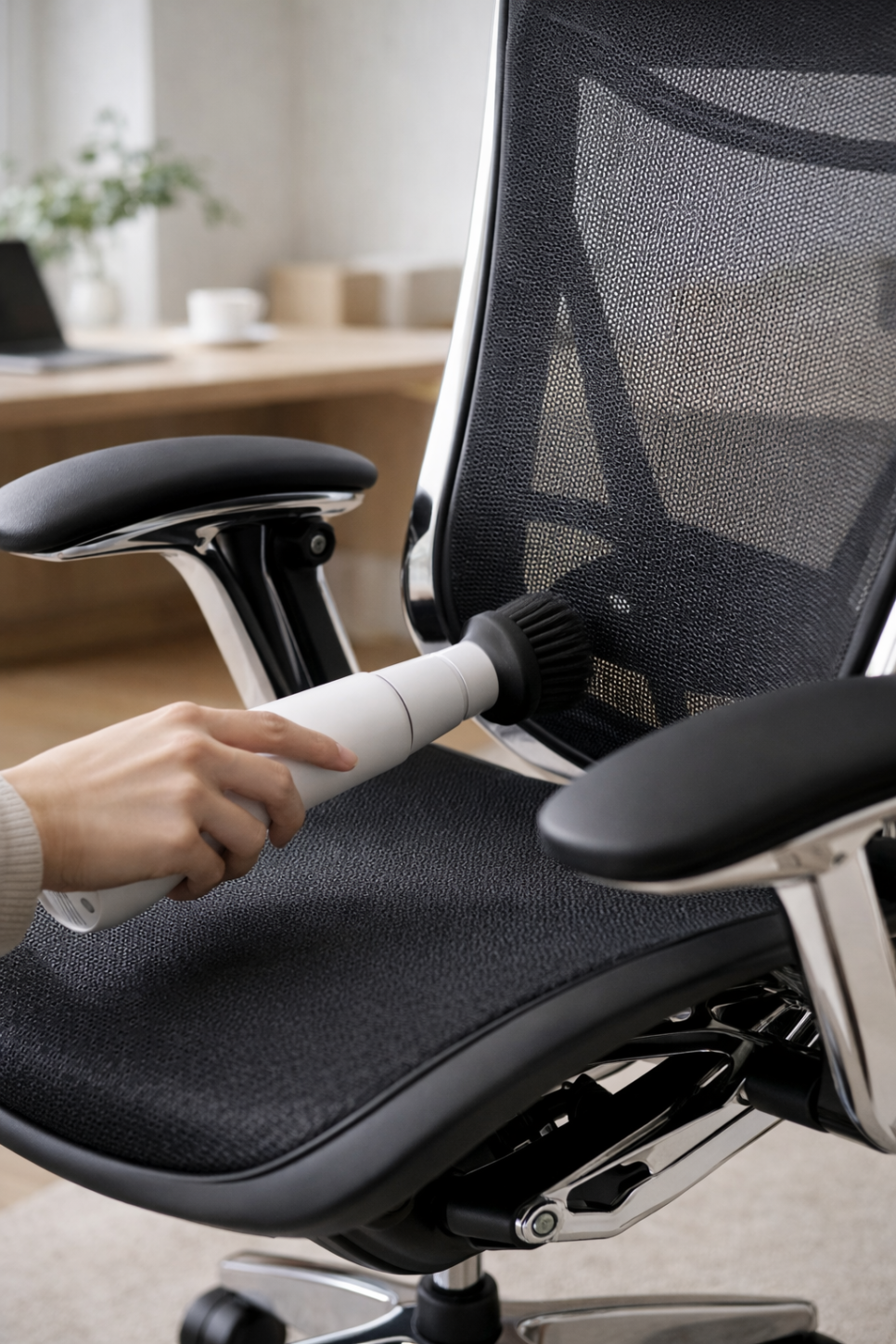
For mesh, removing embedded dust matters more than wiping the surface. A vacuum cleaner with a brush attachment or a soft brush works far better than a wet wipe.
Pay special attention to hidden dust zones: inside the backrest frame, around the seat pan edges, and near lumbar supports.
Mesh Chair Care Essentials
Regular vacuuming: Every two weeks makes a noticeable difference. Removing dust before it becomes embedded prevents it from turning into visible grime.
Treat spills immediately: Coffee, drinks, cosmetics, or hand oils should be cleaned right away. The longer they sit, the deeper they penetrate. Blot gently with a soft cloth dampened with a small amount of diluted mild detergent, then dry thoroughly with a clean cloth and let it air-dry completely.
Don't scrub hard: Mesh has texture, and aggressive rubbing can fray or stretch the material. Avoid repeated hard scrubbing of the same spot.
Watch for sharp friction: Belt buckles, metal accessories, rough clothing, or pet claws can snag or slowly damage the weave, even without a dramatic tear.
Dry completely before use: Sitting on partially dried mesh can cause odors, stain spread, or moisture problems. Even with good breathability, joints and frame areas can take time to dry.
With mesh, the invisible gaps need as much attention as the visible surface.
Leather vs. Mesh: Which Is Easier to Maintain?
This is one of the most common questions, and the answer isn't one-size-fits-all.
Leather is easier to clean on the surface. Dust doesn't penetrate, and visible marks can usually be wiped away quickly. But it's sensitive to heat, dryness, oils, and color transfer, so long-term care is essential.
Mesh offers superior breathability and feels less stuffy across seasons. But dirt gets inside the weave, so regular dust removal and immediate stain response are critical.
The real question isn't "which is better," but "which care routine fits my actual habits?"
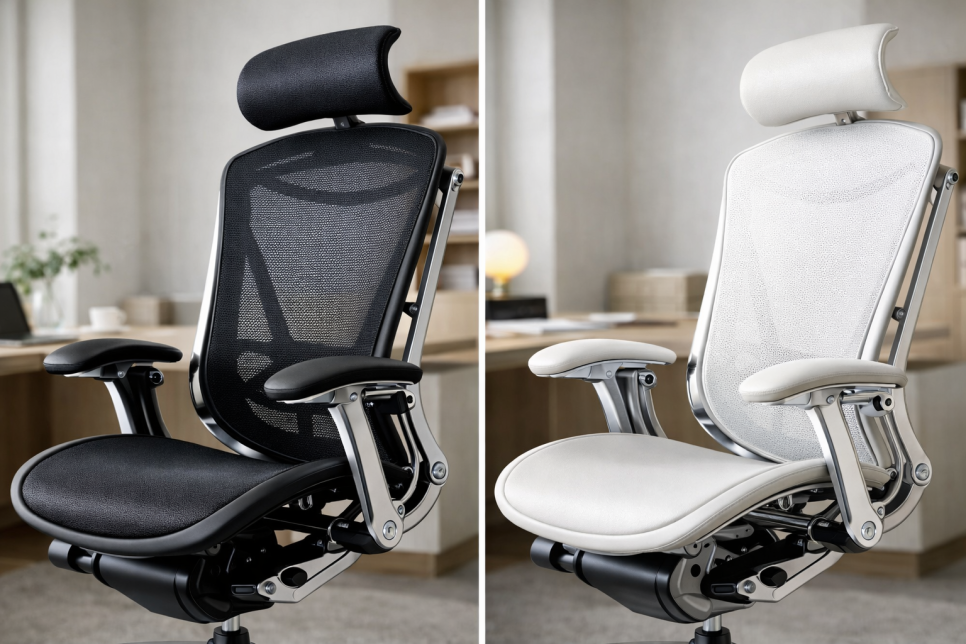
Habits That Extend Any Chair's Life
Whether leather or mesh, a chair's longevity depends less on expensive products and more on daily habits.
Clean spills immediately: Waiting makes stains harder to remove and lets them set into the material
Avoid direct sunlight and excess heat: Both affect the material and can degrade frames and components
Clean lightly and often: Short, regular sessions beat occasional deep cleans
Use the right products: "Stronger" doesn't mean "better"—harsh cleaners can do real damage
Focus on high-contact areas: Seat pans and armrests show wear first, so give them priority
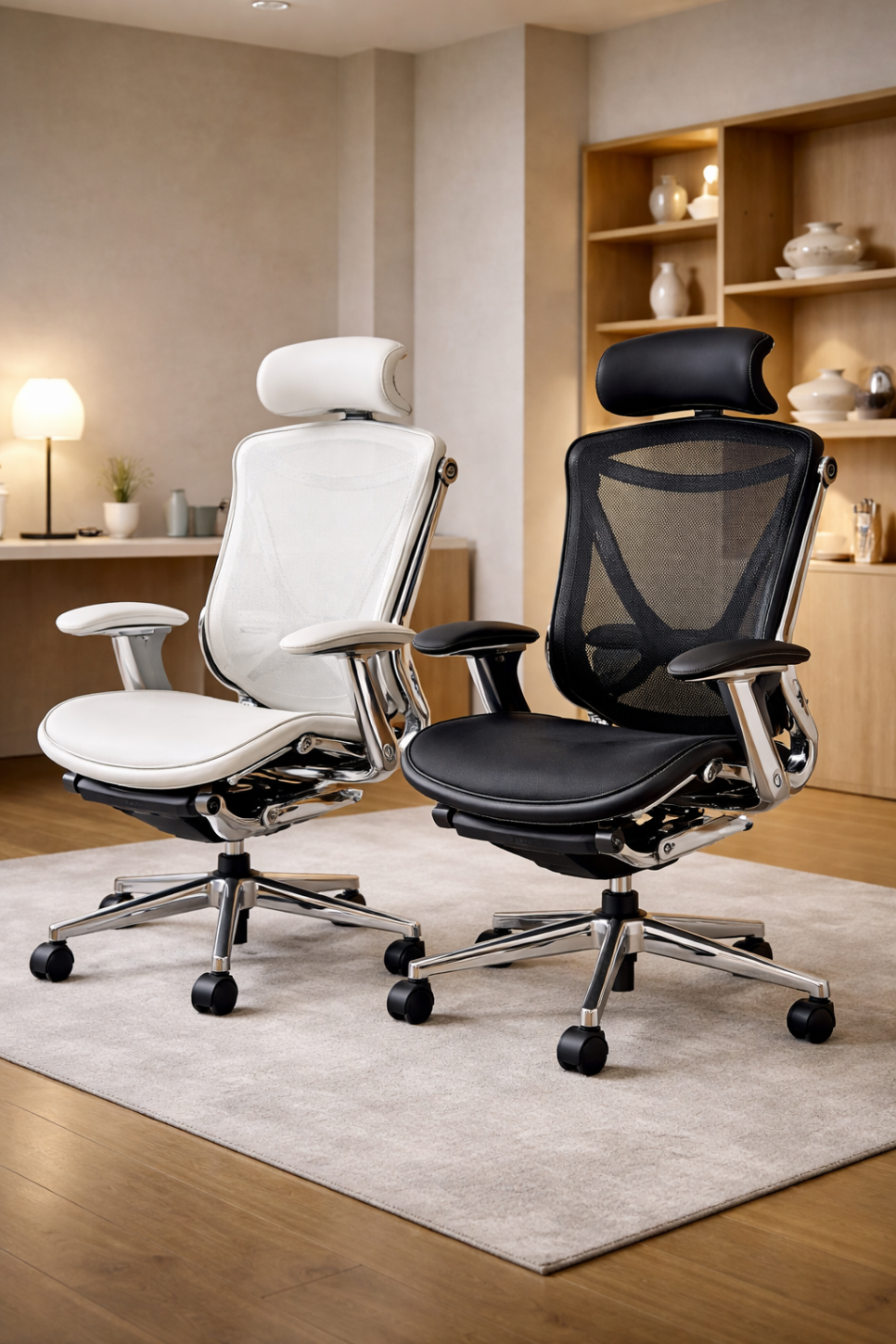
Which Material Is Right for You?
Choose leather if you:
Value a sophisticated, substantial look
Work in a relatively clean, controlled environment
Are comfortable with regular surface wiping
Choose mesh if you:
Sit for long periods and prioritize breathability
Run hot or find summer heat uncomfortable
Can commit to periodic vacuuming and light cleaning
Final Thoughts
When buying a chair, it's easy to focus only on price. But long-term satisfaction depends on whether you can realistically maintain the material.
Leather offers presence and polish but demands attention to oils, dryness, staining, and heat. Mesh delivers comfort and airflow but needs consistent dust management and quick stain response.
A good chair isn't just about how it feels on day one—it's about whether it still looks and feels great a year later. That's why choosing a chair means thinking beyond design and brand to include your lifestyle and maintenance habits.
Understand the material, care for it correctly, and the same chair will serve you well for years longer.

Furniblog may earn a commission from links in this post, at no extra cost to you. See our affiliate disclosure.