Is a Chair an Expense or an Investment?
Why a quality office chair pays dividends in health, productivity, and resale value
By the Furniblog Editorial Team·July 14, 2026·3 min read
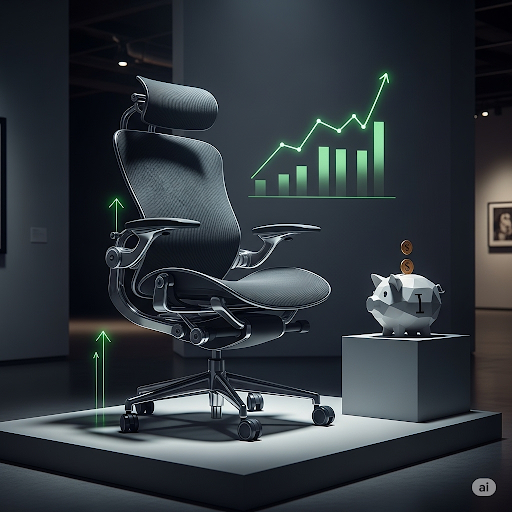
Every day, we spend money on countless goods and services. Office chairs often fall into that budget—but should they? The truth is, a chair is far more than a simple piece of furniture. It's a partner in your health, productivity, and long-term well-being. When you look at it through the right lens, a quality chair isn't a cost—it's an investment.
Here's why thinking of your office chair as an investment can change the way you work, feel, and even save money over time.
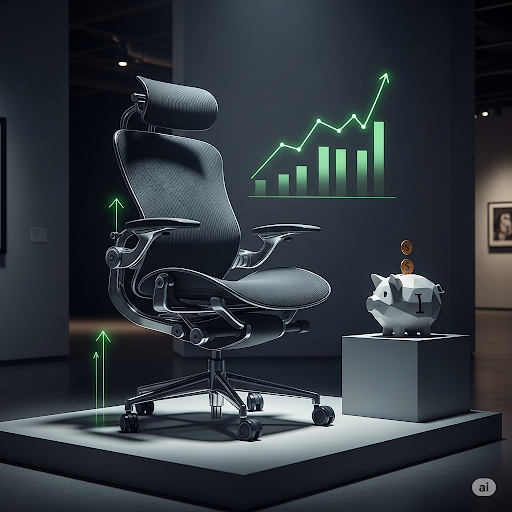
1. Your Health Is Priceless—And a Good Chair Protects It
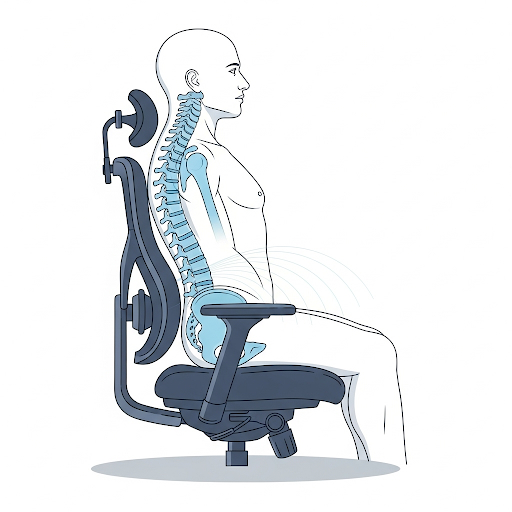
A quality ergonomic chair supports your lower back, neck, shoulders, and knees throughout the workday. For those of us sitting eight hours or more daily, a chair isn't just a seat—it's a biomechanical support system that holds your body weight and maintains spinal alignment.
Chairs with proper lumbar support, dynamic recline, and personalized adjustability can prevent chronic pain and musculoskeletal disorders. In other words, investing in a great chair today can save you thousands in medical bills, physical therapy, and lost work time down the road. Your future self will thank you.
2. Productivity and Focus Start With How You Sit
Ever notice how hard it is to concentrate when you're uncomfortable? A well-designed chair promotes better posture, which in turn supports sustained focus and mental clarity.
Sitting in a poor posture for two hours is far more draining than sitting correctly for six. Many users report noticeable improvements in work speed, concentration, and stamina simply by upgrading their chair. Whether you're a student, designer, developer, or entrepreneur, your chair is a core piece of equipment that directly impacts your output.
Better seating equals better performance—and that's a competitive advantage you can feel every day.

3. Premium Chairs Hold Their Value
Unlike most consumer goods, high-quality office chairs from brands like Herman Miller Aeron, Steelcase Leap V2, and Okamura Contessa II retain significant resale value. The secondhand market for these chairs is robust and active, with well-maintained models selling for a substantial portion of their original price—even years later.
When you buy a durable, well-engineered chair, you're not just paying for comfort—you're acquiring an asset. If your needs change or you move on, you can recoup much of your investment. In the long run, buying once and buying right is far more economical than repeatedly replacing cheap chairs that wear out or break down.
4. A Chair Is a Small Luxury That Lasts
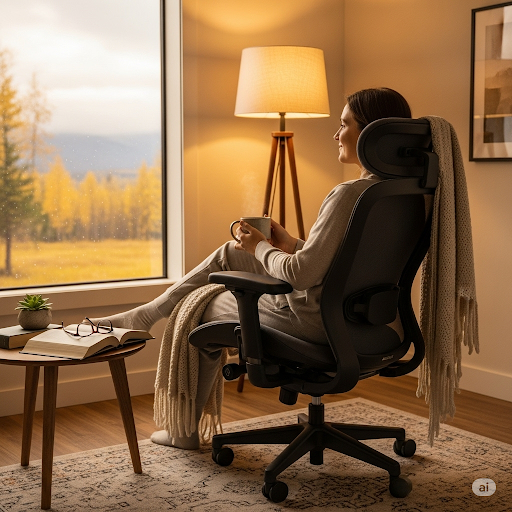
We think, work, problem-solve, and sometimes rest in our chairs. They accompany us through some of life's most important moments—deadlines, breakthroughs, late-night projects, quiet reflection.
A great chair silently supports you through it all. It shares the weight of your day and helps you show up at your best. In many ways, your chair is a steadfast companion—a friend that's always there when you need it.
Choosing a quality chair is an act of self-care and respect for the time you spend working. It's a tangible reminder that you're worth investing in.
Today's Choice Supports Tomorrow's Life
Don't let your chair be just another expense. Think of it as a strategic investment in your health, focus, efficiency—and even future resale value.
When you choose wisely, you're not just buying furniture. You're choosing fewer aches, sharper concentration, better work, and years of reliable support. That's the kind of return on investment that compounds every single day.
Whether you're considering a Steelcase Gesture, Herman Miller Embody, or Haworth Fern, remember: the right chair isn't a splurge—it's a decision that pays you back in ways that matter most.
Furniblog may earn a commission from links in this post, at no extra cost to you. See our affiliate disclosure.