Is Your Chair Furniture or a Healthcare Device? The Wellness Revolution in High-End Office Seating
How premium office chairs are evolving into active health partners for 2026
By the Furniblog Editorial Team·July 8, 2026·3 min read
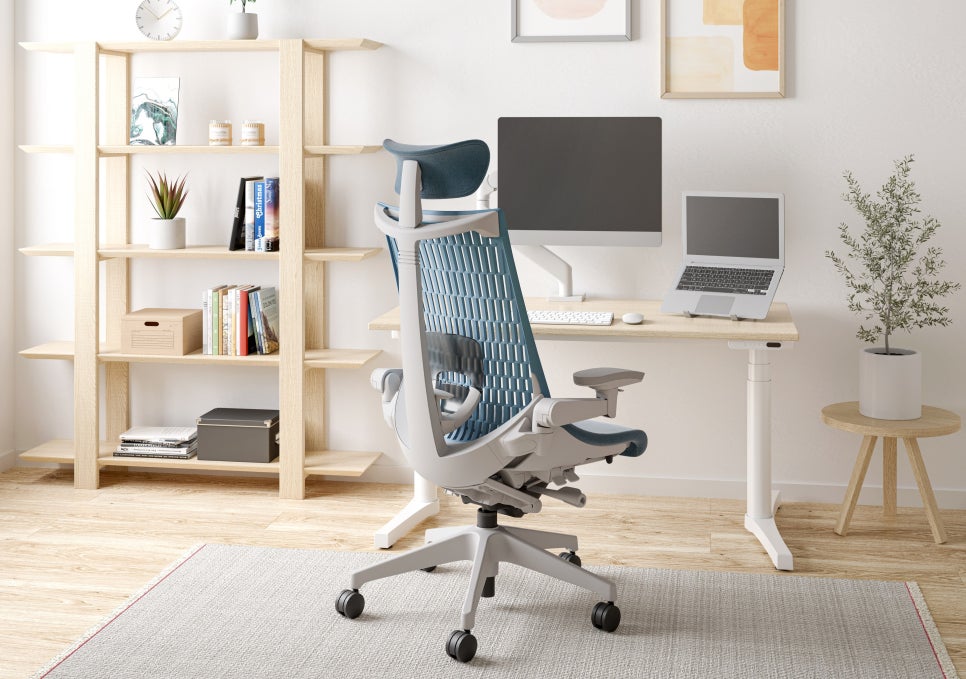
"How many hours do you sit each day?"
For most of us, the answer is difficult to articulate—we spend the majority of our waking hours in a chair. As we approach 2026, the defining trend in the high-end office furniture market is unmistakably wellness. Chairs are no longer merely furniture that supports our bodies; they're evolving into healthcare devices that actively manage our physical rhythms and safeguard our well-being throughout the workday.
This shift moves far beyond simple comfort. Today's most advanced seating is designed to actively care for our bodies, blending ergonomic science with holistic health principles.
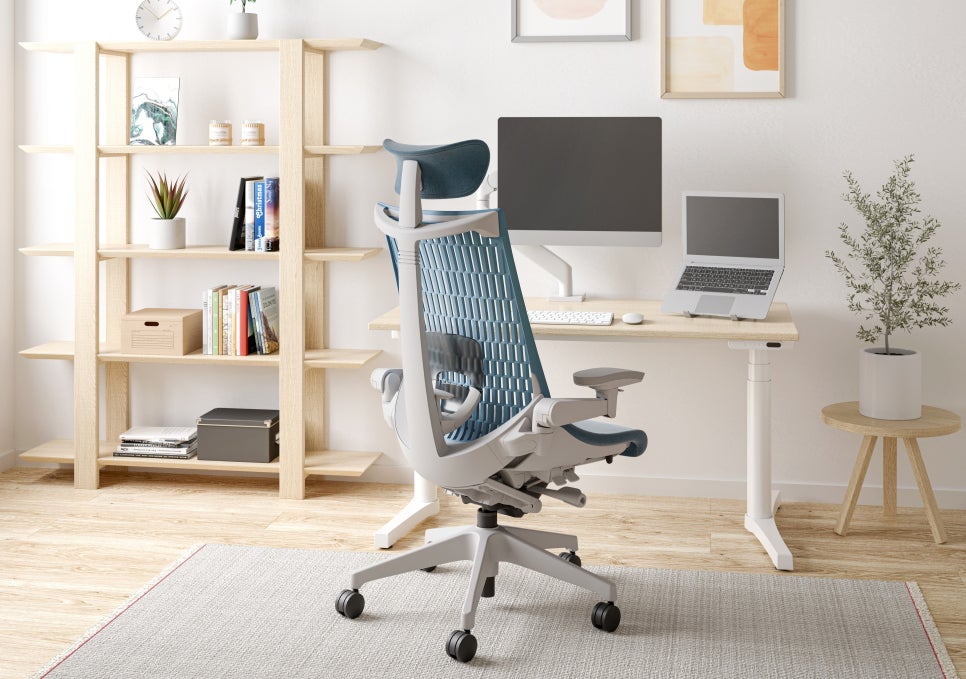
From Static Posture to Freedom of Movement
Traditional ergonomic design aimed to lock users into a "correct" posture for extended periods. The wellness paradigm flips this philosophy entirely: the goal now is to encourage continuous, natural movement even while seated.
Our bodies weren't designed for prolonged immobility. Remaining fixed in one position restricts circulation and tightens muscles. The latest generation of premium chairs incorporates active sitting technology—mechanisms that prompt unconscious micro-movements throughout the day, keeping your body engaged without requiring deliberate effort.
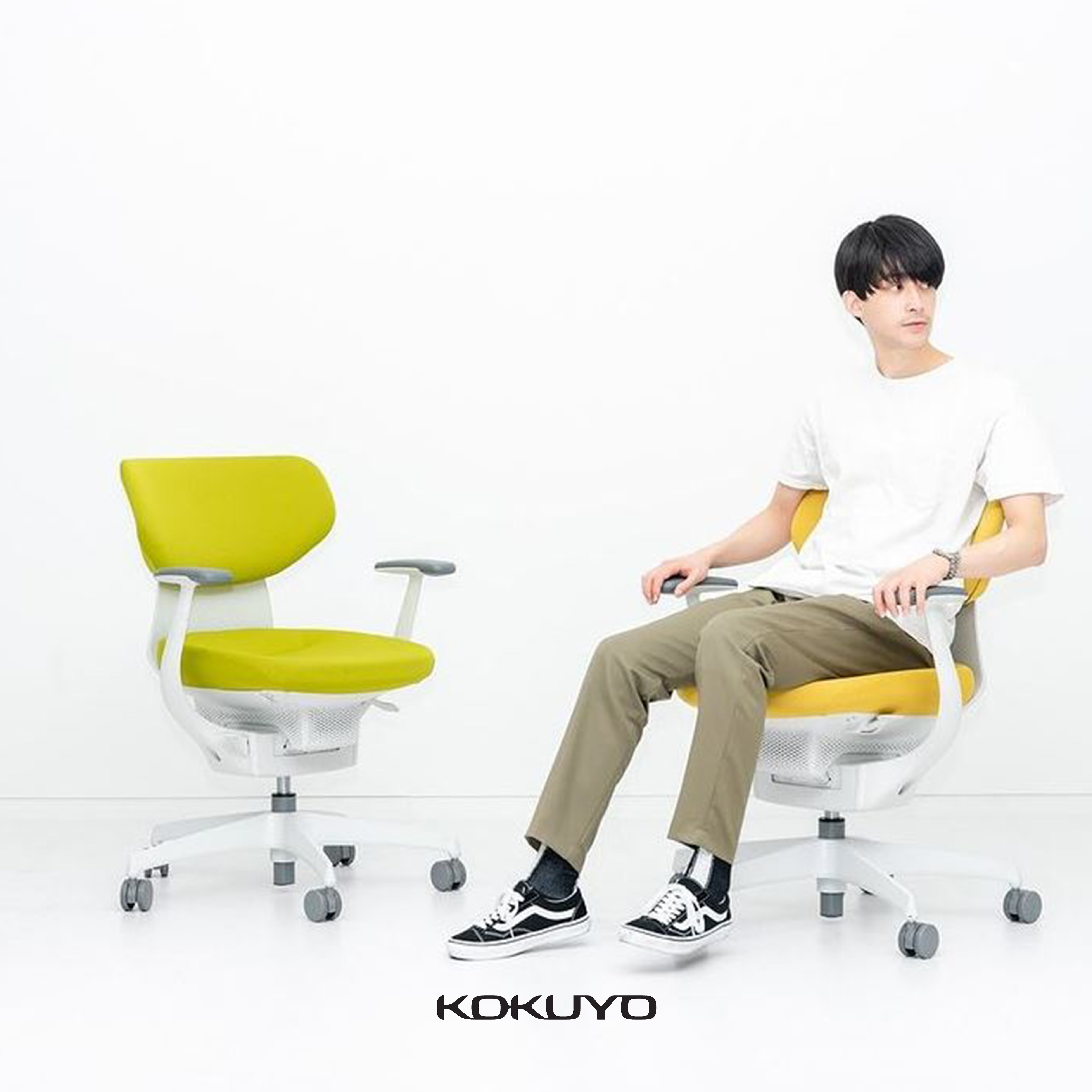
A standout example is the Kokuyo Ing, a Japanese high-end chair that embodies the concept of "exercise while sitting." Its innovative gliding mechanism allows the seat to respond to your subtle weight shifts in 360 degrees, much like sitting on an exercise ball. This design stimulates core muscles and enhances cognitive function while you work.
Adaptive Design That Reads and Responds to Your Body
True wellness chairs don't force your body to conform to a rigid frame. Instead, they adapt organically to your body and movements throughout the day.
Whether you're leaning forward during intense focus, reclining during a phone call, or stretching during a mental break, these chairs act almost like living organisms—sensing postural changes and providing optimal support for each position.
Itoki's Flip Flap chair showcases this adaptive philosophy through an origami-inspired design. Rather than a fixed backrest, it features a multi-faceted articulated structure that folds and unfolds fluidly with your movements, maintaining seamless spinal support. The result is both functionally superior and structurally beautiful.
Healing the Senses: Materials and Colors for Mental Well-Being
Wellness encompasses more than physical health—it includes psychological comfort and emotional balance. The cold, hard plastics of traditional office chairs are giving way to materials and color palettes that actively reduce stress.
Today's premium chairs focus on tactile warmth and visual calm. Soft, nature-inspired fabrics and earthy color tones transform sterile offices into restorative environments. The sensory experience—how the chair feels against your skin, how it looks in your space—plays a crucial role in daily well-being.
Beyond high-performance mesh, manufacturers now offer fabric options with textures reminiscent of luxury upholstery. These choices elevate the chair from office equipment to a design object that enhances the quality of your entire workspace.
Your Most Certain Health Investment
A premium ergonomic chair priced above $2,000 may seem like a significant expense. But consider this perspective: it's the tool that supports your body longer than any other each day, and it will safeguard your spinal health and productivity for a decade or more.
The shift in mindset is crucial—view your chair not as a consumable commodity but as a long-term investment in your physical health. Just as you wouldn't compromise on a quality mattress, your work chair deserves the same consideration.
True office wellness begins with finding the right chair for your body. As we move toward 2026, the boundaries between furniture and healthcare technology continue to blur. The chairs leading this revolution—like the Kokuyo Ing, along with other innovative designs from brands such as Steelcase, Herman Miller, and Humanscale—represent a fundamental rethinking of what it means to sit well.
If you have the opportunity to test these next-generation chairs in person, take it. Experience firsthand how sitting has evolved from passive support to active health partnership—and discover what a genuine wellness chair can do for your daily life.
Furniblog may earn a commission from links in this post, at no extra cost to you. See our affiliate disclosure.