Is Your Office Chair Healthcare or Just Furniture? 2026 Wellness Trends
How high-end office seating is evolving from static furniture to active health devices
By the Furniblog Editorial Team·July 8, 2026·3 min read
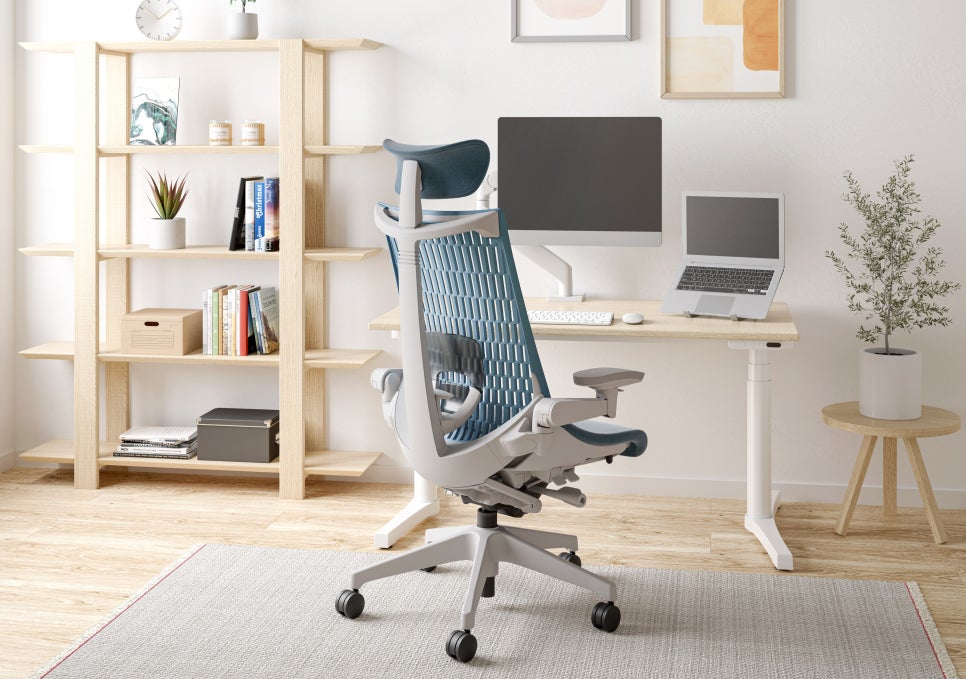
"How many hours a day do you spend sitting?"
Most of us struggle to answer this question honestly—because we spend the vast majority of our waking hours in a chair. As we approach 2026, the biggest conversation in the high-end office furniture market revolves around one word: wellness.
Today's premium chairs are no longer just pieces of furniture you lean against. They're evolving into healthcare devices—tools designed to manage your body's rhythms, protect your health, and actively support your physical wellbeing throughout the workday.
Let's explore how the office chair is transforming from a passive object into an active partner in your daily health.
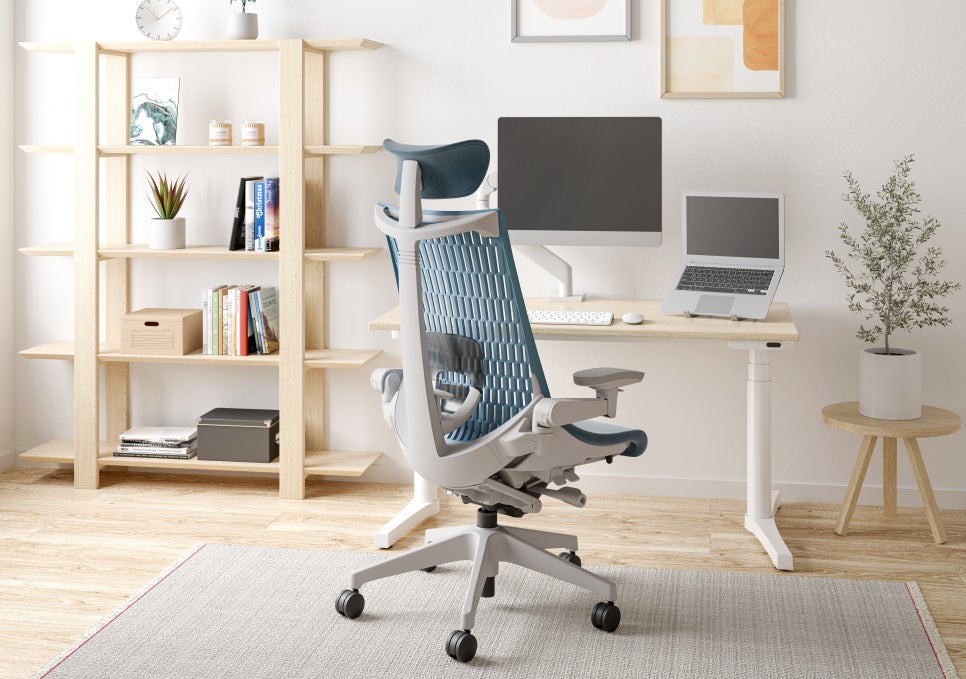
From Static Posture to Freedom of Movement
Traditional ergonomic chairs were designed around a single goal: how can we help you maintain a "correct" posture for as long as possible? The wellness approach flips that question entirely. Now the focus is: how can we keep you moving, even while seated?
The human body wasn't designed to stay still. Prolonged static postures restrict circulation and stiffen muscles. The latest generation of high-end chairs incorporates active sitting technology—mechanisms that encourage natural, unconscious movement throughout your day.
Case in point: The Kokuyo Ing chair is a standout example of "exercise while sitting." Its unique gliding mechanism allows the seat to respond freely—360 degrees—to even the smallest shifts in your body weight, much like sitting on an exercise ball. This activates your core muscles and stimulates brain function while you work.
Adaptive Design: Chairs That Read and Respond to Your Body
True wellness chairs don't force your body to conform to them. Instead, they adapt organically to you—changing shape in response to your movements and posture.
Whether you're leaning forward during focused work, reclining during a phone call, or stretching mid-afternoon, these chairs act almost like living organisms—sensing your body's needs and delivering optimal support in real time.
Case in point: The Itoki Flip Flap chair draws inspiration from origami, featuring a multi-faceted backrest structure that folds and unfolds fluidly as you move. Rather than a rigid frame, its articulated segments follow your spine seamlessly, providing both structural support and visual elegance.
A New Standard for Biomechanical Intelligence
Adaptive chairs monitor shifts between forward-leaning work postures, relaxed reclines, and stretching movements. This responsiveness reduces strain, supports circulation, and maintains spinal alignment across a full range of natural motion.
Healing the Senses: Material, Color, and Tactile Wellness
Wellness isn't just physical—it's psychological. The cold, hard plastics of traditional office chairs are giving way to materials and colors that reduce stress and create comfort at a sensory level.
Premium chairs now prioritize CMF (Color, Material, Finish) choices that feel good to the touch and soothe the eye. Soft, nature-inspired fabrics and warm earth-tone palettes transform sterile offices into spaces of calm and focus.
Beyond performance mesh, many high-end models now offer luxurious upholstery textures—fabrics you'd expect on a sofa, not a task chair. These choices elevate the chair from office equipment to an interior design statement that enhances the entire room.
Your Chair as a Long-Term Health Investment
It's easy to hesitate at the price tag of a premium chair—$2,000 or more can feel steep. But consider this: your office chair is the single piece of equipment your body relies on for the longest stretch of every workday. It will support your spine, your posture, and your productivity for the next decade or more.
Shifting your perspective from viewing a chair as a consumable to seeing it as a long-term investment in your health changes the equation entirely. A quality ergonomic chair can prevent chronic back pain, improve focus, reduce fatigue, and even lower healthcare costs over time.
Rethinking Office Wellness
Real office wellness starts with finding the chair that fits your body, your work style, and your space. The premium market now offers chairs that go far beyond "comfortable"—they actively support movement, adapt intelligently, and prioritize holistic wellbeing.
If you're ready to experience the next generation of office seating, seek out showrooms or retailers that specialize in high-end ergonomic chairs. Sit in them. Move in them. Feel the difference between furniture and healthcare technology firsthand.
Your body—and your workday—will thank you.
Furniblog may earn a commission from links in this post, at no extra cost to you. See our affiliate disclosure.