Itoki Act2 Review: The Office Chair That Gets Better the Longer You Sit
Why this understated ergonomic chair excels during long work sessions
By the Furniblog Editorial Team·July 10, 2026·5 min read

When you're shopping for an office chair, what do you check first? Maybe it's the plush cushion, the supportive backrest, or the premium look. These first impressions matter—but if you're spending six to eight hours a day in a chair, what really counts is how you feel after three hours, not three minutes.
The Itoki Act2 is a chair that prioritizes the long game. It's not designed to deliver an instant "wow" moment. Instead, it's engineered to keep your posture stable, your body aligned, and your fatigue minimal throughout the entire workday. Think of it as the Pyongyang naengmyeon of office chairs: an acquired taste that reveals its depth over time.

The Difference Between 'Comfortable' and 'Good for All-Day Sitting'
Many chairs feel great at first. Soft cushions, enveloping backrests, and a sink-in sensation can be seductive. But two or three hours later, the story often changes: your lower back aches, your shoulders creep upward, and your legs feel compressed.
Experience | First 15 Minutes | After 3 Hours |
|---|---|---|
Plush cushion | Feels soft and cozy | Hips sink in, lumbar curve collapses |
Soft backrest | Nice initial support | Posture drifts, shoulders rise |
Firm, responsive structure | Feels neutral or understated | Body moves naturally, less fatigue |
A chair built for long sessions doesn't just support your body—it follows your body's natural movements. It stabilizes you during focus, adapts when you shift, and gives you room to recline without consequence. That's the philosophy behind the Itoki Act2.
What Makes the Itoki Act2 Different?
The Act2 is a premium task chair from Japanese office furniture maker Itoki. Rather than chasing bold aesthetics or gimmicky features, it's designed around a simple idea: reduce cumulative strain over the course of a full workday.
Here's how it does that, broken down into five core elements.
1. A Backrest That Moves With You
You're not static at your desk. You lean forward to type, sit back during a call, pivot to check your phone. If the backrest is rigid, your body has to work against the chair.
The Act2 uses a pivot structure and a side-frameless design that lets the backrest track your torso naturally. It doesn't feel plush or soft—it feels responsive. Over time, that responsiveness translates into less stiffness and less postural fatigue.
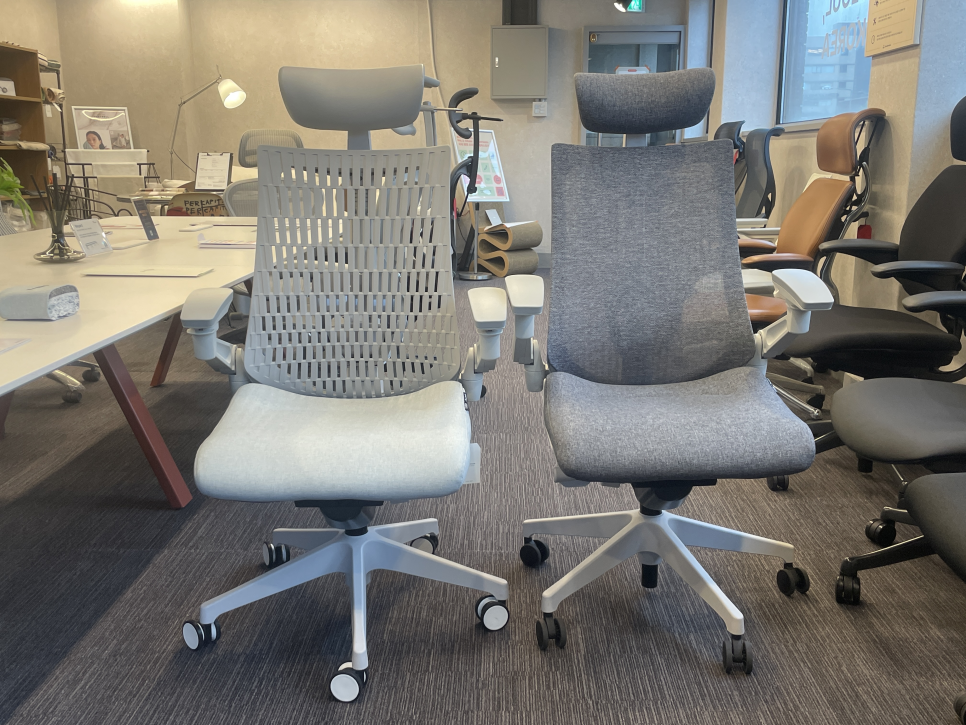
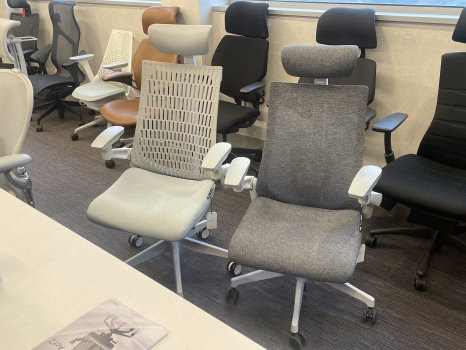
Available in both elastomer and textured mesh, the backrest adapts to different preferences while maintaining that signature pivot behavior.
2. A Bucket Seat That Supports Without Locking You In
Lumbar support shouldn't push—it should hold. Overly aggressive lumbar bolsters can cause discomfort, especially if they don't match your spinal curve.
The Act2's bucket-shaped seat pan naturally cradles your pelvis and discourages slouching, while the slide mechanism lets you adjust seat depth to match your leg length. This prevents your hips from sliding backward and your lumbar curve from collapsing, all without forceful correction.
3. Seat Depth Adjustment—More Important Than You Think
This feature is easy to overlook, but it's one of the most impactful ergonomic adjustments you can make. If the seat pan is too deep, it compresses the back of your knees. Too shallow, and your thighs aren't properly supported.
For shorter users especially, a poorly sized seat pan can prevent you from sitting all the way back—meaning you lose lumbar support entirely. The Act2's slide seat solves this by letting you dial in the exact depth that fits your body.
4. 4D Linked Armrests That Actually Help Your Shoulders
If your elbows aren't supported, your shoulders carry the load all day. That tension migrates to your neck and traps, leading to soreness and headaches.
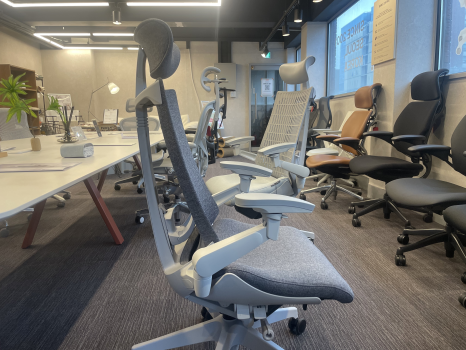
The Act2's 4D linked armrests adjust in height, width, depth, and angle—all via a single lever. This makes it easy to position your forearms properly for typing and mousing, which takes a surprising amount of strain off your upper body.
5. A Thoughtfully Engineered Seat Pan Material
The seat uses a hybrid textile called Raxpitex, which combines the firm support of fabric with the breathability and elasticity of mesh. It's more breathable than foam, more stable than mesh alone, and distributes weight more evenly across your sitting bones and thighs.
The seat is also slightly forward-tilting, which encourages an upright, engaged posture without feeling like you're sliding off. The material grips just enough to keep you stable, even during forward lean.
This design reduces pressure points and prevents the kind of numbness or heat buildup that comes from sitting in one position too long.
Who Should Consider the Itoki Act2?
The Act2 is ideal if you:
Work long, focused sessions at a desk (developers, writers, designers, analysts)
Value ergonomic intelligence over luxury aesthetics
Want a chair that adapts to movement rather than locking you into one posture
Have struggled with cheaper chairs that feel good for an hour, then fall apart
It's not the flashiest chair. It won't make you say "wow" when you first sit down. But three hours later—and three months later—you'll understand why so many long-term users quietly swear by it.
Final Thoughts: Ergonomics You Feel Over Time
Great ergonomic chairs aren't always dramatic. They don't coddle you or fight your posture. They simply let your body do what it's designed to do—move, adjust, and settle into flow—without getting in the way.
The Itoki Act2 embodies that philosophy. Its pivot backrest, bucket seat, slide mechanism, and 4D arms work together to keep you aligned and comfortable across hours of work, not just minutes.
If you're serious about reducing fatigue and maintaining focus during long sessions, the Act2 deserves a close look—and ideally, a test sit. Specs only tell part of the story. Your body will tell you the rest.

Furniblog may earn a commission from links in this post, at no extra cost to you. See our affiliate disclosure.