Itoki: From Import Shop to Japanese Design Powerhouse — 136 Years of Innovation
How a small Osaka stationery store became one of Japan's "Big Three" office chair makers
By the Furniblog Editorial Team·July 10, 2026·5 min read
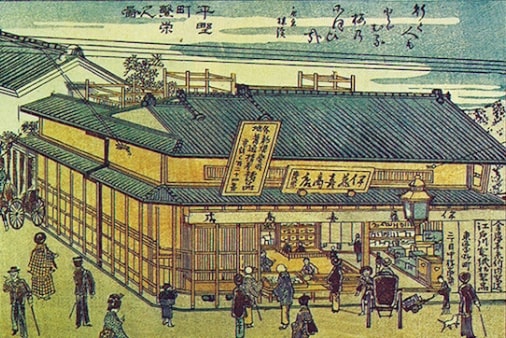
If you spend your days working from a desk chair, chances are you've heard the name Itoki. Along with Okamura and Kokuyo, Itoki forms Japan's "Big Three" of office seating—a trio synonymous with precision engineering, lasting comfort, and thoughtful design.
But Itoki didn't start as a furniture manufacturer. Its origin story is far humbler: a small curiosity shop in Osaka that imported unusual gadgets and office novelties. Over the course of 136 years, that modest retailer grew into a publicly traded design leader that shapes how people work across Asia and beyond.
Here's how it happened.
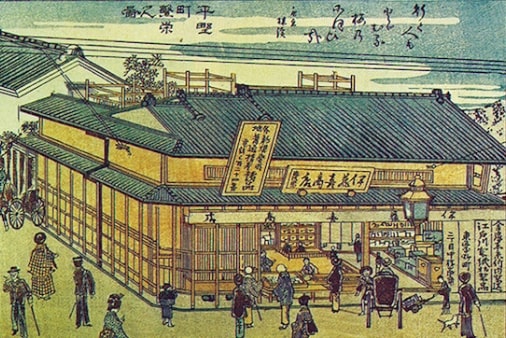
1890: A Small Shop in Osaka Selling "Things You've Never Seen"
On December 1, 1890, founder Kijuro Ito opened a shop called Itoki Shoten in Osaka. The company name itself is drawn directly from the founder's given and family names: Ito + Ki (from Kijuro).
Rather than making furniture, Ito sold imported inventions—patented devices and gadgets that Japanese businesses had never encountered. Think of it as an early-adopter specialty store, introducing tools and technologies before they became mainstream. It was less about manufacturing and more about curation and foresight.
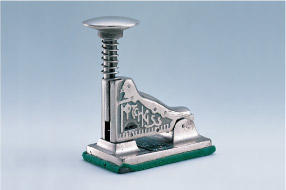
The Stapler and the Cash Register: Shaping Japan's Office Culture
Itoki's influence on Japanese office life runs surprisingly deep.
In 1903, according to Itoki's own corporate history, the company became the first to import and sell staplers in Japan. What's fascinating is the linguistic legacy: to this day, many Japanese refer to staplers as "hochikisu"—a transliteration not of the English word "stapler," but of the brand name Hotchkiss, the American manufacturer whose products Itoki introduced.
Itoki also brought in early cash registers and other office machines. In modern terms, the company was doing branding and category creation a century before those became buzzwords. The reputation stuck: Itoki is the place that brings you things first.
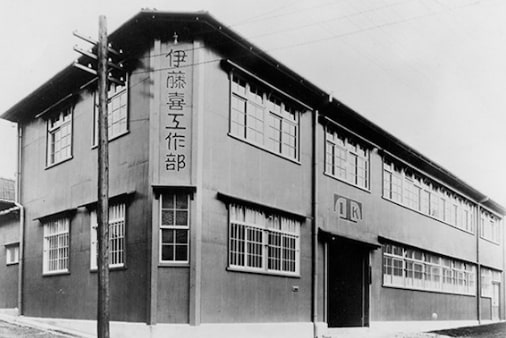
From Importer to Manufacturer: The Birth of Steel Furniture
Selling other people's innovations was just the beginning. Itoki soon decided to make things itself.
1908: Itoki established its own production division and began manufacturing office equipment in-house—starting with portable safes and small stationery items.
Over the following decades, the company expanded into Japanese typewriters, fireproof safes, steel desks, partitions, cabinets, and lockers—essentially every piece of metal furniture an office might need.
1950: The manufacturing arm spun off as a separate entity, Itoki Kosakusho (Itoki Works), during Japan's postwar economic recovery. Itoki's steel furniture became emblematic of the "modern office" itself.
Through the 1960s and 70s, Itoki moved beyond individual furniture pieces into systems furniture and office planning. By the 1980s and 90s, the company was leading Japan's "New Office" movement—rethinking workspace layouts, ergonomics, and workflow as a unified design challenge.
2005: Reunification and a New Identity
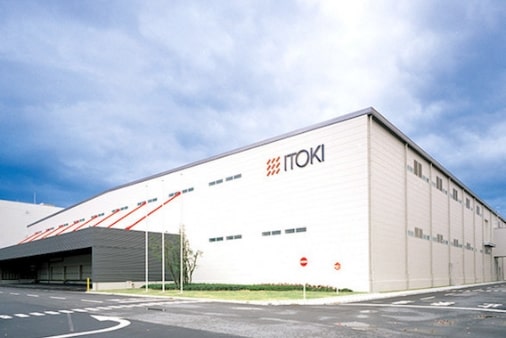
For many years, Itoki's sales and manufacturing operations remained separate companies. That changed in June 2005, when Itoki Crebio (manufacturing) and Itoki (sales) merged to form the single, unified Itoki Corporation we know today.
Now headquartered in Tokyo and publicly listed, Itoki has evolved well beyond furniture retail. The company offers office design and construction, activity-based working (ABW) consulting, and workplace strategy services. Its slogan captures this breadth:
"We Design Tomorrow. We Design WORK-Style."
Design Excellence: Where Itoki Really Shines
Itoki's reputation as a furniture maker rests heavily on its design pedigree. The company is a regular winner at Japan's Good Design Awards, as well as international honors like the iF Design Award and Red Dot.
Here are a few standout chairs that showcase Itoki's engineering and ergonomic philosophy:
ACT Series
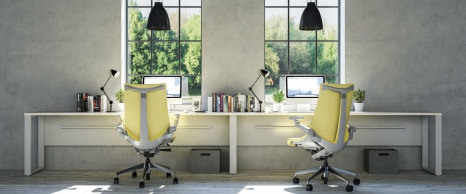
The Itoki ACT2 embodies the brand's "Active & Adjustable" design ethos. By eliminating traditional side frames, the chair allows the user's torso to move freely. The backrest follows shoulder and upper-body motion fluidly, making it ideal for dynamic, task-intensive work. It's one of Itoki's most popular models internationally.
Spina
The Itoki Spina is known for its adaptive seat pan and backrest that respond intuitively to shifts in posture. It's a chair built for all-day comfort without constant manual adjustment.
Vertebra 03
Launched in the early 1980s, the original Vertebra was ahead of its time. The modern Itoki Vertebra 03 continues that legacy with a sculpted backrest that mirrors spinal curvature and refined tilt mechanics. There's even a wood-accent variant, the Vertebra 03 Wood, for executive or home-office settings.
FLIP FLAP
Perhaps Itoki's most ambitious design, the FLIP FLAP chair contains 344 individual components—a staggering feat of precision manufacturing. It won both the iF Design Award and Red Dot in 2017, and remains a showcase of what Japanese engineering can achieve in seating.
136 Years Later: A Legacy You Can Sit In
From a small import curiosity shop to a full-spectrum workspace solutions company, Itoki's 136-year journey can be summarized in one phrase: always bring something new.
That pioneering spirit—visible in the company's early adoption of the stapler, its postwar steel furniture innovations, and today's award-winning ergonomic chairs—remains Itoki's through line. Specs and awards tell part of the story, but the real test is tactile. How does the Spina's seat pan respond when you lean back? How does the ACT2's backrest support a lateral reach? These are things you feel, not read.
If you're curious about Japanese ergonomic design and want to experience what sets Itoki apart from European or American brands, there's no substitute for a showroom visit. Comparing chairs like the Okamura Contessa II, Okamura Sylphy, and various Itoki models side by side reveals the nuances in lumbar support, tilt feel, and adjustability that make or break long-term comfort.
Itoki may have started by selling other people's inventions, but today it's a inventor in its own right—and one whose chairs have supported millions of working hours across more than a century.

Furniblog may earn a commission from links in this post, at no extra cost to you. See our affiliate disclosure.