ITOKI Turns Solar Panel Waste Into Premium Office Furniture
Japanese furniture maker pioneers glass upcycling for sustainable workspaces
By the Furniblog Editorial Team·July 9, 2026·3 min read
When choosing office furniture today, sustainability matters almost as much as comfort. Japanese premium furniture manufacturer ITOKI has just unveiled a fascinating initiative that could reshape how we think about materials in the workplace: transforming waste solar panel glass into office furniture.
The Solar Panel Waste Challenge
Solar panels typically reach the end of their useful life after 20 to 25 years of service. When that happens, they become waste—and a substantial amount of that waste is glass. As the first generation of large-scale solar installations reaches retirement age, the volume of decommissioned panels is expected to surge dramatically in the coming years.
Rather than viewing this as simply a disposal problem, ITOKI asked a different question: what if this discarded material could become something valuable again?
From Waste Glass to Workspace Design
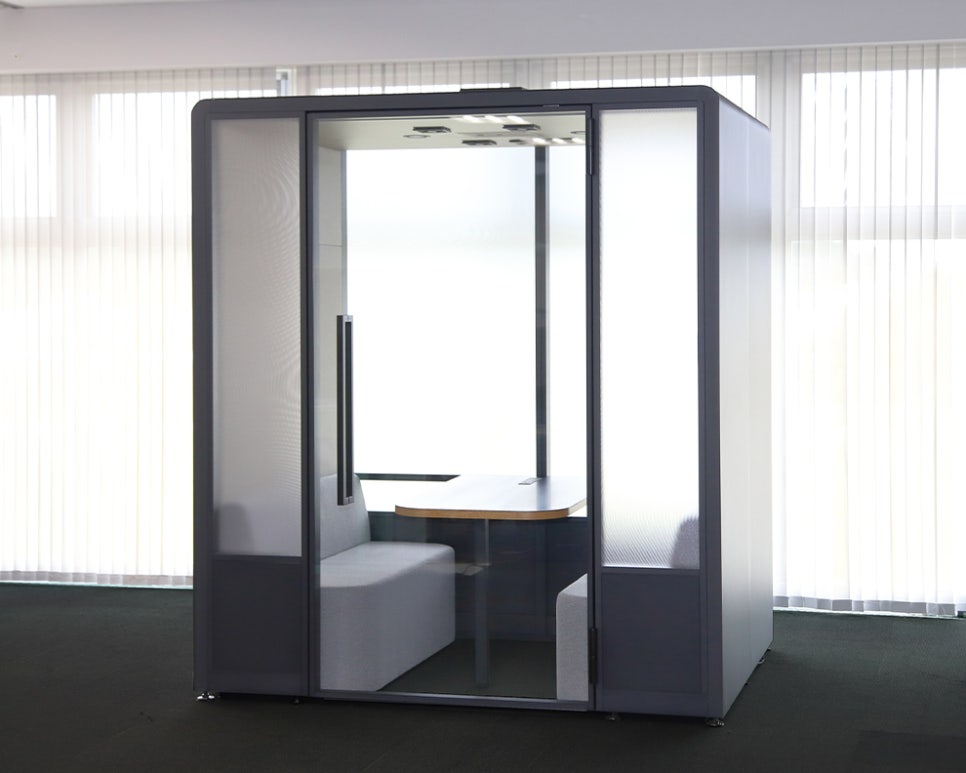
ITOKI has partnered with Hitachi and Tokuyama Corporation to develop technology that recovers glass from decommissioned solar panels without shattering it, then repurposes it as a premium furniture material.
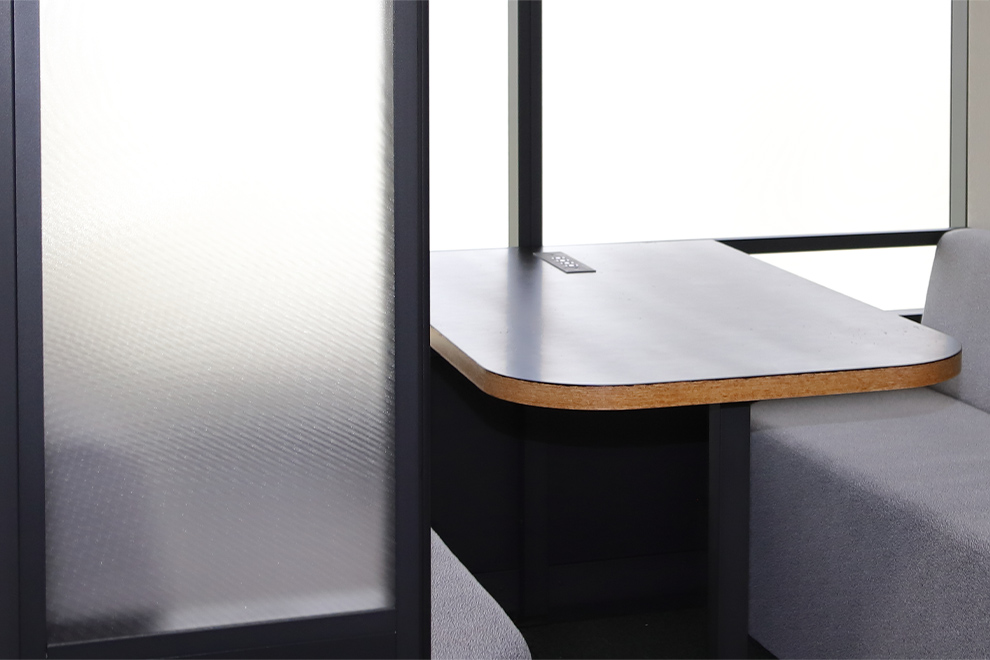
The reclaimed glass has distinctive qualities that set it apart from conventional architectural glass. When light hits it, the material produces a subtle, refined reflection. Up close, the texture reveals a unique character—imperfections and variations that actually enhance its aesthetic appeal rather than diminish it.
Using this reclaimed solar glass, ITOKI has produced prototype meeting booths and workspace partitions. The project demonstrates genuine potential for expansion into other furniture categories and architectural applications.
Why This Project Matters
Significant Environmental Impact
Recycling solar panel glass into furniture components requires substantially less energy than manufacturing virgin glass, resulting in measurably lower carbon emissions. In practical terms, this means furniture purchasing decisions can directly contribute to environmental goals—not just through longevity and quality, but through materials sourcing itself.
Waste Becomes a Design Asset
The natural grain and texture variations in reclaimed solar glass aren't flaws to hide—they're distinctive design elements that lend sophistication and authenticity to office spaces. The material's subtle irregularities create visual interest that mass-produced materials can't replicate.
A Preview of Future Workplace Standards
This initiative signals an important shift in how premium office environments will be evaluated. We're moving beyond "is this chair comfortable and well-made?" toward "does this workspace reflect our environmental commitments?" ITOKI's solar glass project positions the brand at the forefront of this transition.
Current Status and What's Next
The solar panel glass upcycling program is currently in the research and development phase, jointly managed by ITOKI, Hitachi, and Tokuyama Corporation. The central question driving the project is whether end-of-life solar panels can be reliably transformed into materials suitable for high-end office furniture at scale.
While prototypes have been successfully produced, commercial availability has not yet been announced. The project represents both a technical challenge—developing efficient recovery and processing methods—and a design opportunity to prove that sustainable materials can meet or exceed the aesthetic standards expected in premium workplace environments.
As solar panel waste becomes an increasingly urgent environmental concern, initiatives like ITOKI's glass reclamation project offer a compelling model: turning an industrial waste stream into a resource that delivers both functional and symbolic value. For organizations seeking office furniture that reflects genuine environmental commitment, this is the kind of innovation worth watching.
ITOKI has long been known for ergonomic task seating like the ITOKI Spina and workspace solutions. This solar glass project extends that reputation into materials innovation—suggesting the future of office design will be measured not just in comfort and aesthetics, but in environmental stewardship as well.
Furniblog may earn a commission from links in this post, at no extra cost to you. See our affiliate disclosure.