Okamura vs. Itoki vs. Kokuyo: How Japan's Big Three Chair Makers Differ
Same country, same tier—but very different design DNA
By the Furniblog Editorial Team·July 6, 2026·4 min read
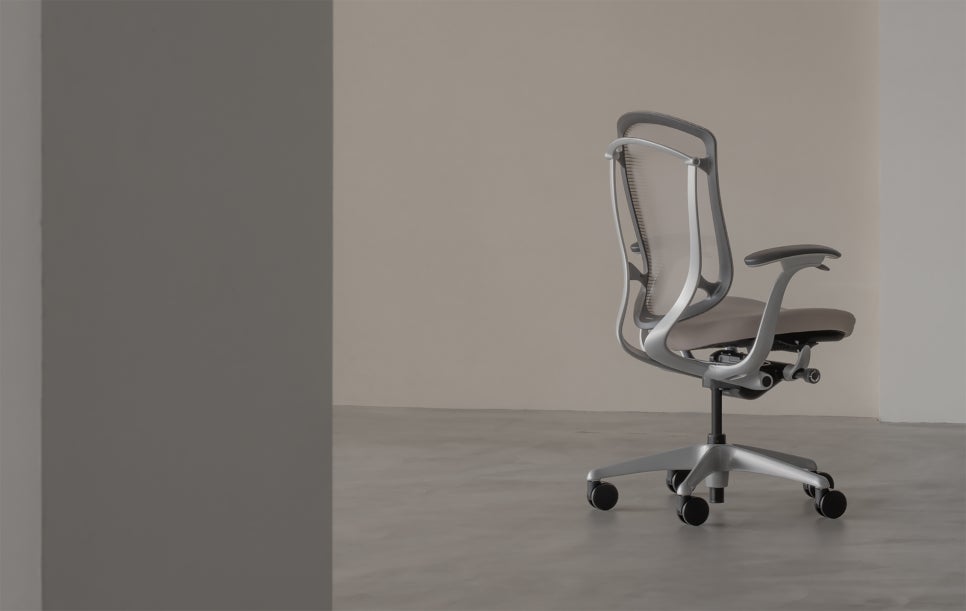
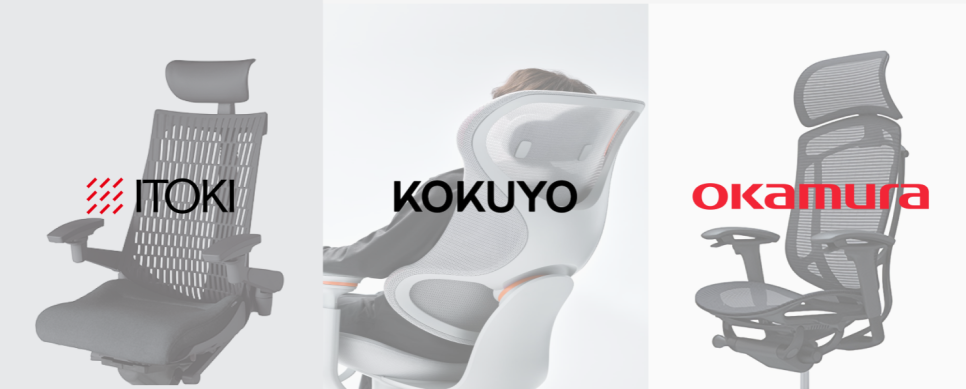
Okamura. Itoki. Kokuyo.
If you've spent any time researching office chairs, you've probably come across these names. All three are Japanese. All three are premium. All three command serious prices.
But when it comes to what actually sets them apart, most people draw a blank. "They're all… good, right?"
Today, let's set aside specs for a moment and talk about why these brands make chairs the way they do—starting with their DNA.
Okamura: 80 Years of Refined Japanese Aesthetics
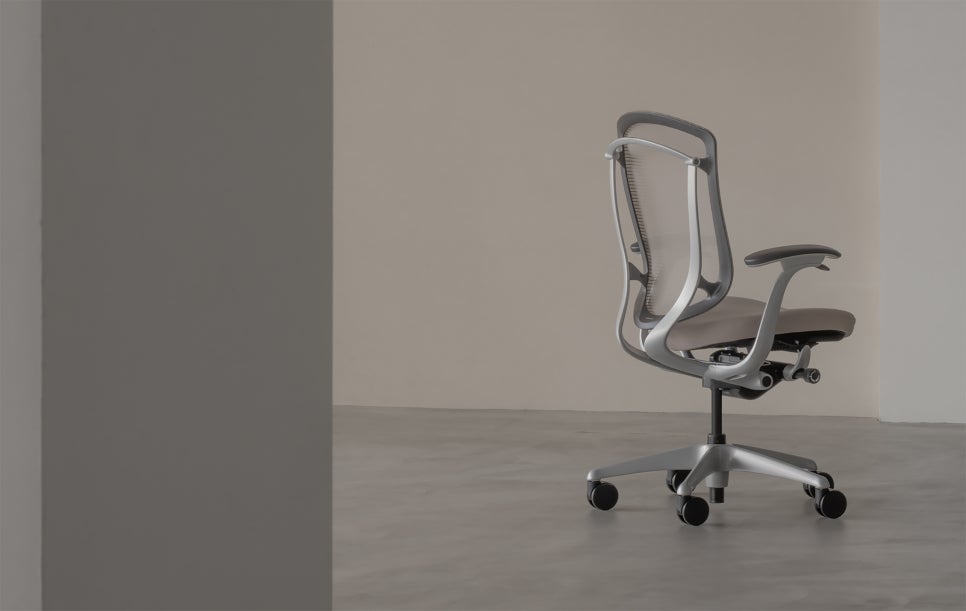
When customers stand in front of the Contessa II for the first time, they often say the same thing:
"Is a chair even allowed to look this beautiful?"
That's Okamura in a nutshell. It feels almost unfair—a chair that works beautifully and looks beautiful.
Founded in 1945, Okamura emerged during the postwar reconstruction of Japan. For 80 years, the brand has pursued a single idea: subtract everything unnecessary.
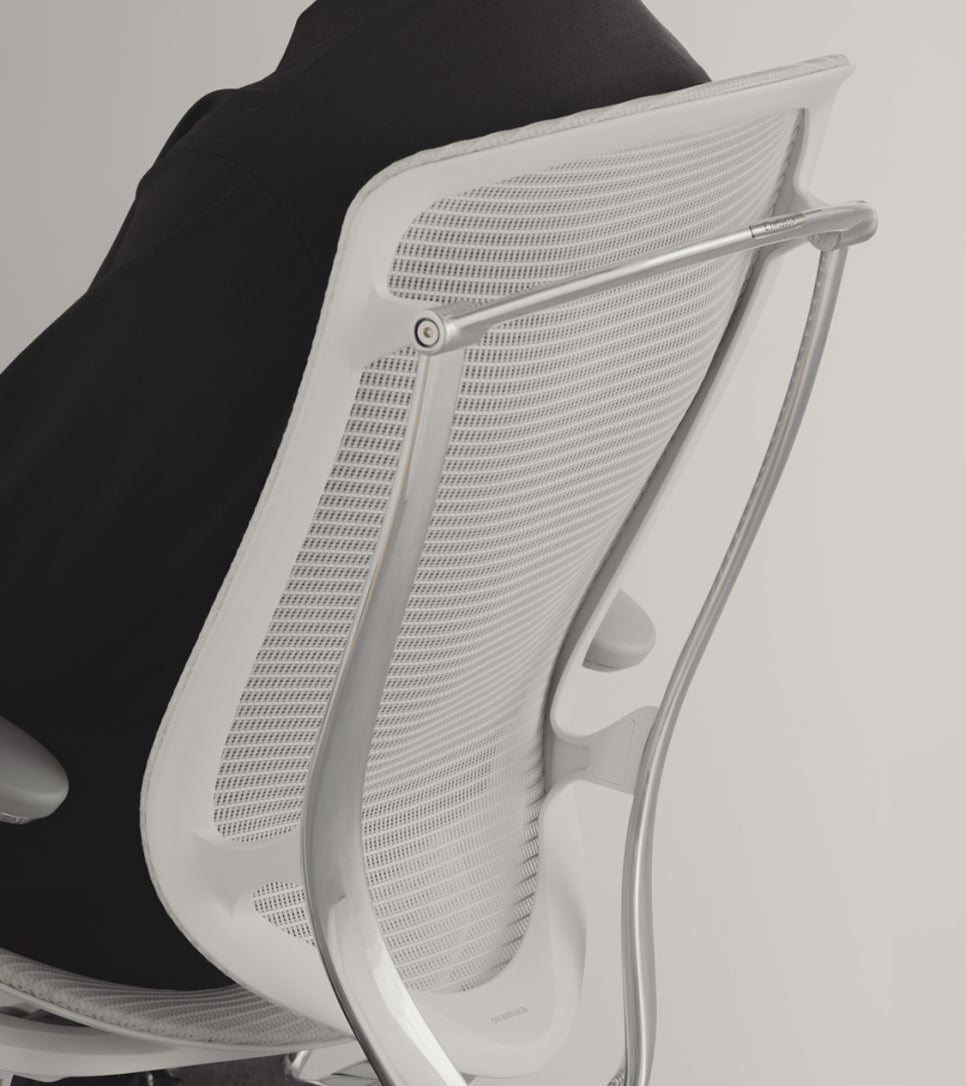
Through eight decades of refinement, Okamura discovered something essential: when function reaches completion, beauty naturally follows.
At NeoCon 2024, Okamura unveiled the MUKU collection in collaboration with Foster + Partners, one of the world's leading architecture firms. It's rare for an architect of that stature to approach a chair brand first—those familiar with the architecture world understand how significant that is.
Among Japan's big three, Okamura is the only brand that designs chairs meant to be seen even when you're sitting in them. Chairs that become part of the space itself. That's what 80 years of distillation looks like.
Okamura's catalog includes the Baron, Sylphy, Sabrina, Finora, Portone, Duke, and Legender.
Itoki: 136 Years of Thoughtful Hospitality
Itoki began in 1890 as an office supply wholesaler. For 136 years, the brand has focused on one thing: the people who work.
When you first touch the backrest of the ACT2, it feels… different. Instead of reclining on a fixed axis, it pivots along the movement of your spine.
Lean forward, and it follows. Recline, and it supports. The chair seems to greet you first.
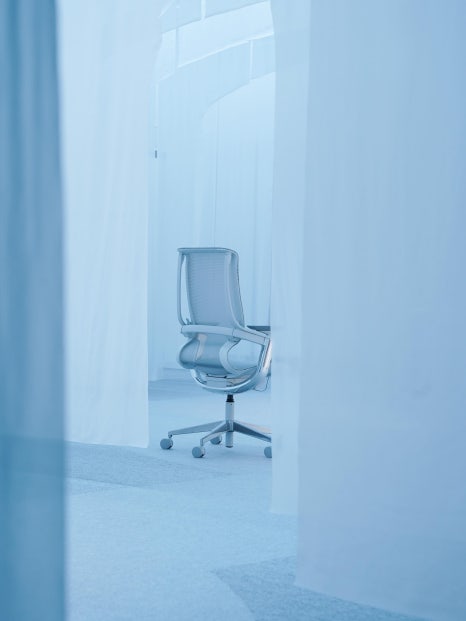
The seat uses a material called Respitech—a dual-layer polyester nonwoven fabric combined with elastomer that distributes pressure across the entire seat surface. Itoki anticipates discomfort you haven't even noticed yet.
In Japanese, there's a word for this: omotenashi (おもてなし)—hospitality that's already prepared before you ask. A chair that notices your needs before you speak them.
Only a brand that has spent 136 years beside working people can create a chair like this.
Itoki's range also includes models like the Spina, Vertebra 03, and Vertebra 03 Wood.
Kokuyo: 121 Years of Curiosity
Kokuyo started in 1905 making traditional Japanese ledgers. Today, it's still better known for its Campus notebook than for its chairs.
That might sound like a disadvantage. But Kokuyo turned it into a strength.
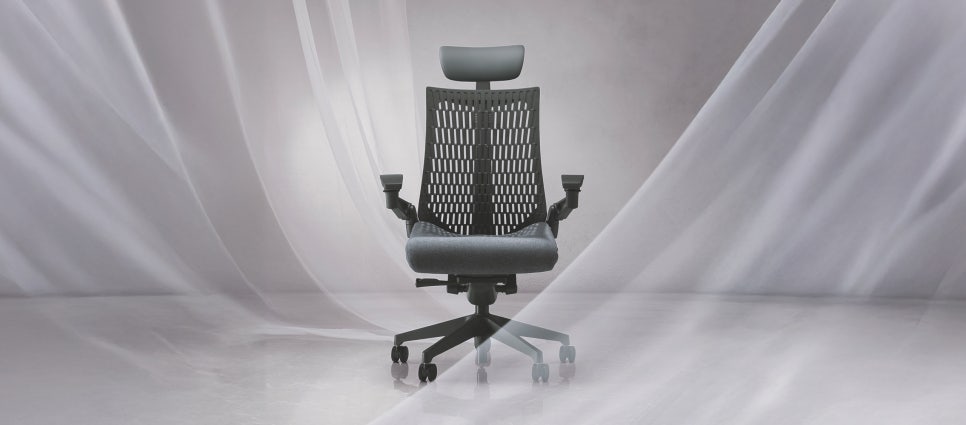
With no preconceived notions of "what a chair should be," Kokuyo could ask the question from scratch. That's why it took them eight years to develop the Ing Cloud.
When you sit in the Ing Cloud, something feels… off. In a good way.
It uses a triple-gliding structure, meaning the seat and backrest move simultaneously in three directions as your center of gravity shifts. The chair doesn't follow your movement—it moves as if it were already part of your body.
The result? A 2024 Red Dot Award: Best of the Best—one of the hardest design honors to win. An industry outsider took home the top prize.
Just as the Campus notebook has stayed out of the way of writing for decades, the Ing Cloud makes you forget you're sitting in a chair at all. That's the paradox of 121 years of curiosity.
Kokuyo also offers the Duora, Ing, and Entry.
Three Philosophies, One Standard
So what separates Japan's big three chair brands?
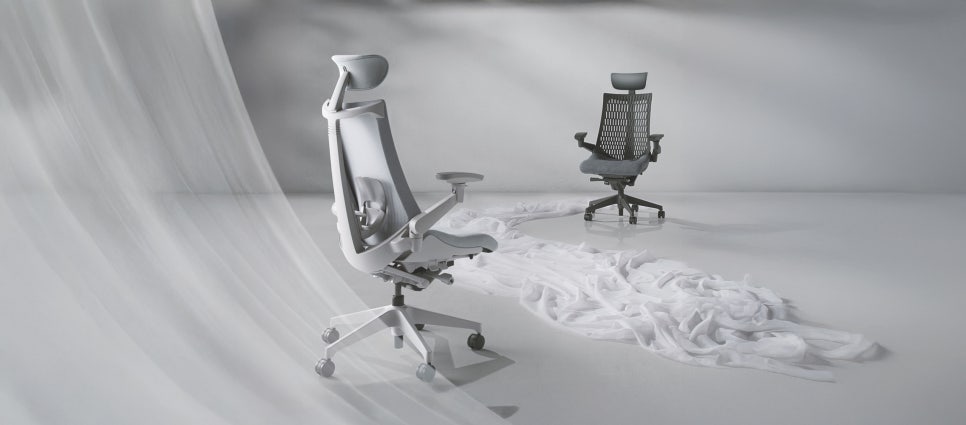
Okamura distills form and function until beauty emerges—chairs designed to be part of the architecture.
Itoki embodies omotenashi, anticipating the needs of people who work before they're even spoken.
Kokuyo approaches the chair with fresh eyes, unbound by convention, guided by relentless curiosity.
All three are premium. All three are Japanese. But the chair each one puts in front of you comes from a completely different place.
Understanding that difference is the first step to choosing the right one for you.
Furniblog may earn a commission from links in this post, at no extra cost to you. See our affiliate disclosure.