Knoll Generation Chair Review: The Frameless Design Back Pain Sufferers Love
Why this high-end ergonomic chair earns praise from customers with herniated discs
By the Furniblog Editorial Team·July 31, 2026·4 min read
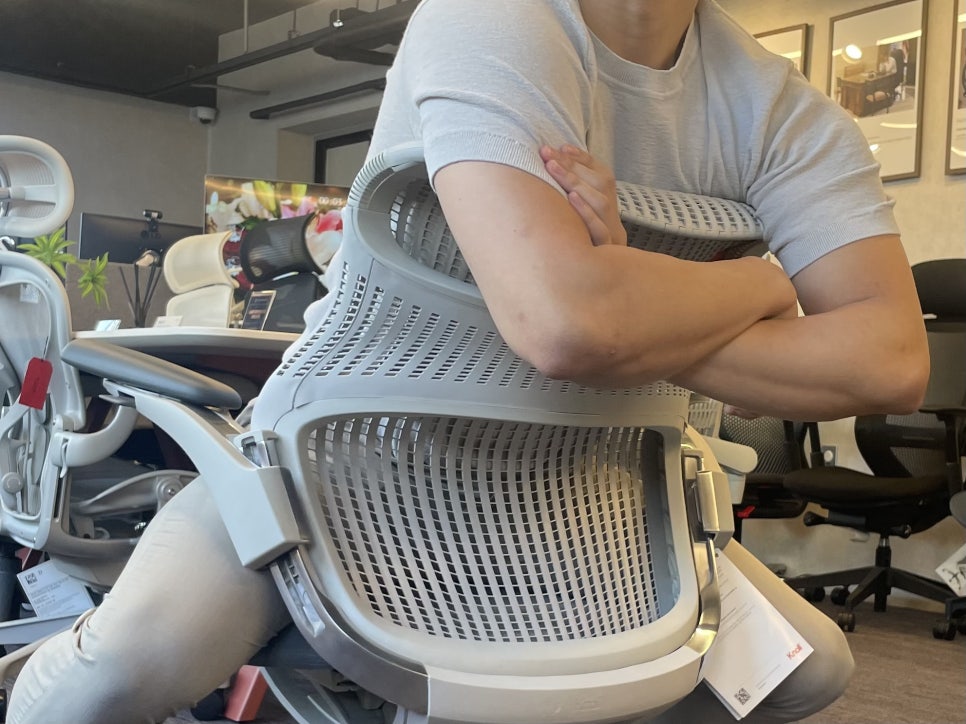
Knoll describes the Generation with a memorable tagline: "It's not a chair, it's a movement." This isn't just marketing speak. Unlike conventional ergonomic chairs that use rigid frames to enforce "proper" posture, the Generation is designed to move with your body—supporting you dynamically as you shift positions throughout the workday.
This philosophy has earned the Generation chair consistent praise from customers dealing with chronic back pain and herniated discs. Let's explore what makes this chair different and why it may be particularly well-suited for those with lumbar issues.
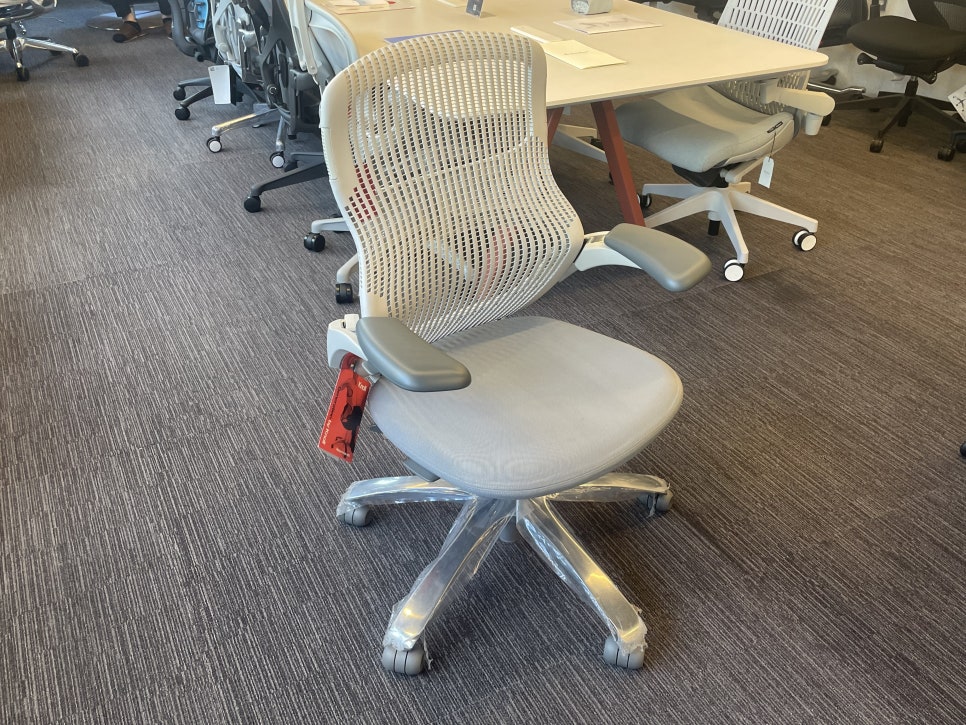
The Frameless Elastomer Backrest
The most distinctive feature of the Generation is what's missing: there's no hard perimeter frame around the backrest.
Instead, the entire backrest is constructed from a high-performance elastomer (a flexible plastic polymer) woven in a figure-8 net pattern. This net structure responds to movement in multiple directions—up, down, left, and right—flexing and returning to shape as you shift your weight.
Look closely and you'll notice the mesh openings vary in size across different zones. This is intentional. The weave is denser where your lumbar curve contacts the chair and more open near the shoulder blades, allowing the backrest to conform to individual spine curvatures rather than forcing every body type into the same fixed shape.
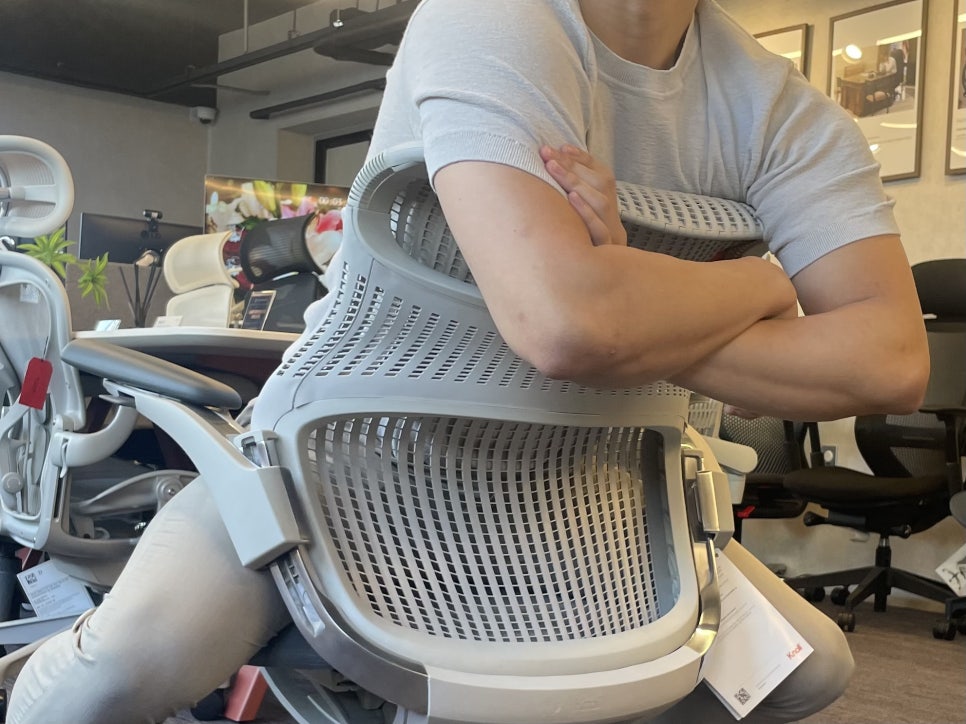
Three Key Technologies That Define the Generation
Flex Back (Frameless Design)
Without a rigid top frame or headrest, the entire backrest functions as a continuous elastic surface that adapts to your body shape. This frameless construction allows the chair to flex and support a wider range of postures and body types.
Continuous Lumbar Support
The lumbar support zone extends seamlessly from the center of the backrest out to the armrests. This means that even when you lean to one side or twist your torso, lumbar support doesn't disappear—it follows your movement and remains present across the full width of the chair.
Dynamic Suspension
The recline mechanism also uses elastomer components rather than traditional springs or tension knobs. This system automatically adjusts resistance based on your body weight, providing smooth, proportional support as you lean back and return upright.
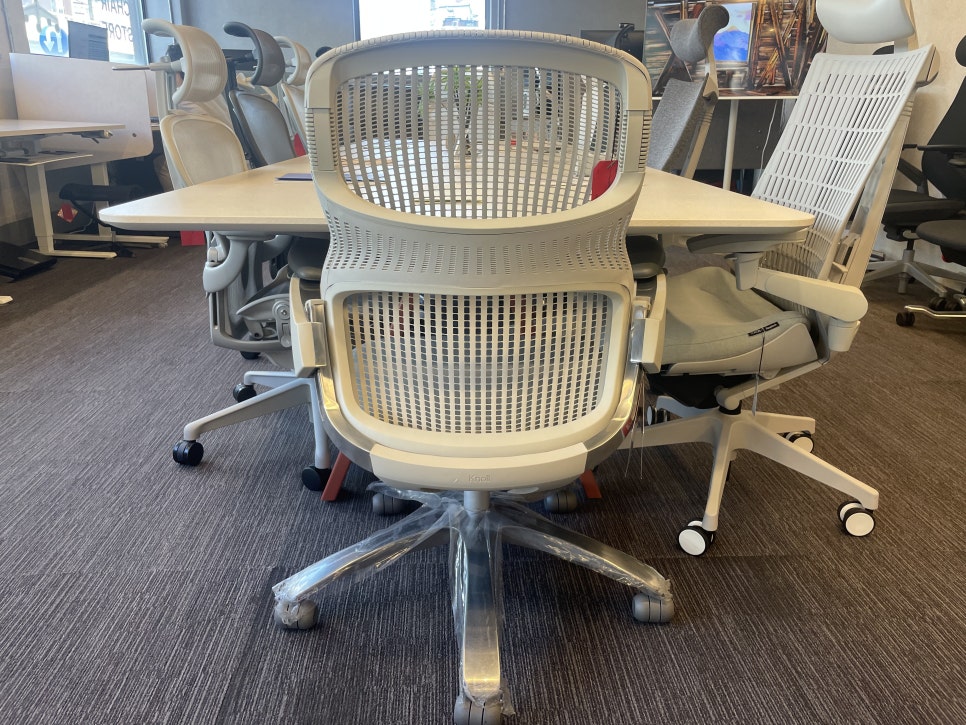
Why Back Pain Sufferers Find It Comfortable
Ergonomic experts often repeat a crucial insight: there is no single "perfect posture." The healthiest approach is to change your posture frequently, preventing any one position from straining your spine over time.
Most office chairs—even expensive ones—are designed to hold you in a predetermined "correct" position. The problem is that holding any fixed posture for hours concentrates stress on specific vertebrae, discs, and muscles.
The Generation takes the opposite approach. Because the backrest itself continuously reshapes to match your body's movement, lumbar support remains consistent whether you're sitting upright, leaning back, or turning to the side. You don't have to fight the chair to stay comfortable.
Showroom feedback consistently reflects this. Customers with existing lumbar pain or disc problems who test the Generation alongside other high-end chairs—including models like the Herman Miller Aeron, Steelcase Leap V2, and Humanscale Freedom—frequently report that the Generation feels most comfortable. The common thread: they don't have to force themselves into a rigid posture, and the chair supports them naturally as they move.

Featured in the Wall Street Journal's Home Office Guide
In August 2018, the Wall Street Journal's design section published a feature on creating an ideal home office. The article identified two essentials: an inspiring view and an ergonomic chair. The chair they chose to illustrate that principle? The Knoll Generation.
This was years before remote work became widespread, yet design journalists were already spotlighting the Generation as a benchmark for ergonomic home office furniture.
Adopted by Silicon Valley and Wall Street
While the Generation may be less recognized than the Aeron or Steelcase Gesture among general consumers, it enjoys strong adoption in professional environments—particularly in Silicon Valley tech firms and Wall Street financial offices.
The chair's design philosophy aligns well with workplaces that value creative collaboration and flexible movement over rigid conformity. Rather than enforcing a single "correct" posture, the Generation supports focus and fluidity, making it a natural fit for innovation-focused cultures.
Who Should Consider the Knoll Generation?
The Generation is an excellent choice if you:
Suffer from chronic lower back pain or have a history of herniated discs
Sit for extended periods and tend to shift positions frequently
Prefer chairs that adapt to you, rather than forcing you into a fixed posture
Value refined design and build quality alongside ergonomic performance
Work in creative or collaborative environments where movement and flexibility matter
Final Thoughts
The Knoll Generation is a thoughtfully engineered chair that prioritizes movement and adaptability over postural rigidity. Its frameless elastomer backrest, continuous lumbar support, and dynamic suspension work together to support your body as it naturally shifts throughout the day.
For individuals dealing with back pain, disc issues, or simply long hours at a desk, the Generation offers a different ergonomic approach—one that many users find more comfortable and sustainable over time.
If you're considering a high-end ergonomic chair and want something that truly moves with you, the Generation deserves a close look—and ideally, a test sit.
Furniblog may earn a commission from links in this post, at no extra cost to you. See our affiliate disclosure.