Kokuyo Ing Cloud Review: Eight Years of Engineering for a Weightless Sitting Experience
How Kokuyo reinvented office seating to enable deep focus without physical strain
By the Furniblog Editorial Team·July 7, 2026·7 min read
The Origin Story: Engineers Walking with Canes
Great innovation in furniture design often begins with witnessing something profoundly troubling. For Kokuyo's design team, that moment came outside a Tokyo IT firm late one evening.
Designers Kinoshita and Maeda observed young software engineers leaving the office unable to straighten their backs, leaning against walls for support, some even using canes like elderly people. These were professionals in their twenties and thirties.
The cause was disturbingly simple: during deep coding sessions, these engineers would sit motionless for hours—not moving even a centimeter—completely absorbed in their screens. During that time, the chair ceased to be a support tool and became a restraint device, locking the body into a single destructive posture.
This paradox—that chairs designed for human comfort were actually destroying human bodies—became the painful starting point for the development of the Kokuyo Ing Cloud.

Born to Move: The Anthropology of Human Sitting
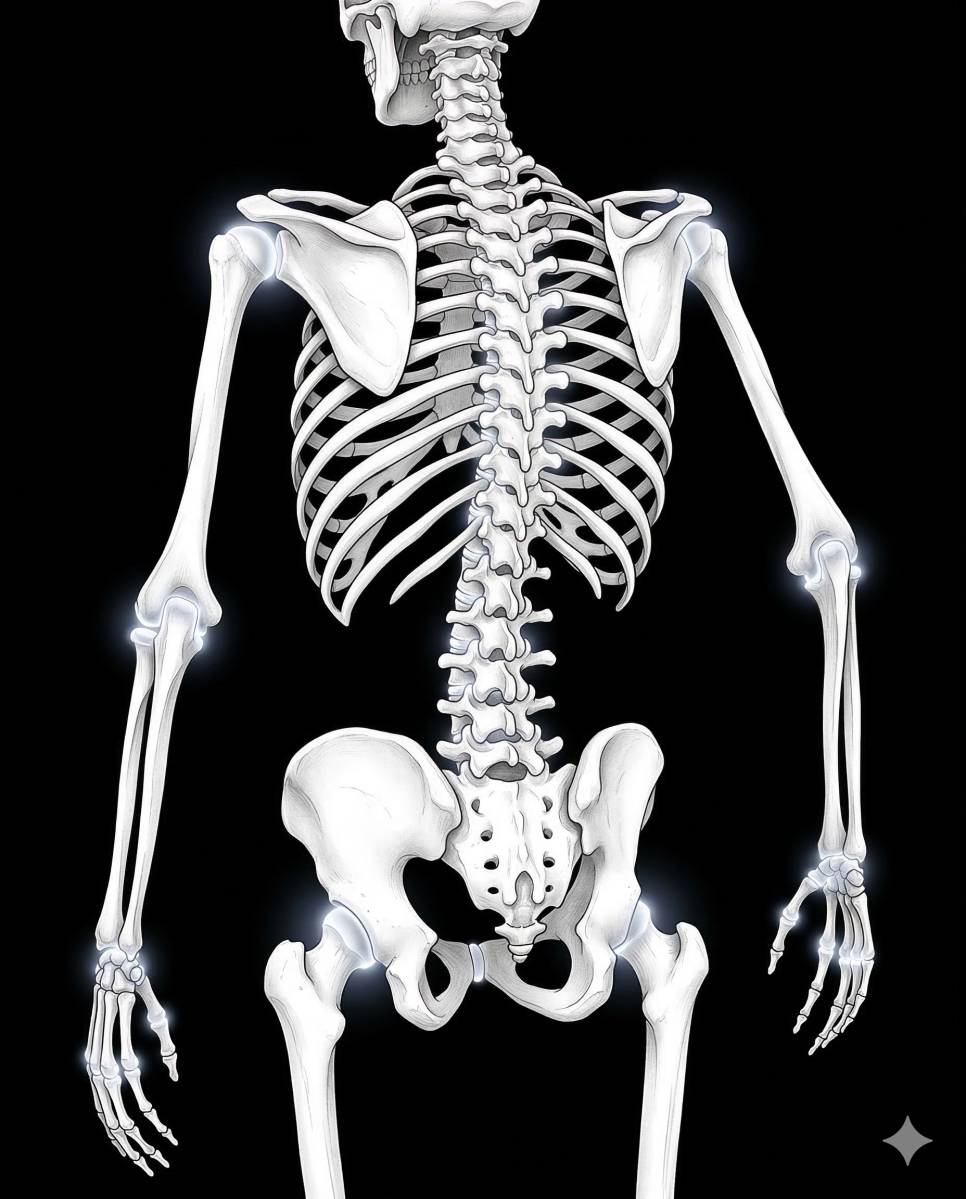
Kokuyo responded to this crisis by returning to fundamental human anatomy. The human body contains approximately 360 joints and over 700 muscles—a structure designed to remain healthy through movement, not stillness.
Yet modern workers sit for an average of seven hours per day, with Japan ranking among the highest globally for sedentary time. Prolonged static sitting doesn't just stiffen muscles; it reduces blood flow and decreases brain activity.
Kokuyo identified this as a physical crisis facing humanity and completely redefined the concept of sitting—shifting from fixation to movement.
Challenging the Orthodoxy of "Correct Posture"
While conventional office chairs sought to lock the spine into a single "correct" position, Kokuyo proposed a radical hypothesis: correct posture is not a fixed posture but one that continuously changes.
Implementing this philosophy proved exceptionally challenging. Most chairs use spring recoil to push back against body weight, but this creates subtle resistance—a form of noise against the body. Kokuyo decided to eliminate mechanical springs entirely, designing a mechanism powered only by the user's body weight and gravity.
The goal was ambitious: the chair needed to respond in real time even to the micro-movements of the ribcage during breathing. This vision sustained Kokuyo through eight years of intensive development.
Eight Years Without Springs: The Evolution from Ing to Ing Cloud
Devoting eight years to a single product is highly unusual in the furniture industry. Kokuyo's rationale was singular: to completely eliminate mechanical resistance.
Traditional office chairs use strong metal springs to support user weight and return the backrest to position. But springs inevitably create recoil force. Kokuyo's engineers determined that even this subtle resistance caused muscular tension and disrupted concentration.
They invented a revolutionary gliding mechanism that relies solely on gravity and body weight balance. Achieving this sensation—like floating on a balance ball—within the confines of a standard chair frame required tens of thousands of simulations and failures over those eight years.
The Ing Series Lineage
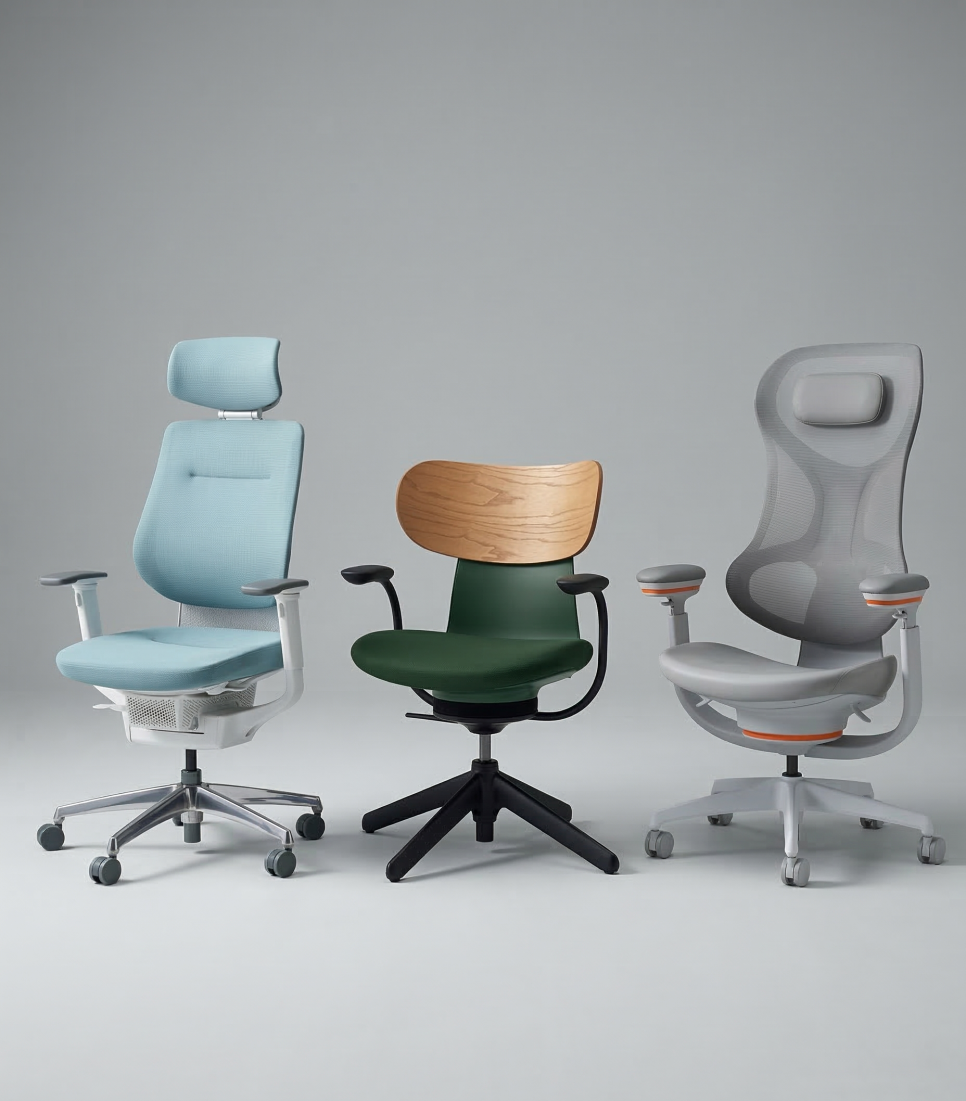
The Ing series, first launched in 2017, gradually expanded its reach according to user lifestyles:
Office Ing: Transformed workplace environments by demonstrating calorie expenditure equivalent to walking 1.5 kilometers simply from seated micro-movements, offering physical freedom to desk-bound workers.
Ing Life: Reflected the blurred boundaries between work and home, designed to integrate naturally into living rooms and home offices while maintaining healthy movement.
These models established a solid foundation proving how movement contributes to both creativity and health.
The Flagship Arrives: Why Ing Cloud Now?
If the Ing series proved the importance of movement, the 2025 Ing Cloud is the flagship model consolidating all that accumulated technology. The development team received intriguing feedback from users: "The chair's movement not only makes my body comfortable—it actually helps me focus more deeply."
Kokuyo seized on this connection to concentration. They aimed to evolve beyond movement for health alone, toward eliminating all physical sensations that interfere with creative thinking. This required redesigning the mechanism from scratch, resulting in the triple-gliding system that tracks body movement in 360 degrees.
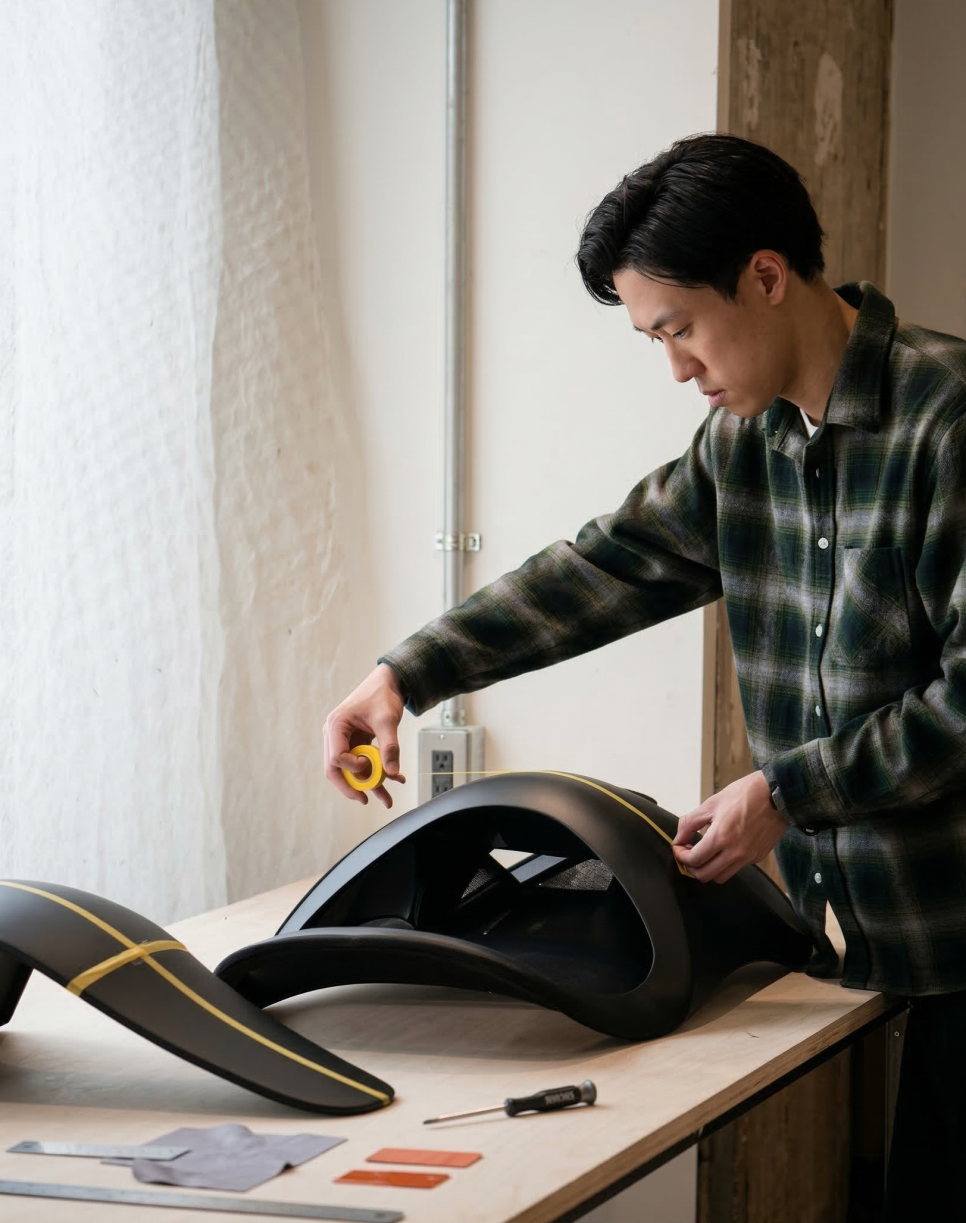
Zero-Presence Design: Erasing the Chair to Perfect Immersion
Triple Gliding: Following Every Bodily Movement
While the original Kokuyo Ing focused on movement beneath the seat pan, the Ing Cloud introduces a triple-gliding system across a much broader body surface.
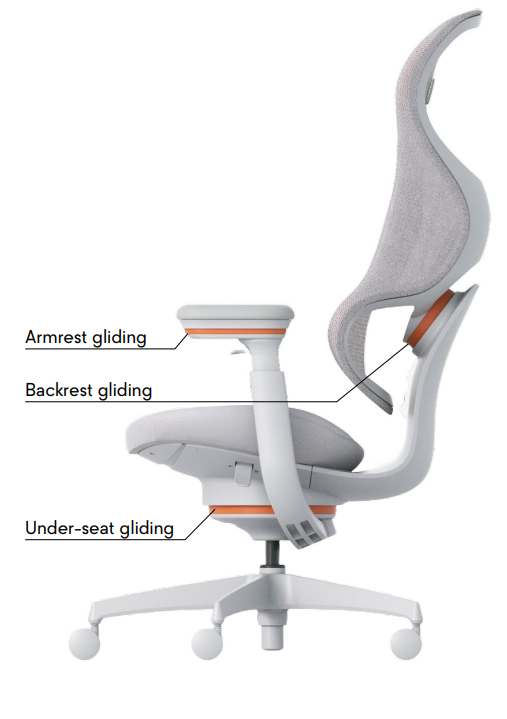
The system incorporates gliding mechanisms in three locations: beneath the seat, within the backrest, and under the armrests. When a user leans forward toward the monitor, the seat tilts while the armrests naturally follow the arm angle, and the backrest subtly supports the back in sync with breathing.
The chair doesn't constrain movement like static furniture—it responds organically like a body joint, creating an immersive sensation of unity with the user's body.
3D Hammock Mesh: Liberation from Frame Constraints
Most office chairs use rigid side frames to support mesh material. But these frames create physical interference—pressing into shoulders or back during wide arm movements or reclining.
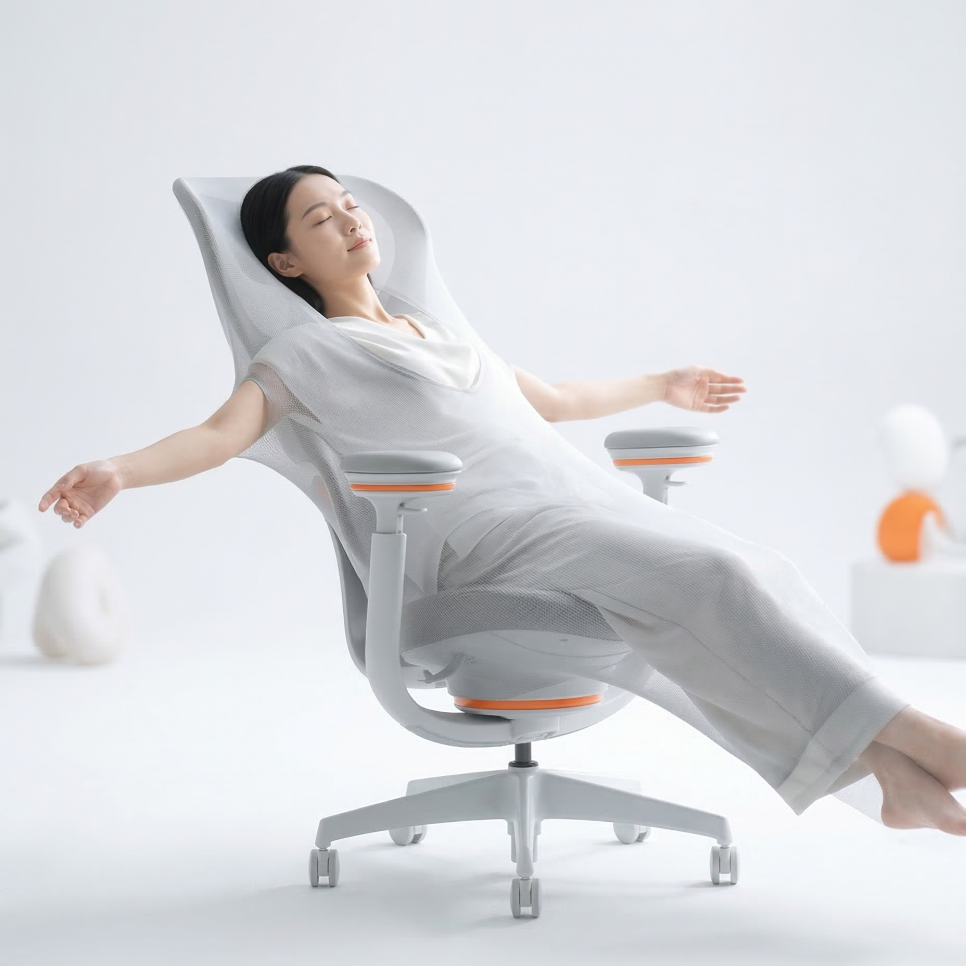
The Ing Cloud boldly eliminates these side frames with a 3D Hammock Mesh structure. Freed from frame interference, the backrest morphs three-dimensionally to match the user's body shape, gently enveloping them. The sensation resembles floating in a suspended hammock, so pronounced that users forget they're sitting in a chair at all.
Instead of side frames, the lower backrest provides robust lumbar support from both sides, delivering exceptional stability without requiring separate lumbar adjustment mechanisms.
Data-Proven Weightlessness: Dramatic Pressure Distribution
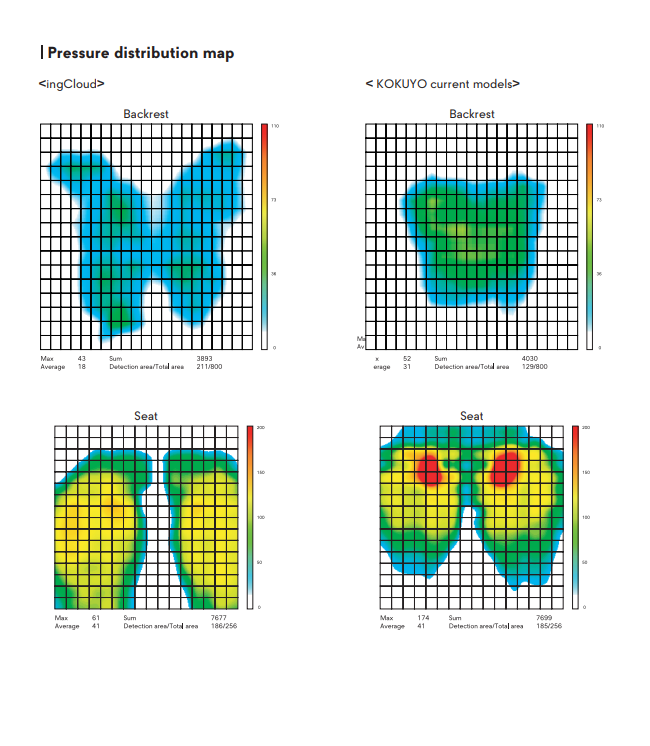
This innovative design is validated by measurable results. The Ing Cloud's 3D Ultra Auto Fit mechanism dramatically expands body contact area compared to conventional chairs, fluidly distributing pressure.
According to Kokuyo's test data, backrest pressure readings that reached 110 units in conventional products dropped to just 43 units in the Ing Cloud—a reduction exceeding 60%. Because pressure disperses evenly rather than concentrating in specific areas, users experience liberation from physical compression, feeling a lightness approaching zero gravity.
This creates an optimal environment where the brain's energy, previously spent managing physical discomfort, can be wholly devoted to work and thought.
From Sitting to Wearing: A New Category of Experience
Wearing the Chair
The core experience of the Ing Cloud is that users no longer adapt to the chair. Designers describe the sensation as closer to wearing rather than sitting.
Rather than feeling placed atop furniture, the chair becomes part of the body, immediately accommodating the user's intentions and movements. Like wearing a tailored suit or an extension of skin, this unity of experience prevents users from perceiving the chair's presence at all. Where physical boundaries vanish, only the user's thought and creativity remain.
Professionals Enthusiastic About Noise-Free Immersion
This near-weightless experience proves especially powerful for professionals whose productivity depends on split-second concentration. For programmers working on mechanical keyboards or creatives capturing fleeting inspiration, even subtle pressure from a chair or pain from fixed posture becomes fatal noise that breaks focus.
Through its 3D Ultra Auto Fit mechanism, the Ing Cloud unconsciously responds to any postural change, staying with the user. Whether leaning forward during intensive typing or reclining to gaze at the ceiling while ideating, the chair flows like water. In this process, the body gains freedom and the mind maintains a state of deep work, sinking into profound immersion.
Epilogue: A Body That Cannot Return
Kokuyo's slogan for the Ing Cloud is somewhat provocative: "You cannot go back to other chairs."
This isn't mere marketing hyperbole. It expresses confidence that once a body experiences the floating sensation perfected through eight years of studying gravitational principles and thousands of pressure analyses, it will reject the fixed sensations of all previous chairs.
The journey that began by witnessing engineers who needed canes now concludes by offering creators worldwide the freedom of weightlessness.
The Kokuyo Ing Cloud asks us: Are you ready to step away from that rigid chair disrupting your focus and leap into a world of weightlessness that breathes with your thoughts?
When the chair's presence disappears, true immersion finally begins. If the price we've paid for sitting has been bodily stiffness and pain, it's time to break that pattern. The Ing Cloud represents the technical apex of Japanese manufacturer Kokuyo's decades-long pursuit of ergonomic excellence—a chair that doesn't just support work, but enables the deep focus modern knowledge work demands.
Furniblog may earn a commission from links in this post, at no extra cost to you. See our affiliate disclosure.