Kokuyo Ing Cloud Review: The $3,000 Chair That Moves With You
Eight years in development, this innovative office chair redefines sitting
By the Furniblog Editorial Team·July 6, 2026·6 min read
A Chair That Refuses to Keep You Still
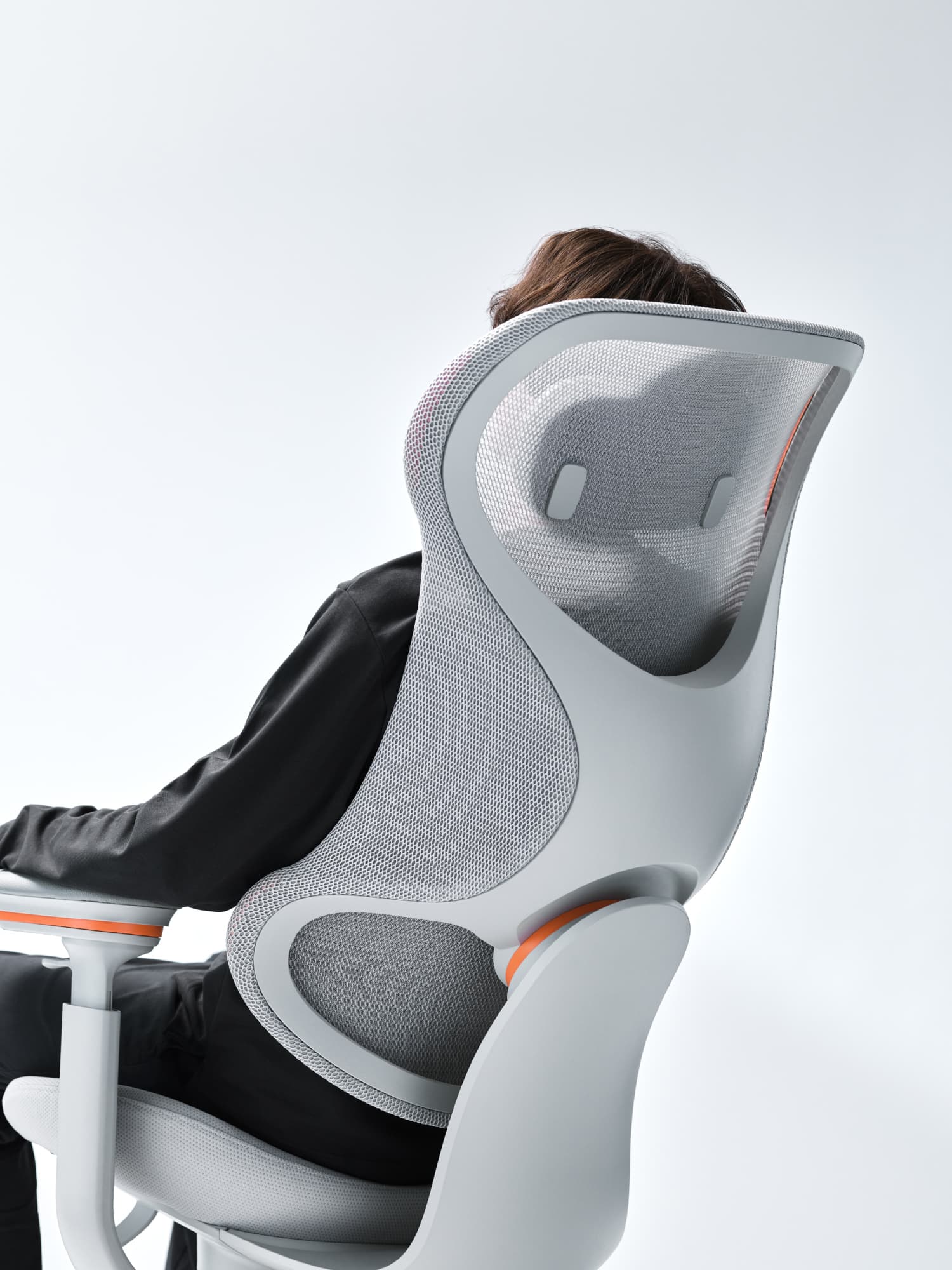
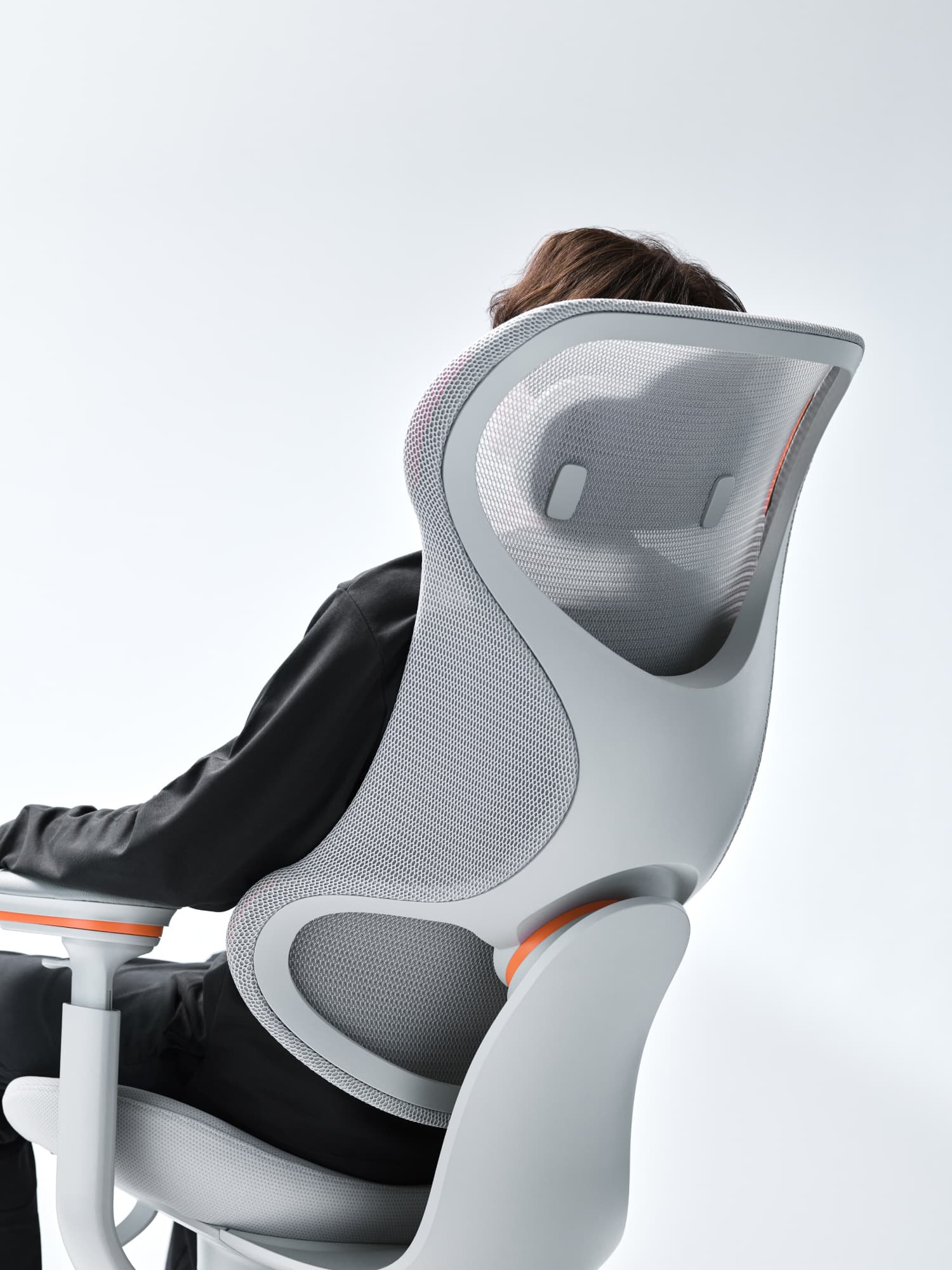
In the world of high-end office seating—where brands like Herman Miller and Steelcase dominate—the Kokuyo Ing Cloud has emerged as something genuinely different. With a price tag approaching $3,000, it's not competing on adjustability or lumbar support alone. Instead, it's built around a single radical idea: that sitting still is the problem, and movement is the solution.
The Ing Cloud is the flagship of Kokuyo's Ing series, a family of chairs designed to keep your body subtly active throughout the workday. If you've ever wondered whether a chair can double as exercise equipment, this is the model that tries to answer "yes."
The Origin Story: Engineers Who Couldn't Walk Straight
The Ing series was born from an unsettling observation. Kokuyo's design team, while researching workplace ergonomics in Tokyo, noticed young software engineers leaving their offices late at night—some leaning on walls, others limping as though they needed a cane. These weren't injured workers; they were victims of hyper-focus.
During deep coding sessions, many would sit motionless for hours, locked in a single posture. The chair, meant to support the body, had become a kind of cage, freezing muscles and restricting circulation. Kokuyo's designers saw this as a design failure: chairs that prioritized "correct posture" were inadvertently damaging the people who used them.
This realization launched an eight-year development effort to create a chair that wouldn't just support the body, but keep it gently moving.
The Core Concept: 360° Gliding
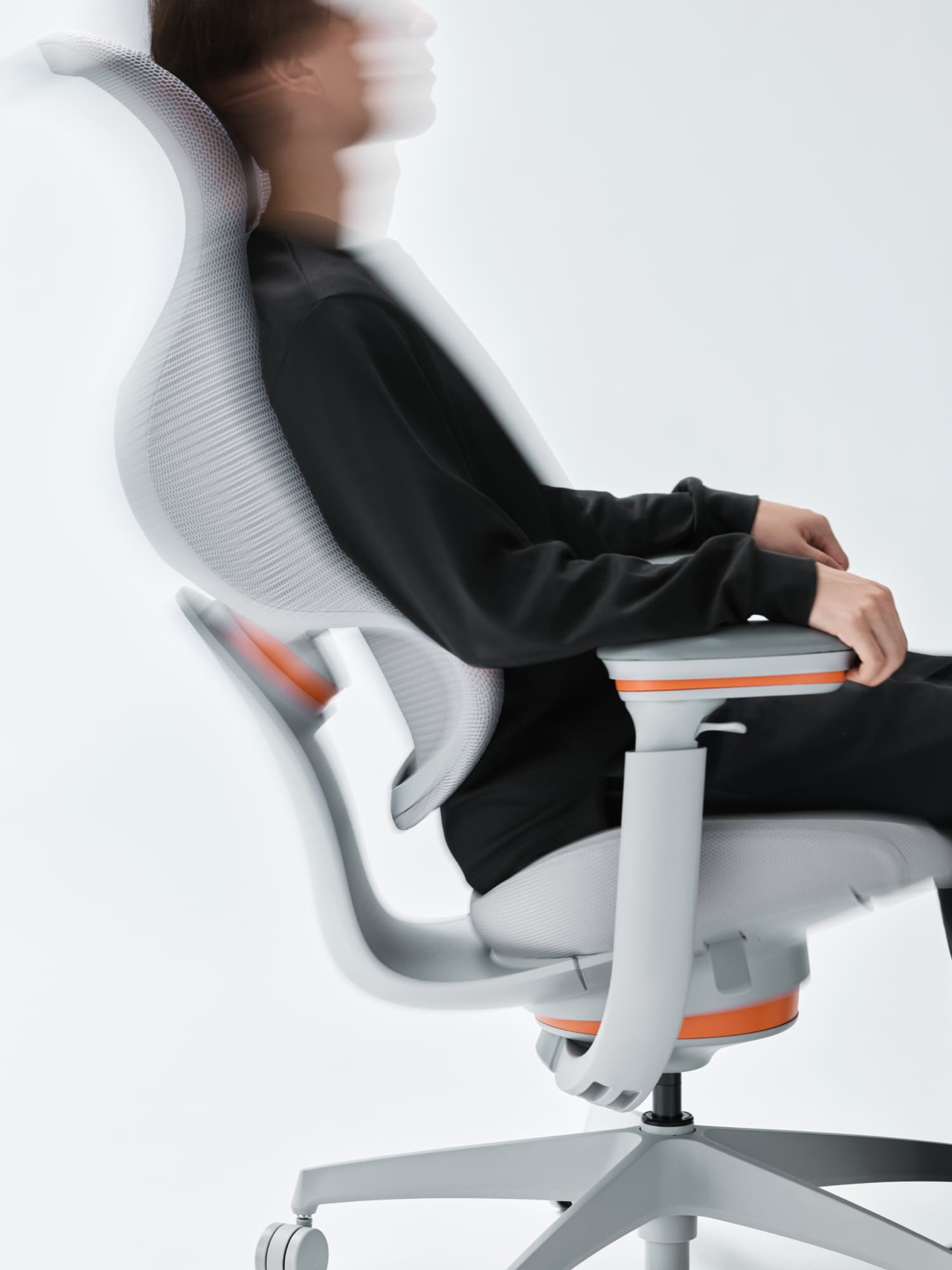
The defining feature of the Ing Cloud is its 360° gliding mechanism. Unlike a standard office chair with a fixed seat pan, the Ing Cloud's seat responds to your body's micro-movements in all directions—forward, back, left, and right.
Think of it as sitting on a balance ball, but with the structure and adjustability of a task chair. As you shift your weight, lean toward your monitor, or even breathe deeply, the seat glides in response. The effect is subtle but constant: your core, back, and leg muscles stay lightly engaged, much as they would if you were standing.
How It Compares to Conventional Chairs
Traditional office chairs lock your pelvis in place. Over time, this leads to stiffness, reduced circulation, and the familiar ache of sitting too long. The Ing Cloud, by contrast, allows continuous micro-adjustments. According to Kokuyo's internal research, sitting in the Ing Cloud for one hour burns calories equivalent to walking approximately 1.5 kilometers—a modest but meaningful difference over an eight-hour workday.
Why It Took Eight Years to Build
Most office chairs rely on metal springs to provide tension and return force. Springs are effective, but they create resistance—a slight pushback that your muscles must counteract. Kokuyo's team believed this resistance, however small, disrupted the user's sense of ease and flow.
Their solution was to eliminate springs entirely. Instead, the Ing Cloud uses a gravity-based gliding system that relies solely on your body weight and the chair's precision-engineered pivots. The result is motion without mechanical resistance—a sensation Kokuyo describes as "floating" or "zero gravity."
Achieving this required thousands of prototypes and simulations. The mechanism had to be sensitive enough to respond to the expansion of your ribcage during breathing, yet stable enough to support users safely throughout the day. It took eight years to get it right.
What Makes the Ing Cloud Different from Standard Ing Models
The Kokuyo Ing launched in 2017 as the original active-sitting chair, aimed primarily at office environments. The Ing Life followed, with a softer aesthetic suited to home and hybrid workspaces. The Ing Cloud, introduced as the series flagship, represents the most refined iteration of the technology.
Key Upgrades in the Ing Cloud
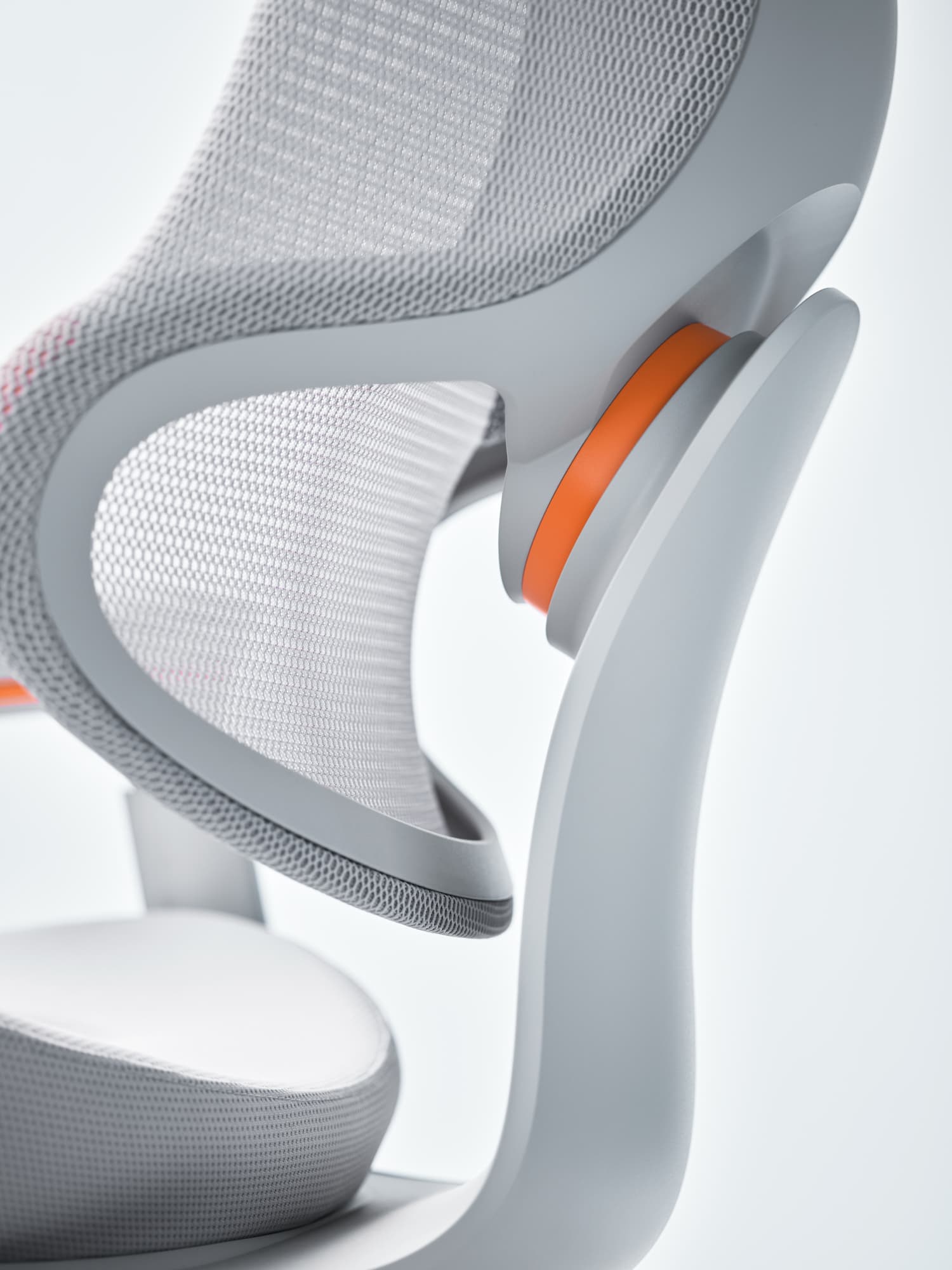
Triple Gliding System: Gliding mechanisms in the seat, backrest, and armrest bases, allowing all three zones to move fluidly with your body
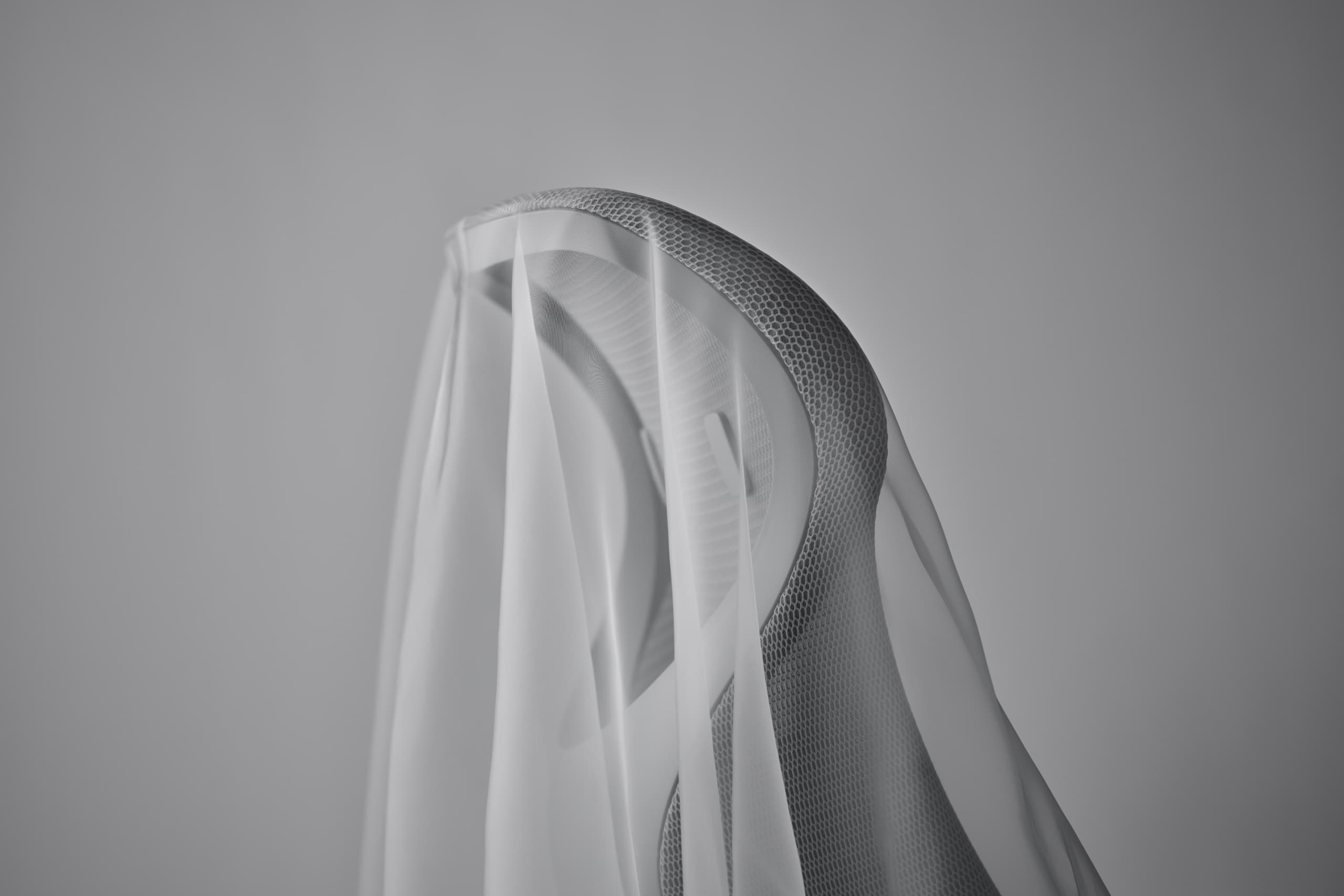
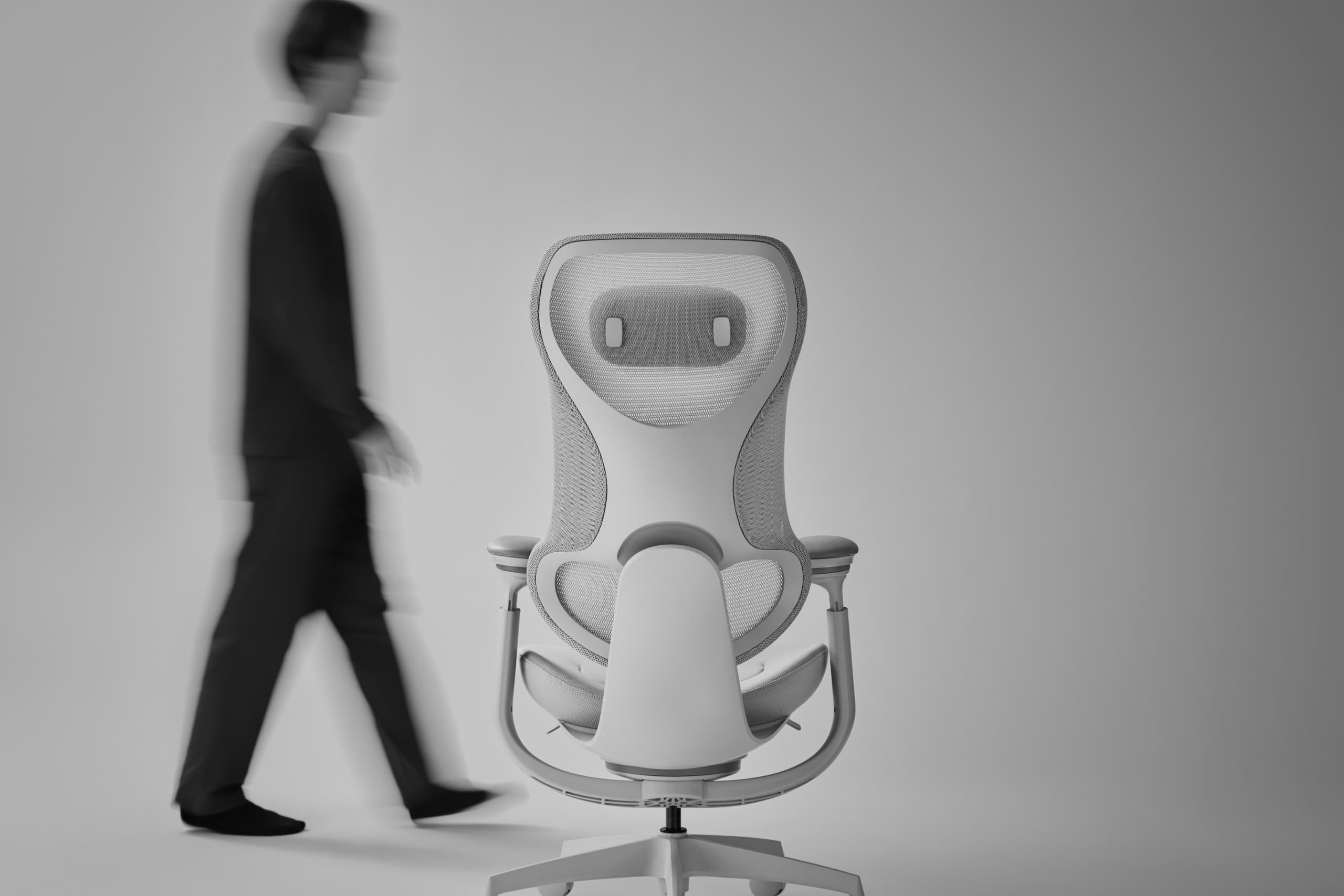
3D Hammock Mesh Backrest: A frameless mesh back that wraps around your torso without rigid side supports, reducing pressure points
Enhanced Pressure Distribution: Kokuyo's testing shows the Ing Cloud reduces peak backrest pressure by over 60% compared to conventional chairs
Premium Materials: Wood-tone backrest accents and high-end fabric upholstery designed to complement modern interiors
Design and Adjustability
Beyond its gliding seat, the Ing Cloud includes a range of thoughtful ergonomic details:
Forward-Tilt Seat Pan: Encourages a natural spinal S-curve and reduces strain on the neck and shoulders
Zoned Cushioning: Firmer support under the sit bones, softer padding under the thighs to maintain circulation
3D Adjustable Armrests: Height, width, and angle adjustments for precise arm support
Auto-Lock Safety Feature: The gliding mechanism only activates when you're seated properly; it locks automatically when you stand
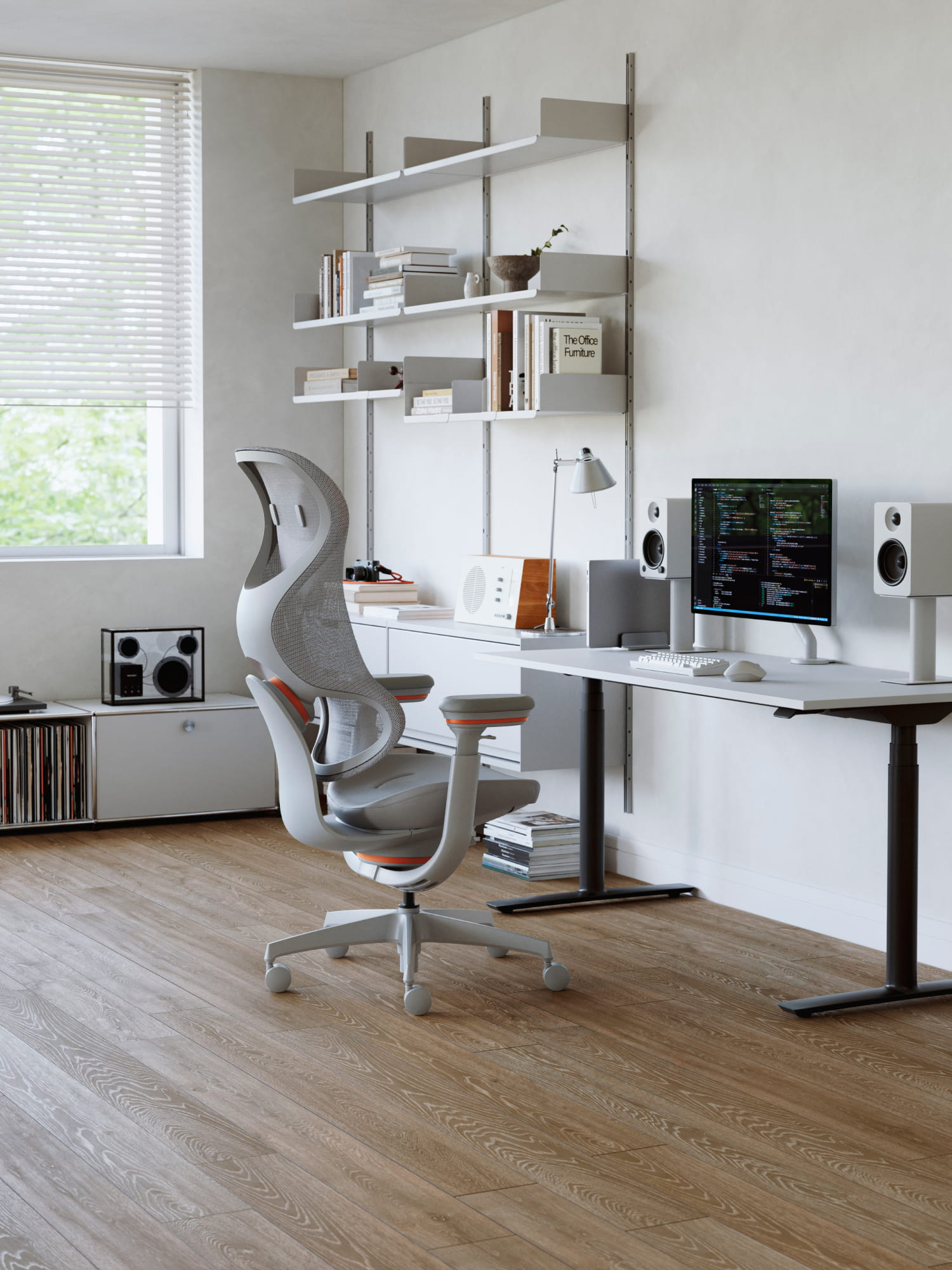
The chair's aesthetic is deliberately understated. The wood-trimmed backrest and fabric seat give it a warmer, less clinical look than all-mesh competitors—closer in spirit to Scandinavian furniture than traditional office equipment.
Who Should Consider the Ing Cloud?
The Ing Cloud is best suited to users who:
Sit for extended periods and struggle with stiffness or discomfort
Fidget frequently or feel the need to shift positions often
Want a chair that actively supports movement rather than enforcing static posture
Value design and material quality alongside ergonomic performance
Are willing to adapt to an unconventional sitting experience
It's worth noting that the floating sensation takes time to get used to. First-time users often report feeling slightly unstable for the first few days. But according to user feedback and our own testing, most people adapt quickly—and many find it difficult to return to fixed-seat chairs afterward.
Pricing and Model Variants
The Kokuyo Ing family is positioned at the premium end of the market:
Model | Approximate Price (USD) | Key Differences |
|---|---|---|
Ing Cloud | $3,000–3,500 | Flagship model with triple gliding, 3D mesh, premium finishes |
Ing | ~$2,300 | Original office model with core gliding mechanism |
Ing Life | ~$1,950 | Home-focused design, softer aesthetic, simplified controls |
Prices vary by configuration, upholstery, and retailer. Because the Ing Cloud is imported from Japan and produced in limited quantities, availability can be inconsistent. If you're interested, it's worth confirming stock and lead times with an authorized dealer before committing.
A Philosophy of Active Sitting
Kokuyo frames the Ing Cloud not as a better way to sit still, but as a fundamentally different approach to sitting. The tagline—"Once you experience it, you can't go back"—is bold, but it reflects the company's confidence that the body, once freed to move, will resist returning to stasis.
The chair is designed for what Kokuyo calls "deep work"—the kind of sustained, focused effort required by programmers, designers, writers, and other knowledge workers. By eliminating physical discomfort and the need for conscious posture correction, the Ing Cloud aims to let users sink fully into their tasks.
Whether it succeeds depends partly on your work style. If you thrive on stillness and locked-in support, the Ing Cloud may feel too loose. But if you're someone who constantly adjusts, stretches, or shifts weight, the chair's responsive movement may feel like a revelation.
Final Thoughts
The Kokuyo Ing Cloud is not for everyone—and at this price, it doesn't need to be. It's a specialist tool for people who sit long hours and are looking for an alternative to the static ergonomics of the Herman Miller Aeron or Steelcase Gesture.
Its gliding mechanism, frameless backrest, and gravity-based design represent a genuine departure from conventional task seating. Whether that departure is worth three thousand dollars depends on how much you value movement, and whether you're willing to adapt to a chair that refuses to stay still.
If you're curious, the best way to decide is to try it in person. The experience of floating while seated is difficult to convey in words—and nearly impossible to forget once felt.
Furniblog may earn a commission from links in this post, at no extra cost to you. See our affiliate disclosure.