Kokuyo Ing Cloud Review: Triple Gliding Meets Cloud-Like Comfort
How Kokuyo's latest ergonomic chair redefines pressure distribution with 3D mesh
By the Furniblog Editorial Team·July 10, 2026·4 min read
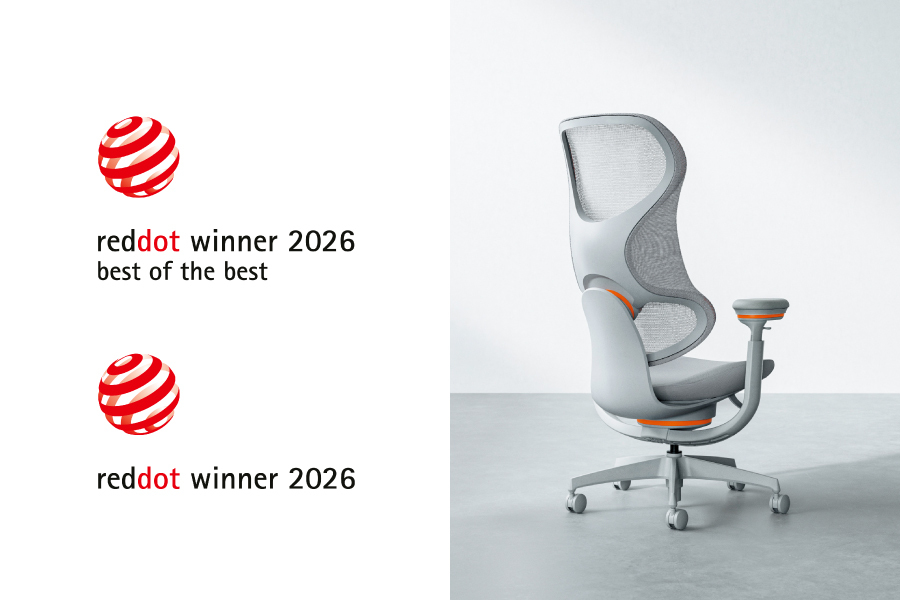
If you sit for eight or more hours a day, you've likely heard of Kokuyo's Ing series. The latest evolution—the Kokuyo Ing Cloud—made its debut at Orgatec Tokyo 2025, where it won both the Grand Prix and Best Booth awards. Since its official release in December 2025, interest has surged, and for good reason: this chair introduces a fundamentally new approach to adaptive seating.
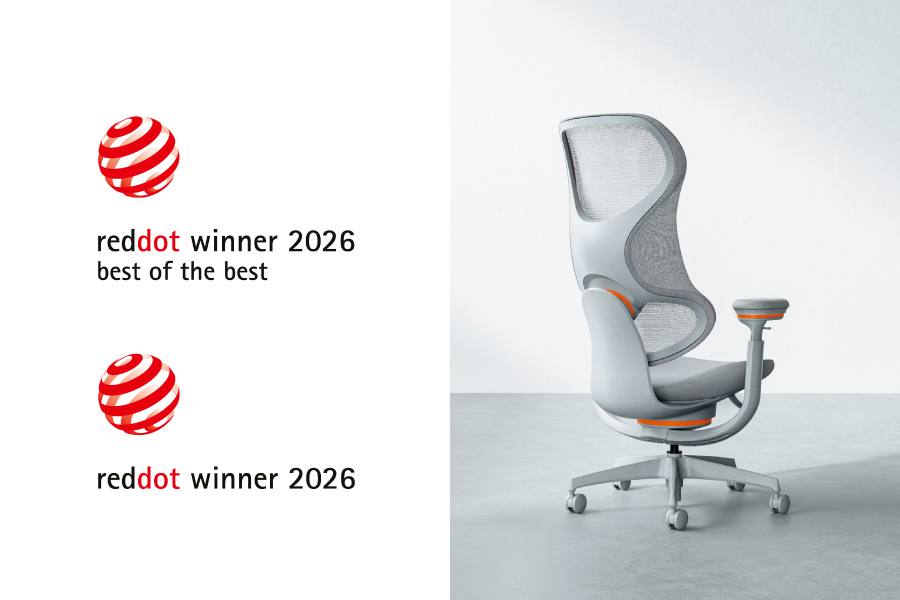
What Is the Kokuyo Ing Cloud?
The Ing Cloud is the result of years of research by Japanese office furniture manufacturer Kokuyo into the act of sitting itself. The name "Cloud" isn't marketing hyperbole—it describes the sensation users report when they first sit down. Kokuyo characterizes it as a feeling of being "enveloped" rather than simply supported, as if the chair wraps around your body rather than pushing back against it.
This experience is made possible by what Kokuyo calls the 3D Ultra Auto-Fit mechanism, which comprises two core innovations: triple gliding and a frameless 3D hammock mesh backrest.
Core Technology: How Triple Gliding Works
Three Points of Independent Movement
The original Kokuyo Ing featured a single gliding axis beneath the seat that allowed 360-degree movement—a novel approach that encouraged micro-movements and core engagement. The Ing Cloud takes this concept further by adding gliding mechanisms in three locations:
Base gliding: The seat pan moves freely in all directions
Backrest gliding: The back pivots and tilts independently
Armrest gliding: Armrests adjust fluidly to follow your posture
Whether you lean forward, recline, or shift to the side, the chair responds as a unified system. You don't need to consciously engage any mechanism—the chair anticipates and supports your movement organically.
Frameless 3D Hammock Mesh Backrest
Traditional mesh office chairs use a rigid frame on both sides of the backrest, which stretches the mesh flat. The Ing Cloud eliminates these side frames entirely, allowing the mesh to form a three-dimensional, hammock-like surface.
When you lean back, the mesh conforms to the natural curvature of your spine and distributes pressure across a broader contact area. This creates a noticeably different tactile experience compared to conventional mesh chairs—softer, more enveloping, yet still breathable and supportive.
Gravity-Based Automatic Pressure Distribution
One of the most distinctive aspects of the Ing Cloud is that it requires no manual adjustments to achieve proper pressure distribution. The chair uses gravity and the interplay of its three gliding zones to automatically adapt to your body and posture. Kokuyo refers to this as "auto-fit"—the chair conforms to you, not the other way around.

Kokuyo Ing vs. Ing Cloud: What Changed?
If you're already familiar with the original Ing, here's how the Cloud version differs:
Feature | Kokuyo Ing | Kokuyo Ing Cloud |
|---|---|---|
Gliding axes | 1 (seat base) | 3 (seat, backrest, armrests) |
Backrest structure | Side frames + flat mesh | Frameless 3D hammock mesh |
Primary focus | Active sitting, core engagement | Full-body pressure distribution, enveloping comfort |
Design philosophy | Movement for health | Comfort and concentration |
The original Ing was designed around the concept of "active sitting"—encouraging subtle movement to engage core muscles and improve circulation. The Ing Cloud retains that freedom of movement but shifts the emphasis toward sustained comfort and mental focus, making it better suited for long stretches of concentrated work.
Who Should Consider the Ing Cloud?
Kokuyo positions the Ing Cloud for professionals who spend extended hours in front of a screen: developers, designers, writers, and analysts. It's particularly well-suited if you:
Sit for six or more hours daily in a focused, stationary posture
Experience whole-body fatigue rather than isolated lower back pain
Have a larger build or find most chair backrests too narrow
Prefer a chair that adapts to your movements rather than one that enforces a "correct" posture
On the other hand, if you prefer chairs like the Herman Miller Aeron or Steelcase Leap V2—models that actively guide you into an ergonomic position—the Ing Cloud's more passive, adaptive approach may feel less structured. There's no one-size-fits-all answer in ergonomic seating; the right chair depends on your work style, body type, and personal preferences.
Final Thoughts
The Kokuyo Ing Cloud represents a meaningful evolution in adaptive seating. Its triple-gliding mechanism and frameless 3D mesh backrest work in concert to create a chair that feels less like a piece of furniture and more like a second skin—responsive, weightless, and unobtrusive.
Reading about these features is one thing; experiencing them is another. The interplay of the three gliding zones and the tactile quality of the hammock mesh are best understood firsthand. If you have access to a showroom or dealer that stocks the Ing Cloud, it's worth scheduling a test sit to see whether this approach to ergonomic support aligns with how you work.
For those seeking a chair that prioritizes long-term comfort and effortless adaptability over structured postural correction, the Ing Cloud is a compelling option worth serious consideration.
Furniblog may earn a commission from links in this post, at no extra cost to you. See our affiliate disclosure.