LiberNovo Omni Review: I Tried the "World's First Dynamic Ergonomic Chair" at ChairPark Mapo
A hands-on look at the Kickstarter-backed chair with 16-pivot adaptive backrest
By the Furniblog Editorial Team·July 13, 2026·6 min read
If you've been shopping for a premium ergonomic office chair lately, you've probably started with the usual suspects: the Herman Miller Aeron, maybe the Steelcase Gesture. But as remote work has pushed more people to invest seriously in their home office setup, a new name has been making the rounds—especially among those browsing Kickstarter and early-adopter forums.
Enter the LiberNovo Omni, a Hong Kong–based chair that launched on Kickstarter in 2025 with the tagline "the world's first dynamic ergonomic chair." Unlike traditional ergonomic chairs that lock you into supported postures, the Omni claims to adapt in real time to your spine's natural movement—powered by electric motors and a unique multi-pivot backrest.
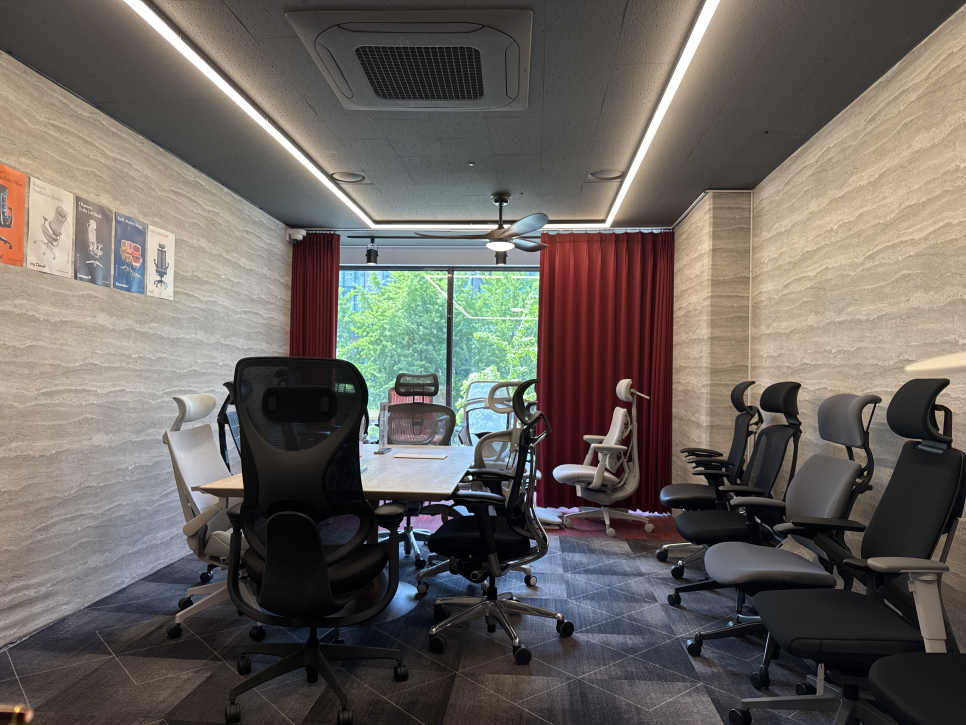
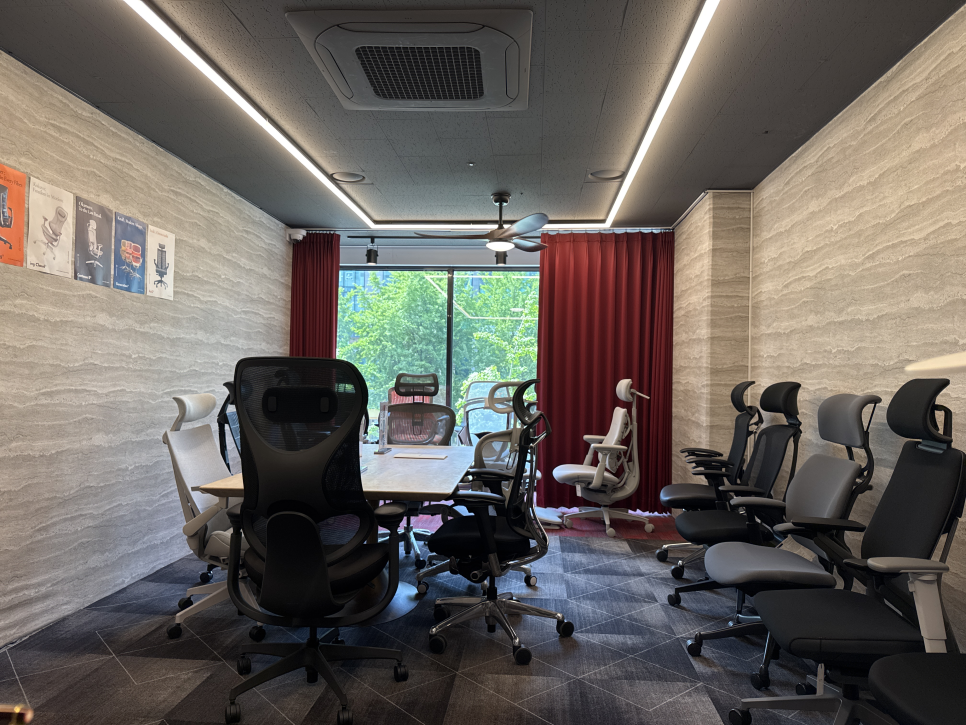
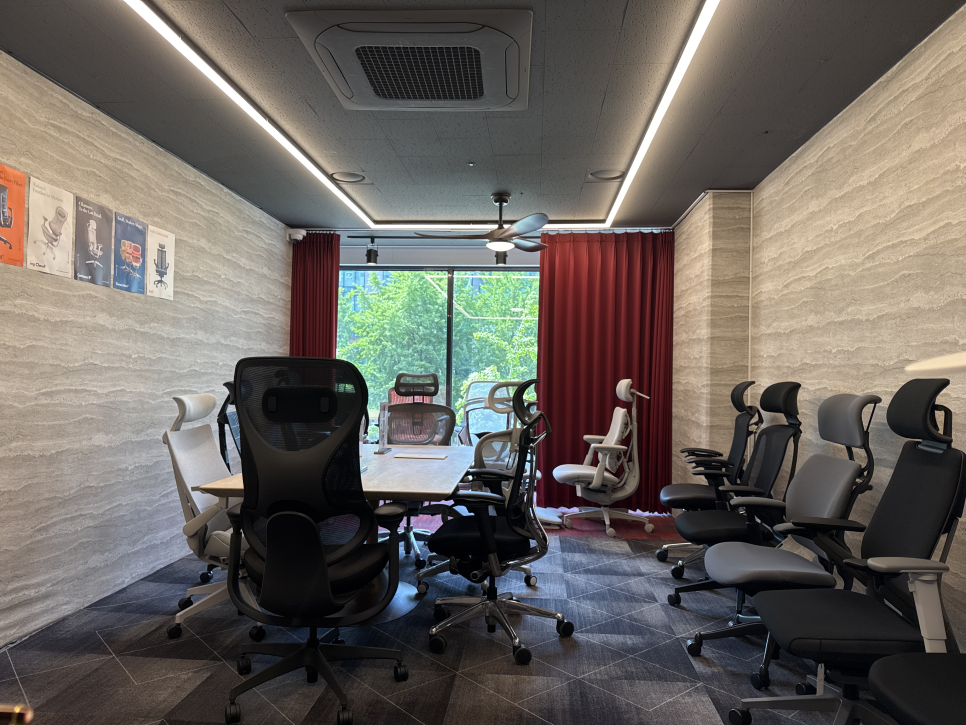
The catch? It's still relatively unknown in North America and hard to try in person. I recently had the chance to sit in one at ChairPark Mapo, one of the few showrooms carrying it alongside Herman Miller and Okamura models. Here's what I learned.
What Is the LiberNovo Omni?
LiberNovo is a Hong Kong–based furniture brand that debuted the Omni in early 2025 via a successful Kickstarter campaign. The chair positions itself in a new category the brand calls "dynamic ergonomics"—the idea that your chair should continuously adjust to you, rather than requiring constant manual lever tweaking throughout the day.
The underlying philosophy is based on research showing that people unconsciously shift posture more than 120 times per day. Instead of fighting that natural movement or forcing you to readjust lumbar knobs every time, the Omni uses powered mechanisms and an articulated backrest to move with you.
Because it's new and niche, finding a place to actually sit in one has been tough—which is why the ChairPark Mapo location in Seoul is noteworthy. It's one of the first showrooms anywhere to stock the Omni next to established premium chairs for side-by-side comparison.
Four Key Features That Set the Omni Apart
After reviewing the specs and spending time in the chair, a few features stand out as genuinely different from the Herman Miller and Steelcase chairs I'm used to.
1. Dynamic Support with Powered Adjustment
Instead of manual levers, the Omni uses button-controlled electric motors to adjust lumbar support, backrest angle, and tension. The system is designed to let you adapt your seating position quickly—no wrestling with stiff knobs or memorizing which lever does what. If you change tasks (deep work to video call to relaxing), you can shift modes almost instantly.
2. Bionic FlexFit Backrest
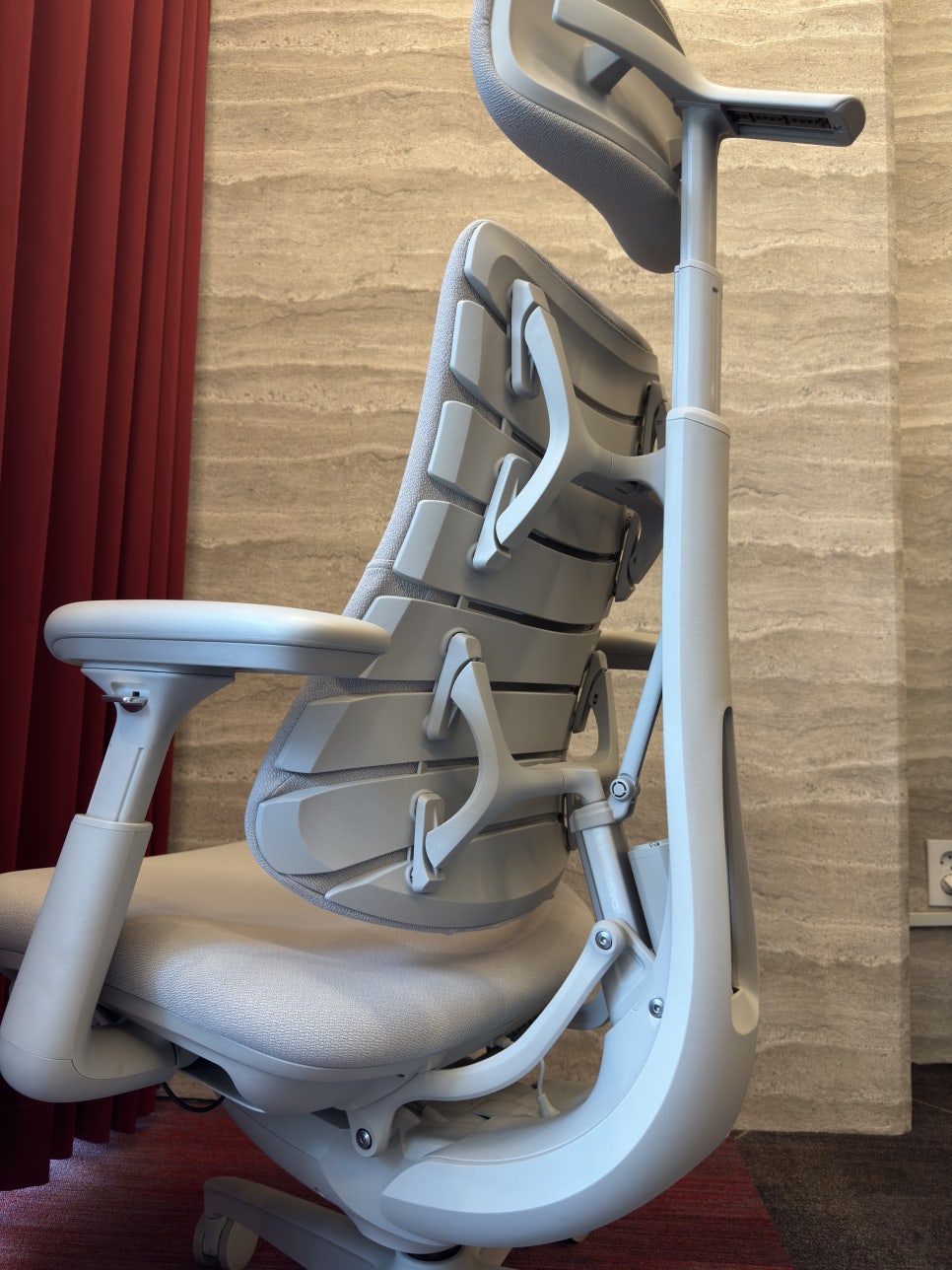
The backrest isn't a single mesh panel or molded shell. It's built from 16 pivot joints and 8 adaptive panels that articulate independently. In practice, this means the backrest conforms along the entire length of your spine—from lumbar to shoulder blades—rather than just providing a fixed curve. When you lean back or shift side to side, you can feel the panels flex and redistribute pressure.
3. OmniStretch Massage Mode
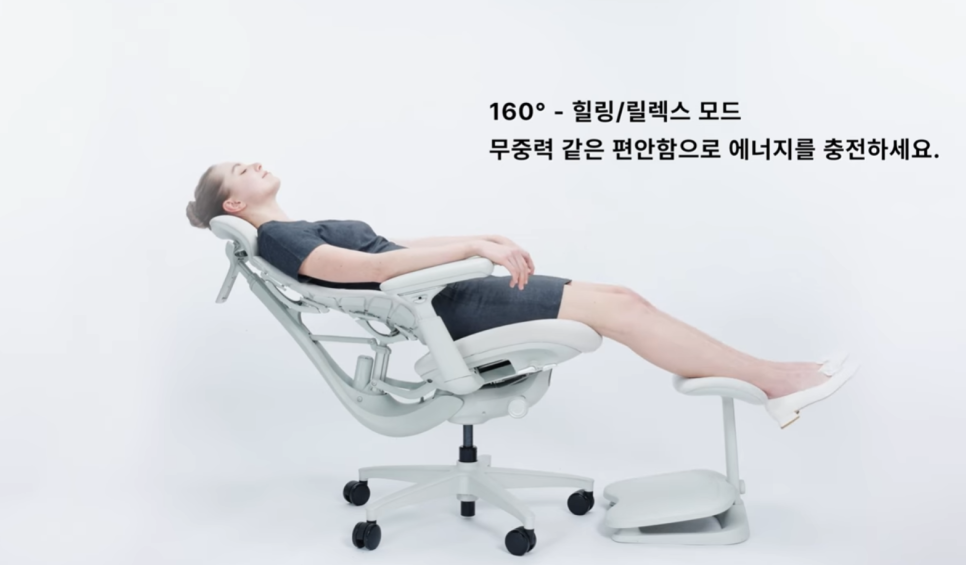
Recline past 160° and a powered massage function activates. The backrest gently oscillates to relieve tension along the spine and promote circulation. It's not a Shiatsu chair—think of it more as an active stretch break. I tried it for about five minutes and found it surprisingly effective as a mid-afternoon reset, especially if you've been static for hours.
4. Four-Stage Recline Modes
The Omni offers preset recline positions optimized for different activities:
Focus mode: Upright, firm lumbar support
Relaxed work: Slight recline, balanced tension
Media mode: Deeper recline for watching videos
Rest mode: Full recline with massage activation
For remote workers juggling Zoom calls, deep work, and the occasional YouTube break, this range is genuinely useful.
How Does It Compare to the Herman Miller Aeron?
This is the question I hear most. The short answer: they're solving different problems.
Feature | Herman Miller Aeron | LiberNovo Omni |
|---|---|---|
Design philosophy | Static postural support | Dynamic adaptive adjustment |
Backrest structure | Single-piece 8Z Pellicle mesh | 16-pivot, 8-panel articulated frame |
Adjustment method | Manual levers and knobs | Powered buttons |
Massage function | None | Powered massage at full recline |
Recline range | Tilt with tension control | 4-stage presets up to 160° |
Brand recognition | Extremely high | Niche / early-adopter |
The Aeron is a proven, time-tested icon of ergonomic design. It excels at locking you into a healthy, supported posture and has decades of refinement behind it. The Omni, by contrast, is built around the idea that your body wants to move—and the chair should make that easy, not punish you for it.
Which is better? It depends entirely on your work style and body. That's why trying both in person is so valuable.
My Hands-On Impressions at ChairPark Mapo
First Sit
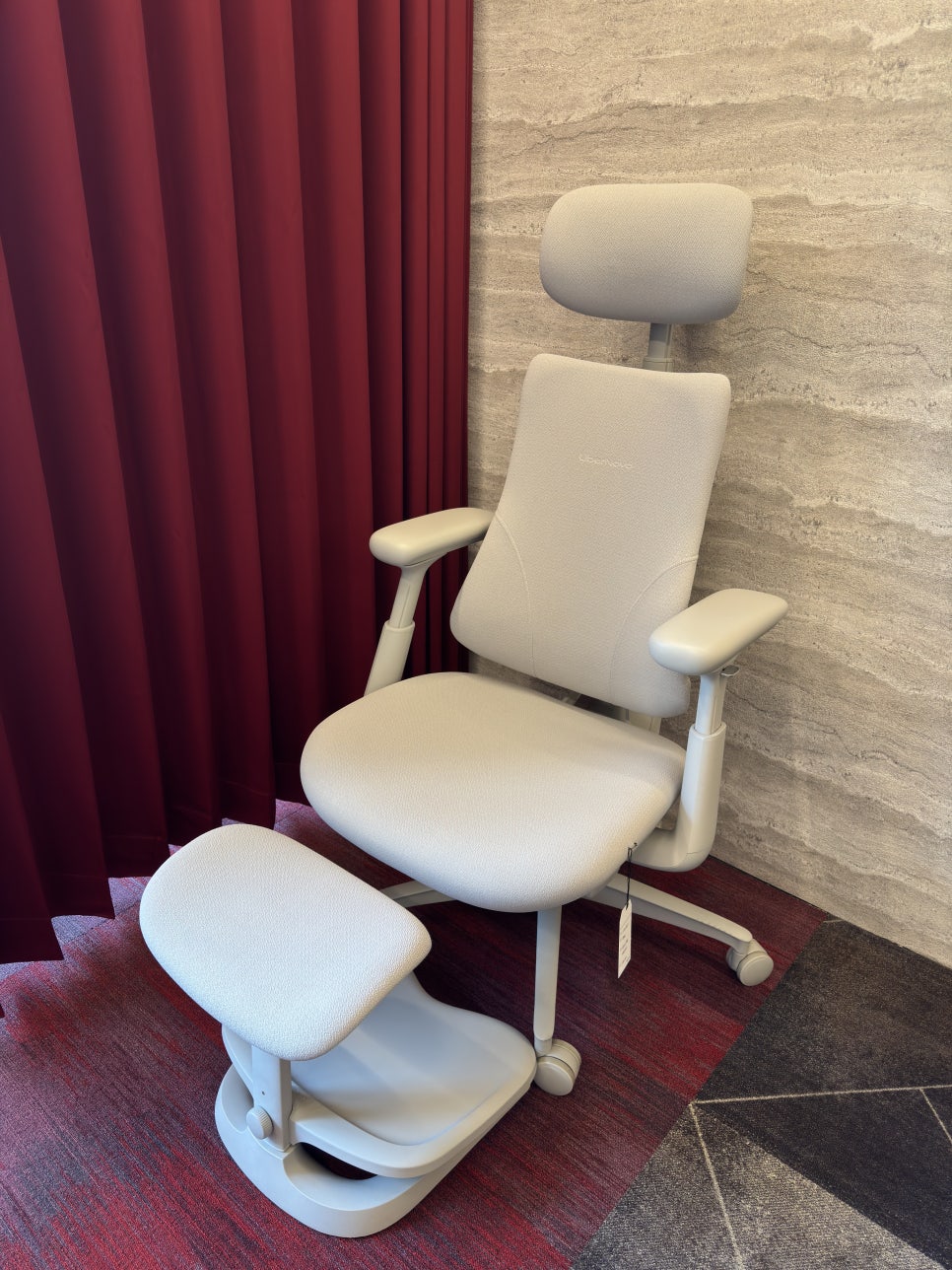
If you're expecting a standard mesh chair, the Omni will surprise you. The backrest uses memory foam over the articulated frame, so it's softer and more enveloping than an Aeron or Steelcase Leap. The contact area is noticeably wider—your entire back feels cradled, not just your lumbar region.
Powered Adjustments
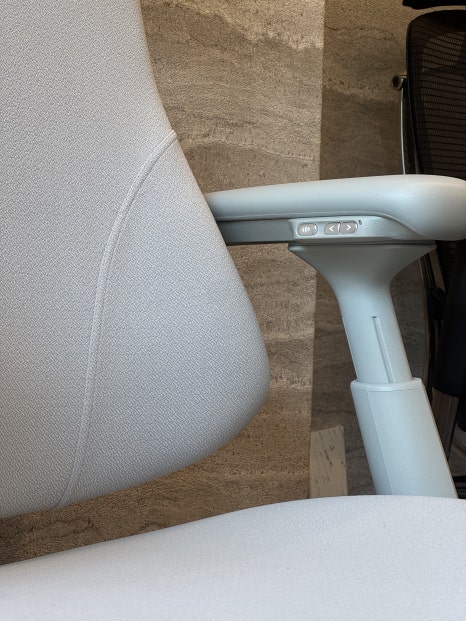
The electric controls feel intuitive. Small buttons on the armrest let you dial in lumbar depth, tilt the backrest, and switch between recline modes. There's no learning curve—just press and hold until it feels right. For people who find traditional ergonomic chairs intimidating (so many levers!), this is a friendlier experience.
Massage Mode
I'll be honest: I was skeptical. But after reclining to 160° and letting the OmniStretch run for five minutes, I felt a genuine release of tension across my mid-back. It's not a therapeutic massage, but as a quick stretch substitute between meetings, it works. Transitioning back to an upright work posture was smooth and didn't require readjustment.
Overall Comfort
The Omni's adaptive backrest really does respond to shifting weight. Leaning left, right, or reclining slightly all trigger subtle panel movements that keep pressure distributed evenly. If you're someone who fidgets or shifts a lot during the day, this design philosophy will feel liberating compared to chairs that fight your movement.
Who Should Consider the LiberNovo Omni?
The Omni isn't for everyone, but it's worth serious consideration if you:
Have already researched (or own) chairs like the Aeron, Gesture, or Embody, and want to explore something newer
Spend 8+ hours a day seated and experience chronic lower back or mid-back fatigue
Value built-in active recovery features (massage, deep recline) as part of your workflow
Appreciate owning products that aren't yet ubiquitous—there's a certain appeal to being an early adopter of a well-executed design
Where to Try It
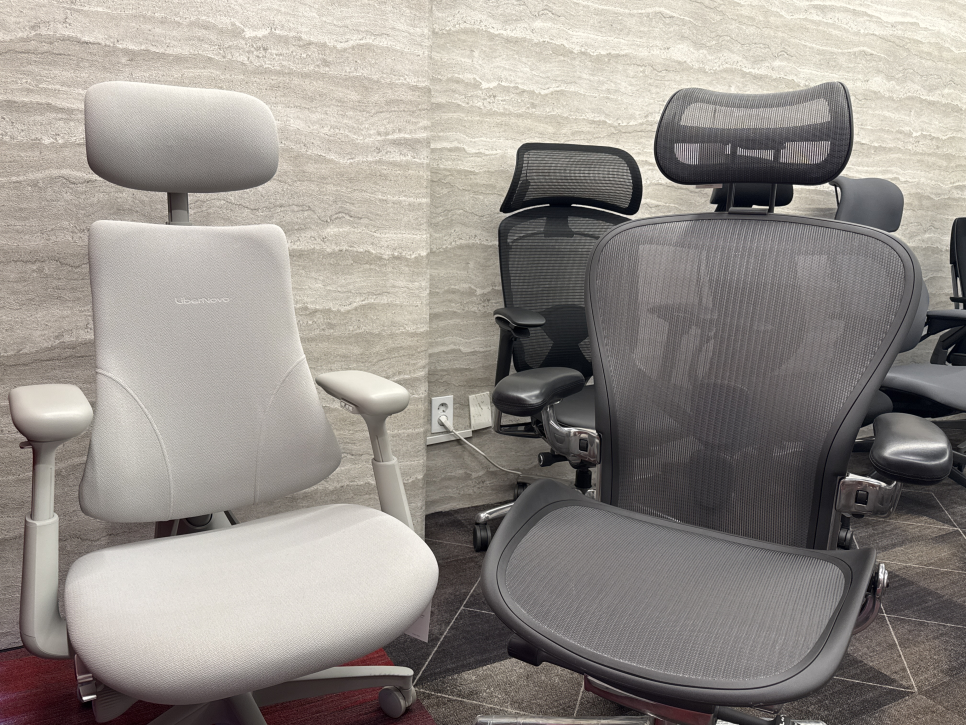
As of now, the LiberNovo Omni is tough to find in showrooms outside Asia. ChairPark Mapo in Seoul is one of the only places where you can try it side-by-side with Herman Miller, Okamura, and Steelcase chairs—all in the same visit.
If you can't make it to Seoul, you may be able to order directly from LiberNovo's site (they shipped to Kickstarter backers internationally), but I'd strongly recommend sitting in it first if possible. The "dynamic support" experience is hard to convey through specs alone.
Final Thoughts
The LiberNovo Omni represents a genuinely fresh take on ergonomic seating. Where most premium chairs ask you to find the right position and stay there, the Omni encourages natural movement and makes adjustment effortless. The powered controls, adaptive backrest, and massage function all work toward that same goal: reducing the friction between you and comfort throughout a long workday.
It won't replace the Aeron's iconic status or the Gesture's versatility overnight. But for remote workers, freelancers, and anyone who values both ergonomics and a bit of active recovery, the Omni is worth a close look—and a long sit.

Furniblog may earn a commission from links in this post, at no extra cost to you. See our affiliate disclosure.