Massage Chair or High-End Office Chair? Why Your Work Chair Deserves Priority
30 minutes of relief vs. 8 hours of protection—which investment matters more?
By the Furniblog Editorial Team·July 8, 2026·4 min read
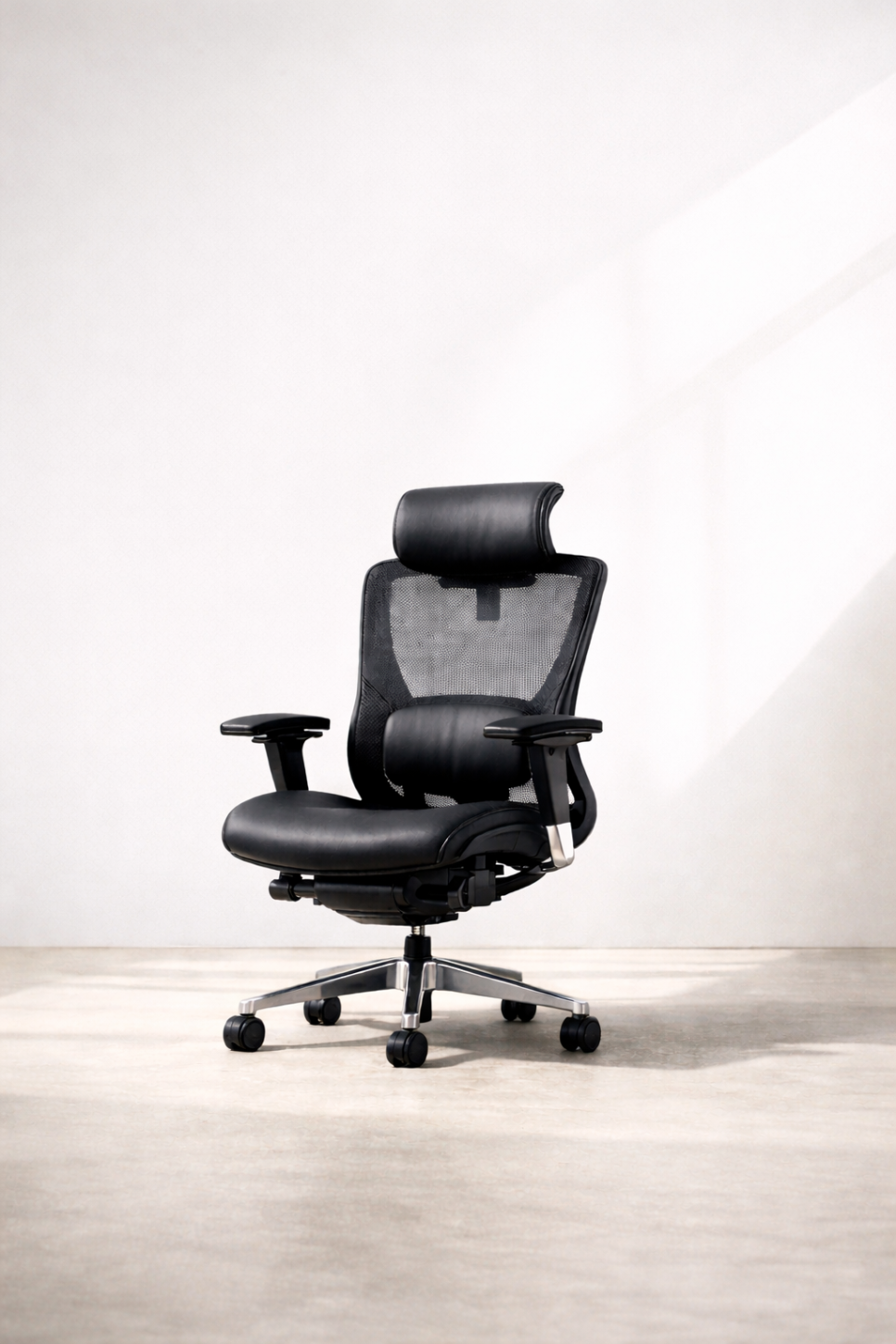
One of the most common questions we hear is straightforward: "Should I buy a massage chair, or should I upgrade my office chair first?"
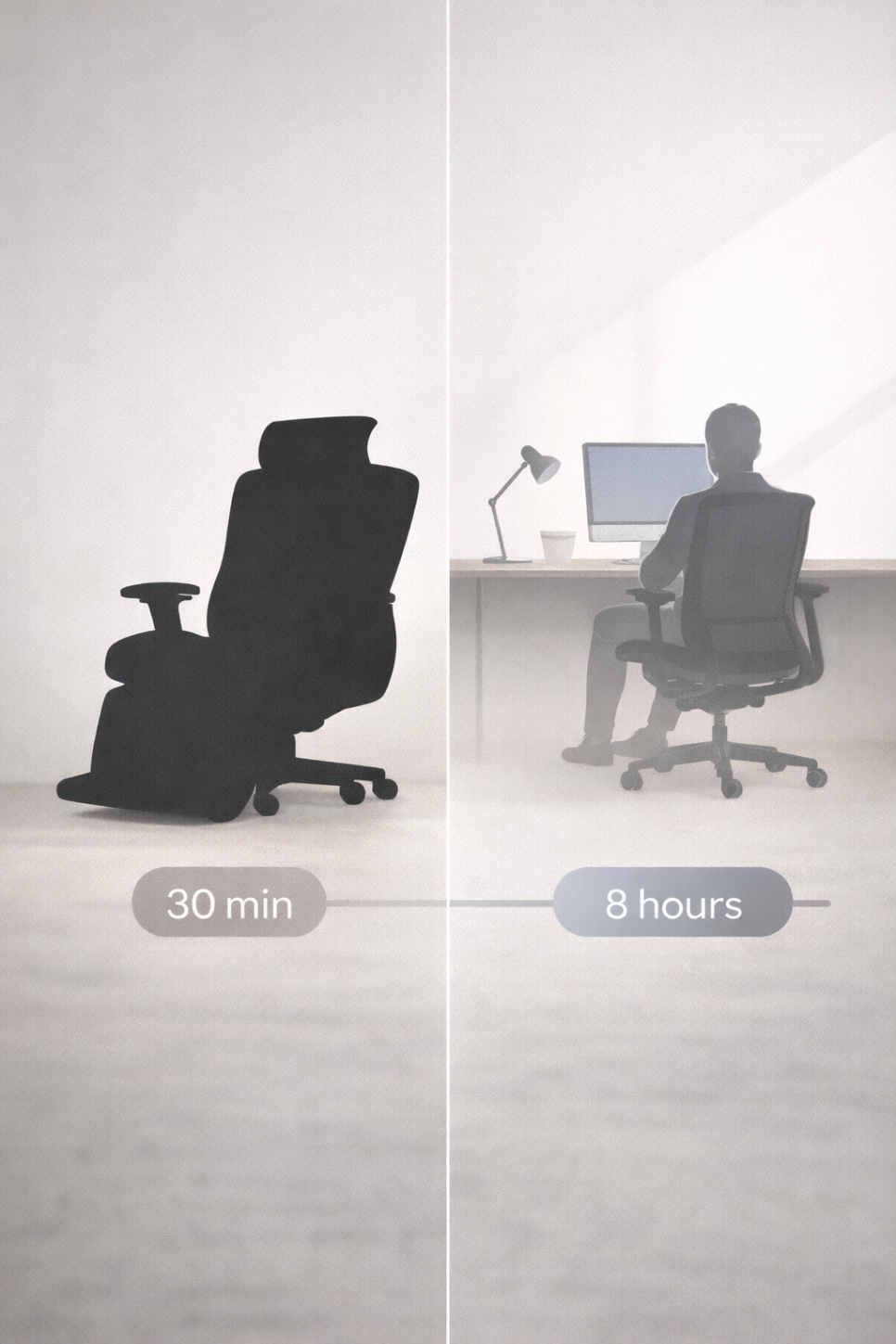
Both can be valuable. But if you can only afford one right away, a high-end ergonomic office chair should come first. The reason is simple: a massage chair offers perhaps 30 minutes of daily relief, while your work chair is the protective equipment you rely on for 8+ hours every day.
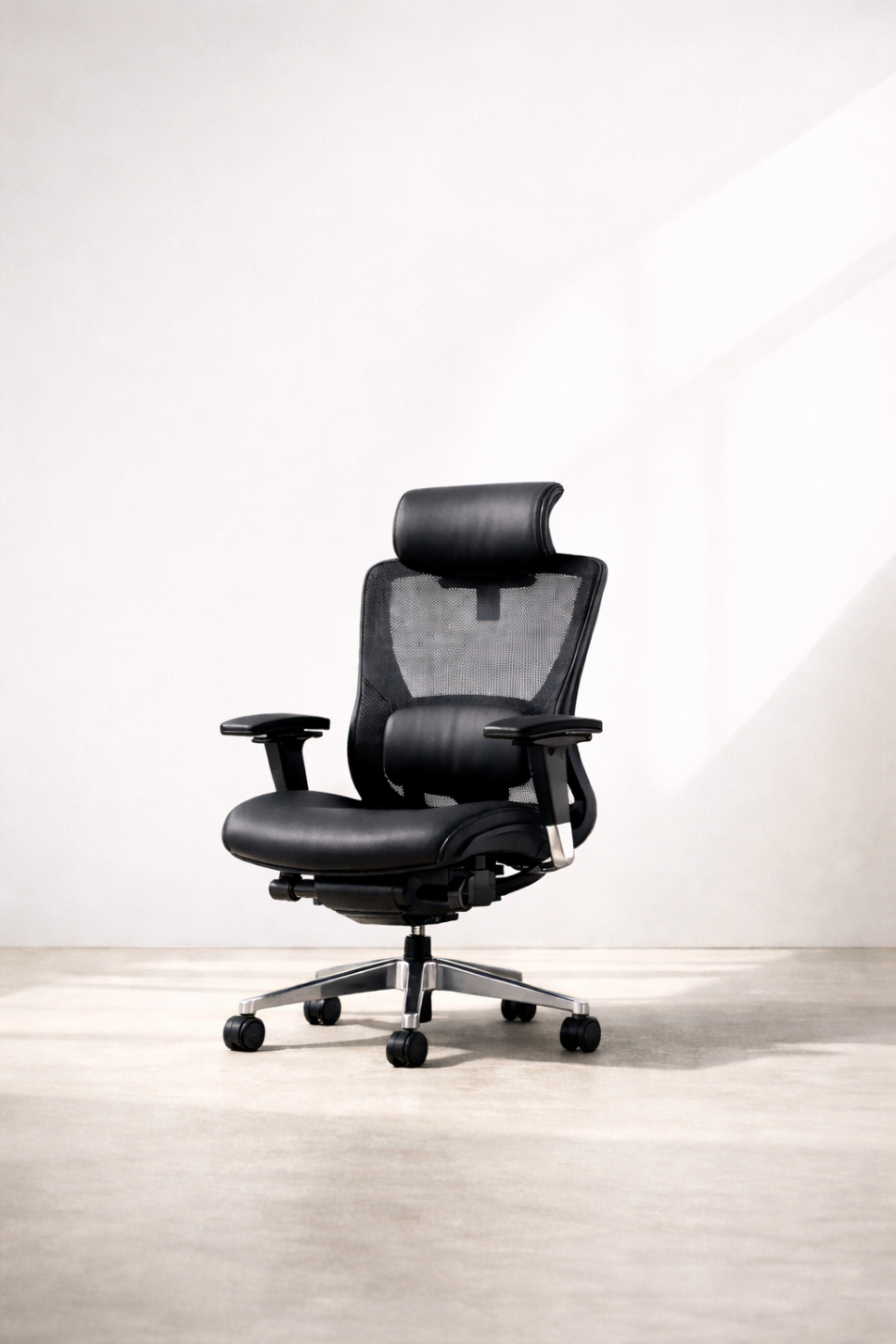
Massage Chairs Offer Short-Term Relief—But Don't Address the Root Cause
Massage chairs can help relax tight muscles and reduce discomfort. Research shows that massage therapy can provide short-term relief from musculoskeletal pain and tension. But here's the catch: most benefits are temporary. Once you return to the same desk setup and posture the next day, the strain accumulates all over again—especially if you work at a desk.
The core issue is this: pain doesn't result from a single moment; it builds through repeated exposure to poor posture, pressure, and prolonged sitting.
High-End Chairs Are About Support and Adjustment, Not Just Comfort
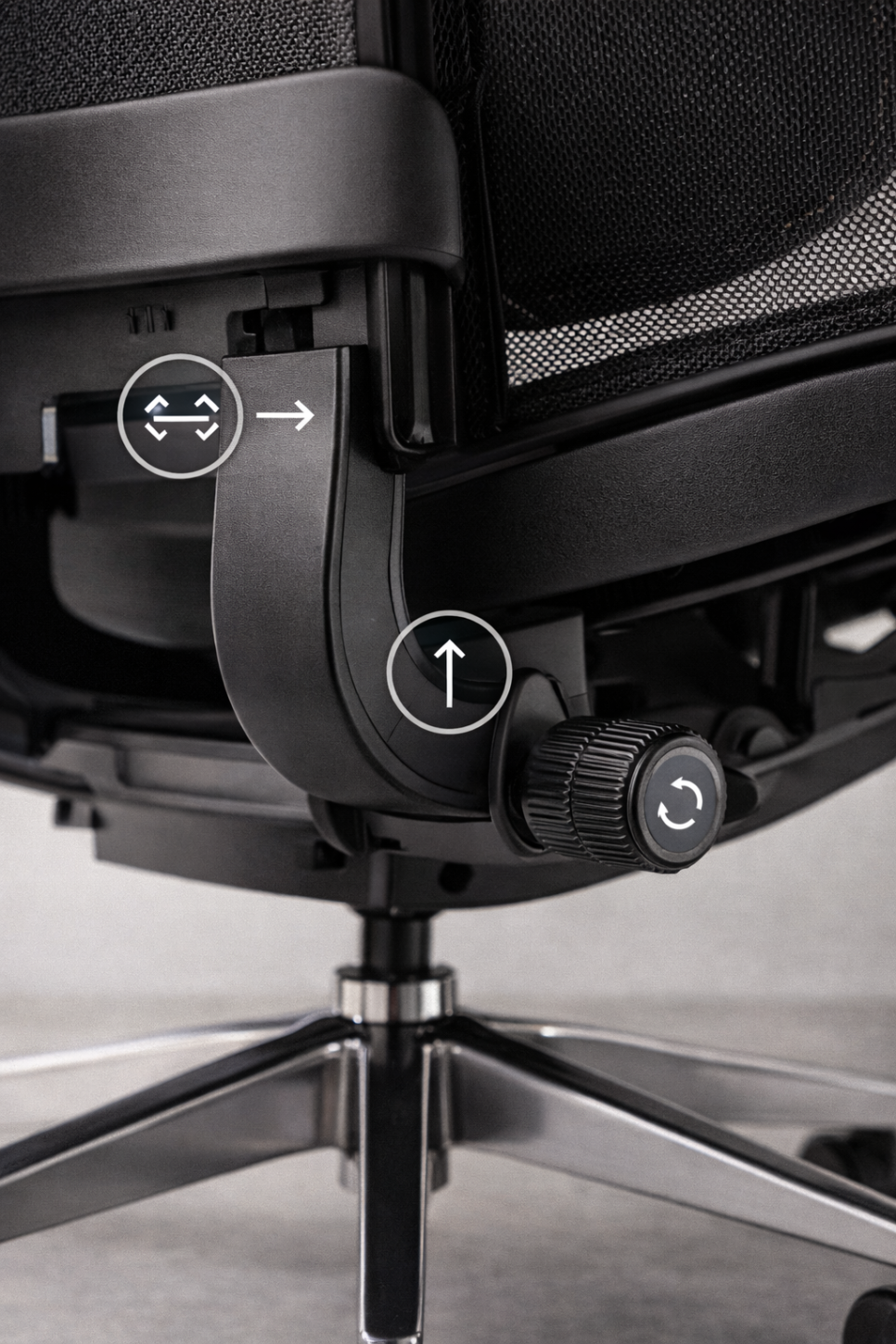
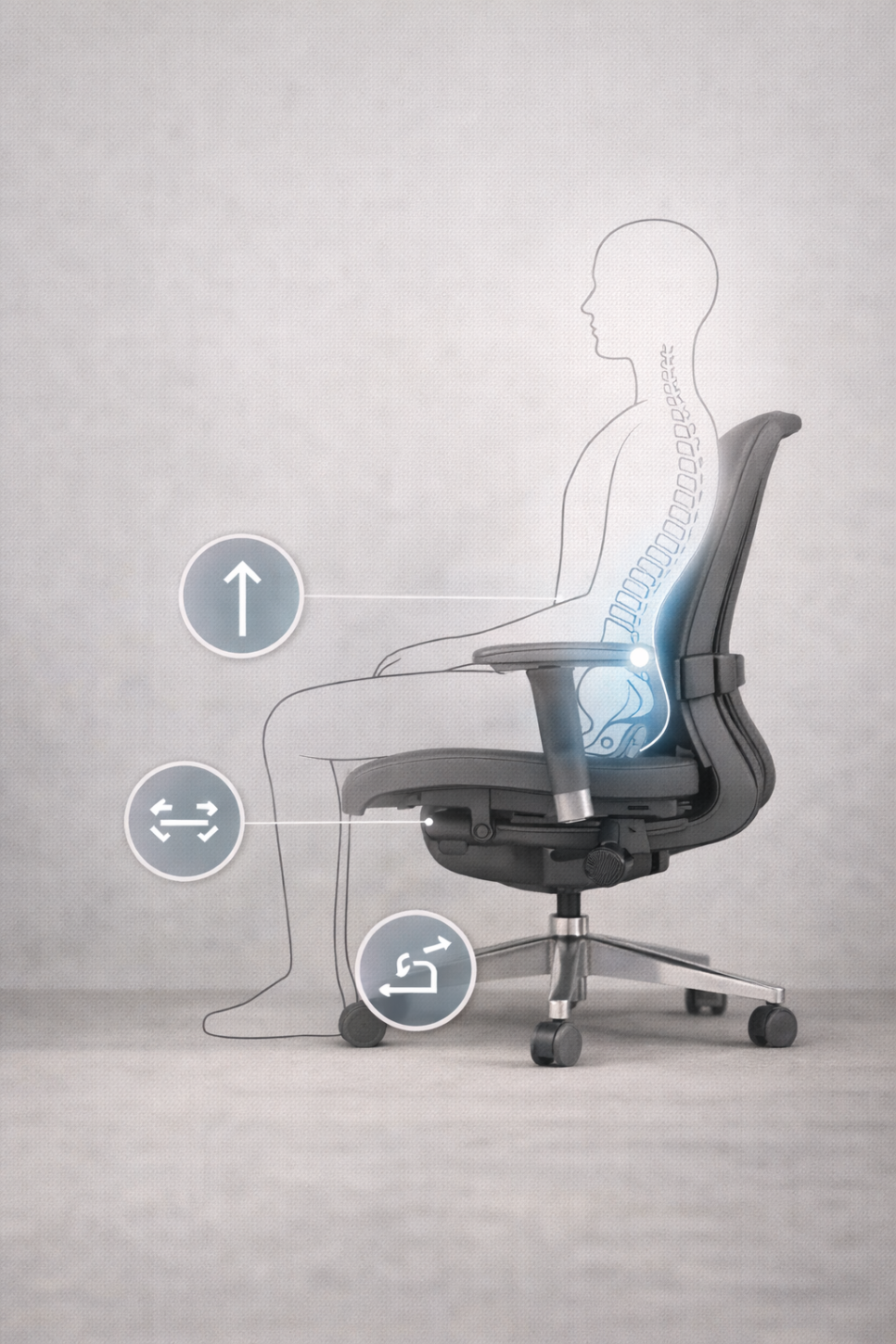
The purpose of a well-engineered office chair isn't to feel plush—it's to provide adjustable support that reduces harmful stress during long sitting sessions. A properly configured chair can:
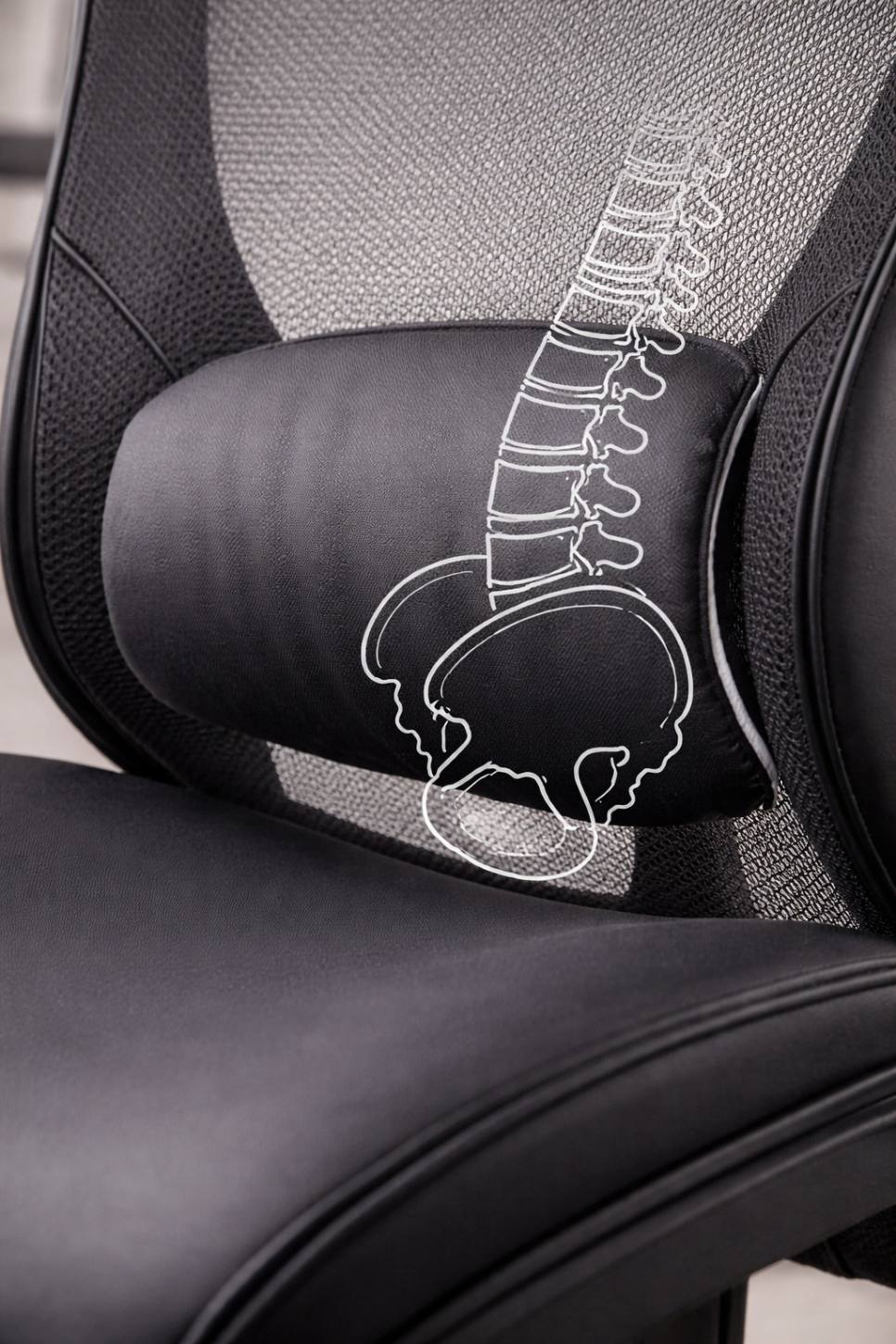
Prevent the pelvis from tilting backward and the spine from slumping into a C-curve
Support the lumbar region to maintain the natural curve of the lower back
Distribute seat pressure to reduce thigh compression and leg numbness
Keep the spine supported even when the chair reclines, so your lower back doesn't collapse
These aren't subjective comfort preferences—they're design and adjustment features that influence spinal and pelvic alignment and muscle activation patterns during prolonged sitting.
Research Supports the Role of Ergonomic Seating
Many people view chair adjustments as optional "extras," but research suggests otherwise. Studies have found that lumbar support combined with seat pan tilt can help maintain more neutral lumbar and pelvic postures. In other words, chair settings can actively influence your posture, not just respond to it.
One workplace intervention study demonstrated that when adjustable chairs were paired with ergonomic training, workers showed improvements in knowledge, behavior, and musculoskeletal risk factors. Another randomized controlled trial found that combining ergonomic modifications with stretching and exercise contributed to reductions in musculoskeletal discomfort among office workers.
It's important to note that a Cochrane Review examining ergonomic interventions for preventing work-related musculoskeletal disorders concluded that while such interventions may help reduce pain and discomfort, the overall quality and consistency of studies make it difficult to draw definitive conclusions. This is the honest, evidence-based view: ergonomic seating shows promise, but it's not a guaranteed cure-all.
30 Minutes of Relief vs. 8 Hours of Protection
Think of the difference this way:
Massage chair: A daily expense of comfort—relieves today's fatigue today
High-end office chair: A structural investment—reduces tomorrow's fatigue before it accumulates
If you work at a desk 8 hours a day, five days a week, that's over 160 hours of sitting per month—and that's before counting time spent sitting at home. At that volume, your chair isn't a lifestyle accessory; it's a piece of foundational infrastructure.
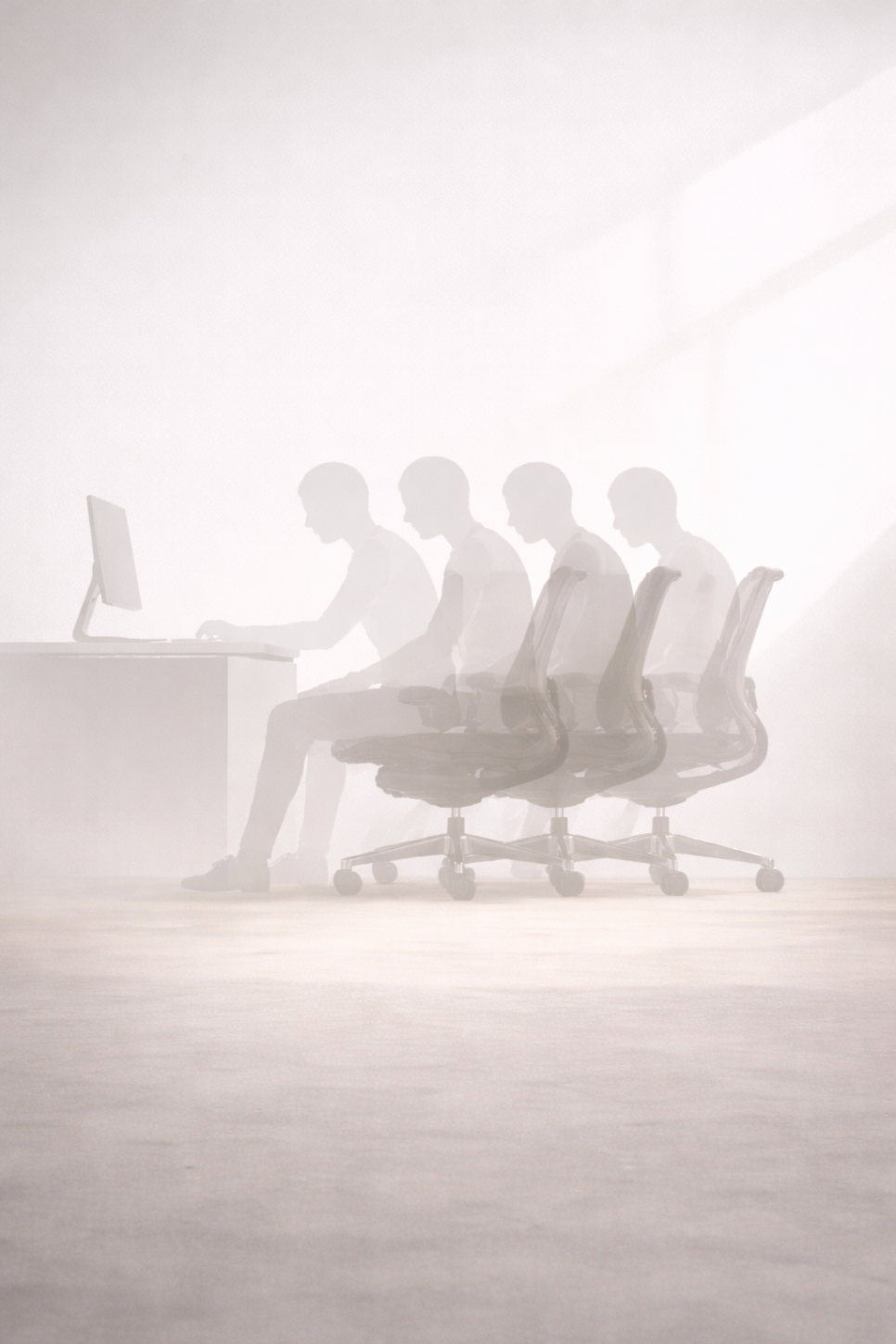
"A good chair isn't the one that feels the most comfortable in the first five minutes. It's the one that keeps your spine and pelvis from collapsing over eight hours."
The Bottom Line
Massage chairs can absolutely play a role in recovery and relaxation. But if your goal is to prevent the buildup of strain in the first place, the smarter first investment is the chair you sit in all day, every day.
Consider models with strong lumbar support, seat depth and tilt adjustment, and synchronized recline mechanisms. Chairs like the Steelcase Gesture, Herman Miller Embody, Steelcase Leap V2, and Haworth Fern are all designed with exactly this kind of long-duration postural support in mind.
Your workspace is where the damage happens—or where it's prevented. Start there.
References
Robertson MM, et al. "The effects of an office ergonomics training and chair intervention on worker knowledge, behavior and musculoskeletal risk." Applied Ergonomics, 2009.
De Carvalho DE, et al. "Effect of office chair design features on lumbar spine and pelvis posture." Ergonomics, 2023.
Shariat A, et al. "Effects of stretching exercise training and ergonomic modifications on musculoskeletal discomforts of office workers: a randomized controlled trial." Brazilian Journal of Physical Therapy, 2018.
Hoe VCW, et al. "Ergonomic interventions for preventing work-related musculoskeletal disorders of the upper limb and neck among office workers." Cochrane Database of Systematic Reviews, 2018.
Furniblog may earn a commission from links in this post, at no extra cost to you. See our affiliate disclosure.