Mesh vs. Fabric Office Chairs: How to Choose Based on How You Actually Sit
It's not about summer vs. winter—it's about your working style and comfort needs
By the Furniblog Editorial Team·July 9, 2026·3 min read
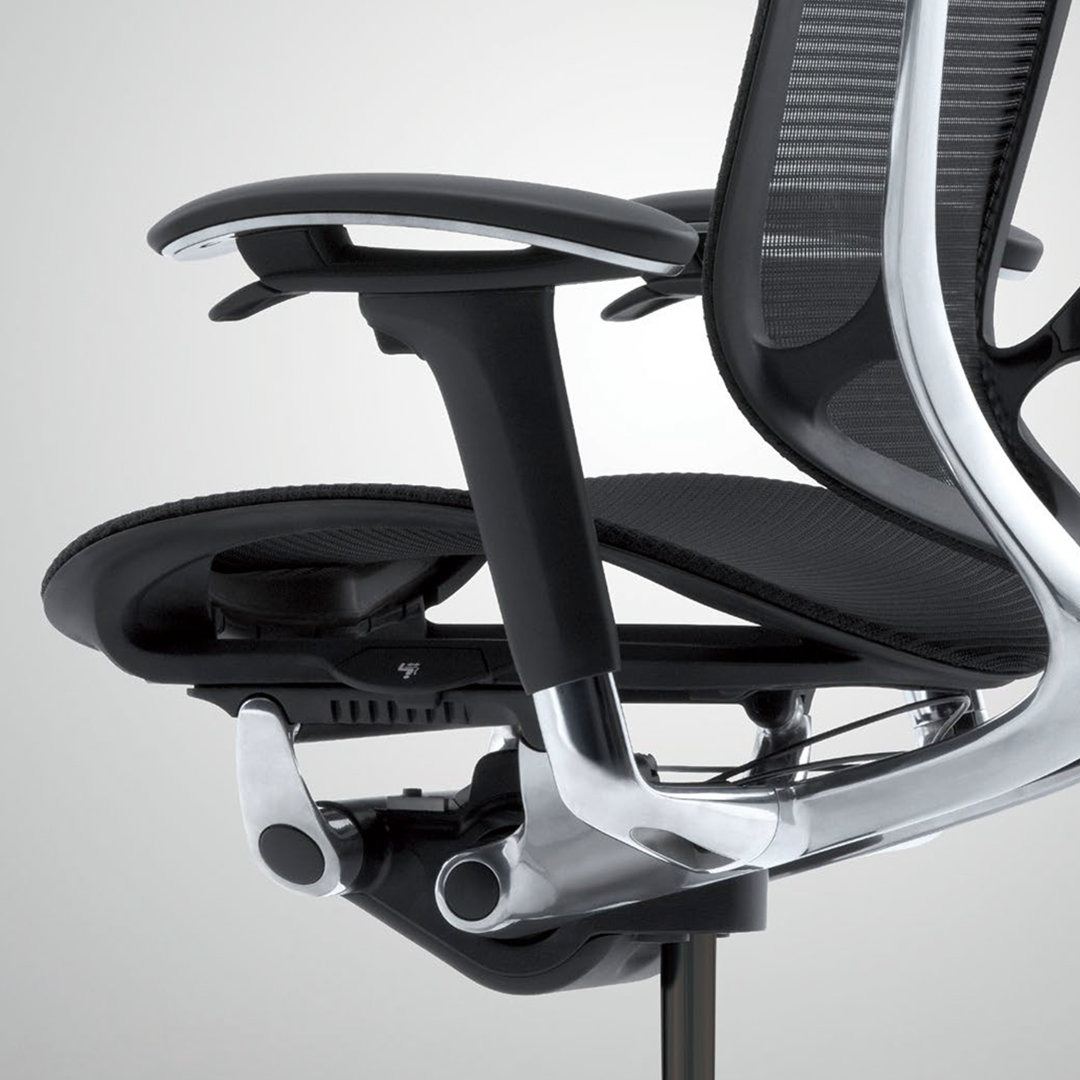
When shopping for an office chair, you'll eventually face the same decision: mesh or fabric?
On one side, there's mesh—an open-weave backrest designed for maximum breathability. On the other, fabric upholstery with its soft touch and cushioned feel. In photos, they may not look dramatically different. But sit in each for a few hours, and the experience is night and day.
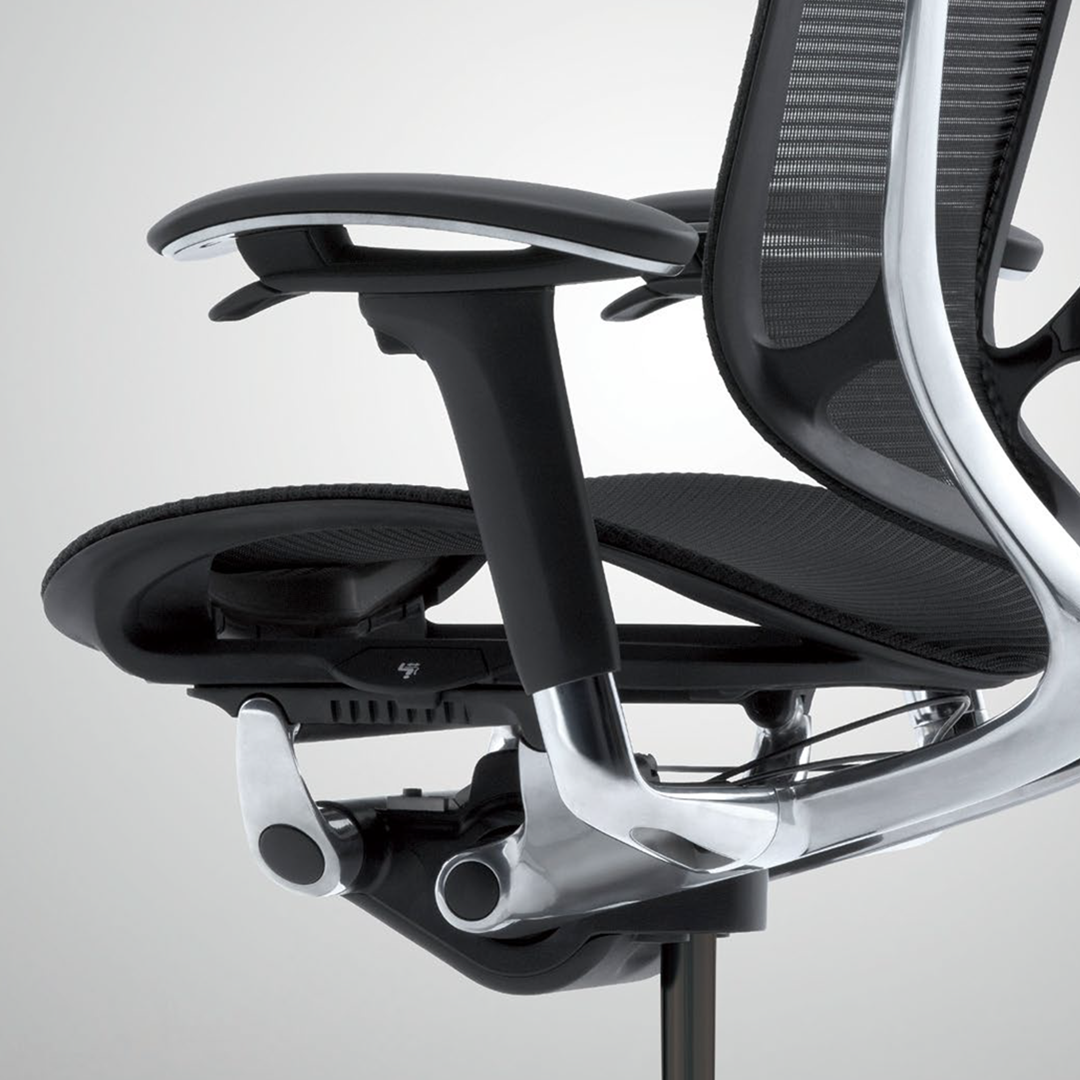
Fabric: Soft, Cushioned, and Enveloping
Fabric chairs make a strong first impression. The moment you lean back, the cushion wraps around your body. For people who spend long stretches in static postures—writing, coding, focused desk work—that sense of being "held" is immediate and reassuring.
Fabric also suits cooler environments. If you work in a space with minimal heating or simply prefer a warmer, cozier aesthetic, fabric feels naturally at home.
But some users notice heat buildup after extended sitting. That plush comfort can trap warmth against your back and lumbar area, especially in well-heated rooms or during warmer months.
Mesh: Breathable, Responsive, and Built for Movement
Mesh chairs can feel firmer at first. But over time, many users discover something valuable: the backrest moves with you. As you shift posture, reach for a notebook, or adjust your monitor, the mesh flexes and responds. The result? Less accumulated fatigue over a long workday.
Heat dissipates quickly through the weave, and your back stays cool even after hours of use. For people who frequently change position—leaning forward, sitting back, twisting to check references—mesh offers a kind of dynamic support that fabric simply can't match.
The Real Question: How Do You Sit?
Contrary to popular belief, this isn't a question of season. It's about sitting style.
Static posture, long focus sessions: Fabric's cushioned support feels protective and secure.
Frequent movement, dynamic tasks: Mesh's flexibility and ventilation reduce fatigue and keep you comfortable.
The dilemma arises when you want both: the softness of fabric and the breathability of mesh. You don't want to overheat, but you also don't want to feel like you're sitting on a trampoline.
This is exactly where many buyers get stuck—and it's why hybrid solutions have started to emerge.
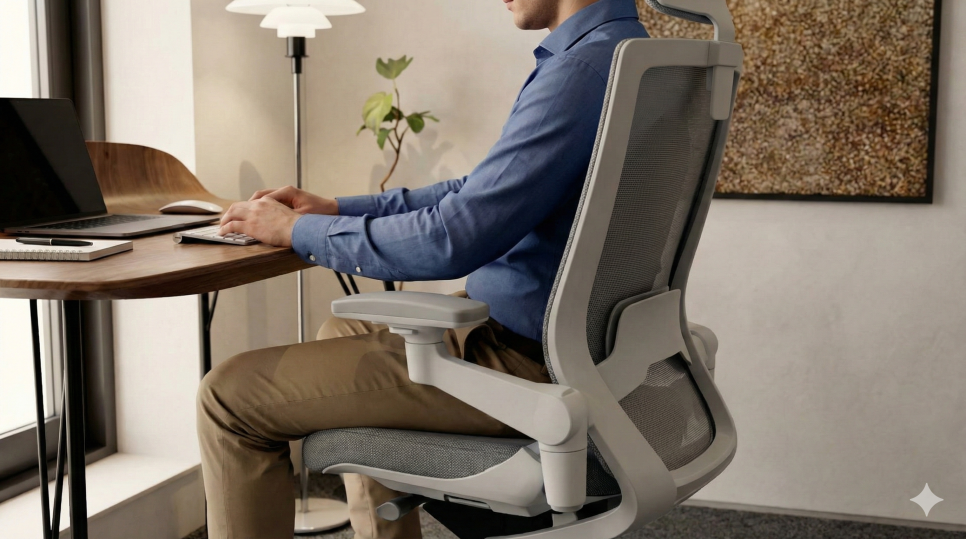
A Third Option: The Itoki ACT2 and Advanced Materials
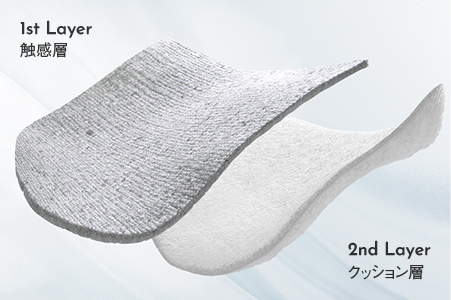
The Itoki ACT2 takes a different approach. It uses a proprietary material called Respitech, which combines the plush, enveloping feel of fabric with the airflow of mesh.
Sit in the ACT2, and your first impression is fabric-like: warm to the touch, gently supportive, with a textile feel against your back. But unlike traditional upholstery, body heat doesn't get trapped. Air circulates naturally through the material, so even after several hours, there's no clamminess or discomfort.
Users frequently describe it as "fabric that breathes" or "mesh that feels soft." It's an elegant middle ground for anyone who refuses to compromise on either comfort or ventilation—especially those logging eight-plus-hour days at a desk.
How to Decide
Choosing the right office chair isn't about picking a material type. It's about understanding:
How long you sit each day
How much you move while working
Your workspace temperature and climate
Which sensory qualities—softness, coolness, firmness—you find most comfortable
And here's the truth: you can't know any of this from product photos.
You need to sit. Lean back. Shift your weight. Feel the airflow (or lack of it). Notice whether the backrest follows your movement or stays put. Pay attention to heat buildup after 20 minutes.
Try Before You Commit
If you're serious about finding the right chair for long-term use, experiencing the differences in person is essential. Showrooms that carry a range of mesh, fabric, and hybrid chairs—including Japanese premium models like the ACT2—let you compare structural feel, not just specs.
Whether you choose classic mesh breathability, fabric cushioning, or a next-generation hybrid material, the right chair is the one that disappears beneath you during a long workday—supporting you without demanding your attention.
Take your time. Sit in several. And choose based on how your body actually works, not what the calendar says.
Furniblog may earn a commission from links in this post, at no extra cost to you. See our affiliate disclosure.