Office Chair Casters Compared: Standard Urethane vs. Herman Miller DC1 vs. Hinomoto Miracle-Rent
Protect your floors and reduce noise with the right caster upgrade
By the Furniblog Editorial Team·July 17, 2026·6 min read

When setting up a home office, the component most people overlook is the caster—those small wheels beneath your chair. Yet choosing the right casters is one of the cheapest, most effective ways to protect expensive flooring and reduce noise transmission to neighbors below.
Why Nylon Casters Scratch Your Floors (And What to Use Instead)
Most office chairs ship with hard nylon (polyamide) casters as standard equipment. Nylon is inexpensive, durable, and designed for the carpeted office environments common in Western workplaces. On carpet, the hard surface rolls freely with minimal resistance.
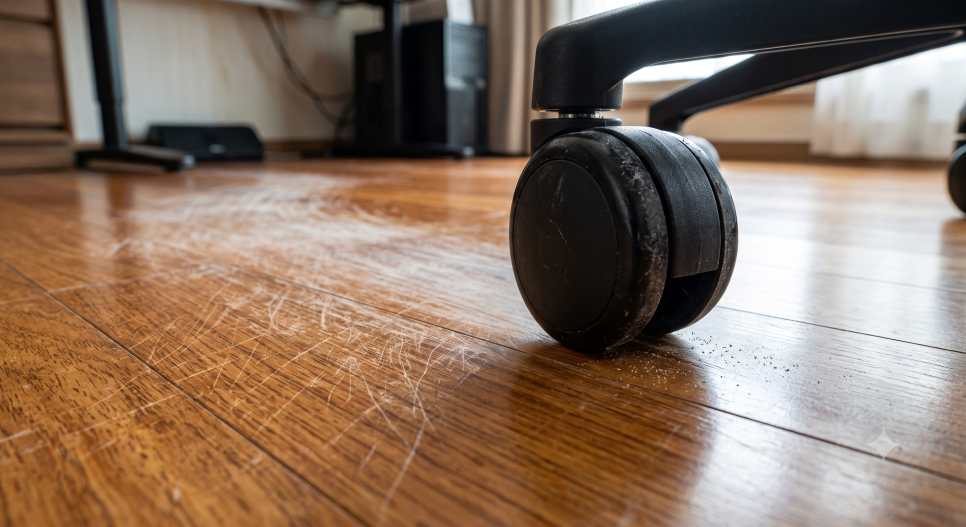
The problem? That same hardness becomes a liability on hard flooring like laminate, engineered wood, tile, or vinyl. Every time you roll your chair—sitting down, standing up, repositioning—the hard nylon surface grinds against your floor under the chair's full weight, concentrated on a small contact patch. Over weeks and months, this creates visible scuff marks and scratches, especially on coated or lacquered wood floors.
Hard nylon also transmits impact noise directly to the floor, which can be a significant issue in apartments or multi-story homes.
Polyurethane (PU) Casters: The Solution for Hard Floors
Polyurethane casters feature a softer material on the contact surface. This softer layer absorbs shock and dampens friction noise, protecting hard floors from scratches while significantly reducing rolling sound.
Not all urethane casters perform equally, however. Performance varies based on coating thickness, tire compound, and whether the wheel includes precision bearings. We'll compare three popular options in detail below.
Matching Casters to Your Flooring Type
The basic rule is simple: your caster should always be softer than your floor. Use soft wheels on hard floors, and hard wheels on soft floors.
Floor Type | Recommended Caster | Why |
|---|---|---|
Hardwood, engineered wood, laminate, tile | Soft polyurethane casters | Soft wheels absorb impact and friction, preventing scratches and reducing noise on hard surfaces |
Vinyl plank, linoleum, sheet vinyl | Soft polyurethane casters | These floors are especially vulnerable to compression and tearing; soft casters distribute weight more evenly |
Carpet, area rugs | Hard nylon casters | Soft wheels sink into carpet pile and become difficult to roll; hard wheels maintain smooth movement |
Tip: If you've moved your office chair from a carpeted space to hardwood flooring, don't forget to swap the casters—it's the first step in protecting your new floor.

Three Urethane Caster Options Compared
Not all "urethane casters" are created equal. Here's how three popular options stack up.
1. Standard Generic Urethane Casters
Most budget urethane casters consist of a nylon core wrapped in a thin layer of polyurethane. Many use basic bushings or low-grade ball bearings. They roll smoothly when new, but as the lubricant dries out over time, rolling resistance increases noticeably. They're affordable and offer basic floor protection, but durability and long-term performance can be inconsistent.
2. Herman Miller Aeron DC1 Casters
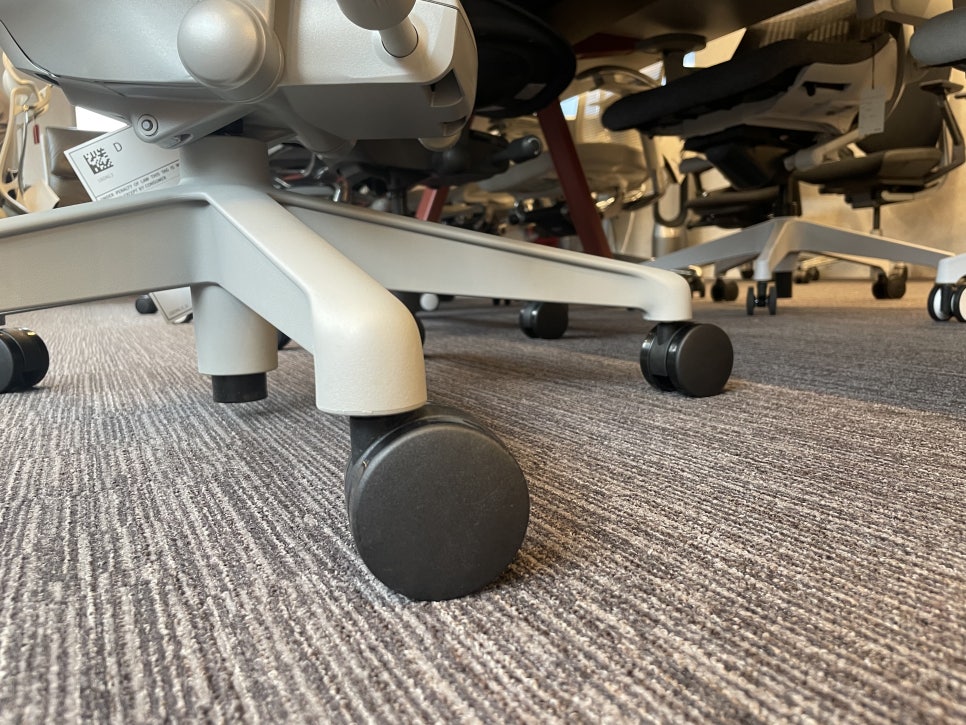
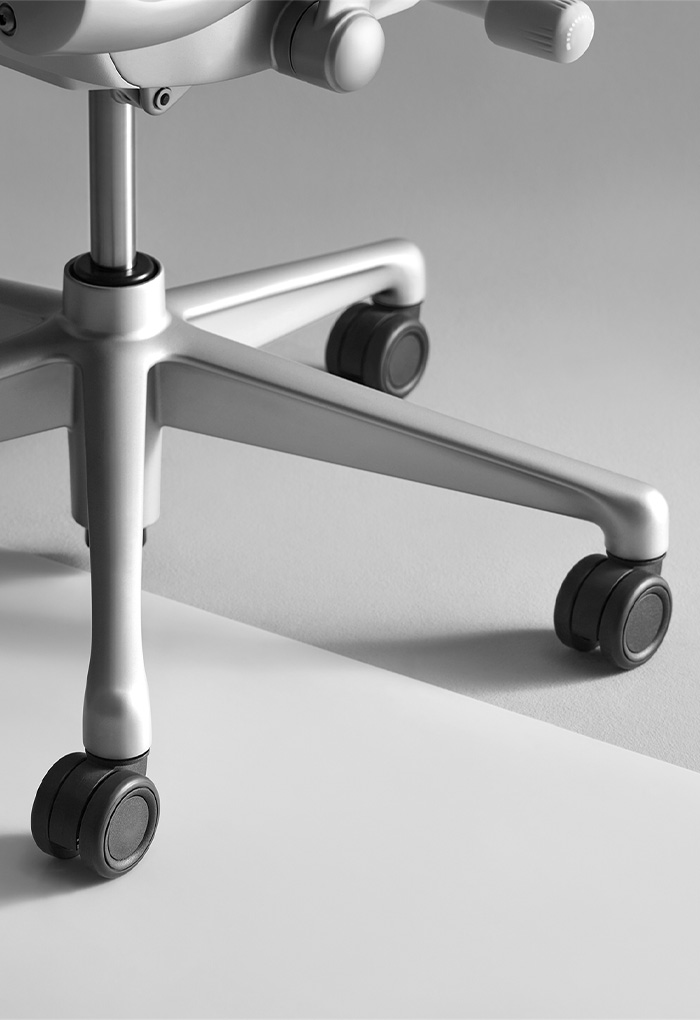
The DC1 is a premium urethane caster made by German manufacturer Gross-Stabil, designed exclusively for the Herman Miller Aeron. It replaces the standard plastic casters that ship with new Aeron chairs.
The DC1 features full urethane coating, an integrated brake, and Gross-Stabil's patented Quiet Roll technology for near-silent operation. The stem neck diameter is precisely engineered to fit the Aeron's oval base, making it a true OEM-grade accessory optimized specifically for that chair.
3. Hinomoto Miracle-Rent 60mm Office Chair Casters
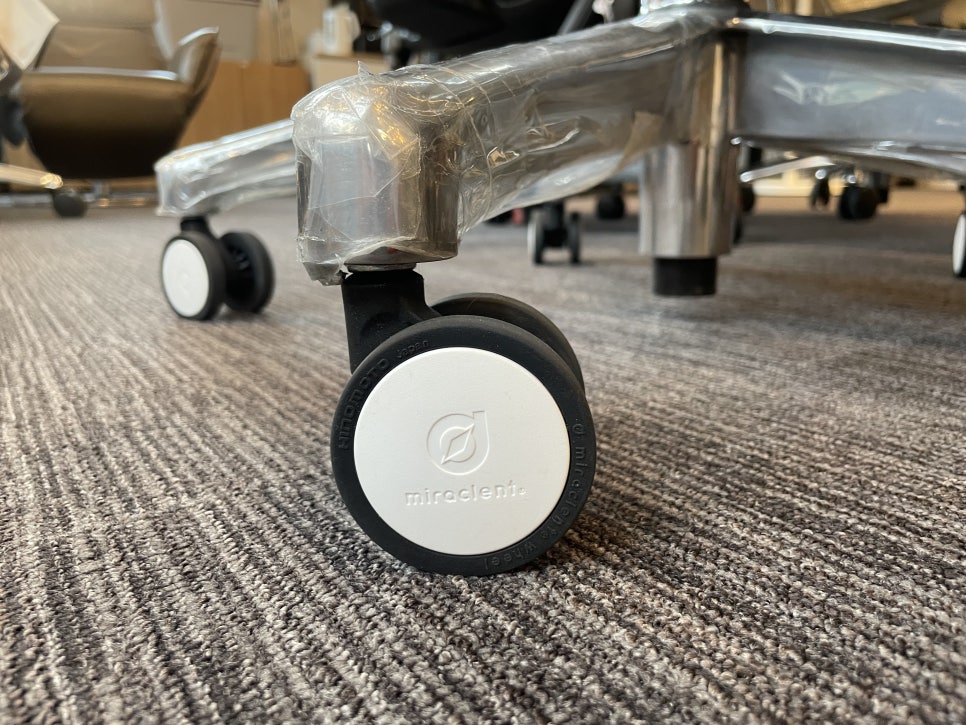
Hinomoto is a Japanese precision caster manufacturer that supplies wheels to premium luggage brands like Samsonite, American Tourister, and Tumi. The company holds approximately 60% of the domestic Japanese market for locks and caster components.
The Miracle-Rent line, launched in December 2024, represents Hinomoto's top-tier office chair caster. Key technical features include:
Lisof® tire material: A proprietary compound co-developed with Mitsubishi Chemical, engineered to reduce wear and noise compared to standard urethane.
HSB (Hinomoto Special Bearing): Precision bearing system that reduces initial rolling resistance to approximately 0.18 kg—less than half that of bearing-free designs (which typically measure around 0.49 kg). This makes the chair noticeably easier to move with minimal effort.
BIFMA X5.1-2017 certified: Passed 200,000-cycle rolling tests under 125 kg load twice, meeting international furniture safety and durability standards. The design maintains smooth performance even after lubricant depletion.
Selective compatibility: Hinomoto only supplies these casters for chairs that pass their internal 18-point quality assessment, ensuring proper fit and performance.
Side-by-Side Comparison
Feature | Generic Urethane | Herman Miller DC1 | Hinomoto Miracle-Rent |
|---|---|---|---|
Manufacturer | Various (generic) | Gross-Stabil (Germany) | Hinomoto (Japan) |
Compatibility | Universal stem fittings | Aeron-specific design | Standard 60mm office chairs |
Key Technology | Urethane coating | Quiet Roll + brake | Lisof® tire + HSB bearing |
Durability Testing | Varies by product | Brand internal standards | BIFMA X5.1-2017 (passed twice) |
Initial Rolling Force | Not disclosed | Not disclosed | ~0.18 kg (with HSB bearing) |
The DC1 is best understood as a completed accessory designed for a specific chair, while the Hinomoto Miracle-Rent is a materials-engineering and durability-focused component with broad compatibility. The BIFMA certification and HSB bearing system that cuts rolling resistance in half are features rarely found in generic aftermarket casters. For users who work with multiple chair brands or want maximum long-term durability across standard 60mm stems, the Hinomoto stands out as a versatile, high-performance choice.
How to Replace Your Casters (It's Easier Than You Think)
Swapping casters requires no tools and takes about five minutes:
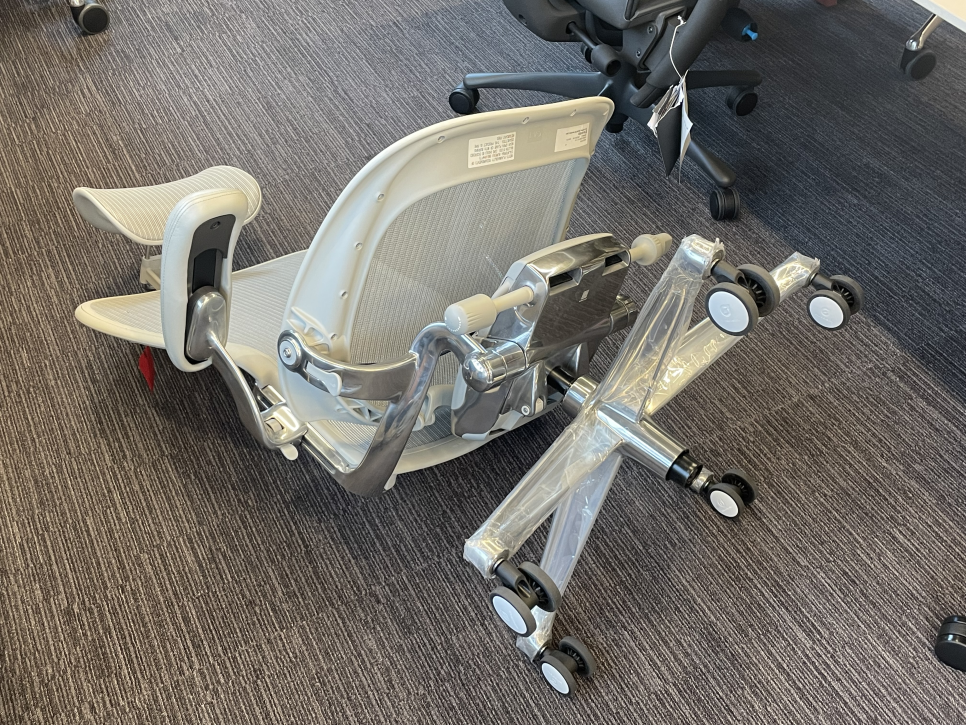
Flip the chair: Turn your chair upside down on a stable surface. Hold the seat or frame steady with one hand.
Remove old casters: Grip each caster stem firmly and pull straight out from the chair base socket. Most casters are friction-fit and come out by hand.
Check stem size: Most office chairs use an 11mm stem diameter, but some brands and models vary. Measure or compare before ordering replacements.
Install new casters: Align the new caster stem with the socket and press straight down until you hear or feel a click. Repeat for all five wheels.
Test fit: Flip the chair upright and gently rock it to confirm all casters are secure with no wobble.
Caution: Chair-specific casters like the DC1 may have neck designs that don't fit other brands, potentially leaving gaps or causing instability. Universal-fit casters like the Hinomoto Miracle-Rent are compatible with most standard 60mm office chair bases, but it's always wise to verify your chair's stem specifications before ordering.
A Small Upgrade With Outsized Impact
Not everyone thinks about floor protection when investing in a quality office chair—but a simple caster swap can dramatically extend the life of your flooring and create a quieter, more comfortable workspace. This is especially true in home offices or remote work setups where you spend most of the day seated.
For a modest investment—often under $100—upgrading to quality urethane casters is one of the most cost-effective improvements you can make. Whether you choose a chair-specific solution like the DC1 for your Aeron, or a precision-engineered universal option like the Hinomoto Miracle-Rent, the difference in floor protection, noise, and roll quality is immediately noticeable.
If you're unsure about stem compatibility or which caster best suits your flooring, consider visiting a showroom where you can measure your chair's fittings, compare rolling feel in person, and get tailored recommendations. Your floors—and your downstairs neighbors—will thank you.
Furniblog may earn a commission from links in this post, at no extra cost to you. See our affiliate disclosure.