Office Chair Noise: Causes, Solutions, and When to Seek Professional Help
From squeaks to rattles—diagnose and fix chair noise before it becomes damage
By the Furniblog Editorial Team·July 8, 2026·6 min read
Why Chair Noise Matters More Than You Think
That persistent squeak or rattle from your office chair might seem like a minor annoyance at first, but ignoring it can lead to bigger problems. What starts as friction or a loose bolt often progresses to component wear, expanded clearances, and eventually mechanical failure. Understanding the source of chair noise—and addressing it early—can extend your chair's lifespan and save you from costly repairs down the line.
Most chair noise falls into three categories: friction from dry contact points, play from loose fasteners, and wear from aging components. Let's break down each type and show you how to diagnose and resolve them.
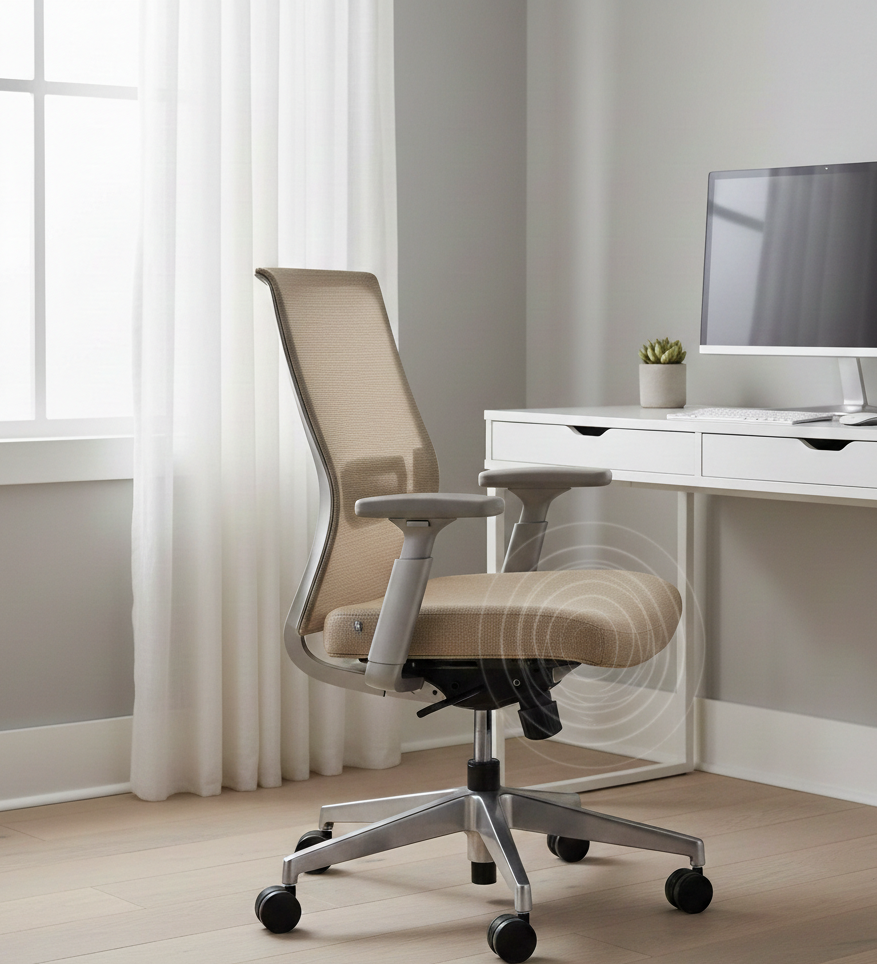
The Three Root Causes of Chair Noise
A. Friction (Dry Contact Points)
When metal-on-metal or plastic-on-plastic contact points lose lubrication, they produce the classic "squeak" or "creak." This typically happens during tilt or recline movements, or when the seat pan shifts slightly under load. Friction noise is one of the easiest problems to fix with proper lubrication.
B. Play (Loose Connections)
Even slightly loosened bolts allow joined components to shift, creating "click," "clack," or "rattle" sounds. If you can feel movement when you press on a joint, you're dealing with play. This is the most common cause of intermittent noise when changing posture.
C. Component Wear (Aging Parts)
Bushings, slide rails, caster bearings, and armpad mounts all wear over time. Once components reach this stage, tightening bolts or adding lubricant may provide temporary relief, but the noise typically returns. At this point, inspection and part replacement become the most effective solution.
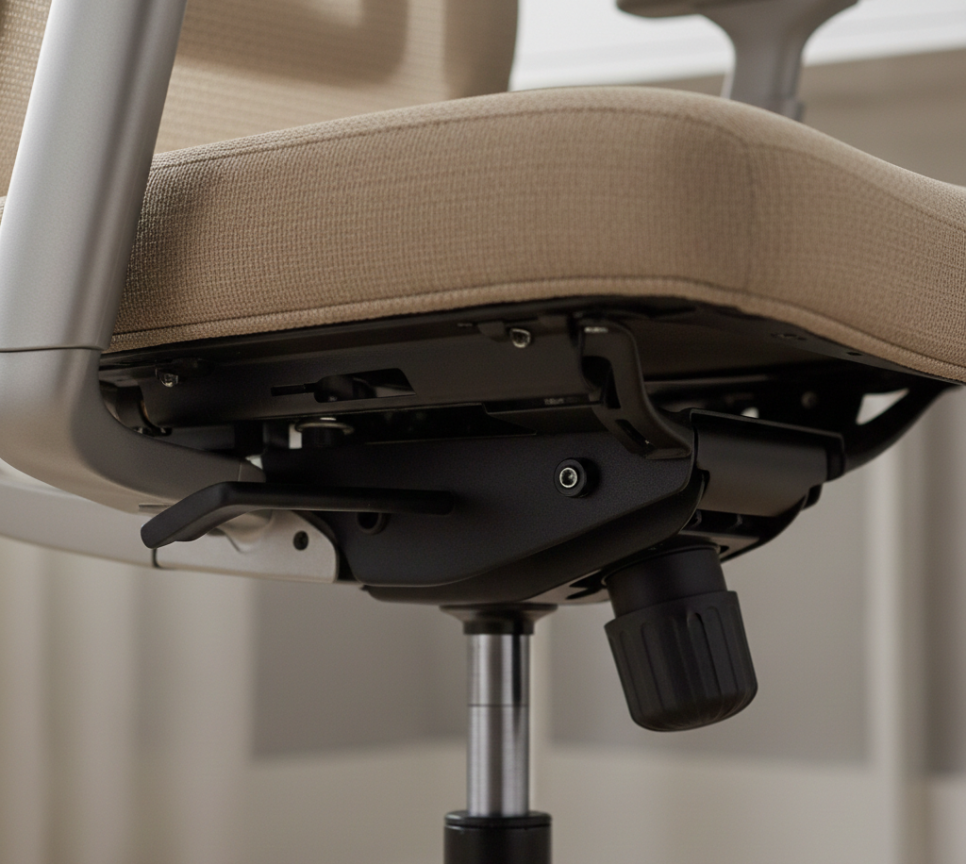
Quick Diagnosis: Match the Sound to the Source
Squeak or Creak (Friction Noise)
When it happens: Leaning back, twisting, or when the seat moves slightly
Likely culprits: Tilt mechanism pivot points, backrest hinges, spring contacts, or under-seat mechanisms
Click or Clack (Impact Noise)
When it happens: Intermittent "pop" or "click" when shifting position
Likely culprits: Loose bolts, lock mechanism engagement points, or slide rail play
Rattle or Wobble (Loose Assembly)
When it happens: You can feel movement along with the sound
Likely culprits: Armrests, backrest brackets, seat pan mounting points, casters, or the five-star base
Hiss or Slide (Cylinder or Slider Issues)
When it happens: During height adjustment or seat depth changes
Important note: If your chair slowly sinks when you sit, this indicates a gas cylinder problem requiring immediate attention for safety reasons
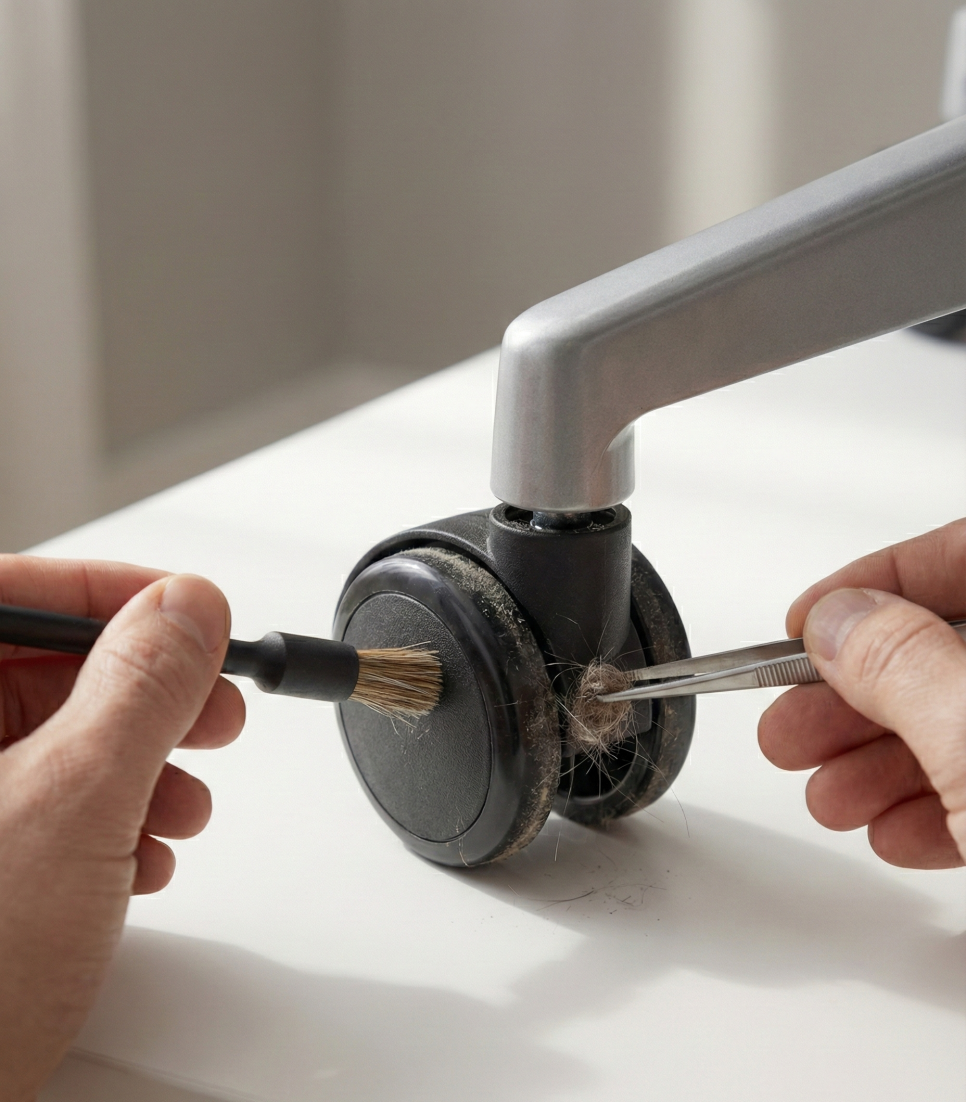
The 10-Minute DIY Inspection Routine
Step 1: Visual Inspection
Turn your chair over and look for missing caps, cracked plastic components, or signs of wear debris. These visual clues often point directly to the noise source.
Step 2: Reproduce the Noise
Perform these three movements repeatedly:
Twist left and right while seated
Recline fully and return upright
Lift your weight and sit back down (load cycling)
Step 3: Pinpoint with Pressure
Press firmly on each major component while someone else performs the movements above:
Armrests
Backrest connection points
Under-seat mechanism
Casters and base
When you press on the noise source, you'll often feel the vibration stop or change.
DIY Fixes That Actually Work (In Priority Order)
1. Re-tighten All Fasteners (First Priority)
Check bolts and nuts at the armrests, backrest brackets, seat-to-mechanism connections, and base attachments. The key is to tighten in a cross pattern, alternating between left/right and front/back, rather than fully tightening one fastener at a time. This ensures even pressure distribution.
Critical warning: Plastic screw threads can strip if over-tightened. Use firm pressure, but stop when you feel resistance—don't force it.
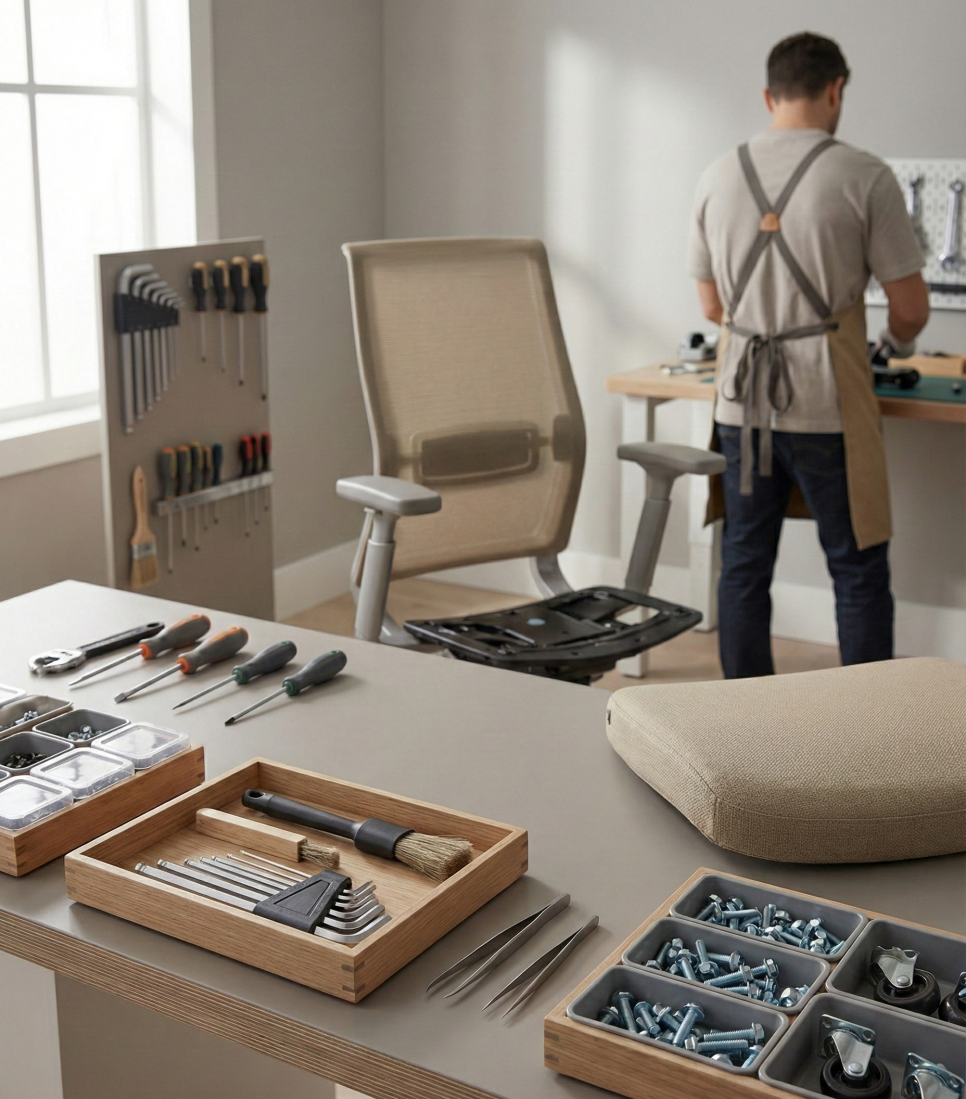
2. Clean Casters and Base (Especially for Rattles)
Hair, dust, and debris wrapped around caster wheels are surprisingly common noise sources. Removing this buildup often eliminates rattling and rolling noise immediately. If you have hard flooring, consider adding a chair mat to reduce vibration transmission.
3. Apply Appropriate Lubrication (For Squeaks)
Different materials require different lubricants:
Plastic and rubber contact points: Silicone-based lubricants
Metal pivot points: PTFE or dry lubricants
Heavy-load metal pivots: Lithium grease (for tilt mechanisms)
Application tips: Less is more. Clean the area first, then apply a small amount. Over-application attracts dust, which can actually cause noise to return or worsen over time.
4. When Fixes Don't Last: Recognizing Component Wear
If noise returns within days or weeks after tightening and lubricating, you're likely dealing with worn bushings, degraded slide rails, or damaged mechanism modules. At this stage, professional inspection becomes more time- and cost-efficient than repeated DIY attempts.
Safety Warning: When to Stop DIY and Get Professional Help
Some symptoms indicate safety issues rather than simple maintenance needs. Seek immediate professional inspection if you experience:
The chair slowly sinks when you sit (gas cylinder failure)
Tilt lock suddenly releases or won't hold position
Metal grinding sounds combined with increased wobble or tilt
Visible cracks in the base, mechanism brackets, or structural components
These issues can lead to sudden failure and injury. Professional diagnosis and part replacement should take priority over DIY fixes.
Understanding Your Chair's Warranty Coverage
High-end ergonomic chairs, particularly imports from brands like Herman Miller, Steelcase, Haworth, and others, typically come with extensive warranties—often 12 years for structural and mechanical components. However, warranty terms vary by:
Geographic region and purchase location
Authorized dealer vs. gray market purchase
Product line and manufacturing date
Type of defect (manufacturing defect vs. wear vs. damage)
Many noise issues—especially those related to mechanisms, adjustment functions, and structural integrity—fall under warranty coverage if you're still within the coverage period and purchased through authorized channels. Always check your serial number, purchase documentation, and original warranty terms before paying for repairs.
Typical Warranty Structure for Premium Chairs
While specific terms vary, most premium ergonomic chairs follow this general pattern:
12-year coverage: Frame, mechanisms, structural components, pneumatic cylinders
5-7 year coverage: Armrests, adjustment controls, moving parts
2-3 year coverage: Upholstery, foam, casters
Excluded: Normal wear, damage from misuse, unauthorized modifications
Functional issues—meaning the chair doesn't operate as designed—are usually covered under warranty at no cost. Cosmetic issues or user-caused damage typically fall outside warranty coverage, though many service providers can still repair these at reasonable parts-only pricing.
The Bottom Line: Know When DIY Ends and Service Begins
Chair noise diagnosis follows a simple priority: try the quick fixes first (tightening, cleaning, lubricating), but recognize when you've reached the point of diminishing returns. For simple friction or loose bolts, DIY solutions work well. For recurring noise, worn components, or safety-related symptoms, professional inspection saves time and money in the long run.
If you own a premium ergonomic chair—especially an import brand like Herman Miller, Steelcase, Haworth, Humanscale, or others—understanding your warranty coverage is essential. Many issues that seem like "repair expenses" are actually covered under existing warranties, particularly for mechanism and functional problems within the typical 12-year coverage window.
Keep your purchase documentation, note your chair's serial number, and don't hesitate to contact authorized service providers when DIY methods stop working. Your chair is a long-term investment in your comfort and health—treating maintenance and repair seriously ensures you get the full value from that investment.
Furniblog may earn a commission from links in this post, at no extra cost to you. See our affiliate disclosure.