Okamura: Japanese Craftsmanship Meets Global Office Seating Excellence
Why this 80-year-old precision engineering brand belongs in the ergonomic elite
By the Furniblog Editorial Team·July 6, 2026·3 min read
Who Is Okamura?
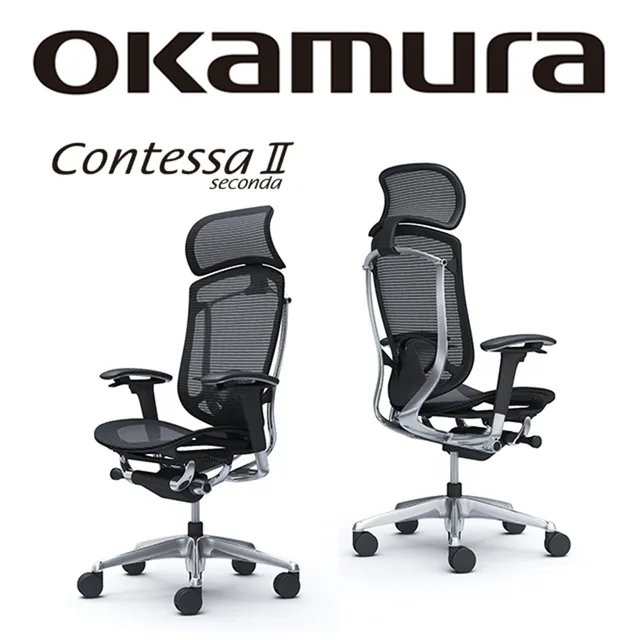
If you've spent any time researching ergonomic office chairs, you've likely come across the name Okamura. Models like the Contessa II and Sylphy have earned devoted followings worldwide, yet surprisingly little has been written about the brand itself.
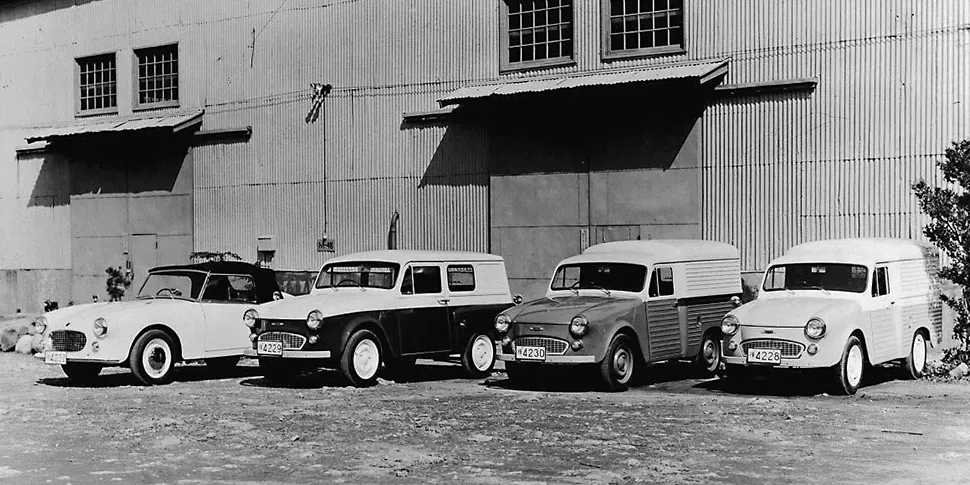
Okamura is a Japanese office furniture manufacturer founded in 1945 in Yokohama. What makes its origin story particularly interesting is that it didn't start as a chair company at all. Okamura began as a sheet metal fabrication shop and, over the years, expanded into manufacturing automobiles and even aircraft components.
It wasn't until the 1960s that Okamura pivoted to desks, office seating, and retail display systems. The decades spent mastering precision metalwork and mechanical engineering didn't go to waste—that expertise is now embedded in every chair the company produces. Today, Okamura employs nearly 4,000 people globally, operates seven manufacturing facilities in Japan, and is recognized as one of the world's top five office furniture makers.
"Quality Pays for Itself"
This phrase—Quality pays for itself—is more than marketing. It's the guiding principle behind how Okamura designs and builds its chairs.
Every model undergoes thousands of hours of testing in Okamura's own research labs. Seats, backrests, and bases are engineered to work in harmony, and all products meet rigorous ANSI/BIFMA international standards. The company applies the Japanese manufacturing philosophy of kaizen—continuous improvement—to every aspect of production.
The result? Chairs that may seem expensive at first but prove their worth over ten or twenty years of daily use. Okamura prioritizes longevity, refinement, and minimal regret.
Okamura's Flagship Models
Contessa II
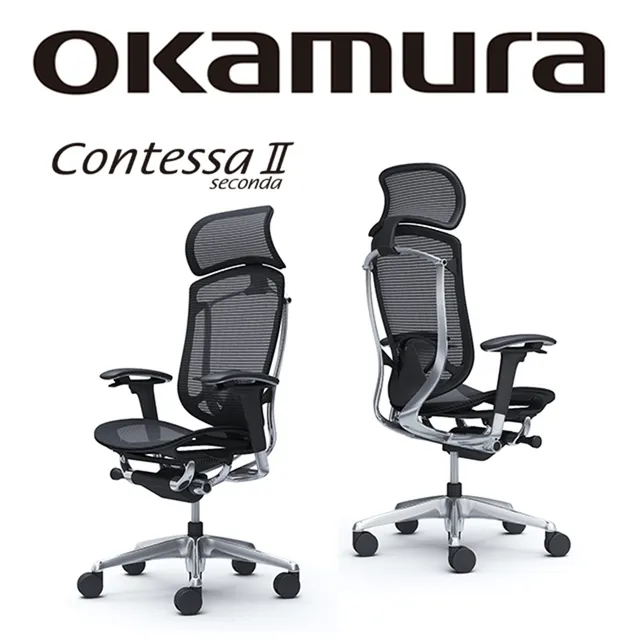
The Contessa II is Okamura's flagship ergonomic task chair. Its defining feature is a single-piece, full-mesh backrest that evenly distributes pressure and offers exceptional breathability during extended sitting sessions. Compared to the original Contessa, the second generation improved lumbar support structure and armrest adjustability. It remains one of the most searched-for Okamura models internationally.
Sylphy
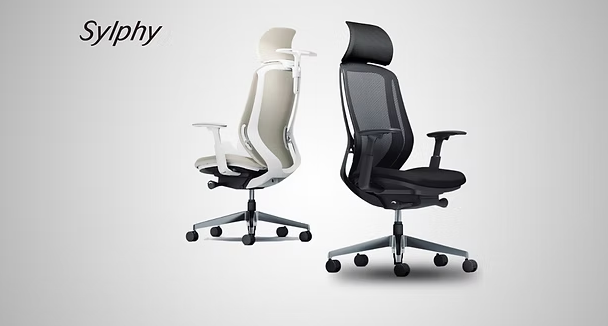
The Sylphy is Okamura's perennial best-seller. It's known for a flexible, posture-adaptive backrest that moves naturally with the user. Priced below the Contessa II, the Sylphy still delivers the precision and build quality Okamura is known for, making it a popular entry point for first-time buyers comparing models within the Okamura lineup.
Other Models
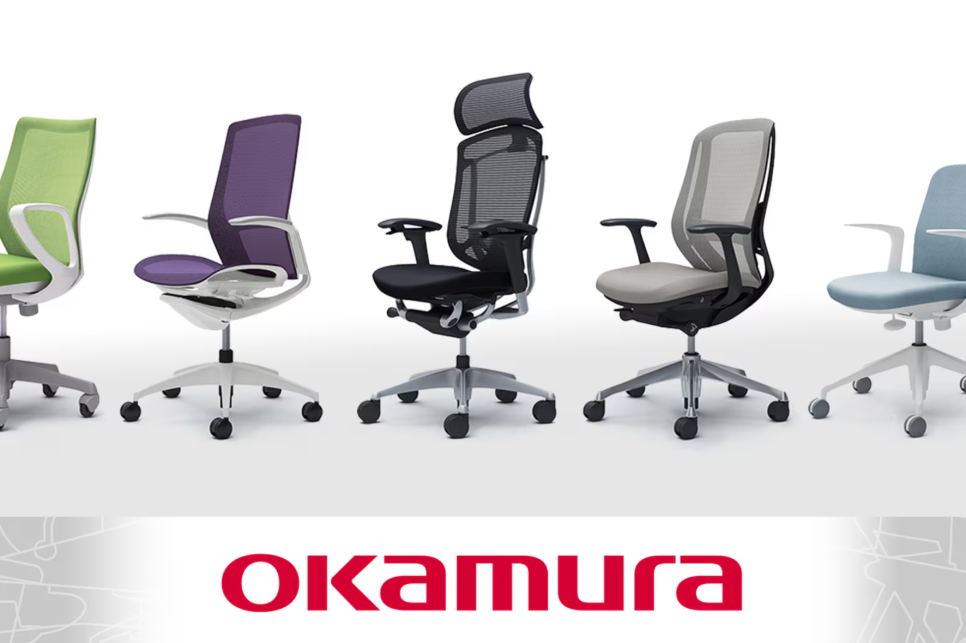
Beyond the Contessa and Sylphy, Okamura offers a range of task and executive seating, each tailored to different user needs and budgets. As with any high-end ergonomic chair, the best way to choose is to sit in several models and compare how they respond to your body and work style.
How Does Okamura Compare to Other Japanese Chair Brands?
Japan is home to several respected office seating brands—Itoki, Kokuyo, and Okamura are the three most frequently mentioned. All share a reputation for precision manufacturing and thoughtful ergonomics, but their design philosophies differ slightly.
Okamura stands out for its emphasis on precision engineering. Its roots in metal fabrication are evident in the fit and finish of metal components, the smoothness of adjustment mechanisms, and the stability of the overall structure. User reviews often highlight how solid Okamura chairs feel—no wobble, no play in the levers, and mechanisms that glide rather than click.
Where Okamura Fits in the Global Market
Okamura competes directly with the likes of Herman Miller, Steelcase, and Haworth. While American and European brands often lead with bold design statements or proprietary ergonomic systems, Okamura's strength lies in understated refinement—chairs that feel meticulously engineered rather than aggressively marketed.
For users who value build quality, longevity, and the kind of tactile precision that only comes from decades of manufacturing discipline, Okamura deserves serious consideration.
Final Thoughts
Okamura may not be as well known in Western markets as Herman Miller or Steelcase, but its reputation is well earned. From its origins in metalworking to its current position as a global top-five furniture maker, the brand has remained committed to a single idea: that quality, over time, pays for itself.
If you're in the market for a chair that blends Japanese craftsmanship, ergonomic intelligence, and long-term durability, Okamura is a name worth knowing—and sitting in.
Furniblog may earn a commission from links in this post, at no extra cost to you. See our affiliate disclosure.