Sitting Disease and Chair Fatigue: The Real Reason You're Exhausted After a Day at Your Desk
Why even office workers feel drained—and how the right chair can change everything
By the Furniblog Editorial Team·July 9, 2026·5 min read
The World Health Organization (WHO) has coined a term for the cluster of health problems stemming from modern sedentary lifestyles: "Sitting Disease." It's a stark warning about what happens when we spend eight hours—or more—in a chair every single day.
But here's the puzzle: even when you're not doing physical labor, even when you've "just" been sitting at a desk all day, why does your body feel heavy as a wet sponge by the time you leave the office?
The answer isn't simply that you've been sitting too long. The real culprit is something we often overlook: your chair is making you tired.
Sitting Is Not Resting—It's Constant Balancing
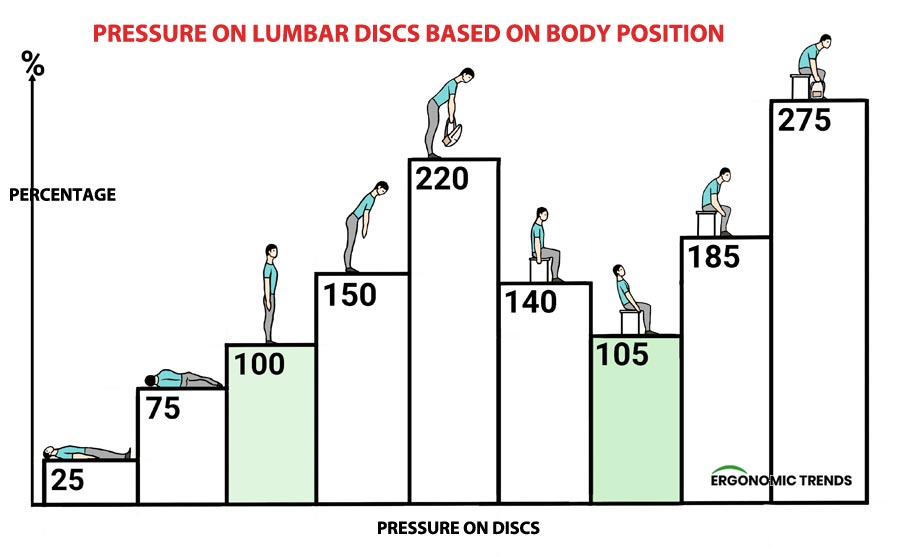
Many people assume that sitting equals resting, a static, passive state. But from an ergonomic perspective, sitting actually increases pressure on the spine by 1.5 to 2 times compared to standing.
When you feel that familiar ache in your lower back, it's not just your lumbar region crying out—it's a cascade of muscles from your pelvis through your thoracic and cervical spine, all straining to hold you upright.
The Hidden Work of Static Loading
Even though it looks like you're motionless, your body is constantly making micro-adjustments to balance the forces created by the seat pan and backrest. In other words, sitting is not rest—it's a continuous effort to maintain equilibrium.
This is where chair fatigue comes into play. A poorly designed chair forces your body to work harder every time your posture shifts even slightly, engaging muscles unnecessarily to recenter your weight. A well-engineered chair, on the other hand, moves fluidly with you, reducing that micro-tension to nearly zero.

Three Technologies That Determine Chair Fatigue
So what separates a chair that leaves you exhausted from one that keeps you energized all day? High-end ergonomic chairs address chair fatigue through three core technologies.
1. Pressure Distribution
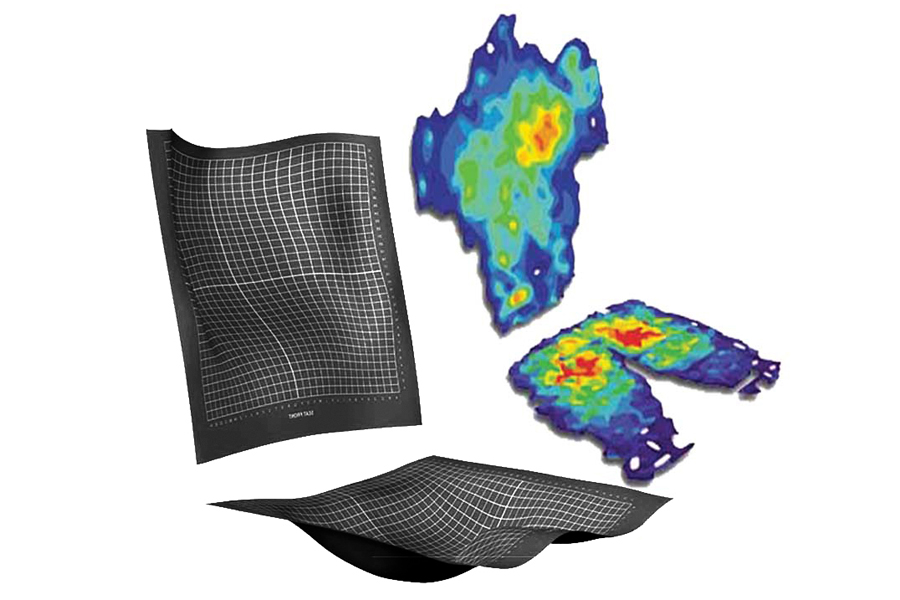
A flat or overly firm seat concentrates your body weight on a few pressure points—primarily your sit bones (ischial tuberosities). Over time, this leads to numbness, discomfort, and restricted blood flow.
Quality chairs use contoured seat cushions and advanced foam or mesh materials to distribute pressure evenly across the entire seat surface, creating an almost weightless sensation. This promotes healthy circulation and dramatically reduces lower-body fatigue.
2. Tilting Mechanism
There's a saying in ergonomics: "The best posture is your next posture." Our bodies are designed to move, not stay locked in one position.
Chairs with synchronized tilting mechanisms allow the backrest and seat to move together in harmony with your body's natural motion. This prevents muscles from stiffening and keeps your movement fluid throughout the day, whether you're leaning forward to type or reclining to think.
Premium models like the Herman Miller Aeron, Steelcase Gesture, and Herman Miller Embody are renowned for their responsive tilt systems.
3. Lumbar Support
Fatigue often starts—and ends—with the lower back. The spine's natural S-curve must be maintained to avoid disc compression and muscle strain.
Effective lumbar support doesn't just mean a bulge in the backrest. It means consistent, adjustable support that maintains spinal alignment over hours of use. Chairs from brands like Okamura, Humanscale Freedom, and Steelcase Leap V2 are engineered to provide this kind of lasting support.
It's Not About Initial Comfort—It's About How You Feel After an Hour
You can sit in two different chairs for the same amount of time and have radically different experiences. One might leave your shoulders tight and your back aching after just an hour. The other might keep you comfortable and focused for three hours straight.
Anyone can make a chair feel plush for the first five minutes. But true chair quality reveals itself over time—after twenty minutes of use, after shifting positions, after leaning forward to work on a deadline.
Premium brands like Herman Miller, Steelcase, Okamura, and Haworth don't force your body into a fixed posture. Instead, they respond to your movements as if they were an extension of your own body.
Test Real-World Fatigue Before You Buy
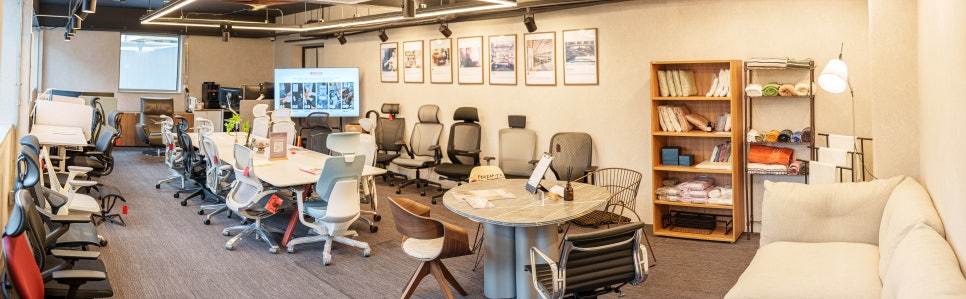
Chair fatigue is invisible at first glance. You won't notice it in a quick showroom sit-test. That's why it's critical to try chairs in realistic conditions—ideally for at least 20 to 30 minutes, mimicking actual work tasks.
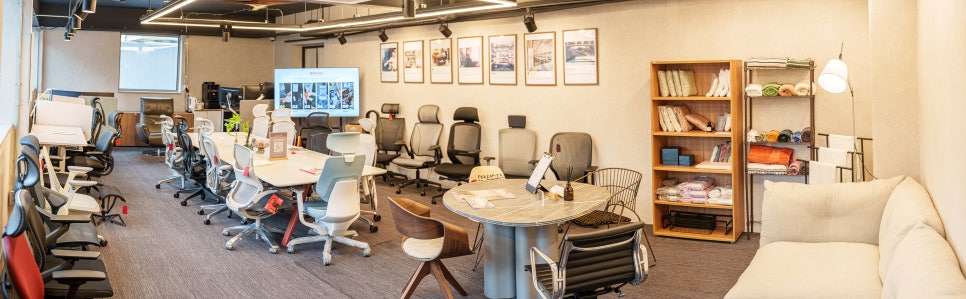
If you have access to a specialized chair retailer or showroom, take advantage of extended test sessions. Pay attention not to how the chair feels when you first sit down, but how your body feels after sustained use: Is your back still supported? Are your hips comfortable? Can you shift positions naturally?
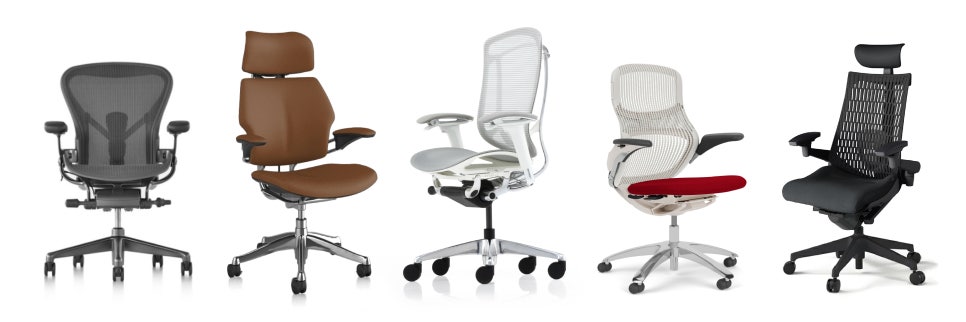
Key Chairs to Consider for Low Fatigue
Herman Miller Aeron – iconic mesh design with zonal pressure distribution
Steelcase Gesture – designed for modern multi-device postures
Steelcase Leap V2 – adaptive lumbar and LiveBack technology
Herman Miller Embody – spine-mimicking backrest for maximum movement
Haworth Fern – wave suspension for balanced support
Humanscale Freedom – self-adjusting recline with no knobs or levers
Okamura Contessa II – Japanese precision engineering with smart lumbar
A Good Chair Isn't Furniture—It's Health Infrastructure
Sitting Disease is real, and chair fatigue is one of its most underestimated symptoms. But the right chair can protect you from both.
A well-designed ergonomic chair isn't just about comfort—it's about preserving your energy, protecting your posture, and sustaining your focus throughout the workday. It's an investment in your long-term health, not just your office aesthetic.
If you've been feeling drained at the end of each workday despite a "desk job," it may be time to evaluate not your workload, but your chair. The science is clear: the right chair reduces fatigue, and the wrong one creates it.
Choose wisely. Your body will thank you.
Furniblog may earn a commission from links in this post, at no extra cost to you. See our affiliate disclosure.