Tailbone Pain When Sitting? How to Choose the Right Office Chair
Understanding coccyx pressure and the chair features that actually help
By the Furniblog Editorial Team·July 9, 2026·4 min read
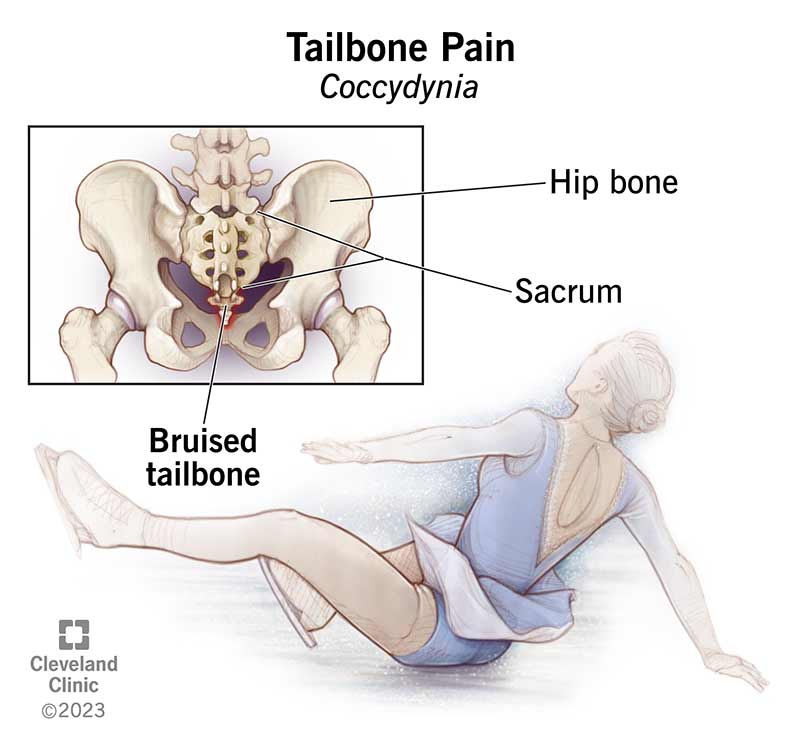
Finding information about chairs that support your lower back is easy. But guidance specifically focused on tailbone pain—also called coccyx pain—is surprisingly scarce.
That's a problem, because tailbone discomfort has entirely different causes and biomechanics than general lumbar pain. The criteria for choosing a chair that alleviates coccyx pressure are distinct, and understanding them can make a significant difference in your comfort during long sitting sessions.
When your tailbone area hurts after sitting for extended periods, it's usually the result of several factors working together: seat pan structure, pelvic angle, and backrest support. By checking just a few key features when selecting a chair, many people find their pain is drastically reduced.
Key Features to Look for in a Chair for Tailbone Pain
Does the Seat Reduce Pressure at the Rear?
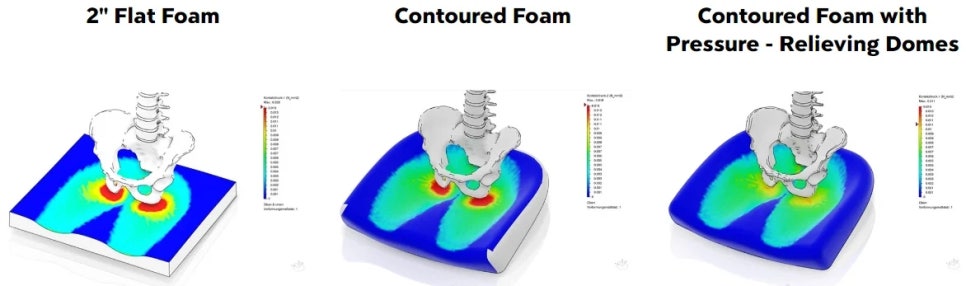
If the back of the seat pan is firm and unyielding, your body weight transfers directly onto your tailbone. The most important factor is whether the chair's design naturally disperses pressure away from the rear of the seat.
Look for seats with waterfall edges, contoured foam that tapers toward the back, or flexible mesh that gives under the sit bones. These design elements help redistribute weight forward and outward, sparing the coccyx from bearing the brunt of your body weight.
Does It Help You Maintain an Upright Pelvis?
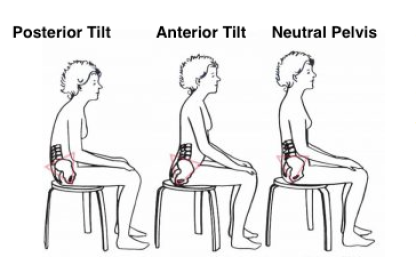
When your pelvis tilts backward (posterior pelvic tilt), your sacrum and tailbone come into direct contact with the seat, causing pain. A chair that encourages proper pelvic alignment—keeping your pelvis upright and neutral—prevents this harmful contact.
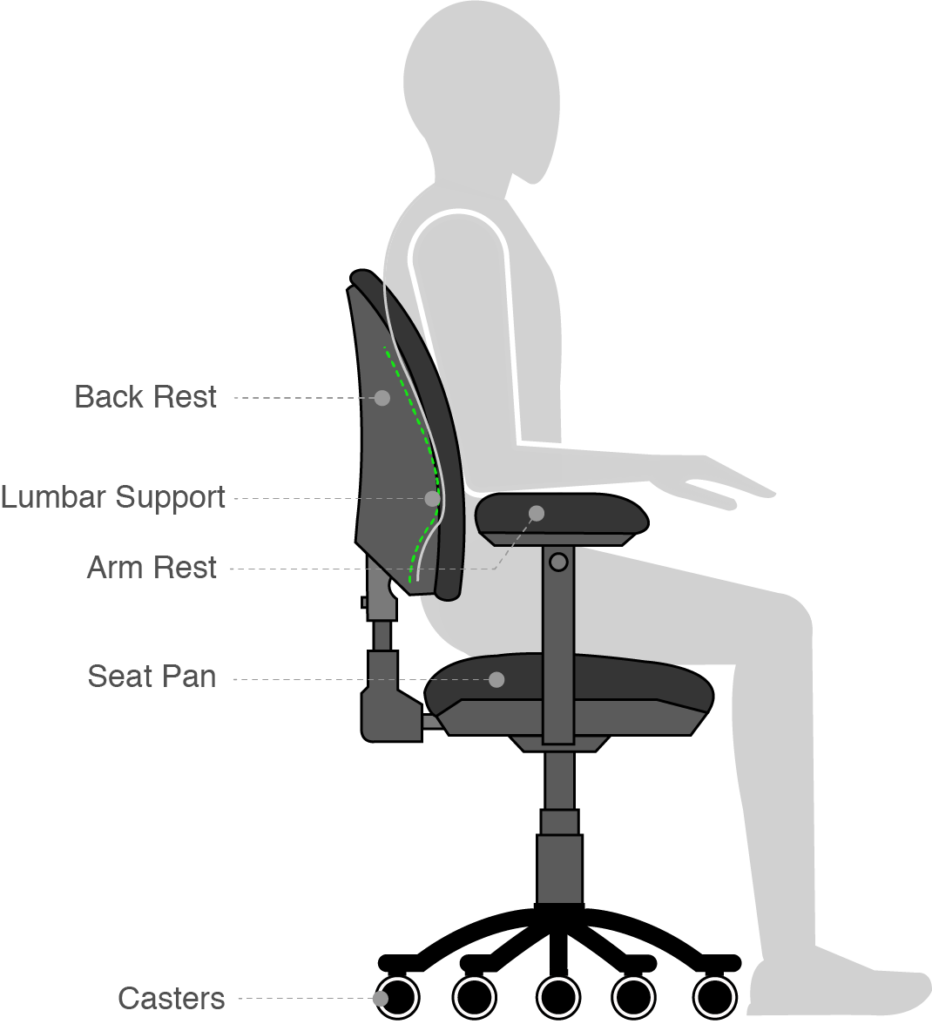
Check whether the seat pan has a slight forward tilt option or a sculpted contour that naturally positions your pelvis. The backrest's lumbar support also plays a crucial role: if it supports your lower back effectively, your pelvis is more likely to stay in a healthy, upright position.
Is the Seat Cushion Too Firm?
Excessively hard seat surfaces concentrate pressure on bony prominences, including the tailbone. A seat with some give—whether it's quality foam with appropriate density or a flexible mesh membrane—will cushion your sit bones and help spread load more evenly.
That said, avoid seats that are too soft, as they can cause you to sink in and lose pelvic stability. The goal is responsive cushioning that supports without bottoming out.
Does the Backrest Follow Your Movements?
If the backrest is static or doesn't recline smoothly with you, your lumbar support disappears when you lean back. Without that support, your pelvis rolls backward, and pressure shifts onto your tailbone.
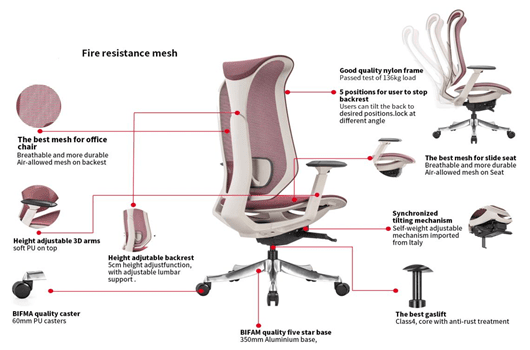
Look for chairs with synchronized tilt mechanisms or dynamic backrests that move with you throughout the day. Chairs like the Steelcase Gesture or Herman Miller Embody are excellent examples of designs that maintain lumbar contact across a wide range of postures.
Can You Adjust the Seat Depth?
If the seat pan is too long for your legs, you won't be able to sit all the way back against the backrest. This forces you to perch forward or slide your hips forward, which loads your tailbone.
Adjustable seat depth (also called seat pan slide) lets you customize the chair to your body. Shorter users especially benefit from this feature. Many ergonomic task chairs, including the Steelcase Leap V2 and Haworth Fern, offer this adjustment.
What All Tailbone-Friendly Chairs Have in Common
Chairs that help reduce tailbone pain share a few core traits:
They reduce or eliminate pressure at the rear of the seat pan
They encourage upright pelvic positioning
They provide stable, continuous lumbar support
They offer enough adjustability to fit your unique body and sitting habits
The Bottom Line
Tailbone pain is highly individual. What works for one person may not work for another, depending on body proportions, the severity of the condition, and sitting habits. That's why it's essential to test chairs in person whenever possible.
Pay attention to how the seat feels under your sit bones, whether your pelvis naturally tips forward or backward, and whether you can maintain good posture without effort. If a chair checks the boxes above and feels comfortable after 15–20 minutes of sitting, it's likely a good candidate.
For more guidance on choosing ergonomic seating, explore our Herman Miller Aeron, Humanscale Freedom, and other reviews designed to help you find the right fit for your body and your pain points.
Furniblog may earn a commission from links in this post, at no extra cost to you. See our affiliate disclosure.