The Chair That Burns Calories While You Work: Kokuyo Ing's Surprising Results
A week of sitting could burn the equivalent of 6 beers worth of calories
By the Furniblog Editorial Team·July 8, 2026·4 min read

For office workers chained to their desks all day, the creeping weight gain and lack of energy for post-work exercise is an all-too-familiar struggle. But what if simply sitting at work could provide a subtle workout?
Japanese furniture giant Kokuyo conducted a fascinating study on its innovative Ing chair, and the results suggest that your choice of seating might matter more than you think when it comes to daily calorie expenditure.
How a Chair Moves—and Why It Matters
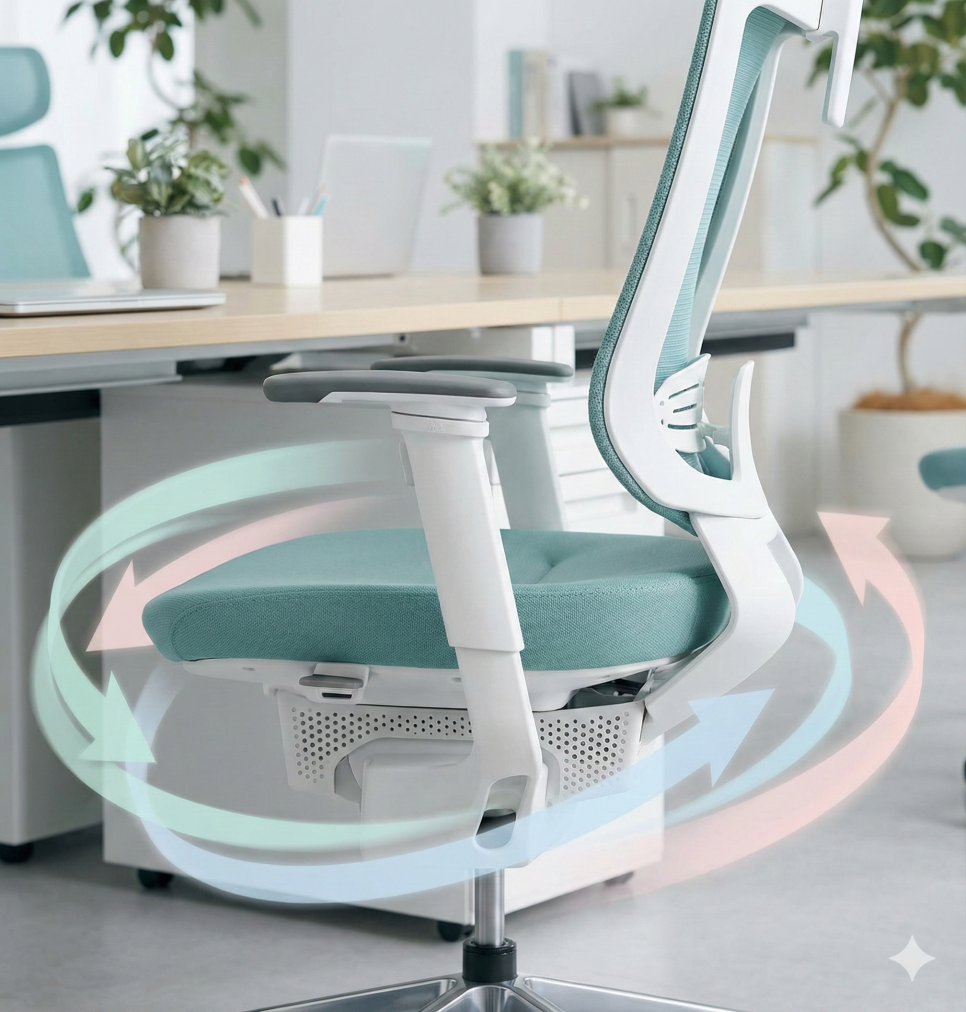
The Kokuyo Ing differs fundamentally from conventional office chairs. Its seat pan features 360-degree gliding movement that responds to your body's natural micro-movements throughout the day.
The sensation is similar to sitting on an exercise ball: your body constantly makes small balance adjustments, engaging core and stabilizer muscles that remain dormant in a static chair. This continuous, low-level muscular engagement adds up over hours of desk work.

The One-Week Calorie Burn Study
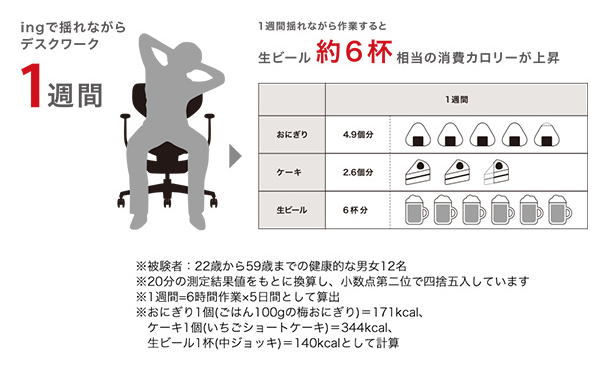
Kokuyo conducted a metabolic study to quantify exactly how much additional energy the Ing chair's dynamic sitting burns. The company measured oxygen consumption during 20-minute sessions, then extrapolated the results across a typical work week.
Study Parameters
Participants: 12 healthy adult males, ages 22–59
Measurement method: 20-minute metabolic monitoring sessions
Work week assumption: 6 hours per day, 5 days per week
Calculation: Rounded to the nearest decimal point
The Results, Translated Into Food
The additional calories burned over one work week in the Ing chair, compared to a static chair, equate to:
Beer: Approximately 6 mid-sized glasses (based on 140 kcal per glass)
Rice balls (onigiri): Approximately 4.9 servings (171 kcal each)
Cake slices: Approximately 2.6 pieces of strawberry shortcake (344 kcal each)
In other words, that post-work drink or weekend dessert? If you've been working in an Ing chair all week, you may have already burned through those calories during your regular workday.
Turning Sitting Time Into Active Time
The Ing chair doesn't require you to bounce around or consciously "exercise" at your desk. The calorie burn comes from subtle, natural movement—your body's automatic postural adjustments in response to the gliding seat.
This concept, sometimes called "active sitting," transforms sedentary time into opportunity for gentle, continuous movement. While it's no replacement for dedicated exercise, it does address one of the core problems of desk work: prolonged static posture.
Adaptable to Your Work Style
The Ing's movement mechanism isn't "always on." Users can adjust the resistance or lock the seat when they need maximum stability for focused tasks. When you need to refresh your thinking or shake off stiffness, you can let the chair move freely.
This flexibility makes it practical for real work environments, where you might need both concentrated focus and occasional movement throughout the day.
The Bigger Picture: Gym Inside the Office
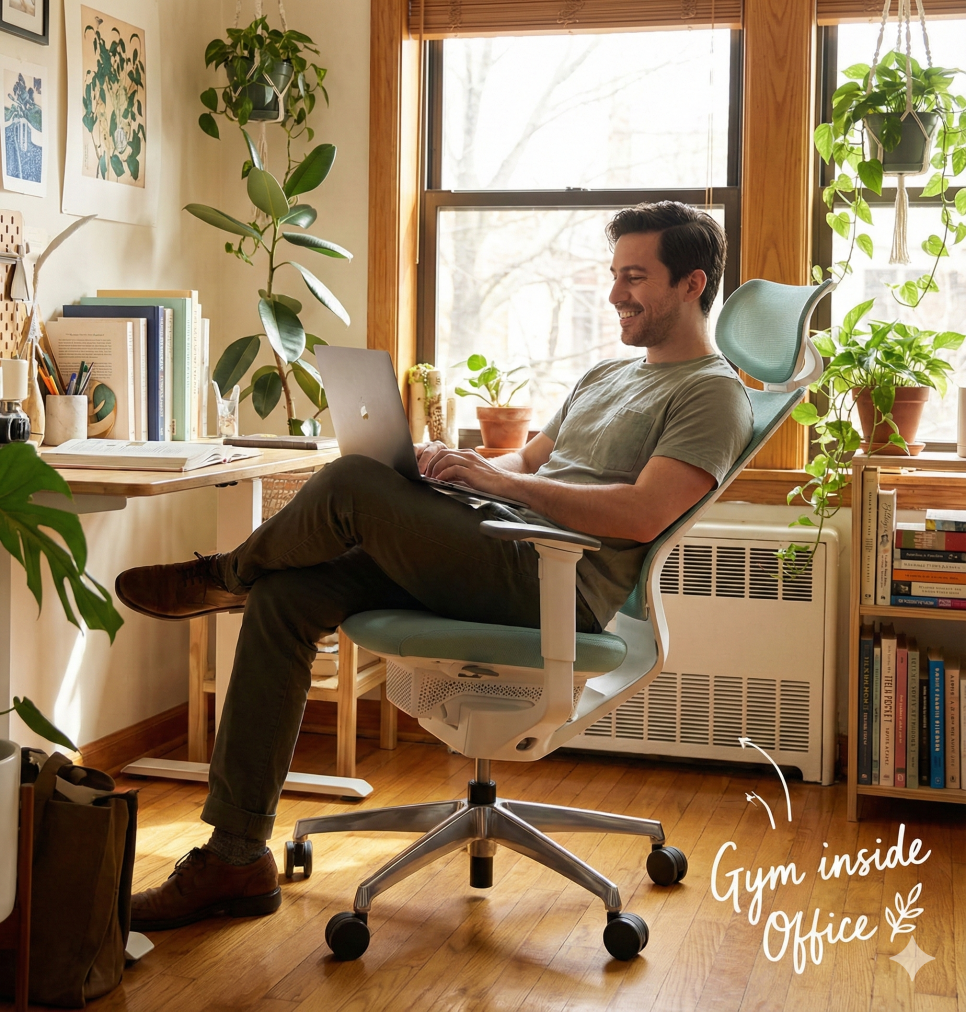
For busy professionals, carving out dedicated exercise time is genuinely difficult. The appeal of the Ing chair lies in its passive approach: you don't need to change your schedule or add a new habit. You simply sit—and the chair does the rest.
While the calorie expenditure is modest (we're talking a few hundred calories per week, not thousands), the real benefits may extend beyond the numbers:
Reduced static load on the spine and hips
Improved circulation from continuous micro-movements
Enhanced alertness from subtle postural variation
Core muscle engagement throughout the day
Is the Kokuyo Ing Right for You?
The Ing chair represents one approach to active sitting. It won't replace your gym membership, but for people who spend most of their waking hours seated, it offers a way to reduce the total burden of sedentary work.
If you're curious whether the sensation of "sitting on a moving platform" works for your body and work style, the Ing is worth testing in person. The gliding movement is subtle but constant, and individual responses vary—some people find it liberating, while others prefer more stability.
Other dynamic seating options worth considering include the Kokuyo Ing Cloud (a mesh variant with similar movement), the Varier Variable balans (a kneeling chair that encourages rocking), or the Aeris Swopper (which adds vertical spring movement to the mix).
The chair you sit in for 40+ hours a week has real consequences for your body. If turning some of that sitting time into gentle, calorie-burning movement sounds appealing, the Kokuyo Ing's study results suggest it's more than marketing hype.
Furniblog may earn a commission from links in this post, at no extra cost to you. See our affiliate disclosure.