The Complete Guide to Cleaning Office Chairs by Material Type
Expert cleaning methods for mesh, fabric, leather, and synthetic upholstery
By the Furniblog Editorial Team·July 10, 2026·8 min read
Before You Start: Six Essential Pre-Cleaning Rules
Before you reach for any cleaner or cloth, these six foundational steps will help you avoid irreversible damage to your chair's upholstery.
🏷 Identify the Material First
Check the product tag or manufacturer's specifications to confirm the exact upholstery material. Different materials require completely different cleaning approaches.
🧪 Always Patch Test
Before using any new cleaner or solution, test it on a hidden area—under the seat or on the back lower edge—and wait 10 minutes to check for discoloration or damage.
🌬 Dry Before Wet
Always start with dry cleaning: vacuum and brush away loose dirt and dust before introducing any moisture.
☁️ Blot, Never Scrub
Rubbing or scrubbing spreads stains deeper into fibers and can damage the material. Always blot gently to absorb liquid and lift stains.
💨 Dry Completely
Moisture left behind invites mold, mildew, and odors. Always air-dry thoroughly in a well-ventilated space, away from direct heat.
⚡ Act Immediately
The longer a spill or stain sits, the deeper it penetrates. Immediate treatment is your best weapon against permanent damage.
Cleaning Mesh Office Chairs
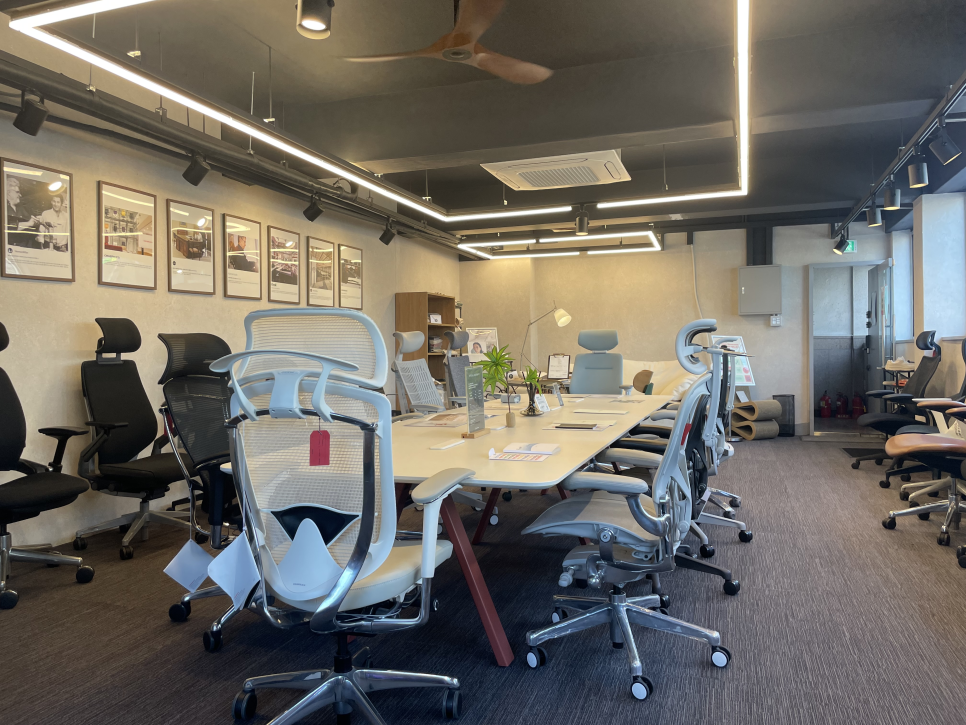
Mesh is prized for breathability, but its open weave traps dust, crumbs, and debris between the fibers. Water and friction can warp the mesh, so gentle, targeted cleaning is key.
Weekly Maintenance (1–2 Times per Week)
Vacuum thoroughly: Attach a soft brush head to your vacuum and work over the backrest and seat, paying special attention to crevices. For stubborn debris, sprinkle a small amount of table salt on the mesh, gently agitate with your hand, then vacuum—it helps dislodge particles.
Wipe with a dry microfiber cloth: This removes any surface dust the vacuum missed.
Spot Cleaning Spills and Stains
Blot immediately: If you spill coffee or another liquid, blot it right away with a dry cloth or damp wipe. Don't let it soak in.
Use mild detergent: Dampen a cloth with a solution of water and a few drops of mild dish soap. Blot from the outside of the stain inward.
For tough stains: Mix equal parts white vinegar and water, dampen a cloth, and blot gently.
Odor removal: Make a paste of baking soda and water, apply to the affected area, let sit for 15–20 minutes, then vacuum off.
Deep Cleaning (Monthly)
If your chair is modular, disassemble the backrest and seat pan.
If you own a steam cleaner, steam the mesh on a low setting to sanitize, then air-dry completely.
Without a steamer: wipe down with a diluted dish soap solution, rinse with a cloth dampened in clean water, and air-dry in a ventilated area.
⚠️ Never:
Soak the mesh—moisture seeps into foam and causes mold
Use bleach or harsh chemicals
Scrape with sharp tools
Sit on the chair before it's fully dry
Cleaning Fabric (Textile) Office Chairs
Fabric upholstery is highly absorbent. Spills penetrate quickly and set permanently if not treated fast. Your approach depends on whether the cover is removable.
Removable Fabric Covers (Machine Washable)
Check the care label for washing symbols and temperature limits.
Pre-treat visible stains with a dab of mild detergent.
Wash on a gentle cycle in cool or lukewarm water (30–40°C).
Never tumble dry—it causes shrinkage and distortion.
Hang or lay flat in the shade to air-dry; avoid direct sunlight.
Non-Removable Fabric (Integral Upholstery)
Blot liquid immediately with a dry cloth—do not rub.
Mix a few drops of mild detergent in lukewarm water.
Dampen a cloth (wring it out well) and blot from the outside in.
Rinse by blotting with a clean, damp cloth to remove detergent residue.
Blot dry with a towel and allow to air-dry fully.
Stain-Specific Treatments
Stain Type | Treatment |
|---|---|
☕ Coffee, food | Baking soda paste; let sit 15 min, then blot with damp cloth |
🫒 Oil, grease | Sprinkle cornstarch or talc, let absorb 20 min, vacuum, then wash |
🍷 Wine, juice | Hydrogen peroxide + water (1:2 ratio); blot, then rinse |
🖊 Ink | Dab with rubbing alcohol on a cloth; blot gently |
💨 Odor | Sprinkle baking soda, leave 1 hour, vacuum thoroughly |
⚠️ Never:
Saturate the fabric—internal foam will retain moisture and mold
Scrub aggressively—it damages fibers and spreads stains
Use a hairdryer to force-dry
Cleaning Genuine Leather Office Chairs
Genuine leather is beautiful but sensitive to water and chemicals. Alcohol-based wipes can strip protective coatings, and moisture evaporation dries out the leather, leading to cracking.
Weekly Dusting
Wipe gently with a dry microfiber cloth, following the grain of the leather.
Use a soft brush or dry cloth to clean seams and crevices where dust accumulates and can cause deformation.
Spot Cleaning
Apply a small amount of leather-specific cleaner to a microfiber cloth.
Wipe in small circles, following the leather grain. Avoid pressure—it can crack the finish.
Wipe off cleaner residue with a clean, dry cloth.
Apply a thin layer of leather conditioner to restore moisture and prevent drying.
No Leather Cleaner? Try This
In a pinch, a small dab of hand cream or petroleum jelly on a cloth can clean light marks and restore shine. For deeper maintenance, use a proper leather cleaner and conditioner every 3–4 months.
Seasonal Care
☀️ Summer and Humid Weather:
Keep indoor humidity between 50–60%
Avoid sitting immediately after coming in sweaty—salt and oils damage leather
Place newspaper in furniture crevices to absorb moisture
If mold appears, dry in shade and buff off gently with a velvet cloth
❄️ Winter and Dry/Dusty Conditions:
Keep away from heaters—dry heat causes leather to harden and crack
Dust more frequently during high-pollen or dust storm seasons
Dust yourself off before sitting
Condition more often in low-humidity environments
⚠️ Never:
Use wet wipes—alcohol and preservatives strip coatings
Apply water directly—leather shrinks and cracks when it dries
Use rough cloths or abrasive pads
Expose to direct sunlight long-term—causes fading and cracking
Use acetone, bleach, or strong solvents
Cleaning Faux Leather (PVC / PU) Office Chairs
Faux leather is more water-resistant than genuine leather, making it easier to maintain. However, harsh cleaners will strip the surface coating, and once peeling starts, it's difficult to reverse.
Regular Cleaning (Every 2–3 Months)
Mix a small amount of dish soap into lukewarm water—about a 10:1 water-to-soap ratio.
Dampen a cloth and wring it out thoroughly. Excess water can seep into seams and cause mold.
Wipe along the grain. For stubborn spots, repeat rather than scrubbing or applying soap directly.
Rinse by wiping with a cloth dampened in clean water to remove all soap.
Dry completely with a towel, then air-dry. Residual moisture invites mold.
Stain Removal Guide
Stain Type | Treatment |
|---|---|
🧈 Butter, grease | Mild detergent + lukewarm water |
🫒 Cooking oil | Sprinkle baking soda, wait 30 min, wipe with damp cloth |
🖊 Ink, pen | 1:1 vinegar-water solution or rubbing alcohol; blot gently |
💨 Odor | Specialty deodorizer or baking soda; leave 30 min, wipe off |
Cleaning Polyurethane (PU) Coated Chairs
PU-coated surfaces are similar to faux leather in care. Over time, the coating may become sticky—a natural result of aging and breakdown of the polyurethane layer.
Basic Cleaning
Wipe with a dry microfiber cloth to remove dust.
Dampen a cloth with a mild detergent and lukewarm water solution, wring well, and wipe the surface. Avoid abrasives and strong chemicals.
Wipe again with a cloth dampened in clean water.
Dry completely with a towel and air-dry.
Dealing with Sticky PU Coating
Early stickiness: Wipe with a dry cloth or mild cleaner.
Moderate stickiness: Lightly dampen a cloth with rubbing alcohol and wipe gently. Patch-test first—alcohol can damage some finishes.
Peeling coating: Apply a faux leather restoration product or consult a professional upholstery service for recoating.
Extending PU Lifespan
Avoid prolonged exposure to direct sunlight and heat sources, which accelerate coating breakdown. Use your chair in a well-ventilated space and keep it away from radiators, space heaters, and sunny windows.
Cleaning Schedule by Material
Material | Daily/Weekly | Monthly | Quarterly/Seasonal |
|---|---|---|---|
🕸 Mesh | Vacuum 1–2x/week | Spot-clean with detergent | Deep clean or steam |
🪡 Fabric (removable) | Vacuum weekly | Machine wash every 2 months | Treat stains immediately |
🪡 Fabric (fixed) | Vacuum weekly | Spot-clean with detergent | Steam or pro cleaning as needed |
🐄 Genuine Leather | Dust weekly | — | Clean & condition every 3–4 months |
🧴 Faux Leather / PU | Wipe weekly | — | Deep clean every 2–3 months |
Five Pro Tips for All Chair Materials
1. ⚡ Treat Stains Immediately
The longer a stain sits, the deeper it penetrates. Fresh spills are ten times easier to remove than set-in stains.
2. 🎯 Blot from Outside In
Always work from the outer edge of a stain toward the center. This prevents the stain from spreading outward.
3. 🛡 Use Covers and Cushions
Washable seat covers or cushions on mesh and fabric chairs reduce direct soiling and make maintenance far easier.
4. 💨 Always Air-Dry Thoroughly
Trapped moisture breeds mold and odors. After any wet cleaning, ensure complete drying in a ventilated area.
5. 🔧 Disassemble Annually
If your chair allows it (especially mesh models), disassemble it once or twice a year to clean the frame, crevices, and hidden dust traps thoroughly.
Final Thoughts
Your office chair is one of the hardest-working pieces of furniture you own. With 8+ hours of daily use, regular cleaning not only keeps it looking sharp—it extends its lifespan, protects your health, and maintains comfort and performance. Whether you own a breathable Herman Miller Aeron with mesh, a plush fabric Steelcase Gesture, or a sleek leather executive chair, the right cleaning routine makes all the difference.
Bookmark this guide, set reminders for your cleaning schedule, and treat your chair with the care it deserves. A little maintenance goes a long way.

Furniblog may earn a commission from links in this post, at no extra cost to you. See our affiliate disclosure.