The Desk Setup of High Achievers: How the Right Chair Completes Your Workspace
Why successful people focus on seating first—and aesthetics second
By the Furniblog Editorial Team·July 7, 2026·4 min read
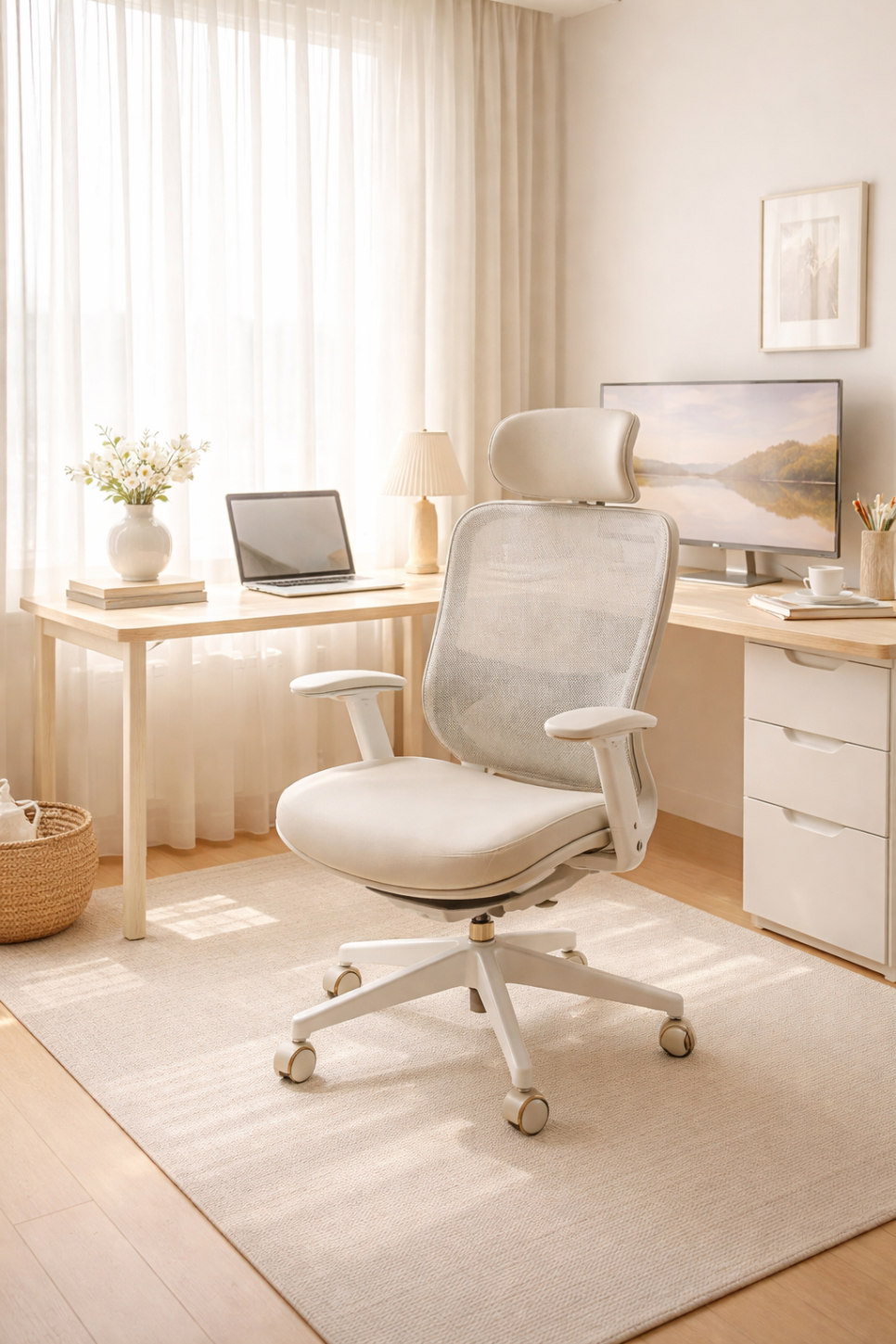
Your desk is more than just a place to work. It's a micro-environment that shapes your focus, the quality of your output, and ultimately your willingness to sit down and get things done. That's why "desk setup" or workspace design has evolved beyond simply arranging pretty objects—it's now about architecting an environment tailored to how you work best.
When you examine the workspaces of truly productive people, a few patterns emerge. They don't clutter their desks with excessive items. They create setups that remain functional through long work sessions. And most importantly, they build environments where they want to stay seated and engaged.
In other words, a high-achiever's workspace isn't just about good looks—it's environmental engineering designed to sustain workflow.
The Most Common Workspace Complaints
At showrooms and ergonomic furniture consultations, the same concerns come up again and again:
"I need to sit for hours, but I get exhausted too quickly."
"My focus fades after just a short time."
"My desk looks great, but it's uncomfortable to actually use."
Many people instinctively reach for better desk accessories, ambient lighting, or decorative touches when they want to improve their workspace. But these surface-level changes often miss the single most important element: the chair.

Why Your Chair Is the Foundation of Your Workspace
No matter how tidy your desk, how thoughtfully arranged your monitor and lighting, or how stylish your accessories, if your chair doesn't properly support your body, that space will never become somewhere you truly want to spend time.
Conversely, changing just the chair can transform the entire character of your workspace. When your posture is supported, your sightline stabilizes, and physical fatigue decreases, concentration naturally extends. Your desk shifts from being "a place you have to work" to "a place where work flows easily."
Real Stories from the Showroom Floor
This transformation is visible in real time at ergonomic furniture showrooms. Customers often arrive thinking about aesthetic workspace styling—envisioning an attractive home office or a thoughtfully curated desk arrangement. But after sitting in various high-quality chairs, their perspective shifts completely.
Professionals who spend six or more hours daily at their desks—CEOs, freelancers, designers, developers, and specialists—consistently prioritize one thing above all: how their body responds when seated.
One common scenario: a customer has invested considerable effort into creating an attractive home office with a quality desk, lighting, decorative objects, and storage—but still struggles to spend extended time there. The workspace looks complete, yet deep work remains elusive.
The culprit is usually obvious: while the visual elements are well-organized, the central anchor point—where the body actually rests—isn't doing its job.
After testing premium ergonomic seating, many of these same customers report that "the workspace finally feels complete." Interestingly, the items on the desk haven't changed much, yet the overall impression becomes more polished, professional, and inviting. The difference isn't in adding more—it's in getting the most critical element right.
What Makes a Workspace Actually Work
The desks of high-performing individuals aren't necessarily elaborate or showy. What makes them impressive is that they're optimized for purpose and rhythm, not just appearance.
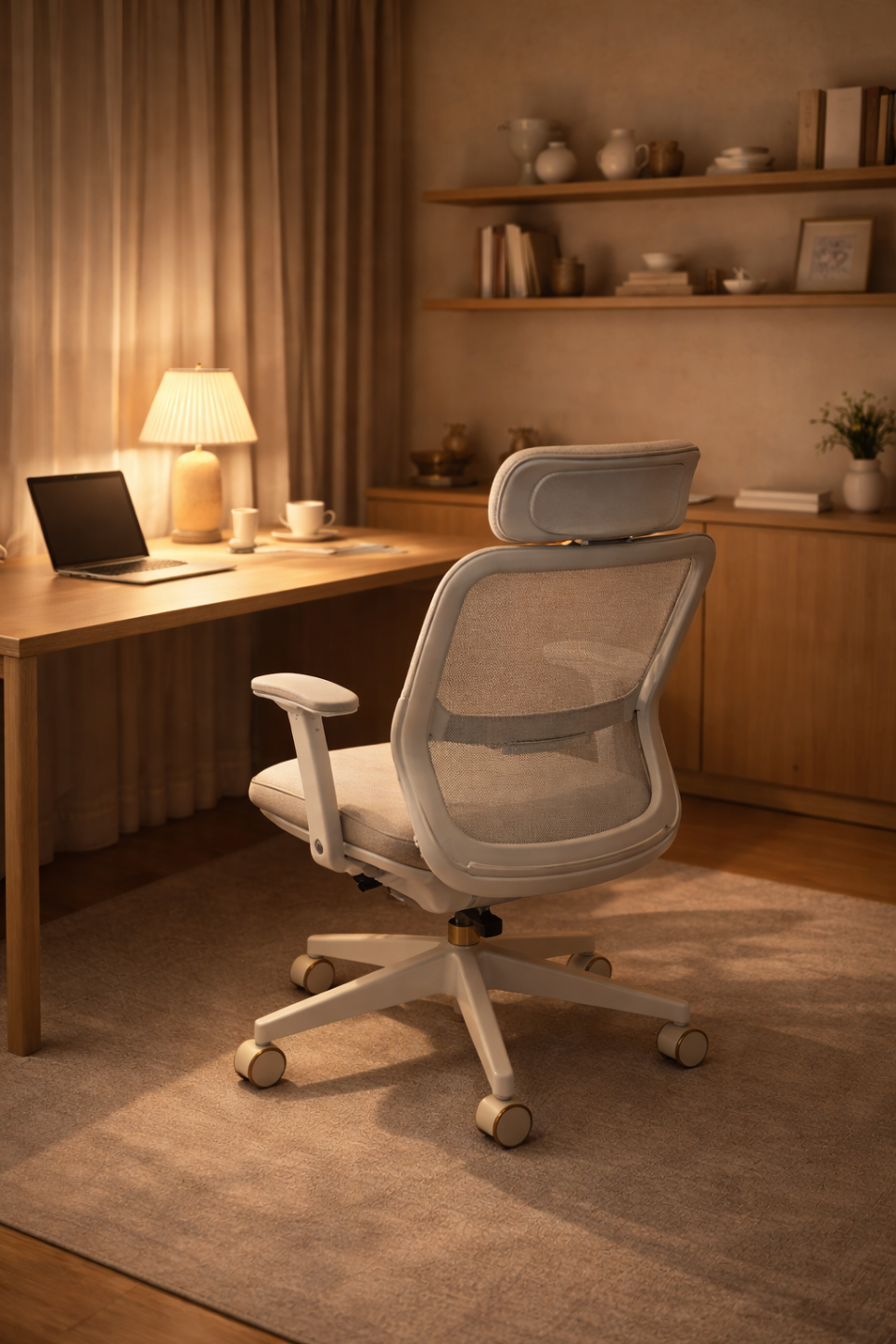
Laptop placement, monitor height, lighting direction, cable management, and desk density all matter—but at the center of all these considerations is the sitting experience.
Your lower back needs proper support
The backrest should naturally follow your body's movements
The structure must allow you to maintain focus through long sessions without physical strain
Photographs can show you beautiful workspaces, but only by sitting do you learn the truth: a truly great desk isn't a pretty one—it's one you want to return to again and again.
How to Build a Workspace That Actually Supports Performance
Start by asking yourself:
How many hours per day do I actually sit at my desk?
What postures does my work require?
When my focus breaks, how does my body respond?
Only after understanding your physical work patterns can you identify which chair and setup will truly serve you.
The Real Formula for Workspace Success
A successful workspace setup comes down to three core elements:
A quality ergonomic chair that properly supports your body
Balanced spatial arrangement that suits your workflow
A structure that remains comfortable through extended use
These three factors create a subtle but profound difference—one that ultimately defines the quality of your workspace.
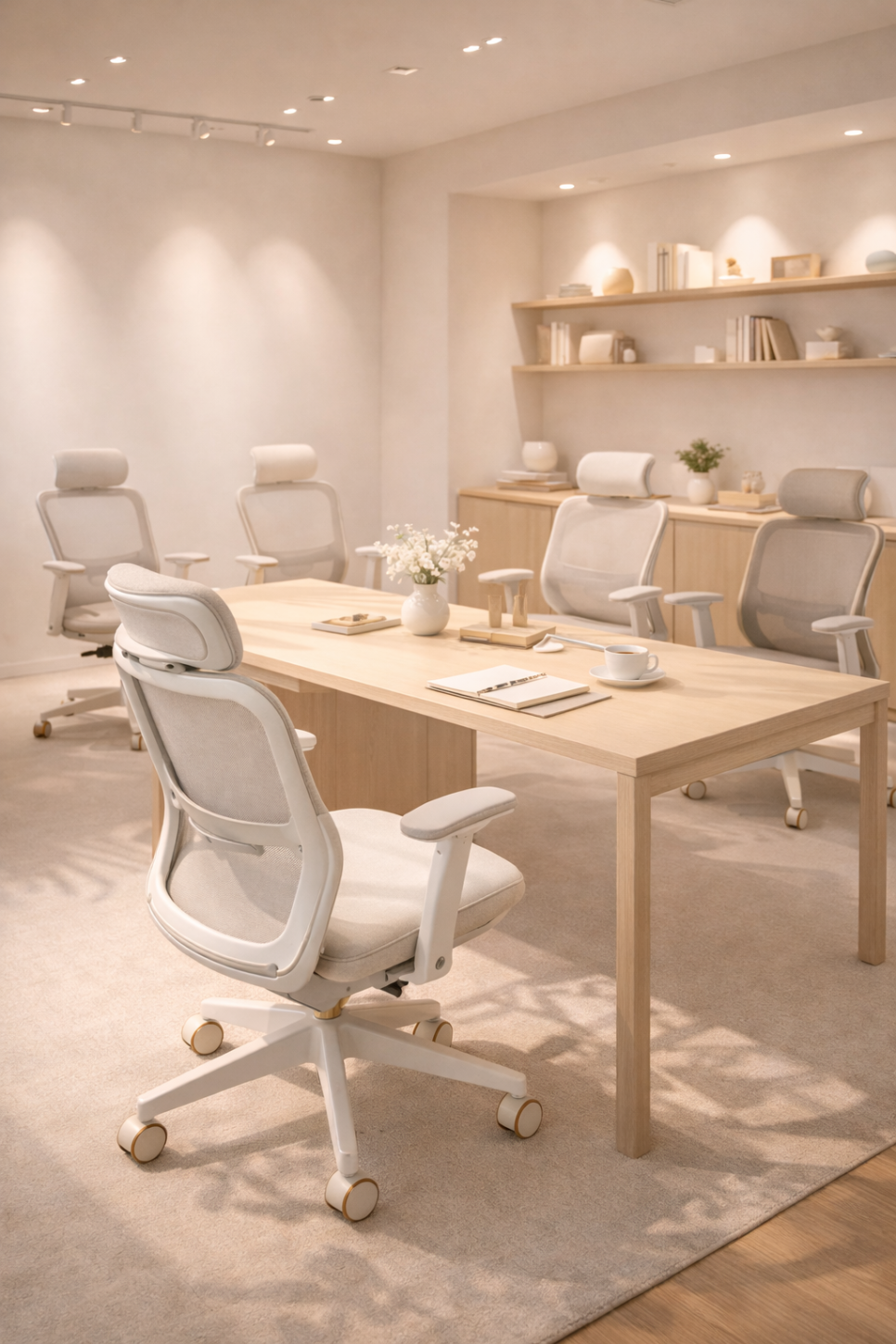
Rethinking Workspace Design From the Ground Up
The most effective workspaces aren't built from decoration outward—they're built from ergonomic foundation upward. Performance-oriented professionals understand that aesthetic appeal is secondary to physical support and sustained comfort.
When you visit a quality ergonomic furniture showroom, you're not just shopping for a chair—you're discovering what kind of environment will allow you to work longer, more comfortably, and more effectively in the years ahead.
Your desk reflects your work ethic and priorities. And truly effective workspace design doesn't start with what looks good—it starts with creating a place where you genuinely want to sit down and stay focused.
If you're serious about improving your workspace, consider testing premium ergonomic chairs like the Herman Miller Aeron, Steelcase Gesture, or Herman Miller Embody—each designed to support the kind of long, focused work sessions that define high-level productivity.
Furniblog may earn a commission from links in this post, at no extra cost to you. See our affiliate disclosure.