The Devil Wears Prada and the Power of the FK Chair: How Cinema Uses Seating to Define Character
How Walter Knoll's iconic FK Chair helped define Meryl Streep's ruthless Miranda
By the Furniblog Editorial Team·July 13, 2026·3 min read
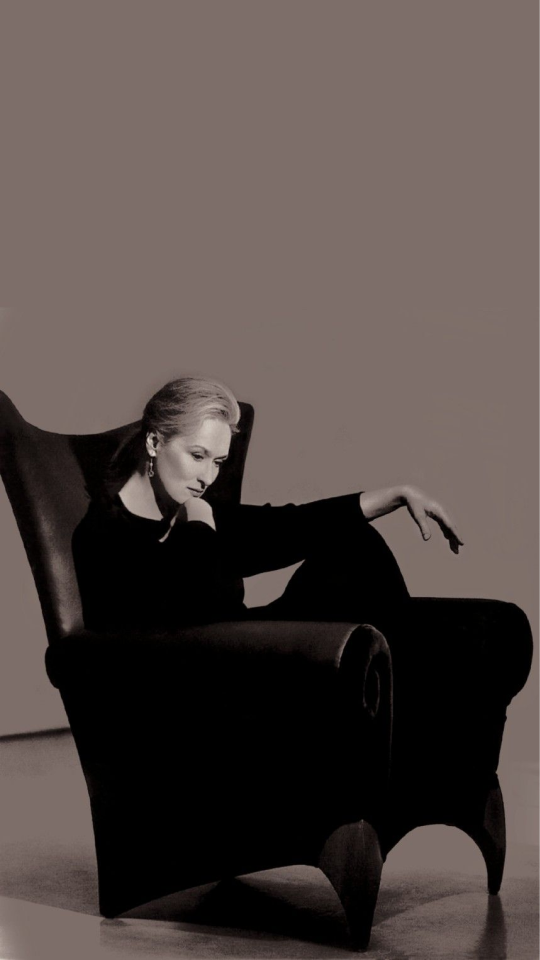
When a character in a film leaves a lasting impression, it's often more than just the actor's performance. The atmosphere, the set design, the props—all work in concert to shape how we perceive them. Few props reveal as much about personality as the chair a character chooses to sit in, especially when that character wields power.
In The Devil Wears Prada (2006), Meryl Streep's portrayal of Miranda Priestly, the icy editor-in-chief of Runway magazine, left audiences with an unforgettable image of ruthless elegance. Miranda's cold authority is on full display throughout the film, often shown seated, issuing directives to her trembling underlings. The chair she occupies is no accident—it's a deliberate design choice that amplifies her character.
The Chair Behind the Character
Miranda Priestly's seat of power is the Walter Knoll FK Chair, a mid-century masterpiece that mirrors her sharp, uncompromising personality. The FK Chair is defined by its clean, angular lines and crisp edge detailing, giving it a lightweight, blade-like presence. Yet it balances this severity with the warmth of premium leather and gently concave seams where its sculpted planes meet—a subtle softness within the sharpness.
This duality—sleek form paired with tactile luxury—makes the FK Chair a natural fit for high-end interiors and characters who command respect. It's no wonder it was chosen to underscore Miranda's formidable presence.
Contrast: The Same Actress, A Different Chair
To appreciate just how much a chair can shape our perception, consider Meryl Streep's role in Mamma Mia! as Donna, a warm, loving mother. In one memorable scene, she sits in a rocking chair, chatting tenderly with her daughter—a far cry from Miranda's imperious posture. The rocking chair's gentle motion and informal design evoke approachability and affection, the polar opposite of the FK Chair's commanding geometry.
It's a testament to how furniture functions as a storytelling device, silently communicating who a character is before they even speak.
The Design Legacy of the FK Chair
The FK Chair was designed in the 1960s by the legendary Danish duo Preben Fabricius and Jørgen Kastholm, whose initials gave the chair its name. The design was groundbreaking for its time—a shell-form chair that introduced a new formal language while remaining timeless.
More than half a century later, the FK Chair is still celebrated for its sculptural purity and material honesty. It occupies a rare space in design: contemporary enough to feel modern, yet classic enough to suit traditional luxury settings. This versatility has made it a favorite in both residential and commercial interiors, particularly where sophistication and restraint are paramount.
Why Cinema Loves Iconic Chairs
Production designers and set decorators know that furniture does more than fill space—it builds character. An ergonomic mesh task chair might suit a tech startup founder; a throne-like executive chair signals old-money power. In Miranda's case, the FK Chair's sleek, almost predatory silhouette reinforces her reputation as someone who doesn't waste time—or tolerate mistakes.
The chair becomes a visual shorthand, telling the audience everything they need to know about Miranda's world: polished, exacting, and unforgiving.
Where to Experience the FK Chair Today
If you're drawn to the idea of bringing a piece of cinematic—and design—history into your own workspace or home, the Walter Knoll FK Chair remains in production and is available through select retailers. Its blend of sharpness and warmth makes it ideal for executive offices, private studies, or any setting where you want to project quiet confidence and refined taste.
Whether or not you're running a fashion empire, sitting in an FK Chair might just make you feel a little more like you could.
Final Thoughts
Great films leave us with more than plot—they leave us with images, feelings, and sometimes, an appreciation for the smallest details. The FK Chair in The Devil Wears Prada is one of those details: a piece of furniture that elevates a character, sharpens a scene, and reminds us that in design—as in life—form and function are never just practical. They're expressive.
Next time you watch the film, take a moment to notice Miranda's chair. You might find it says as much as she does.
Furniblog may earn a commission from links in this post, at no extra cost to you. See our affiliate disclosure.