The Dining Chair Revolution: Why the Lounge-Style Dining Chair Is the Biggest Furniture Trend of 2026
From stiff and minimal to soft and curved—how dining chairs became living spaces
By the Furniblog Editorial Team·July 10, 2026·5 min read
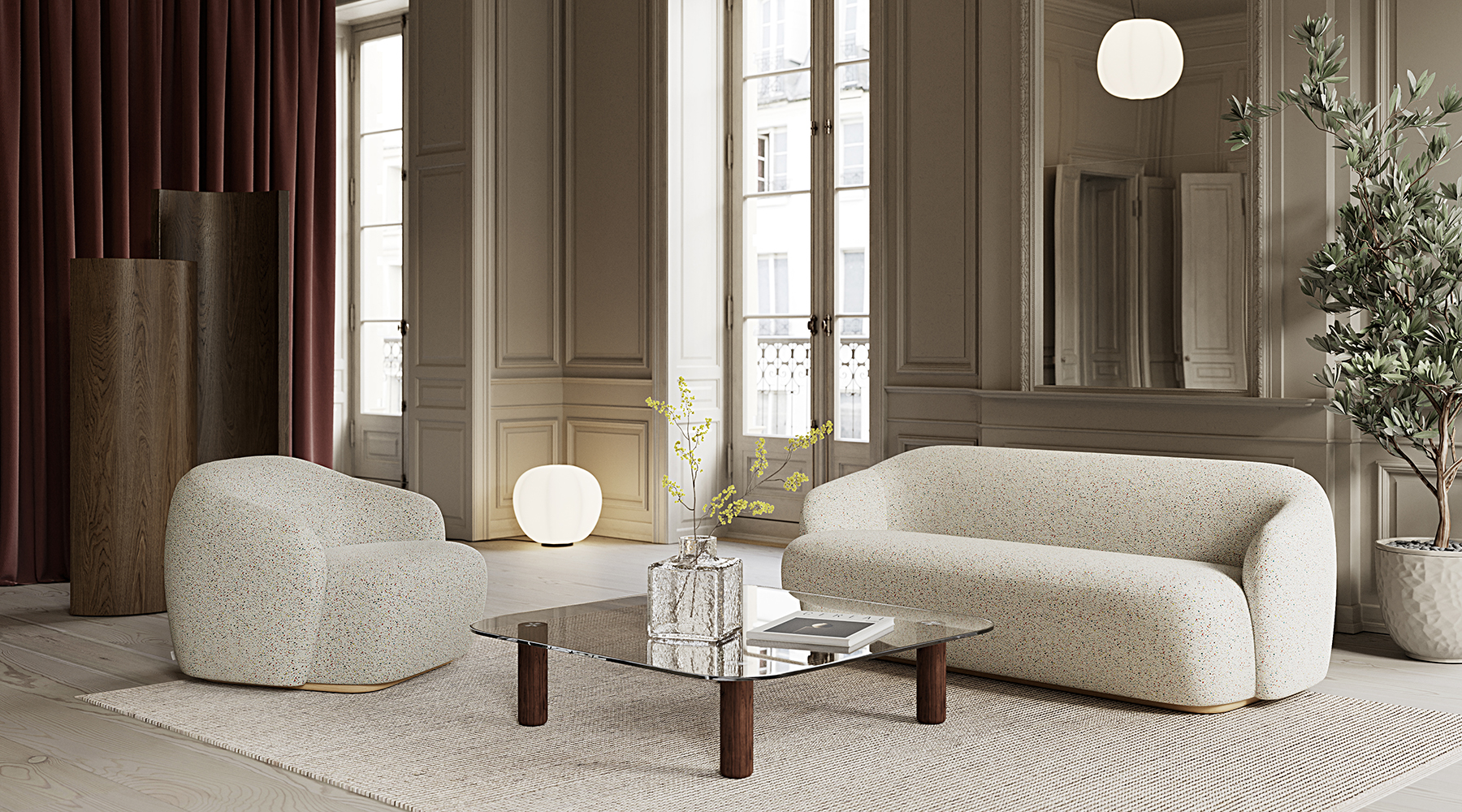
The Era of Straight Lines Is Over
Take a moment and picture the dining chairs in your home. Are they slim, angular, and made of wood or metal? If so, you're witnessing firsthand one of the most intriguing shifts happening in interior design right now. Across the industry, designers and homeowners are swapping out traditional dining chairs first—and there's a compelling reason why.
The rigid, space-saving dining chair that once defined efficiency is being replaced by something softer, curvier, and far more comfortable. Welcome to the age of the lounge-style dining chair, the defining furniture trend of 2026.
What Is Visual Tactility? The Core of 2026's Furniture Movement
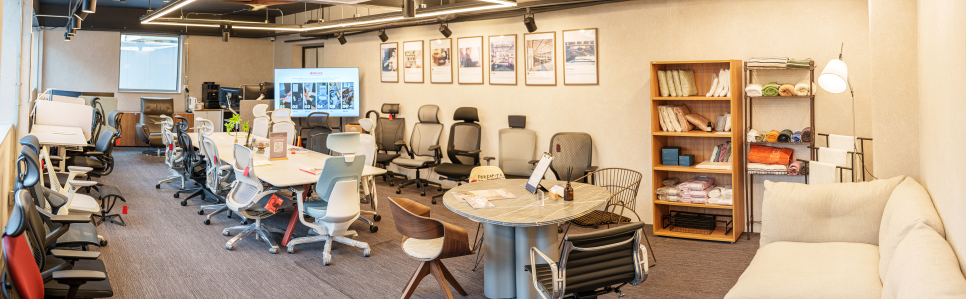
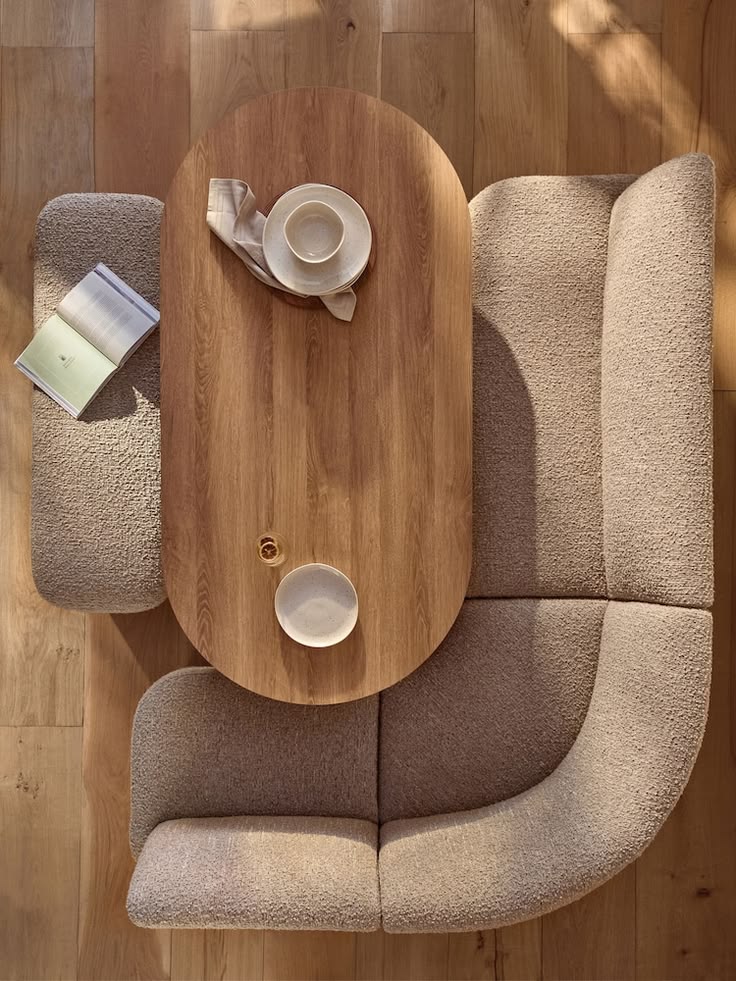
The centerpiece of 2026's furniture and interior design trends is a concept called Visual Tactility—the idea that you can feel softness and comfort just by looking at a piece of furniture. This trend is characterized by exaggerated volume, plush upholstery, and organic, flowing curves with no sharp edges in sight.
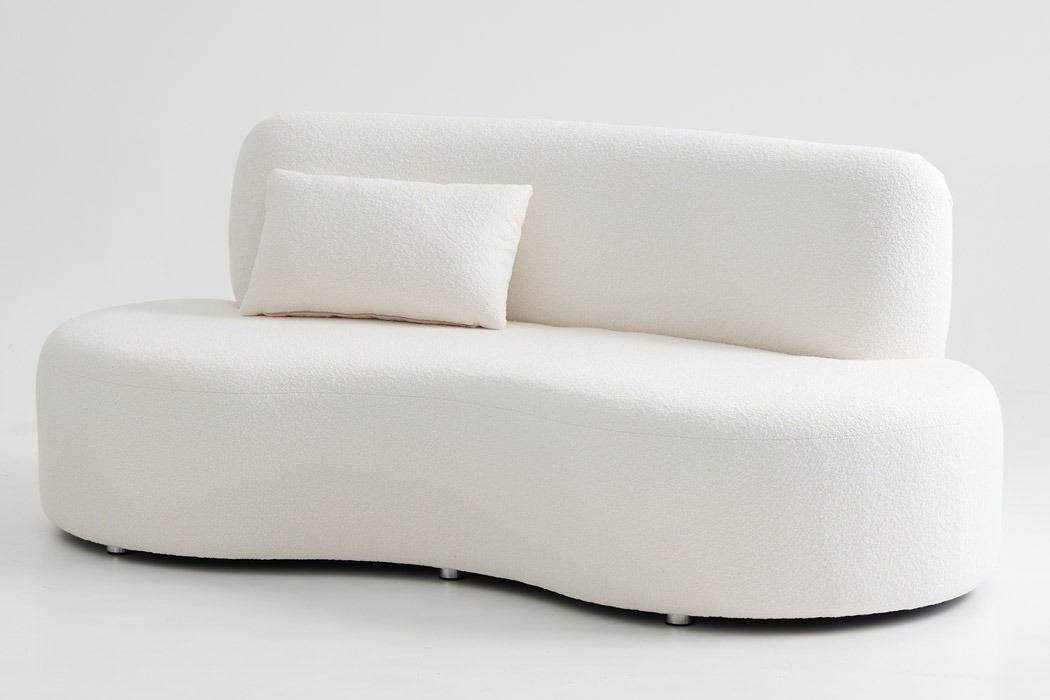
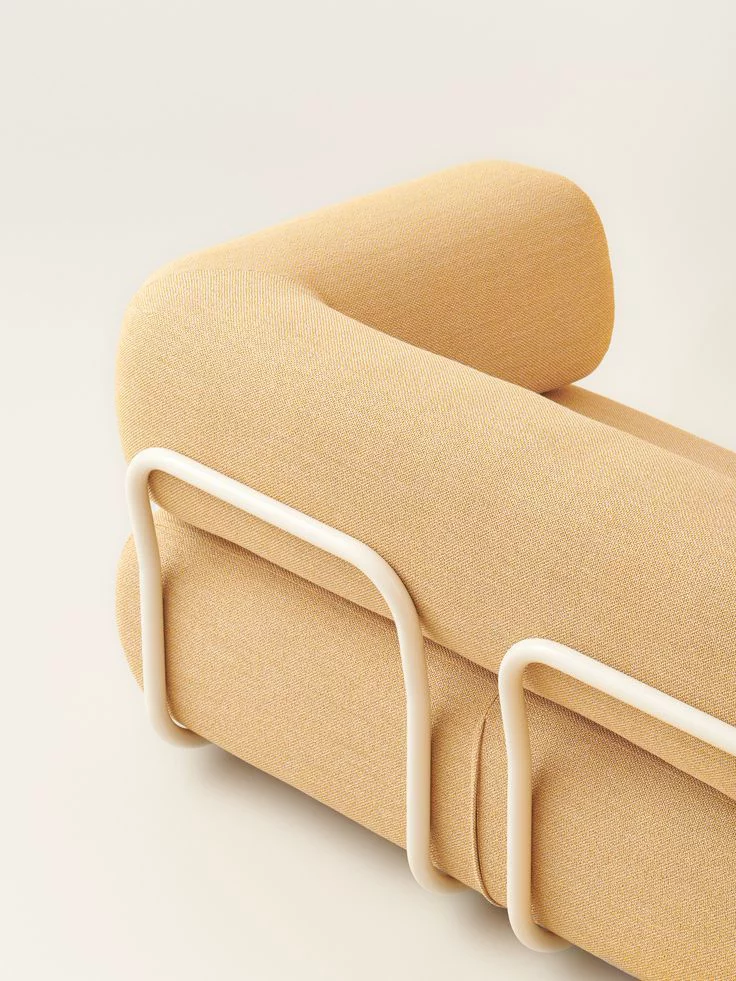
Leading global design publications have declared that "the age of sharp corners is over." Rounded sofas, chairs, and tables evoke softness and ease, reflecting a cultural shift toward balanced, emotionally centered living. Tubular furniture—pieces built with rounded, tube-like frames—emerged in 2025 and has firmly established itself as a mainstream design language in 2026.
Key Elements of Visual Tactility and Tubular Design
Visual Tactility: Fabrics like velvet, bouclé, and thick upholstery that communicate softness at first glance.
Tubular Silhouettes: Chairs and sofas with circular cross-section frames, devoid of straight lines and sharp angles.
Home Lounge Concept: Dining rooms evolving into café-like, office-friendly, and living room-style lounges—blurring traditional spatial boundaries.
Layered Textures: Mixing soft and hard materials (fabric with wood, leather with metal) to create depth and visual interest.
Why Dining Chairs? The Room Where the Trend Hit First
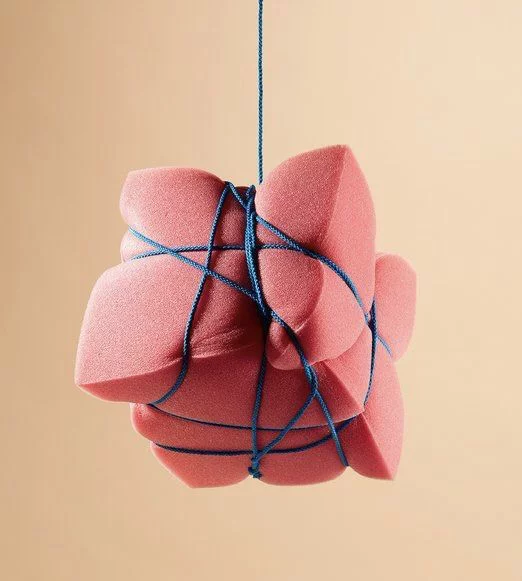
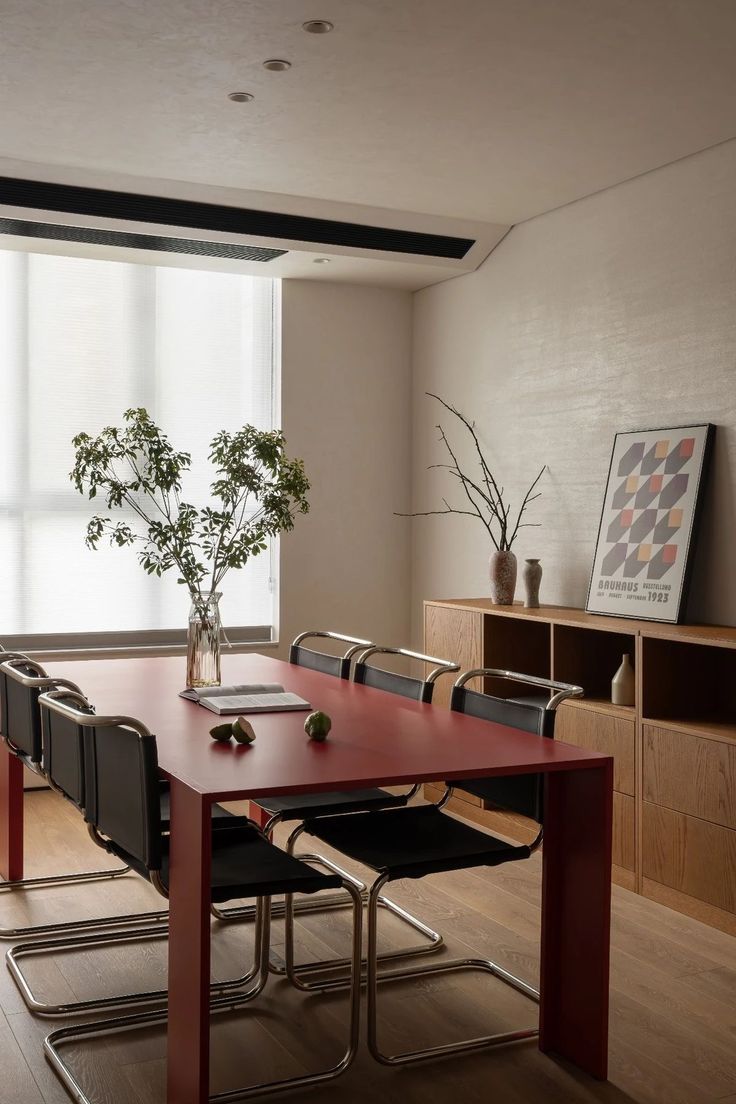
Of all the rooms in the home, the dining room has become the epicenter of this transformation. Historically, dining chairs were designed for short, functional use—meals lasted 15 to 30 minutes, and then you moved on. Chairs were thin, lightweight, and unobtrusive, prioritized for ease of storage rather than comfort.
But the way we live has changed. Remote work, extended time at home, and the multi-functional use of dining spaces have redefined the dining table as a hub. It's now a home office, a café corner, a reading nook, and a space to entertain—often for hours at a time. As a result, the dining chair has had to evolve.
Then vs. Now: The Dining Chair Transformation
Traditional Dining Chair | Lounge-Style Dining Chair (2026) |
|---|---|
Function-focused, efficiency-driven | Comfort on par with lounge seating |
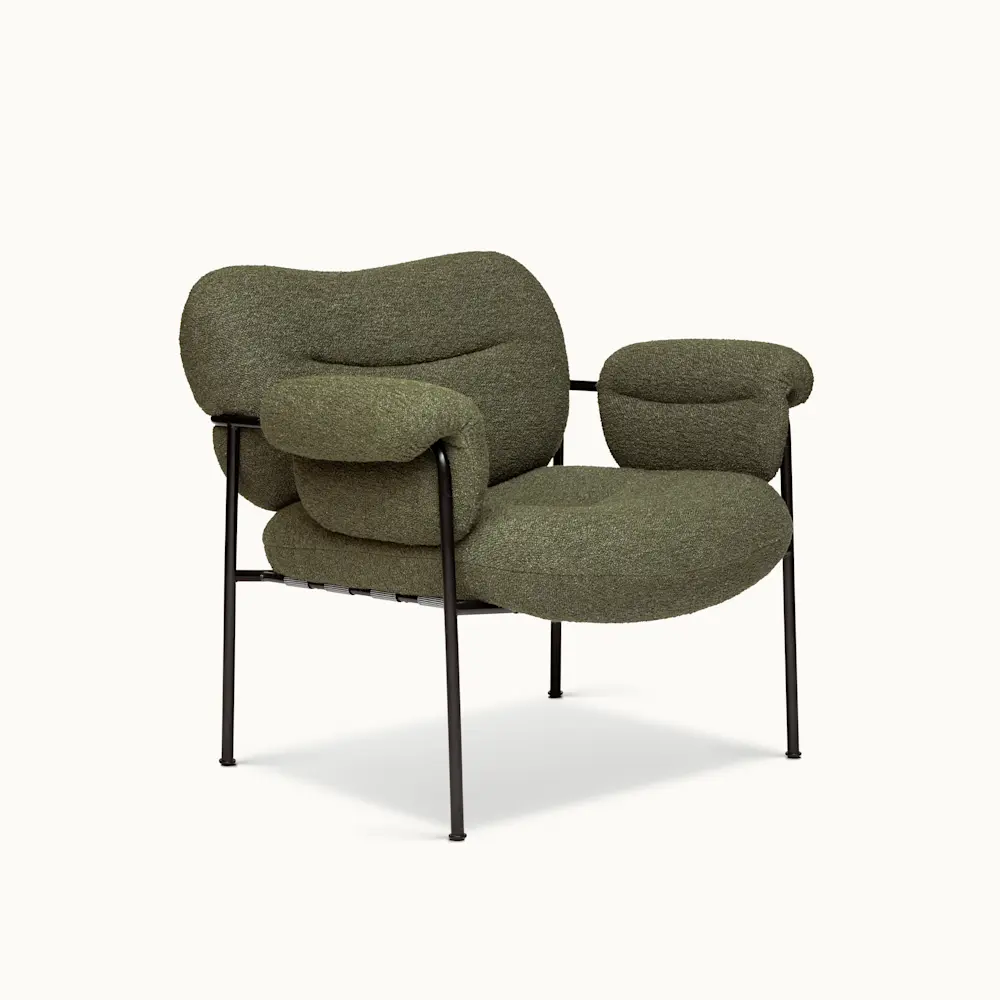
Slim metal or wood frame | Thick padding, curved armrests |
Straight, angular design | Tubular, voluminous silhouette |
Quick sit-and-go use | Designed for 2–3 hour sessions |
Invisible in the interior | Statement piece and focal point |
Used 15–30 minutes per meal | Serves as workspace, café, lounge |
Global Brands Leading the Lounge Dining Chair Movement
This trend is being driven primarily by high-end Scandinavian and Italian furniture makers, who are pioneering the marriage of sofa-level comfort with dining chair functionality.
Brand | Origin | Design Signature |
|---|---|---|
Fogia | Sweden | Nordic sensibility with lounge volume; thick upholstery and organic curves |
Miniforms | Italy | Pop-art colors meet tubular forms; artistic presence in the dining room |
HEM | Sweden | Functionality meets playfulness; effortless chic with retro undertones |
New Works | Denmark | Lounge chair-level comfort adapted for dining tables |
Norr11 | Denmark | Scandinavian craftsmanship with voluminous padding and modern lounge mood |
5 Practical Ways to Bring Lounge-Style Dining Chairs Into Your Home
You don't need a luxury budget to tap into this trend. Here are five actionable strategies to make your dining area more lounge-like, comfortable, and on-trend.
1. Choose Chairs With Armrests
Armrests dramatically reduce fatigue during long sitting sessions. Adding armrests to a dining chair instantly elevates it toward lounge territory. Just be sure to check that the armrest height (typically 65–70 cm) fits comfortably under your table.
2. Look for Thick Seat Padding and Cushioned Backrests
Visual Tactility depends on plushness you can see. Opt for velvet, bouclé, or other soft, textured fabrics. Seat cushion thickness should be at least 8 cm for genuine comfort during extended use.
3. Select Curved, Wrap-Around Backrests
Choose chairs with shell-style or barrel-style backrests that hug your back and sides. Barrel chairs, in particular, deliver the strongest lounge vibe when placed at a dining table.
4. Mix and Match: Replace Just Two Chairs
If budget is a concern, don't replace all four (or six) chairs. Swap out the two seats where you spend the most time with lounge-style versions, and keep the rest minimal. The intentional contrast actually looks more sophisticated and curated.
5. Use Color as a Focal Point
2026 trend colors lean toward warm, earthy tones—terracotta, burgundy, olive green—paired with bold accent hues. Using a statement color on your dining chairs can completely transform the mood and energy of the room.
Material Guide: Care Tips and How to Choose
Lounge-style dining chairs are beautiful, but their upholstered surfaces require thoughtful care. Here's what you need to know about the most popular materials.
Velvet Fabric
The gold standard for Visual Tactility. Avoid water-based cleaning—dry cleaning is recommended. Velvet can fade in direct sunlight, so look for slipcover models that can be removed and cleaned separately.
Bouclé
A signature 2026 material. The looped texture can snag, so avoid sharp objects and pets with claws. Clean gently with a soft brush or low-suction vacuum.
Vegan Leather
A practical middle ground between style and maintenance. Wipe spills immediately with a damp cloth and mild detergent. Easier to maintain than fabric, making it ideal for families with children.
Natural Rattan or Wicker
Aligns with biophilic design trends. Sensitive to humidity and direct sun. Add cushions to achieve lounge-level comfort—a budget-friendly way to embrace the trend.
Why This Trend Matters Now
As cold minimalism fades and we embrace warmer, more emotionally resonant interiors, the lounge-style dining chair represents more than a design shift—it reflects how we want to live. We're spending more time at home, and we want that time to feel nourishing, not merely functional.
If you're looking to elevate your space and the quality of your daily life, start small. Skip the expensive sofa upgrade and begin with your dining chairs. The result may surprise you: not just a more beautiful room, but a more comfortable, intentional way of living.
The dining chair revolution is here—and it's softer, curvier, and infinitely more inviting than anything that came before.
===END===
Furniblog may earn a commission from links in this post, at no extra cost to you. See our affiliate disclosure.