The Evolution of Ergonomic Office Chairs: From Darwin's Wheels to Dynamic Seating
How the office chair transformed from simple furniture into ergonomic technology
By the Furniblog Editorial Team·July 13, 2026·6 min read
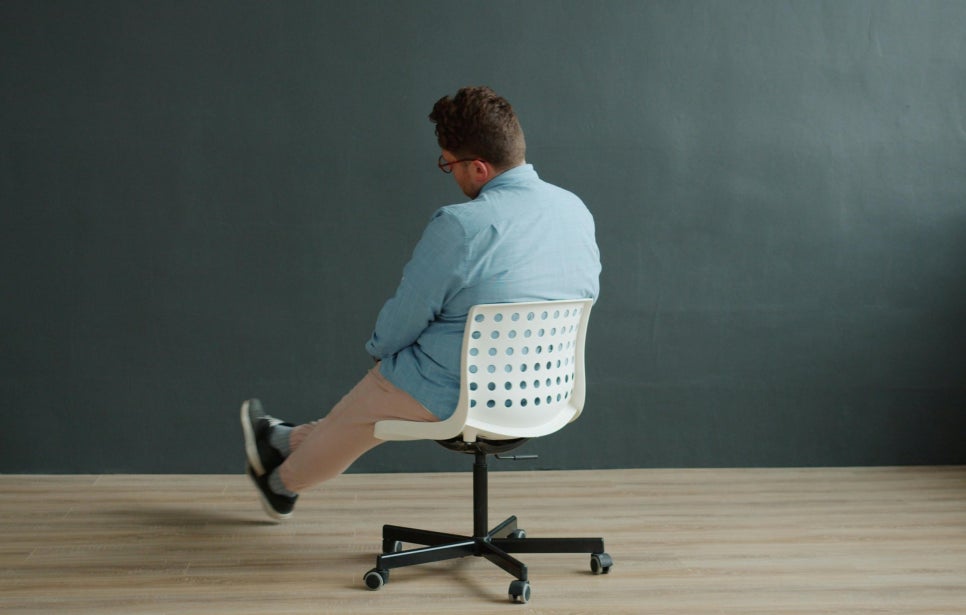
We spend an average of eight hours a day in our office chairs—nearly as much time as we spend in bed. For modern professionals, the chair has become an indispensable tool, yet few of us stop to wonder: when did chairs start rolling, reclining, and adapting to our bodies?
Today's ergonomic office chair is far more than furniture. It's the product of centuries of innovation aimed at protecting our spines and boosting our productivity. Let's take a journey through the fascinating history of functional seating.
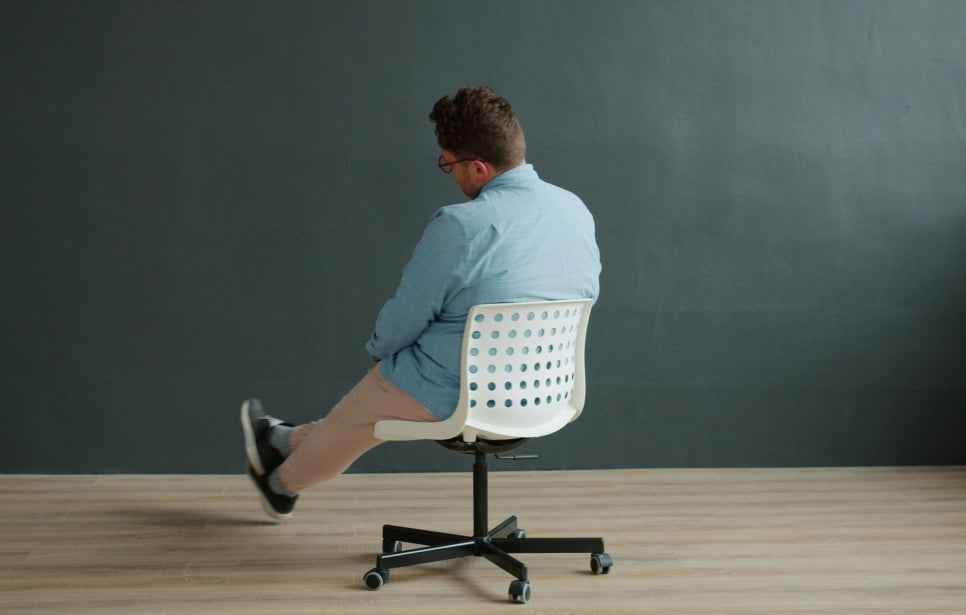
The Surprising Origins of the Wheeled Chair (1800s)
Wheels—now a defining feature of any office chair—were surprisingly first added not by a furniture maker, but by Charles Darwin, the father of evolutionary theory.
Working in his study surrounded by research specimens, Darwin needed to move quickly between observation points. His solution? He attached wheels to his wooden chair legs. This wasn't about comfort; it was pure efficiency—perhaps the first ergonomic "hack" in history.
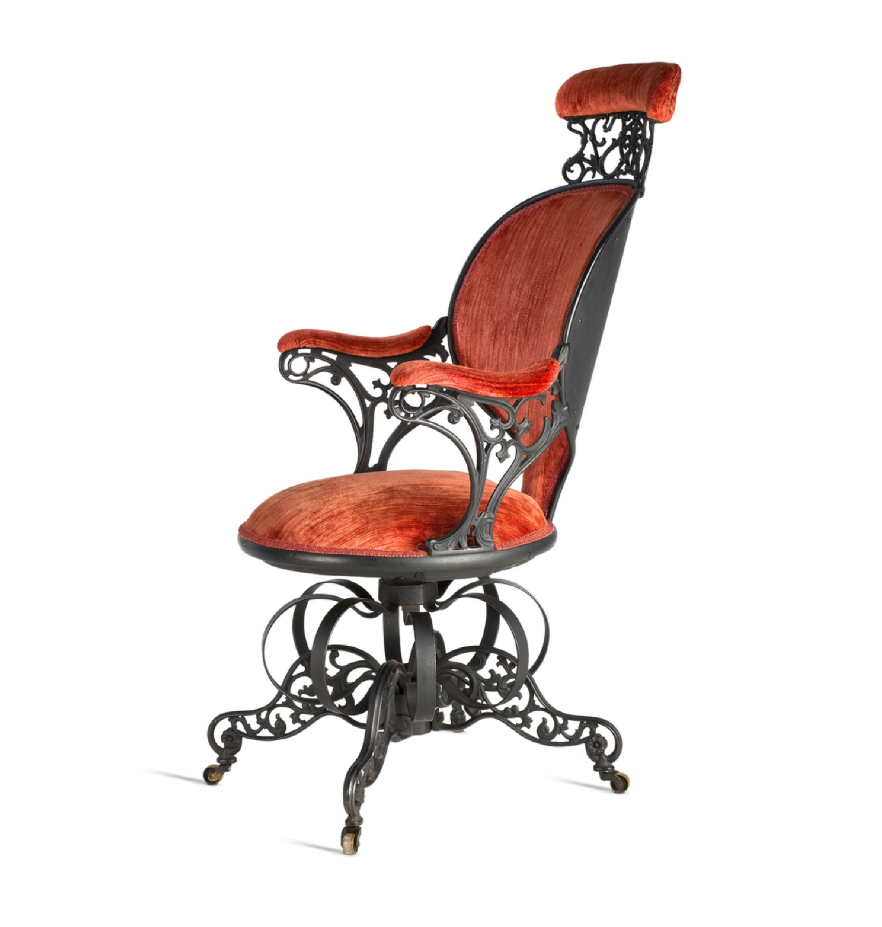
As the Industrial Revolution took hold and office workers proliferated, chair design began to evolve rapidly. In 1849, the Centripetal Spring Armchair emerged as one of the first purpose-built office chairs.
The Centripetal Spring Armchair: An Engineering Marvel
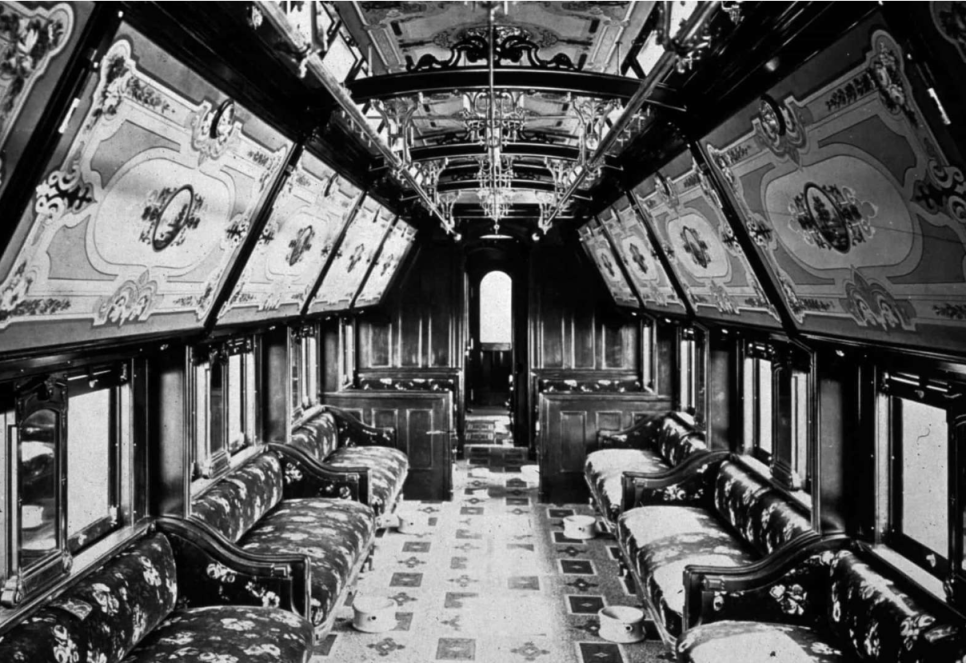
Designed by Thomas E. Warren and manufactured by the American Chair Company, this ornate chair featured a cast-iron frame upholstered in velvet with Rococo Revival styling. But beneath its decorative exterior lay genuine innovation.
The chair incorporated eight compressed C-shaped flat steel springs—borrowed directly from railroad seating technology—that allowed the seat to move fluidly in all directions, absorbing shock and distributing weight. It could rotate 360 degrees and tilt around a central pin, introducing features we now take for granted a full 150 years ahead of their time.
Showcased at London's Crystal Palace Exhibition in 1851, the Centripetal represented an early fusion of industrial-age engineering with furniture design—what was then called "Patent Furniture."
The Birth of Ergonomics as a Design Principle (1970s)
By the 1970s, a growing awareness emerged: sitting for extended periods was taking a serious toll on workers' bodies. The term "ergonomics"—the science of designing products to fit human physiology—began to shape chair design in earnest.
The Vertebra Chair: Mimicking the Spine
In 1976, designers Emilio Ambasz and Giancarlo Piretti introduced the Vertebra Chair, named after the Latin word for spine. This landmark design featured a revolutionary automatic tilting mechanism that responded to the sitter's movements, allowing the backrest and seat to recline up to 130 degrees.
Rather than requiring manual adjustments, the Vertebra moved with the user, supporting the back and abdominal muscles while promoting spinal health. The chair's innovation earned it an Industrial Design Excellence Award from IDSA in 1977, and permanent places in the collections of both MoMA and the Metropolitan Museum of Art.
The Vertebra's active-tilt mechanism would become the foundation for virtually every high-end ergonomic chair that followed, including designs from Herman Miller and others.

Breaking Convention: The Herman Miller Aeron (1990s)
In 1994, the office chair world experienced a seismic shift with the introduction of the Herman Miller Aeron.
Traditional office chairs relied on thick foam padding and plush upholstery. The Aeron boldly abandoned this approach, replacing it with a tensioned mesh material called Pellicle that maximized breathability while distributing body weight evenly across its surface.
Initial reactions were mixed—some observers questioned whether this skeletal, mechanical-looking object could even be called a chair. But during the dot-com boom, Silicon Valley CEOs and developers pulling all-nighters discovered the Aeron's advantages. It quickly became synonymous with success, earning the nickname "the chair of powerful people."
The Aeron proved that advanced materials and visible engineering could deliver superior comfort without traditional cushioning—a philosophy that continues to influence chair design today.
The Age of Dynamic Sitting (2000s–Present)
The smartphone and tablet era fundamentally changed how we work. No longer do we sit in a single "correct" posture—we lean, twist, crane our necks forward, and shift constantly between devices and tasks.
Contemporary ergonomic chairs have evolved to accommodate this new reality, embracing the concept of dynamic sitting rather than enforcing rigid postures.
Knoll Generation: Freedom of Movement
The Generation by Knoll challenged the assumption that there's only one proper way to sit. Constructed with flexible elastomer materials, the Generation accommodates unconventional postures—leaning sideways, even turning the chair around and draping your arms over the backrest. It recognizes that movement and postural variety are healthier than static "correct" sitting.
Steelcase Gesture: Designed for Device Users
The Steelcase Gesture was engineered around research into nine common postures adopted by modern workers—texting, leaning back with a tablet, hunching forward over a laptop. Its synchronized armrests and backrest adjust to maintain support regardless of how you position yourself, making it particularly suited to multi-device workflows.
Humanscale Freedom: Intuitive Simplicity
Designed by legendary industrial designer Niels Diffrient, the Humanscale Freedom was born from a radical philosophy: "Having to read an instruction manual to operate a chair is nonsense."

Diffrient eliminated complex tension levers and adjustment controls, replacing them with a weight-sensitive mechanism that automatically calibrates recline resistance to each user's body. Sit down, and the chair simply works—no manual required.
Herman Miller Embody: Medical-Grade Design
The Herman Miller Embody (and its gaming variant, the Embody Gaming Chair) was developed with input from physicians, biomechanics experts, and physical therapists. Its distinctive spine-inspired backrest features pixelated support zones that micro-adjust to your body's pressure points, significantly reducing fatigue during marathon work or gaming sessions.
Okamura Contessa: Designer Meets Function
The Okamura Contessa II was styled by Giorgetto Giugiaro, the automotive designer behind the DeLorean (of Back to the Future fame), the first-generation Volkswagen Golf, and Korea's Hyundai Pony.
Beyond its striking aesthetics, the Contessa introduced "Smart Operation" technology—intuitive controls built into the armrests that let you adjust seat height and tilt with fingertip pressure, eliminating the need to reach beneath the seat.
Kokuyo Ing: The Chair That Moves With You
The Kokuyo Ing takes dynamic sitting to its logical extreme: the seat itself glides 360 degrees, encouraging subtle pelvic and core muscle engagement even while seated. This "active sitting" approach keeps muscles gently activated, countering the stiffness that comes from static postures.
Finding Your Chair in This Rich History
Over hundreds of years, designers and engineers have pursued the ultimate in seated comfort, developing breakthrough technologies and materials along the way. Yet despite this remarkable history, there is no single "perfect chair for everyone."
Body types vary. Work habits differ. Desk setups are unique. The Aeron might be a design icon, but the Contessa might suit your body better. The Gesture's flexibility may appeal to some, while others prefer the firm, enveloping support of the Embody.
The most reliable way to choose is the most direct: sit in these historically significant chairs yourself. Feel how centuries of innovation respond to your spine, your weight distribution, your movements.
Whether you're drawn to the mesh breathability pioneered by the Aeron, the intuitive adjustments of the Freedom, the postural variety enabled by the Generation, or the active engagement of the Ing, understanding this evolution helps you make an informed choice.
These aren't just chairs—they're the accumulated wisdom of designers, doctors, and engineers who've spent lifetimes studying how we sit, work, and thrive. Your perfect chair exists somewhere in this lineage; it's simply a matter of discovering which innovation resonates with your body.
Furniblog may earn a commission from links in this post, at no extra cost to you. See our affiliate disclosure.