The Kokuyo Ing Chair: Why This "Diet Chair" Has Our Office Fighting Over Lunch Breaks
We tested the viral 360-degree gliding chair—here's what we found
By the Furniblog Editorial Team·July 9, 2026·5 min read
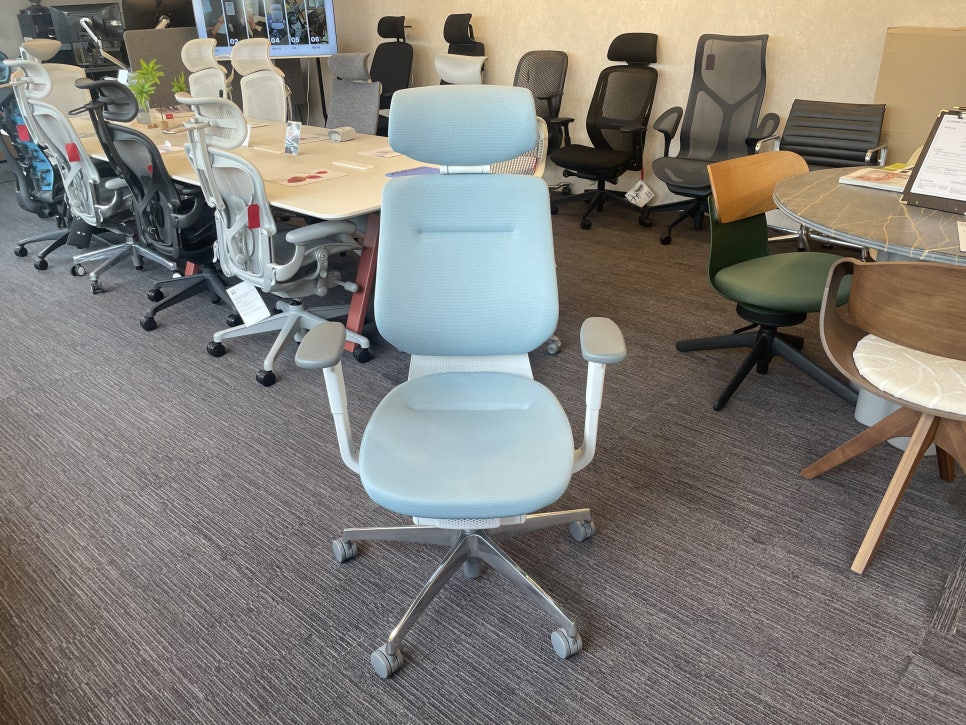
The Daily 12:50 Lunchtime Chair Battle
There's an unusual ritual in our office. Every day after lunch, around 12:50, staff members begin eyeing each other. One by one, they casually drift toward a single chair: the Kokuyo Ing. It's first-come, first-served, and the competition got so fierce we instituted a formal rule: 10-minute turns, enforced by timer.
Why all the fuss over one chair?
"When I sit in this chair after eating, I feel like my digestion improves," is the most common explanation we hear.
While we can't make medical claims, the subjective experience has been consistent enough that we thought it worth exploring: what is it about the Kokuyo Ing series that's sparked this kind of devotion—and earned it a reputation as Japan's "diet chair"?
From Notebook Covers to Innovative Seating: Kokuyo's 120-Year Journey
To understand why the Ing chair is special, you need to know a bit about Kokuyo itself.
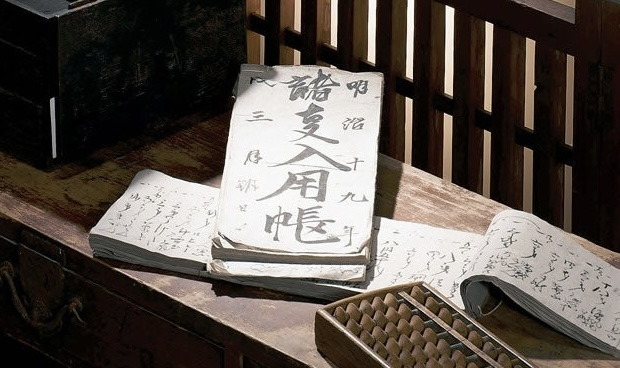
Founded in 1905 in Osaka, Japan, Kokuyo began as the Kuroda Cover Shop—a small business started by 26-year-old entrepreneur Kuroda Zentaro. The shop didn't make chairs or furniture; it made covers for accounting ledgers.
Ledger covers represented only about 5% of a ledger's total cost—a low-margin product. But Kuroda held fast to a founding principle: "If you help people, you will be recognized." He focused obsessively on quality, eventually expanding from covers to complete ledgers, then to stationery, and finally to office furniture.
In 1917, the company adopted the name "Kokuyo" (国譽), meaning "pride of the nation," drawn from Kuroda's home region of Toyama. It was a statement of aspiration: to become a source of pride for his hometown.
Over a century later, Kokuyo has maintained a culture of experimentation summed up in an internal motto: "Fail before the customer does." That spirit of relentless testing and iteration is what gave birth to the Ing series.
Why the Ing Was Called the "Diet Chair"
The Kokuyo Ing launched in 2017 with a radical design feature: a seat that glides in 360 degrees. As you shift your weight—forward, back, left, right—the seat moves fluidly with you, a mechanism Kokuyo calls "360-degree gliding."
When Kokuyo introduced the chair, it published results from internal testing that included some eye-catching numbers:
1.5 km equivalent activity: Sitting for 4 hours in the Ing was measured to produce activity levels comparable to walking 1.5 kilometers
Increased shoulder muscle engagement: 8 out of 10 test subjects showed higher shoulder muscle activation compared to a standard chair
Brain wave changes: EEG measurements indicated simultaneous increases in both relaxation (alpha waves) and concentration (beta waves)
These figures circulated widely online in Japan, and the Ing quickly earned the nickname "the diet chair."
Important context: These results come from Kokuyo's own internal experiments, not peer-reviewed medical studies. Sitting in a chair alone won't burn fat or replace exercise. What the design does offer is a philosophy of dynamic sitting—keeping your body gently active and engaged rather than locked in place, which may help reduce fatigue and postural strain over long periods.
The Award-Winning Successor: Ing Cloud
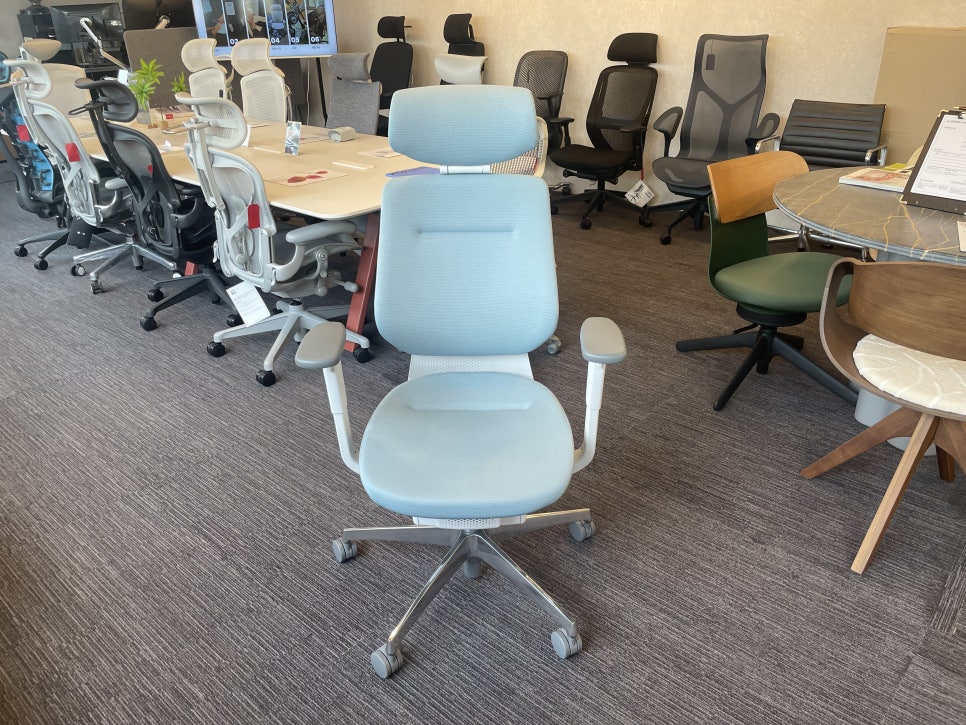
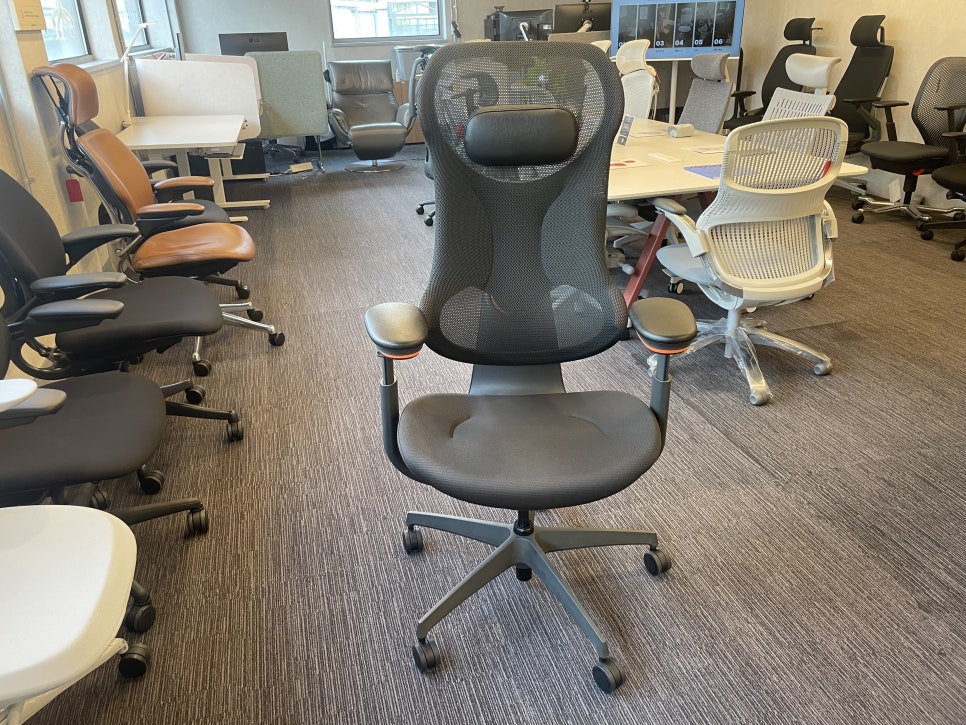
As much as our team loves the original Ing, the chair currently sparking the most interest around the office is its successor: the Kokuyo Ing Cloud.
Released in Japan in December 2025, the Ing Cloud is the third model in the Ing family, following the original 2017 Ing and the 2022 Ing Life. And it's already racking up accolades.
In 2026, the Ing Cloud won the Red Dot Design Award in the Office Furniture & Office Chair category—and went further, earning Best of the Best in the Innovative Design category with a score of 96 out of 100. It's the second time an Ing model has received Red Dot's top honor, following the original chair's win in 2018.
Triple Gliding and 3D Ultra Autofit
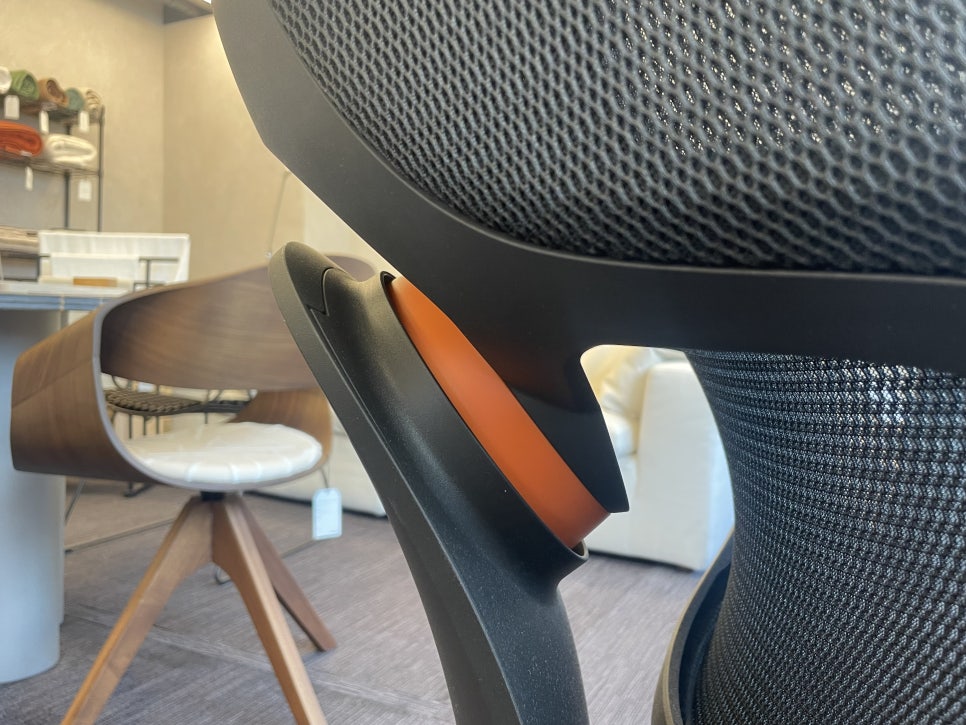
The standout feature of the Ing Cloud is what Kokuyo calls "triple gliding." The chair incorporates three independent points of movement:
The seat base (360-degree glide, as in the original)
The backrest
The armrests
This triple-axis motion is paired with a frameless, three-dimensionally curved mesh back that Kokuyo describes as a "3D hammock mesh." Together, these elements form what the company calls the "3D Ultra Autofit" structure.
The idea: use gravity and body weight to distribute pressure dynamically across the chair, so it adapts to you no matter how you sit. According to Kokuyo, the Ing Cloud took eight years to develop—a timeline that helps explain why our staff treat each turn in the chair like a minor victory.
The Truth Behind "Better Digestion"
So what about that recurring comment from our team—that sitting in the Ing after lunch feels like it aids digestion?
While we haven't conducted any gastroenterological studies in-house, the anecdotal consistency is notable. It's likely tied to the core premise of the Ing series: allowing natural movement rather than rigid fixation.
After a meal, your body doesn't want to be clamped into a static 90-degree posture. A chair that lets you rock gently, shift your pelvis, and adjust your torso intuitively is simply going to feel more comfortable. Whether that translates to measurable digestive benefit is an open question—but the subjective experience is real.
Try It for Yourself
Both the Kokuyo Ing and the Kokuyo Ing Cloud are available to test in person at select showrooms. If you've only seen photos or read descriptions, you're missing the full picture. Feeling the seat respond in real time to your body's micro-movements is a completely different experience.
And if you visit right after lunch? You might just catch our team mid-rotation, timer in hand, negotiating who gets the next 10-minute slot.
Disclaimer: The activity and biometric data referenced in this article are based on Kokuyo's internal testing (published November 6, 2017) and official press materials related to the 2026 Red Dot Design Award. References to "diet" effects reflect the chair's viral reputation and should not be interpreted as medical or weight-loss claims.
Furniblog may earn a commission from links in this post, at no extra cost to you. See our affiliate disclosure.