The Real Cause of Lower Back Pain and How to Sit Properly in Your Chair
Expert insights from Harvard and Johns Hopkins on posture and spinal health
By the Furniblog Editorial Team·July 14, 2026·3 min read
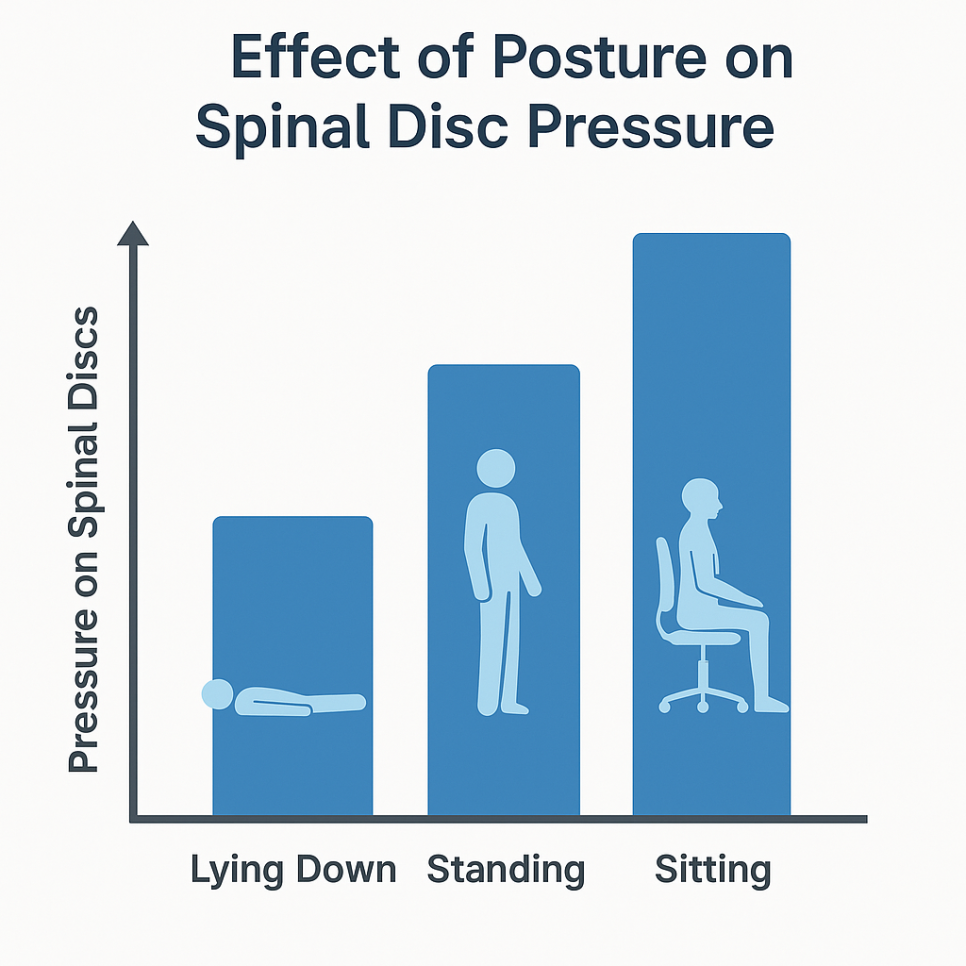
Modern workers spend countless hours seated at their desks, and many suffer from chronic lower back pain as a result. What begins as mild discomfort can escalate into a condition that disrupts daily life. But what actually causes this pain, and how can we reduce it?
Today, we're drawing on research and advice from experts at leading institutions including Harvard Medical School and Johns Hopkins to explore the root causes of back pain and the proper way to use your office chair.
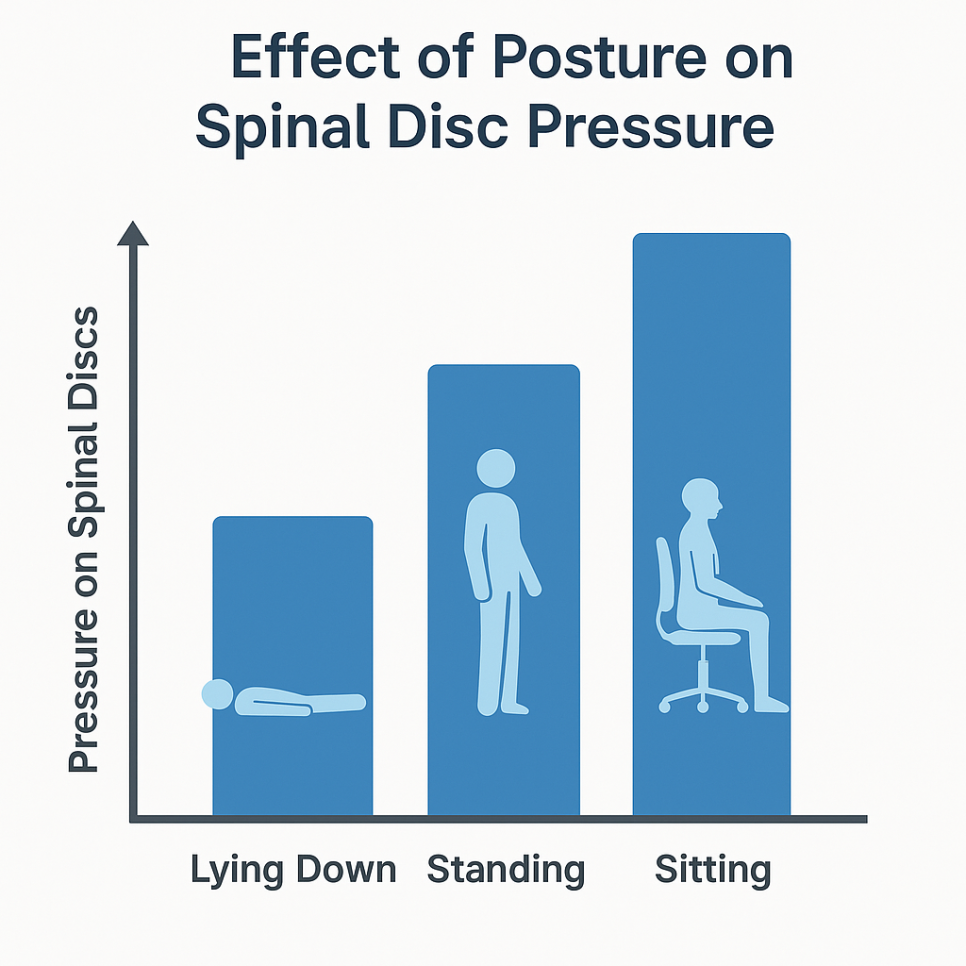
The Real Culprit: Prolonged Poor Posture
Back pain isn't only caused by lifting heavy objects or sudden impacts. In many cases, it develops slowly over time as the result of sustained poor posture that places undue stress on the spine.
Muscle Imbalance
When you slouch forward in your chair, your abdominal muscles weaken while your back muscles become overly tense. This imbalance undermines the structural support your spine needs, leading to pain.
Spinal Compression
Sitting hunched forward without using your backrest dramatically increases the pressure on your spine—especially on the intervertebral discs. This added stress is a major contributor to worsening pain.
Dr. Robert M. Gatlin, a spine surgeon at Massachusetts General Hospital, a Harvard Medical School affiliate, explains the connection between posture and pain:
"A lack of proper support when sitting for long periods, especially with poor posture, puts significant stress on the spine. It is a major contributing factor to chronic back pain."

Expert-Backed Tips for Proper Sitting Posture
So how should you sit to minimize back pain? Here are the core principles that experts consistently emphasize.
Keep Your Back Straight and Shoulders Relaxed
Physical therapy specialists at Johns Hopkins Hospital identify upright posture with shoulders back as the foundation of healthy sitting.
"The first rule of proper sitting posture is to keep your back straight and your shoulders back, avoiding a slouch. Use the backrest to support your natural spinal curve."
This means actively engaging your chair's lumbar support and allowing the backrest to maintain the natural S-curve of your spine.
Feet Flat on the Floor, Knees Level with Hips
Experts at Harvard Health Publishing stress that correct lower body positioning is essential for preventing back pain.
"Ensure that your feet are flat on the floor and your knees are at or slightly below the level of your hips. This position helps to maintain a stable pelvis and reduces pressure on the lower back."
If your feet don't comfortably reach the floor, consider using a footrest to achieve the proper alignment.
Monitor and Arm Positioning
The height and placement of your desk setup also play a critical role in reducing strain on your neck, shoulders, and lower back.
Monitor height: Position the top of your screen at or slightly below eye level to avoid tilting your head up or down.
Arm angle: Adjust your armrests so that your elbows form a 90-degree angle when typing or using a mouse. Armrests that are too high or too low create unnecessary tension in your shoulders.
Building Habits That Protect Your Back
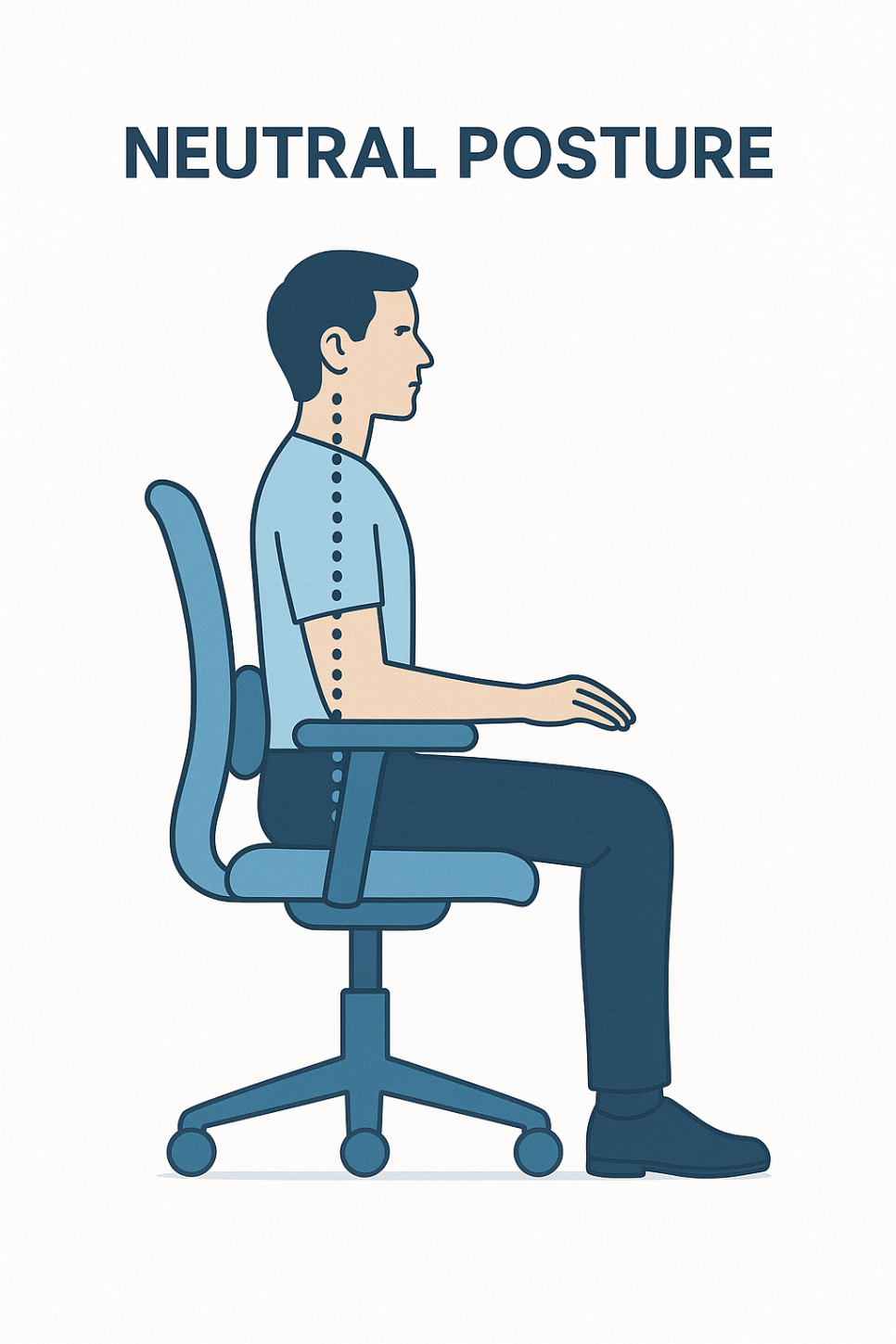
Lower back pain is most often the result of prolonged poor posture. To safeguard your spinal health, follow these key principles every time you sit:
Sit upright and use your backrest to support the natural curve of your lumbar spine.
Place your feet flat on the floor with your knees at hip level or slightly lower.
Maintain a 90-degree elbow angle and position your monitor at eye level.
Take regular breaks: Stand up and stretch every 30 to 50 minutes to release tension in stiff muscles.
Investing in Your Long-Term Health
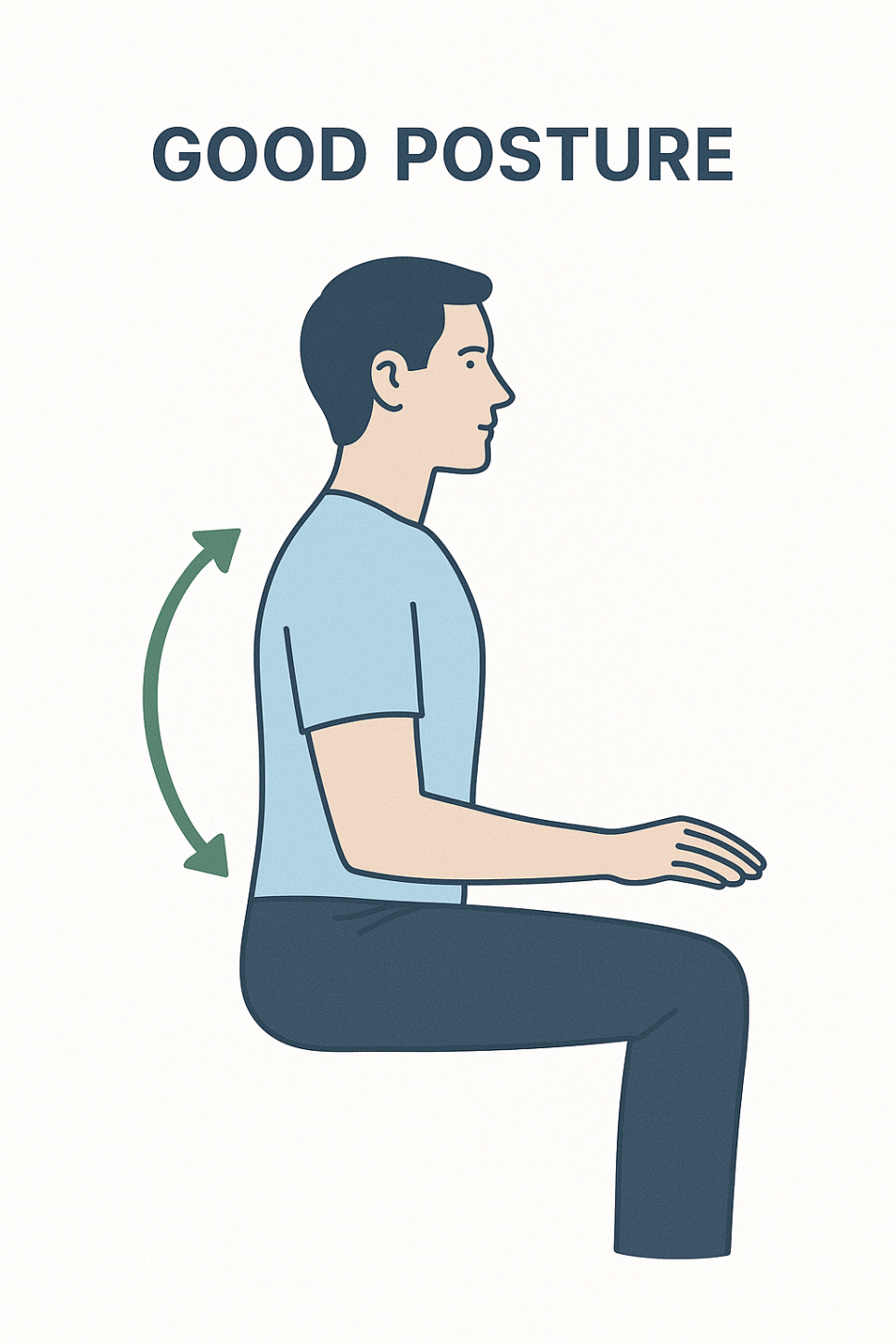
Proper sitting posture is more than just a habit—it's an investment in your long-term well-being. Use the expert guidance outlined here to assess and improve the way you sit throughout your workday.
If you're in the market for an ergonomic chair that supports healthy posture, consider models with robust lumbar support and adjustable features. Chairs like the Steelcase Gesture, Herman Miller Aeron, and Humanscale Freedom are designed to encourage proper alignment and reduce spinal stress.
Protecting your back starts with how you sit. Make the change today, and your spine will thank you for years to come.

Furniblog may earn a commission from links in this post, at no extra cost to you. See our affiliate disclosure.