The World's Leading Office Chair Brands
What research reveals about luxury ergonomic chairs and workplace productivity
By the Furniblog Editorial Team·August 3, 2026·4 min read
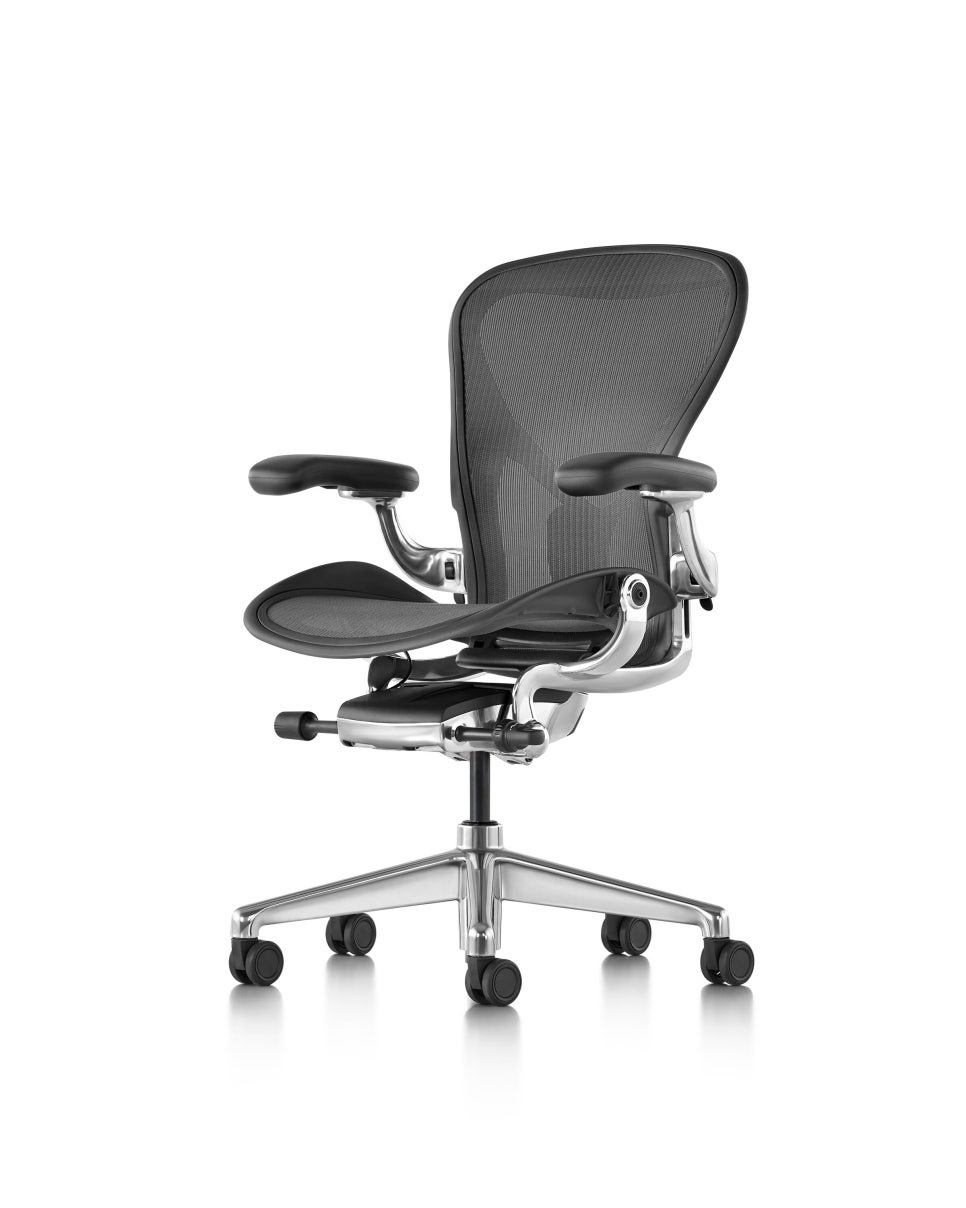
The World's Leading Office Chair Brands
When it comes to premium office seating, a handful of names consistently rise to the top: Herman Miller, Humanscale, Steelcase, Okamura, and Knoll. These aren't just furniture manufacturers—they're brands with century-long histories and deep-rooted design philosophies.
What sets these companies apart is their unwavering commitment to ergonomic innovation. Many of these brands have been refining office chair design for over 100 years, investing heavily in research, biomechanics, and materials science. When you examine their stories and design principles, it becomes clear just how seriously they take the science of sitting.
But premium branding and heritage are one thing. The real question is whether these high-end chairs deliver tangible benefits—especially when it comes to workplace productivity.
Do Premium Chairs Actually Improve Work Performance?
It's easy to dismiss luxury office chairs as overpriced status symbols. But a growing body of research suggests that well-designed ergonomic seating can have measurable effects on efficiency, focus, and output. Here's what the data reveals:
Haworth Research: 17.8% Productivity Boost
A study conducted by furniture manufacturer Haworth found that employees using ergonomically designed chairs experienced approximately 17.8% improvement in productivity. The research attributed this gain to reduced physical fatigue, which in turn enhanced concentration and task engagement. When workers aren't constantly shifting to relieve discomfort, they maintain better focus throughout the day.
Cornell University: Faster Work, Fewer Errors
Researchers at Cornell University examined the impact of proper ergonomic adjustments—including chair and desk positioning—on office workers. Their findings showed a 17.5% increase in work speed and a notable reduction in error rates. The study concluded that ergonomic seating reduces physical strain, enabling employees to work more efficiently and accurately over extended periods.
American Journal of Preventive Medicine: 15% Higher Output
According to research published in the American Journal of Preventive Medicine, employees provided with ergonomic work environments demonstrated 15% higher productivity compared to those without such support. The study emphasized that quality seating allows workers to sustain concentration for longer periods by minimizing physical discomfort and fatigue.
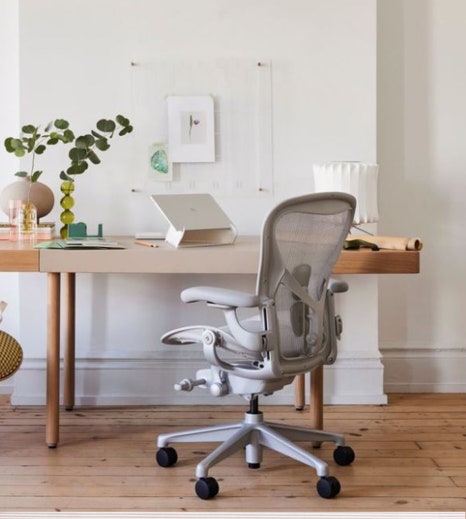
Beyond Comfort: The Real Value of Quality Seating
These studies collectively suggest that premium office chairs offer more than just plush cushioning and adjustable armrests. They're engineered to support the body in ways that reduce strain, prevent fatigue, and maintain optimal posture—all of which contribute to sustained mental focus and physical endurance during long work sessions.
The productivity gains documented in these studies—ranging from 15% to nearly 18%—are significant. For knowledge workers who spend 40+ hours per week seated, even modest improvements in comfort and support can compound into substantial performance benefits over time.
Finding the Right Chair for You
Of course, even the most acclaimed ergonomic chair won't deliver results if it doesn't fit your body properly. Premium chairs typically offer extensive adjustability—seat depth, lumbar support, armrest height and width, recline tension—but these features only matter if you take the time to dial them in correctly.
Before committing to a high-end chair, consider:
Your body dimensions: Height, weight, and proportions all affect how a chair will support you
Your work style: Do you recline frequently, or sit upright? Do you shift positions often?
Your workspace setup: Desk height, monitor position, and keyboard placement all interact with your seating
Trial periods: Many premium brands and retailers offer return windows—use them to test fit and comfort in your actual work environment
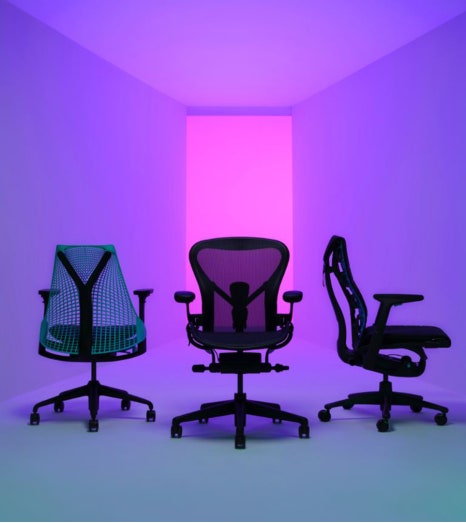
Popular models worth considering include the Herman Miller Embody, Steelcase Gesture, the Humanscale Diffrient World, and the Haworth Fern. Each approaches ergonomics differently, so what works for one person may not suit another.
The Bottom Line
Are premium office chairs worth the investment? If you spend significant time seated and the chair genuinely fits your body and work habits, the research suggests the answer is yes. The productivity gains documented across multiple studies—combined with long-term health benefits and improved comfort—can justify the higher upfront cost, especially when spread over years of daily use.
That said, brand prestige alone doesn't guarantee results. The best chair is the one that properly supports your body and integrates well with your workspace. Take the time to compare options, test adjustments, and choose thoughtfully—because even the world's finest chair is only as good as its fit.

Furniblog may earn a commission from links in this post, at no extra cost to you. See our affiliate disclosure.