Guides
Why Serial Number Authentication Matters for High-End Office Chairs
Don't risk your safety and warranty: what to check before buying a premium chair
By the Furniblog Editorial Team·July 7, 2026·6 min read
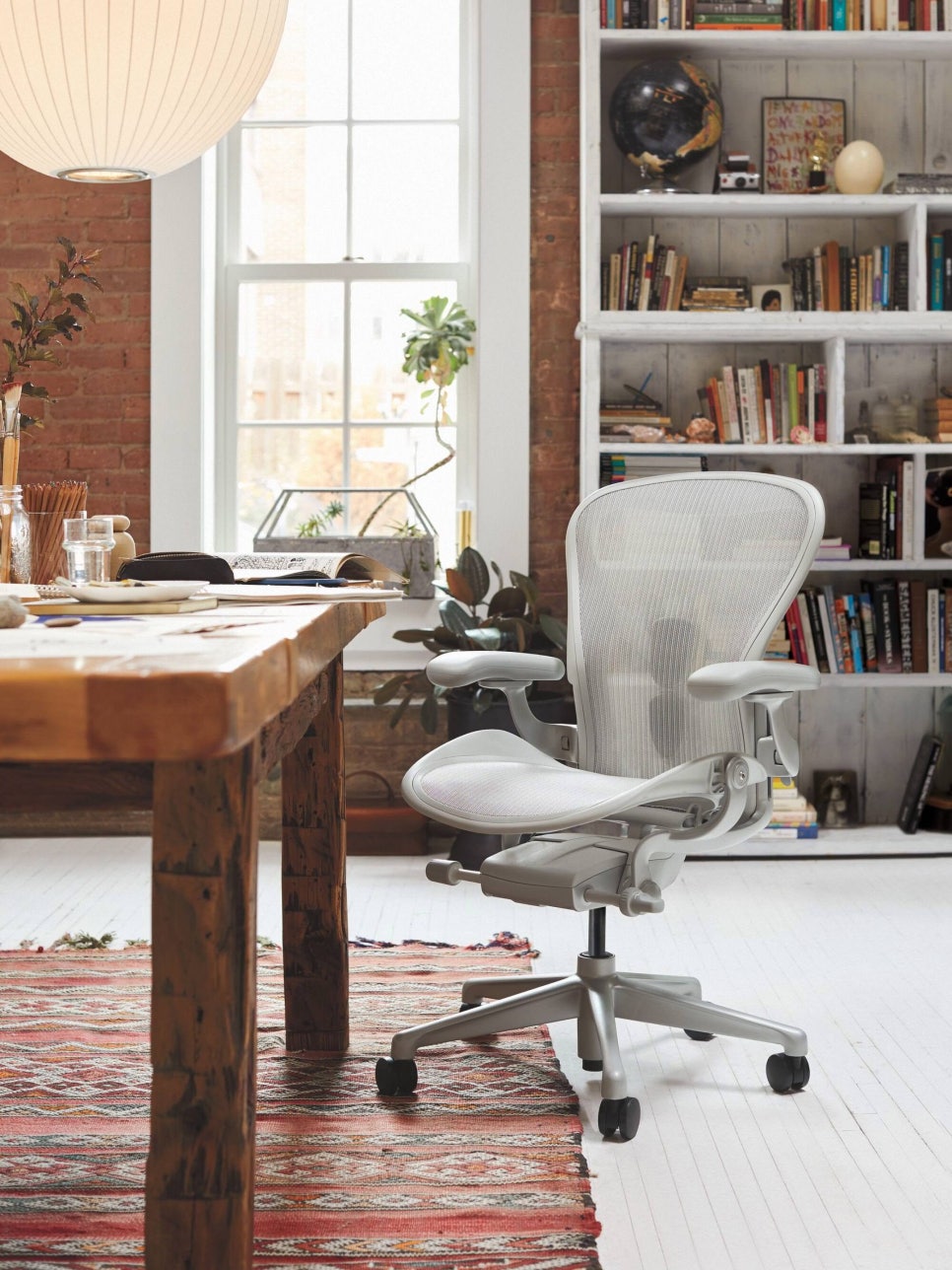
High-end ergonomic chairs are more than furniture—they're essential equipment that supports your body for eight hours or more every day and directly impacts your work performance and health. As demand grows for premium seating, so do alternative purchasing routes like overseas resellers and gray-market suppliers promising lower prices. But a bargain chair that can't be authenticated may carry hidden risks that far outweigh the savings.
This guide explains why serial number authentication is critical for premium chair buyers, the real dangers of non-certified products, and how to protect your investment and your body.
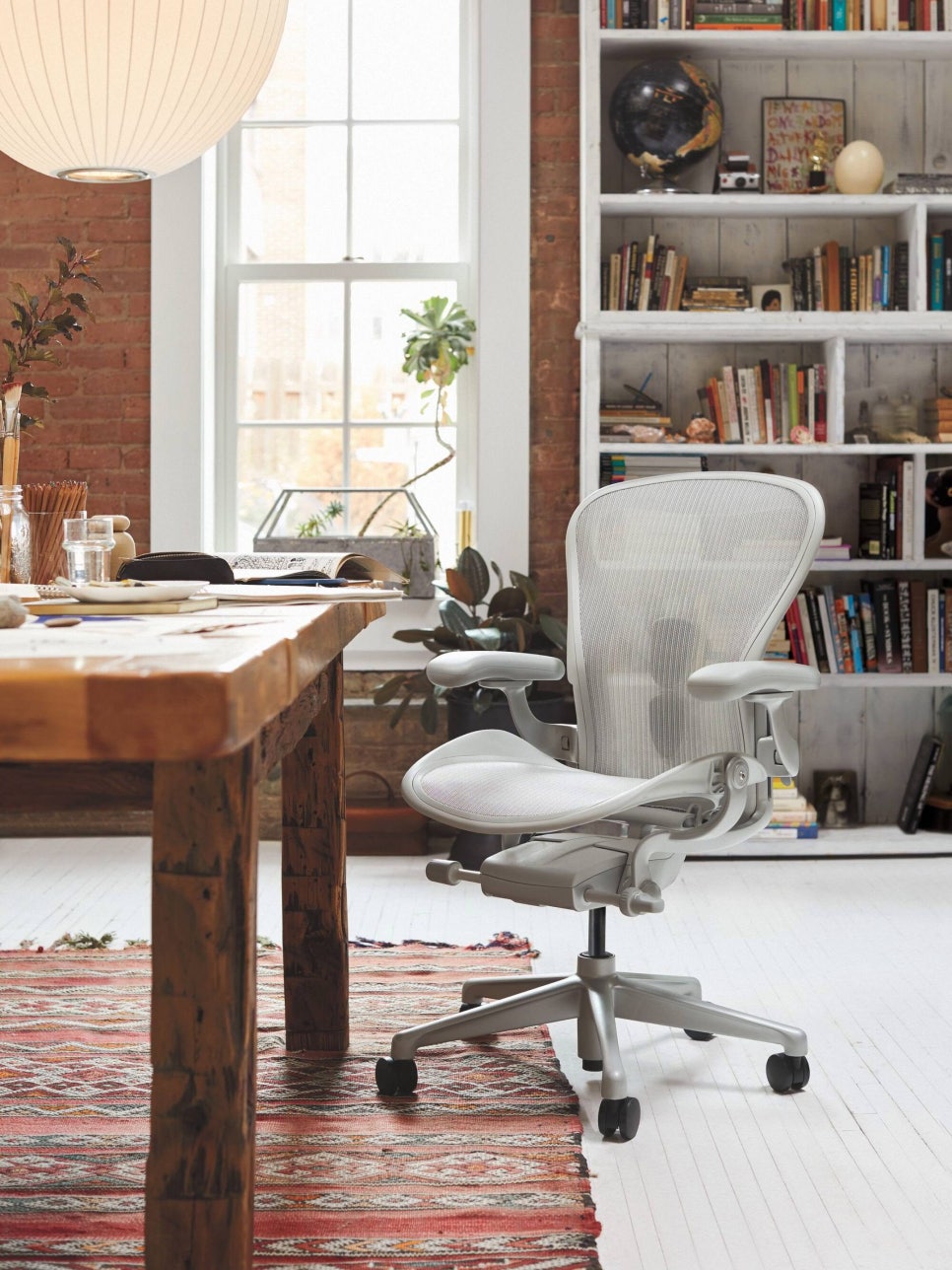
The Hidden Dangers of Refurbished and Mixed-Component Chairs
The most significant risk comes from chairs that look authentic but have been assembled with mismatched or substandard parts—sometimes called refurbished, grey-market, or "mixed" products.
Some international resellers reduce costs by keeping the original frame and visible exterior intact while swapping out critical internal components—gas cylinders, tilt mechanisms, and other core parts—with cheaper, non-OEM alternatives. The result is a chair that looks right but performs poorly and may even be dangerous.
Performance Issues from Mismatched Parts
The magic of a premium ergonomic chair lies in the precision engineering of its gas cylinder, tilt mechanism, and structural integration. Brands like Herman Miller Aeron, Steelcase Gesture, and Haworth Fern design these components to work in harmony, calibrated to the millimeter.
When third-party parts are substituted, the chair loses its engineered tension balance, smooth recline, and weight distribution. You're left with a product that can't deliver the ergonomic support you paid for.
Ergonomic Imbalance and Long-Term Health Risks
High-end chairs are designed with tolerances measured in fractions of a millimeter. Unverified replacement parts can introduce subtle misalignments—wobble, uneven tilt, or poor lumbar tracking—that accumulate over time into serious musculoskeletal problems: pelvic asymmetry, forward head posture, chronic back pain, and spinal stress.
If the chair isn't built to spec, your body pays the price.
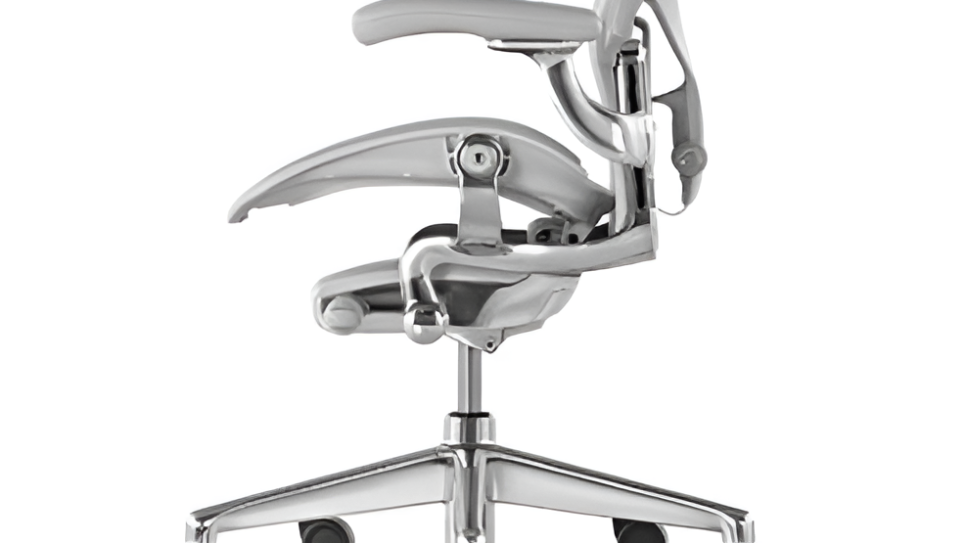
Real-World Safety Incidents: Gas Cylinder Failures
Beyond performance, there's a documented safety risk. Low-quality gas cylinders—particularly those that don't meet international safety standards—have been involved in serious, even fatal, accidents.
Explosion and Injury Cases
In multiple incidents reported in China and Southeast Asia, office chair gas cylinders have violently failed, causing severe injuries. Investigations pointed to cost-cutting measures: using compressed air instead of inert nitrogen gas, or manufacturing cylinder walls thinner than safety standards require. Under pressure and repeated use, these components can rupture or explode.
While catastrophic failures are rare, they underscore a critical point: parts that haven't been certified and traced are parts you cannot trust.
User-submitted photos from communities like Reddit continue to surface, showing chair cylinders that have punched through seat pans or failed catastrophically. These aren't isolated flukes—they're symptoms of unregulated, uninspected manufacturing entering the supply chain.
This is why serial number verification isn't just about warranty coverage—it's about confirmed safety.
What Serial Numbers and QR Codes Really Mean
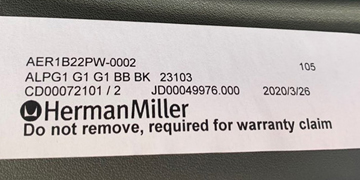
Every premium chair from a reputable manufacturer carries a unique serial number or QR code. This isn't just an ID tag—it's a traceable record of where and when the chair was made, which quality control checks it passed, and whether it's eligible for official service and warranty coverage.
Why Some Sellers Remove Serial Numbers
Gray-market and unauthorized resellers sometimes scratch off, cover, or remove serial numbers and QR codes deliberately. This prevents the brand from tracking the chair's distribution and holds the seller unaccountable for the product's origin or condition.
Once that traceability is gone, you lose access to:
Manufacturer warranty service
Official replacement parts
Recall notifications
Proof of authenticity for resale
When you contact an authorized service center for a repair, the first thing they'll ask for is the serial number. Without it, even expensive chairs are ineligible for support—no matter what you paid.
If You've Already Bought a Chair Without Authentication
If you've already purchased a high-end chair and discovered it lacks serial number verification, don't despair. The fact that you recognized the value of ergonomic seating is a meaningful step. You've experienced what premium design can offer.
But for your next purchase—or if you're helping someone else choose—make authentication a non-negotiable. It's the difference between owning a supported, safe product and owning an expensive replica with no backing.
Certified vs. Non-Certified Chairs: A Quick Comparison
Feature | Certified Authentic Chair | Non-Certified / Gray Market |
|---|---|---|
Serial number | Intact, verifiable with manufacturer | Missing, scratched off, or unverifiable |
Warranty | Full manufacturer warranty (often 10–15 years) | None, or seller-only "warranty" with no OEM support |
Replacement parts | Genuine OEM parts available | Third-party or unavailable |
Service | Authorized service centers, trained technicians | No official service; DIY or generic repair shops |
Safety certification | Meets BIFMA, EN, or equivalent standards | Unknown or untested |
Resale value | Provable authenticity supports resale price | Difficult to sell; buyers wary of unverified goods |
Long-Term Value: Warranty and Service That Lasts a Decade
One of the defining features of a true premium chair is its long-term warranty—often 10 to 15 years. Brands like Herman Miller, Steelcase, Haworth, and Humanscale back their products for well over a decade because they're engineered to last.
But this warranty is only available to owners of authenticated products purchased through authorized channels.
What a Real Warranty Covers
Structural and mechanical defects: Frame, base, tilt mechanism, armrests, gas cylinder
Genuine OEM parts: Replacement components that match original specs exactly
Expert service: Technicians trained on your chair's specific model and engineering
Chairs like the Steelcase Leap V2, Herman Miller Embody, and Humanscale Freedom are designed to be serviced and maintained, not replaced. With proper support, they stay as comfortable in year ten as they were on day one.
Without authentication, you're on your own. That's the difference between a ten-year investment and a disposable product.
Resale Value and Asset Protection
Premium ergonomic chairs hold their value remarkably well—if they can be verified as authentic.
If you ever decide to upgrade, move offices, or simply want to recoup some of your investment, a documented, serial-number-verified chair will command a significantly higher resale price than an untraceable one. Buyers in the used market are becoming savvy; they ask for proof of authenticity before committing.
Choosing a certified product isn't just about comfort and safety today—it's about protecting the financial value of your purchase for years to come.
How to Buy a Premium Chair the Right Way
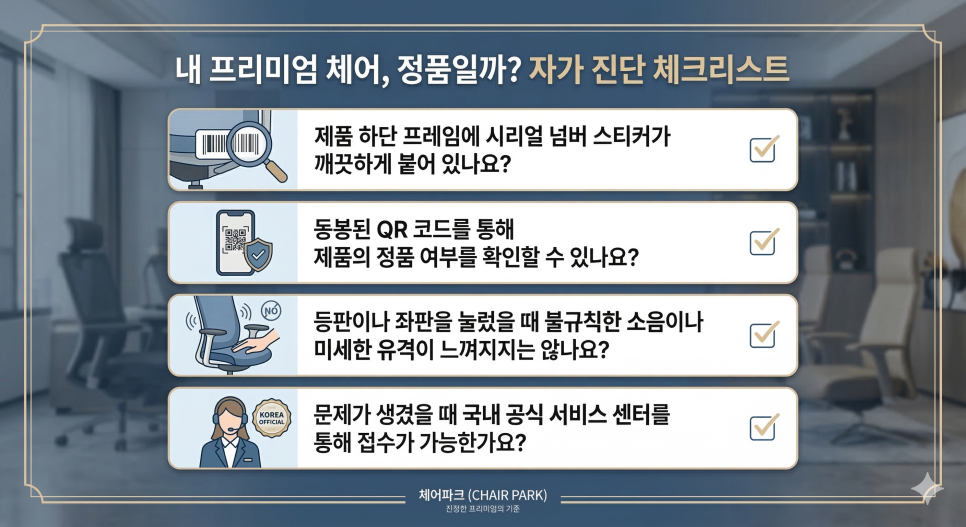
Here's a simple checklist to ensure you're getting a genuine, safe, fully supported product:
Buy from an authorized dealer. Check the manufacturer's website for their official retailer list.
Verify the serial number before purchase. Ask the seller to provide photos and confirm the number is intact and readable.
Request documentation. Proof of purchase, warranty card, and authenticity certificate should all be included.
Inspect on delivery. Check that the serial number or QR code on the chair matches your documentation and hasn't been tampered with.
Register your chair. Many brands offer online registration to activate your warranty and enable service requests.
Final Thoughts: Your Chair Is an Investment in Your Health
A high-end ergonomic chair is one of the most important purchases you'll make for your workspace. It's not just about comfort—it's about your long-term spinal health, focus, and productivity.
Choosing a chair without serial number authentication might save money up front, but it puts you at risk of poor performance, injury, lost warranty protection, and zero manufacturer accountability.
Whether you're considering a Herman Miller Aeron, Steelcase Gesture, Haworth Zody II, or any other premium model, make sure it's the real thing—traceable, certified, and backed by the people who designed it.
Your body will thank you. And ten years from now, so will your back account.
Furniblog may earn a commission from links in this post, at no extra cost to you. See our affiliate disclosure.