What's Your Spinal Age? 8 Questions to Check Your Sitting Habits and Find the Right Chair
A 3-minute self-assessment based on posture science—and chair recommendations by score
By the Furniblog Editorial Team·July 31, 2026·6 min read
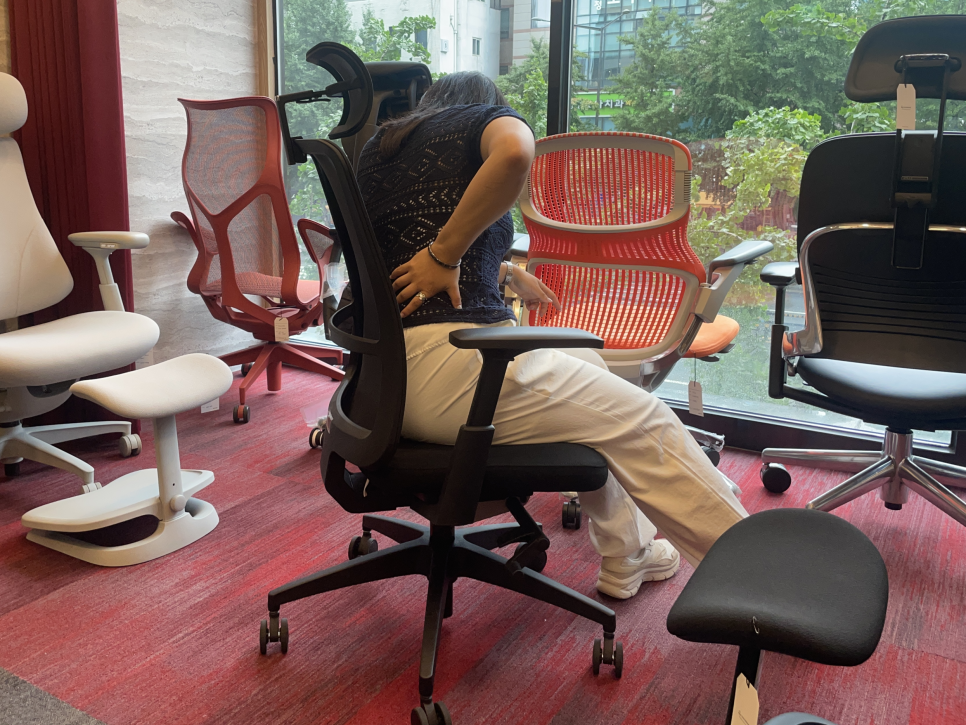
How Old Is Your Spine?
You've probably heard of "vascular age" or "lung age" from a health screening. Your spine has an age too—and it may not match the number on your birthday cake. Regardless of your actual age, the stress on your intervertebral discs and back muscles varies dramatically depending on how you sit, how often you move, and what kind of support your chair provides.
This self-assessment takes just three minutes and eight questions. It's not a medical diagnosis, but a practical snapshot of your daily sitting habits—and a research-backed starting point for lowering the biological age of your spine.
The Science Behind the Checklist
This quiz isn't guesswork. Each question draws on peer-reviewed biomechanics and epidemiology:
Forward head posture (Hansraj, 2014): An adult head weighs about 10–12 pounds. Tilt it forward 15°, and the load on your cervical spine jumps to ~27 lbs. At 45°, it's nearly 50 lbs—like balancing two bowling balls on your neck all day.
Disc pressure without backrest support (Nachemson, 1966–1981): Sitting upright without leaning back increases intradiscal pressure by roughly 40% compared to standing. "Sitting up straight" can paradoxically be harder on your lumbar discs than slouching with good lumbar support.
Single-leg standing time and age (Bohannon, 1984; Springer, 2007): Balance on one foot correlates strongly with age (r = –0.65 to –0.79). Shorter hold times suggest weaker proprioception and core stability—both tied to spinal health.
Sedentary behaviour guidelines (WHO, 2020): Uninterrupted sitting for 30–60+ minutes is linked to cardiovascular and metabolic risk, independent of total sitting time. Breaking up long bouts matters as much as the total.
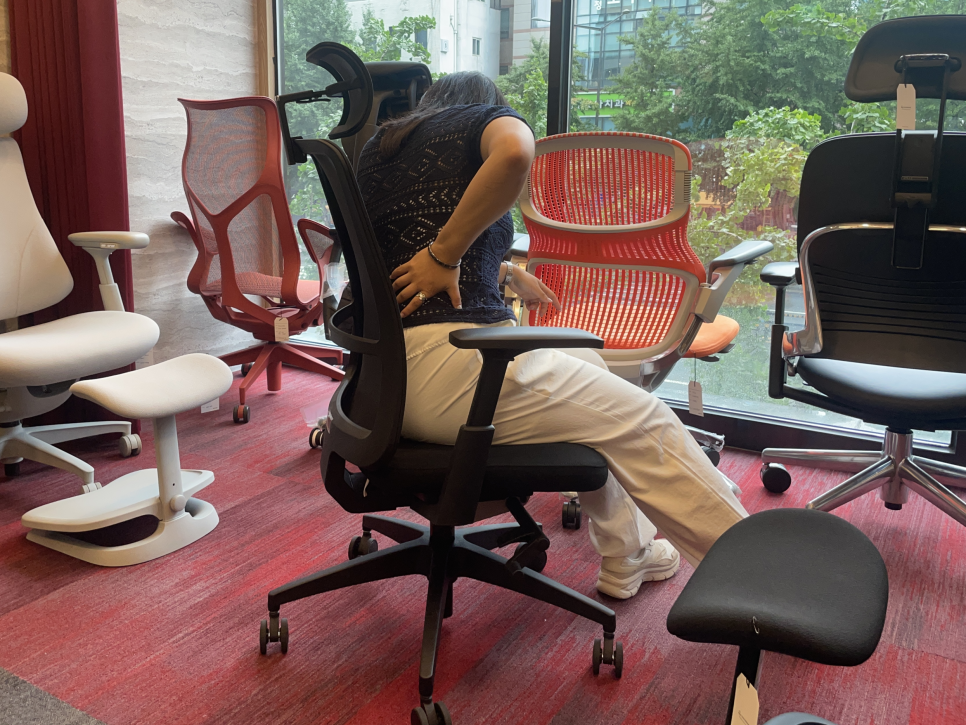
The 8-Question Spinal Age Self-Assessment
For each question, pick the answer that best describes you and note the points. At the end, add them up for a total score between 0 and 24.
Q1: How many hours per day do you spend sitting?
Fewer than 4 hours → 0 points
4–7 hours → 1 point
7–10 hours → 2 points
More than 10 hours → 3 points
Why it matters: Total sedentary time is a well-established risk factor for metabolic and cardiovascular disease.
Q2: When sitting for 30+ minutes, do you get up and move?
Almost always → 0 points
Sometimes → 1 point
Rarely → 2 points
Once I sit, I stay put for hours → 3 points
Why it matters: WHO recommends breaking up sitting every 30–60 minutes to mitigate health risks.
Q3: How much do you tilt your head forward when looking at a screen or phone?
Screen is at eye level, head nearly horizontal → 0 points
Slight tilt (~15°) → 1 point
Moderate tilt (~30°) → 2 points
Significant tilt (45° or more) → 3 points
Why it matters: At 45°, cervical spine load can reach ~50 lbs (Hansraj, 2014).
Q4: Do you lean back into your chair's backrest, or perch on the edge?
Always use the backrest → 0 points
Usually lean back → 1 point
Sometimes perch on the edge → 2 points
Often sit on the edge, back unsupported → 3 points
Why it matters: Sitting without backrest support raises lumbar disc pressure ~40% above standing (Nachemson, 1981).
Q5: How often do you cross your legs or sit cross-legged?
Rarely or never → 0 points
Occasionally → 1 point
Frequently → 2 points
Almost always → 3 points
Why it matters: Prolonged asymmetric posture loads one side of the pelvis and spine more than the other.
Q6: In the past month, have you experienced neck or lower-back pain?
No → 0 points
Once or twice → 1 point
About once a week → 2 points
Nearly every day → 3 points
Why it matters: Recurrent pain is your body's clearest signal that something in your routine needs attention.
Q7: How long can you balance on one foot with your eyes closed?
(Try it now if you're able.)
20 seconds or more → 0 points
10–20 seconds → 1 point
5–10 seconds → 2 points
Fewer than 5 seconds → 3 points
Why it matters: Single-leg balance time declines with age and reflects core and lower-limb proprioception—both linked to spinal stability.
Q8: How many times per week do you exercise (including walking)?
Five or more → 0 points
Three to four → 1 point
One or two → 2 points
Rarely or never → 3 points
Why it matters: WHO recommends at least 150 minutes of moderate-intensity activity per week to maintain musculoskeletal and cardiovascular health.
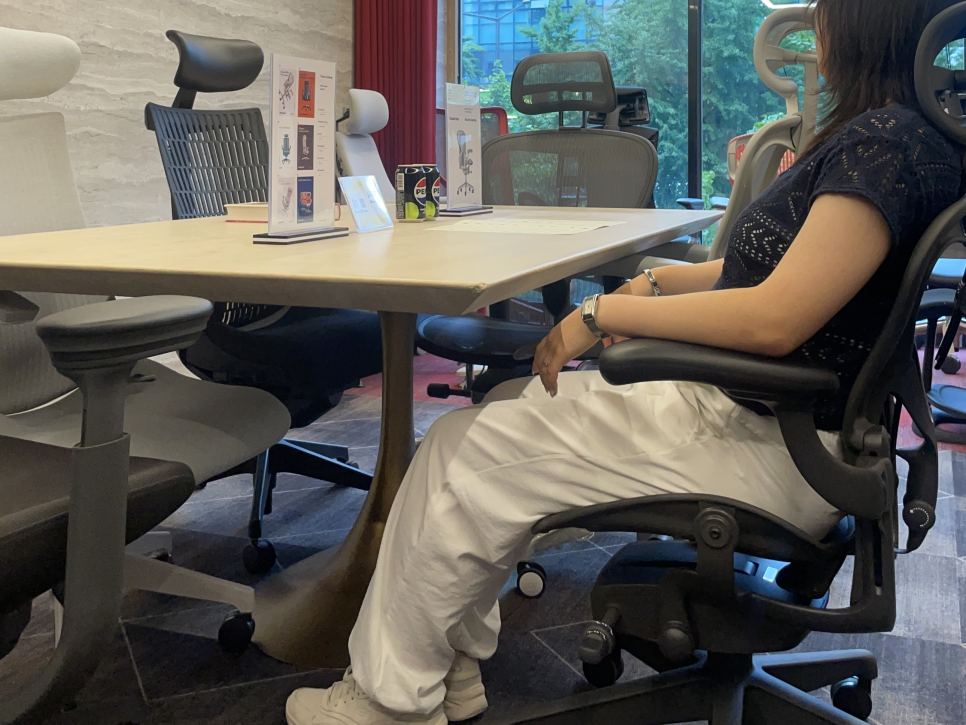
Your Spinal Age: Interpreting Your Score
0–6 Points: Spinal Age ~20s
Your habits are protecting your spine. You move often, use your backrest well, and keep screen time in check. The key now is simply to maintain what you're doing.
Chair recommendation: A solid, foundational ergonomic task chair that supports good habits without over-engineering. The Herman Miller Aeron with PostureFit SL is an excellent all-around choice.
7–12 Points: Spinal Age ~30s
It's time to start actively managing posture. You may notice your form slipping during busy or stressful stretches. A chair that helps maintain lumbar curve and encourages micro-movement will make a real difference.
Chair recommendation: Look for chairs with forward-tilt or adaptive lumbar mechanisms, such as the Okamura Sylphy or chairs with dynamic lumbar support that moves with you throughout the day.
13–18 Points: Spinal Age ~40s
Your body is likely sending you signals. You may already experience occasional or regular discomfort. At this stage, weight distribution across the seat and backrest—and real-time adaptability to movement—become critical.
Chair recommendation: The Herman Miller Embody, with its pixelated back support that distributes pressure dynamically, is purpose-built for this profile. Chairs with adaptive synchro-tilt and wide seat pans also help.
19–24 Points: Spinal Age 50+
You need intervention, not just furniture. Habit change is essential, and your chair should do much of the postural work for you. If pain persists, consult a spine specialist—orthopedic or physiatry—alongside upgrading your seating.
Chair recommendation: Consider recline-forward or zero-gravity recline models for pressure relief. A visit to a specialty showroom for personalized fitting is strongly advised. Pair your chair with a sit–stand desk and movement reminders.
Disclaimer: This checklist is a lifestyle and habit screening tool, not a medical exam. If you experience persistent or worsening pain, please seek evaluation from a qualified healthcare provider.
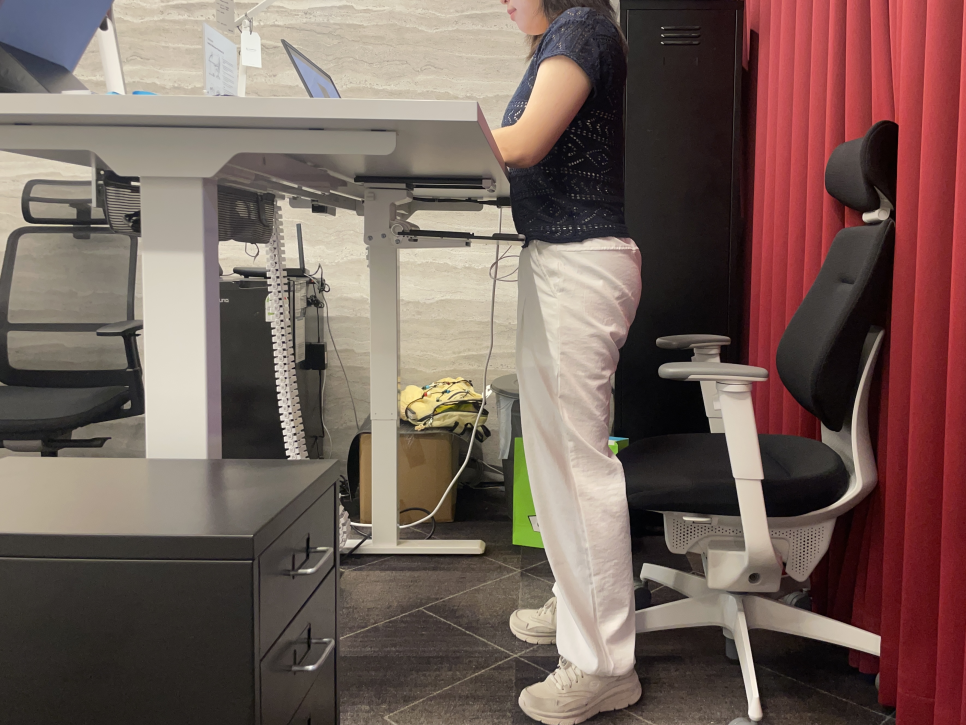
The Good News: Spinal Age Is Reversible
Unlike vascular age, which can take years of sustained effort to improve, spinal age responds relatively quickly to better sitting habits, movement breaks, and proper support. If you can't cut your sitting time, change how you sit—that alone can make a measurable difference within weeks.
An ergonomic chair won't fix everything, but it can do a lot of the postural work for you, freeing your muscles and discs from chronic overload. Combined with regular movement, screen height adjustments, and a commitment to using your backrest, you can genuinely turn back the clock on spinal wear and tear.
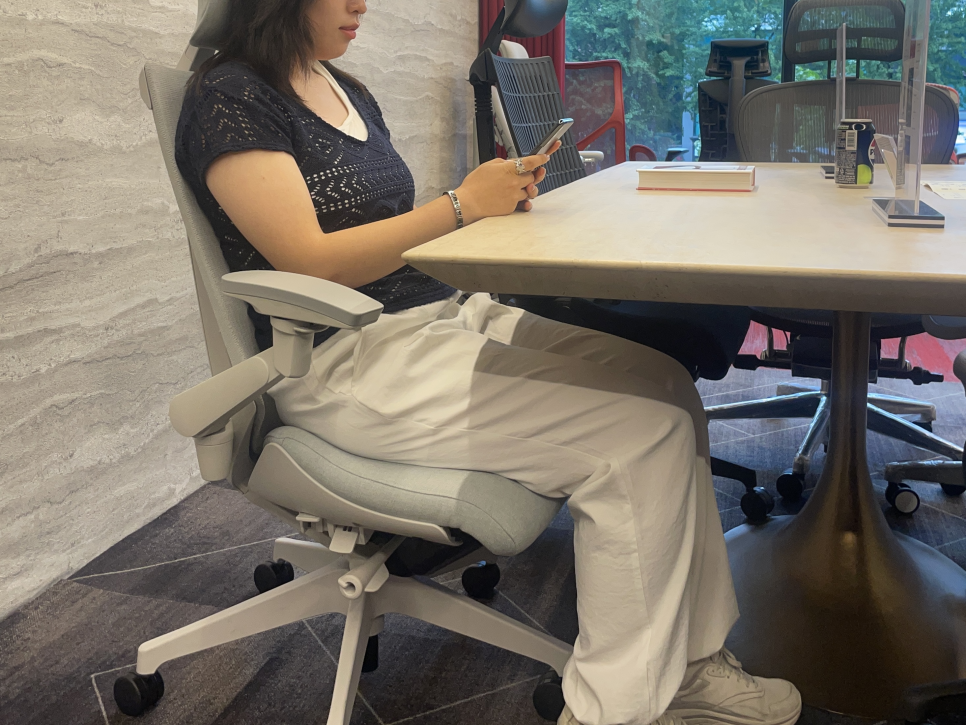
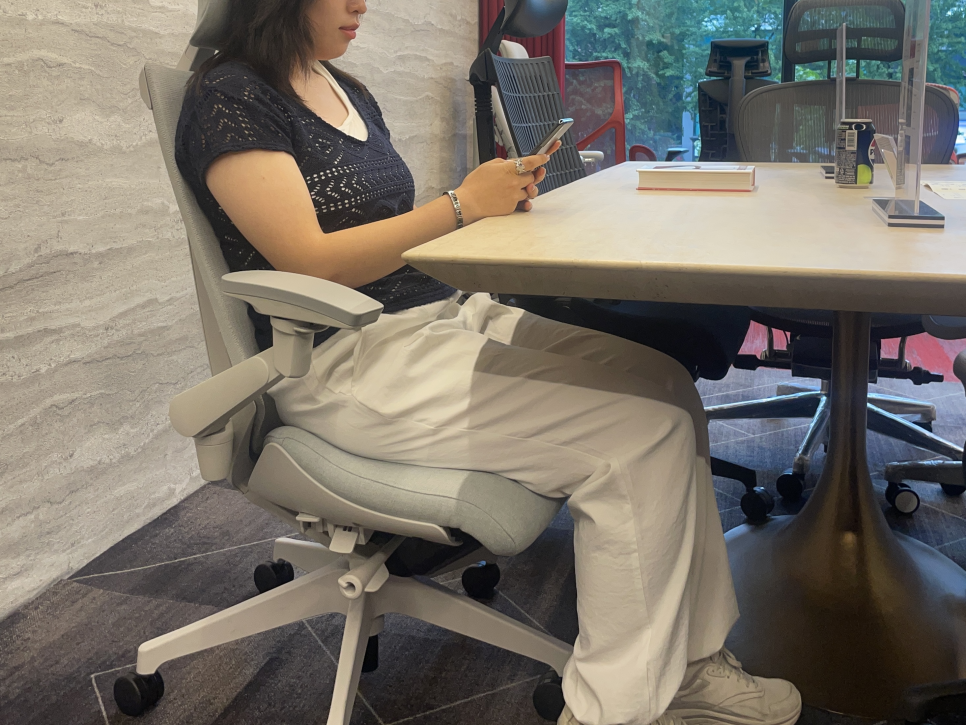
Next Steps
Use your score as a starting point:
If you scored 0–6, keep doing what you're doing and invest in a chair that preserves those good habits.
If you scored 7–12, prioritize chairs with active lumbar support and consider a sit–stand desk.
If you scored 13–18, book time to try chairs with adaptive back technology in person—fit matters more than brand at this stage.
If you scored 19–24, treat this as a wake-up call: see a professional, test recline and tilt-forward chairs, and budget for the best ergonomic setup you can afford.
Remember: the right chair isn't the one with the most adjustments—it's the one that fits your body, matches your work style, and quietly supports you through thousands of hours at your desk.
Furniblog may earn a commission from links in this post, at no extra cost to you. See our affiliate disclosure.